

Formica persica
- Scientific Name
- Formica persica
- Tribe
- Formicini
- Subfamily
- Formicinae
- Author
- Seifert & Schultz, 2009
- Distribution
- Found in 1 countries
Formica persica Overview
Formica persica is an ant species of the genus Formica. It is primarily documented in 1 countries , including Iran, Islamic Republic of. Detailed taxonomic data and occurrence records can be further explored via authoritative databases such as AntWeb or the Global Biodiversity Information Facility (GBIF).
Formica persica
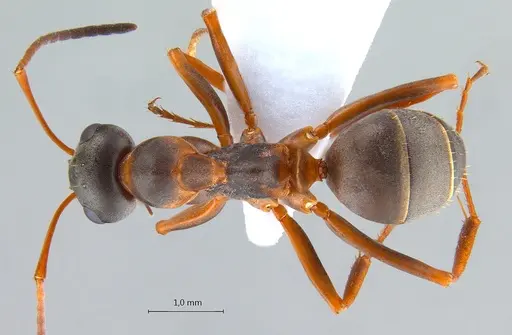
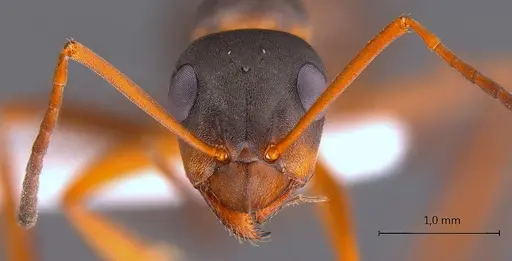
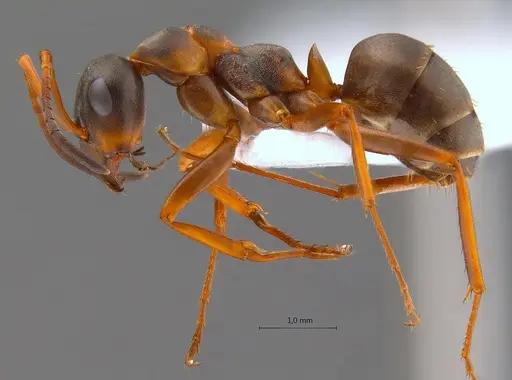
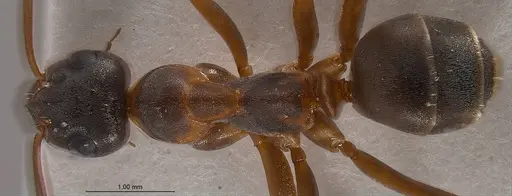
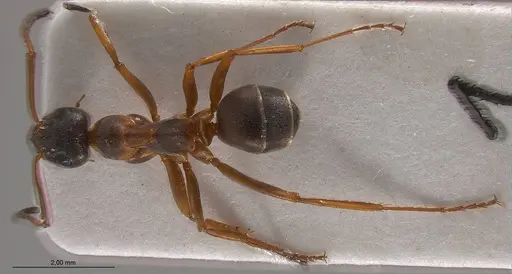
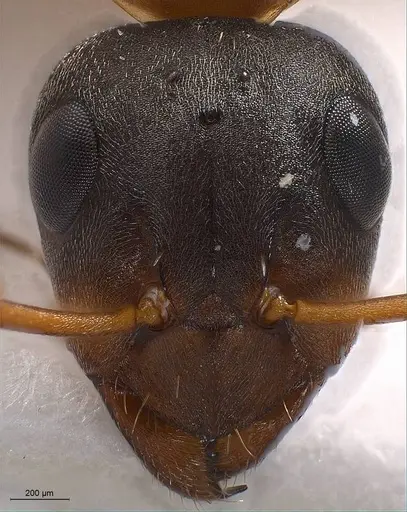
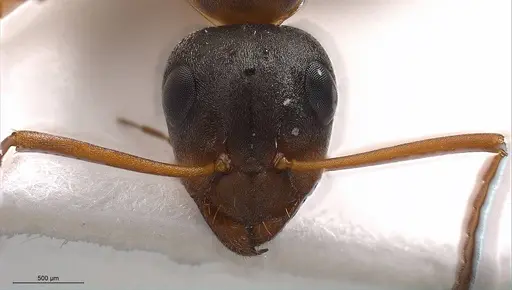
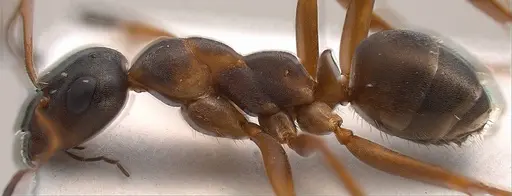
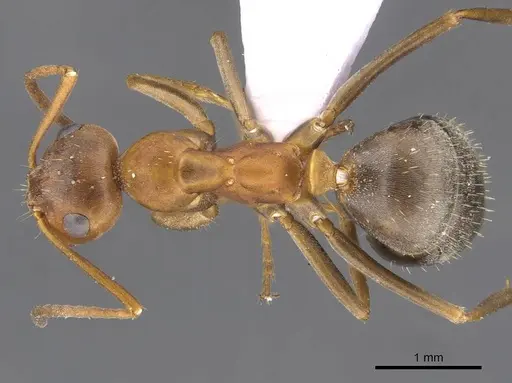
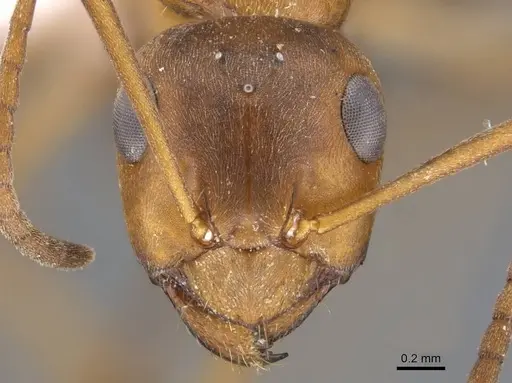
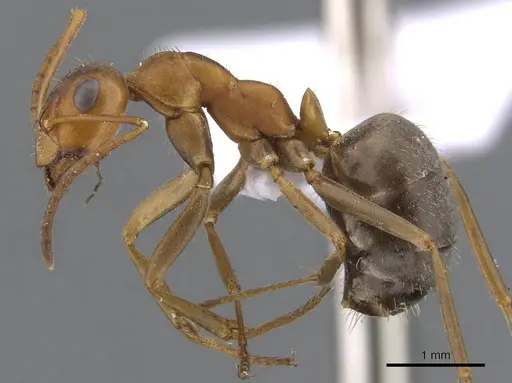
Formica persica is a medium-sized ant belonging to the Serviformica subgenus, first described in 2009 from northern Iran. Workers are small, measuring approximately 4-5mm in total length, inferred from Formica genus patterns. They have a distinctive appearance with a dark brown gaster covered in dense silvery pubescence, while the head and mesosoma are yellowish-reddish with brown markings on the legs and dorsal areas. The most notable characteristic is their unusually long scapes (antennae segments) compared to related species like Formica cunicularia [1][2].
This species is ecologically remarkable because it frequently inhabits woodland areas, unlike other members of the rufibarbis group which prefer open land [1]. They occur in highly diverse habitats across the Elburs Mountains of northern Iran, from steppe and riverbanks to deciduous and Juniperus forests below 1000 meters. The region receives significant rainfall (600-1500mm annually), indicating they prefer moist conditions [1].
Quick Summary
- Difficulty: Medium
- Origin & Habitat: Endemic to the Elburs Mountains in northern Iran (36.2°N to 38.4°N,48.5°E to 56°E). Found from sea level up to 2300m elevation in diverse habitats including steppe, rural areas, river sides, and forests. Forest sites below 1000m include deciduous and Juniperus forests [1][2].
- Colony Type: Likely monogyne based on typical Serviformica patterns. Colony structure in the wild has not been directly documented.
- Size & Growth:
- Queen:{.size-link} ~7-9mm, inferred from Formica genus patterns
- Worker:{.size-link} ~4-5mm, inferred from Formica genus patterns (no total length data available)
- Colony: Up to several hundred workers estimated based on related Formica species
- Growth: Moderate
- Development: 6-10 weeks estimated based on typical Formica development (Development time is estimated, no specific study exists for this species. Related Formica species typically take 6-10 weeks from egg to worker at room temperature.)
- Antkeeping:
- Temperature: Keep at room temperature, roughly 20-25°C. Based on their Iranian mountain habitat (temperate continental with hot summers and cold winters), they likely tolerate a range from 18-28°C. Provide a temperature gradient so ants can choose their preferred zone.
- Humidity: Requires moderate to high humidity. The Elburs Mountains region receives 600-1500mm annual precipitation, so aim for 50-70% humidity with access to moist substrate. Keep nest material damp but not waterlogged [1].
- Diapause: Likely requires a winter rest period. Based on their distribution in temperate Iran with cold winters at higher elevations, expect 2-3 months of reduced activity around 5-10°C.
- Nesting: In nature they nest in soil, under stones, and in rotting wood in forested areas. In captivity, standard formicarium setups with soil or plaster work well. Provide a moist nesting area with some dry areas available. Y-tong (AAC) nests or naturalistic setups with soil substrate both work for this species [1].
- Behavior: Formica persica is a relatively calm, non-aggressive species typical of the Serviformica group. Workers are active foragers that likely collect honeydew and small insects. Their small size means they can escape through tiny gaps, excellent escape prevention is essential. They are not known to be particularly aggressive. Workers are moderately fast-moving and will explore their outworld actively. As Formicine ants, they can spray formic acid as a defense mechanism when threatened.
- Common Issues: escape prevention is critical, workers can squeeze through remarkably small gaps, humidity control can be challenging, too dry causes brood death, too wet causes mold, winter dormancy is often poorly understood by beginners, improper diapause kills colonies, slow initial colony growth causes some keepers to overfeed, leading to mold problems, limited availability means wild-caught colonies may have parasites or disease
Nest Preferences and Housing
In the wild, Formica persica nests in soil, under stones, and in rotting wood across diverse habitats from steppe to forest. They show a preference for forested areas below 1000m elevation, particularly in deciduous and Juniperus forests [1]. For captive housing, provide a nest with moist substrate, either a Y-tong (AAC) formicarium with a water reservoir or a naturalistic setup with soil in a formicarium. The key is maintaining consistent moisture without waterlogging. A layer of substrate 1-2cm deep works well for soil nests. Include some dry areas within the nest so ants can self-regulate their humidity. Because workers are small, ensure all connections and barriers are tight, these ants can escape through gaps that seem impossibly small.
Feeding and Diet
Like other Serviformica species, Formica persica workers are omnivorous, feeding on honeydew from aphids and scale insects, small insects, and nectar. In captivity, offer a varied diet: sugar water or honey water as a constant energy source, and protein sources like small crickets, mealworms, or fruit flies twice weekly. They are not large ants, so prey items should be appropriately sized, tiny insects or pre-killed pieces work better than large prey. Fresh water should always be available. Remove uneaten prey after 24-48 hours to prevent mold. [1]
Temperature and Seasonal Care
Formica persica comes from the temperate Elburs Mountains of Iran, where temperatures vary significantly with elevation (from sea level to 2300m). This suggests they can tolerate a range of conditions but prefer moderate temperatures around 20-25°C. Room temperature is typically suitable. Provide a temperature gradient by placing a heating cable on one side of the nest, this allows workers to move between warmer and cooler areas. During winter, expect reduced activity. Based on their mountain habitat with cold winters, provide 2-3 months of hibernation at 5-10°C. Reduce feeding during this period and keep the nest slightly cooler but not frozen. A refrigerator or cold cellar works well for winter storage. Resume normal feeding and warming gradually in spring. [1]
Behavior and Colony Dynamics
This species is relatively calm and not particularly aggressive, making them suitable for observation. Workers are active foragers that will venture into the outworld to collect food. Colonies grow moderately, do not expect the explosive growth seen in some tropical species. The first workers (nanitics) will be smaller than mature workers and may take several weeks to appear. Once established, colonies can reach several hundred workers over a couple of years. The long scapes (antennae segments) mentioned in taxonomic descriptions are a distinguishing feature, workers appear to have notably long antennae compared to related species like Formica cunicularia [1][2].
Handling and Escape Prevention
Due to their small size, excellent escape prevention is essential. Use fluon or similar barriers on the rim of the formicarium, and ensure all ventilation holes are covered with fine mesh. Check connections between the nest and outworld regularly. When observing or transferring colonies, work quickly but carefully, these small ants are agile and can dart away unexpectedly. They are not dangerous to humans and rarely bite. However, always wash hands after handling ant equipment to prevent contamination.
Frequently Asked Questions
How long does it take for Formica persica to raise first workers?
The exact timeline is not documented, but based on typical Formica development, expect 6-10 weeks from egg to first worker at room temperature (20-25°C). The queen will remain sealed in her founding chamber until nanitics emerge. Be patient, founding colonies often seem inactive but the queen is working hard underground.
What size colony does Formica persica reach?
Colony size has not been directly documented, but based on related Serviformica species, expect colonies of several hundred workers over 2-3 years. They are not among the largest Formica species but can still form substantial colonies.
Can I keep multiple Formica persica queens together?
This has not been documented for this species. Based on typical Serviformica behavior, they are likely monogyne (single queen). Combining unrelated queens is not recommended as they likely will fight.
What temperature do Formica persica need?
Room temperature (20-25°C) is suitable. They can tolerate 18-28°C but avoid extremes. A temperature gradient allows ants to self-regulate. During winter, provide 2-3 months of hibernation at 5-10°C.
Do Formica persica need hibernation?
Yes, based on their distribution in temperate Iran with cold winters at higher elevations, they require a winter rest period. Provide 2-3 months at 5-10°C during winter months. Reduce feeding and keep the colony slightly cooler but not frozen.
What do Formica persica eat?
They are omnivorous like other Serviformica species. Offer sugar water or honey water constantly, and protein sources like small insects (fruit flies, pinhead crickets, mealworms) twice weekly. Remove uneaten prey to prevent mold.
Are Formica persica good for beginners?
They are rated Medium difficulty. They require attention to humidity and escape prevention due to their small size, and need proper winter hibernation. They are not as challenging as some species but require more care than common Lasius species.
When should I move Formica persica to a formicarium?
Wait until the colony has at least 20-30 workers before moving from a founding setup. A test tube or small container works well for founding. Move to a proper formicarium when the colony outgrows its setup or when the water reservoir runs low.
Why is my Formica persica colony dying?
Common causes include: too dry conditions (keep substrate consistently moist), improper hibernation (they need winter rest), escape-related losses (check for tiny gaps), mold from overfeeding, or parasites from wild-caught colonies. Review humidity, temperature, and feeding practices.
Report an Issue
The current care sheet is based fully on literature. See inconsistencies, or something that's incorrect? Please , it will be resolved after review from an admin. Contributing to the blogs tab also helps providing information, to make us be able to further improve the caresheets. Thank you for your support!
References

This caresheet is licensed under CC BY-SA 4.0 .
Literature
Loading...Loading products...