

Formica oregonensis
- Scientific Name
- Formica oregonensis
- Tribe
- Formicini
- Subfamily
- Formicinae
- Author
- Cole, 1938
- Common Name
- Oregon Field Ant
- Distribution
- Found in 1 countries
Formica oregonensis Overview
Formica oregonensis (commonly known as the Oregon Field Ant) is an ant species of the genus Formica. It is primarily documented in 1 countries , including United States of America. Detailed taxonomic data and occurrence records can be further explored via authoritative databases such as AntWeb or the Global Biodiversity Information Facility (GBIF).
Formica oregonensis - "Oregon Field Ant"
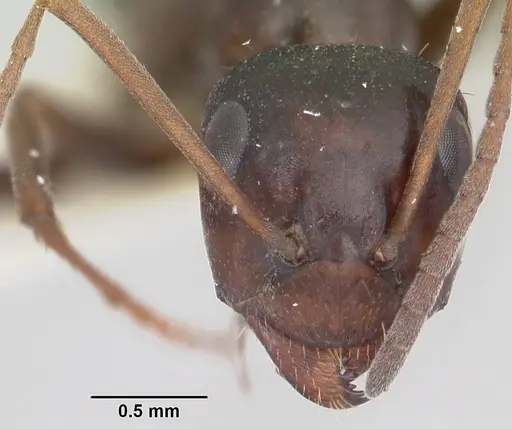
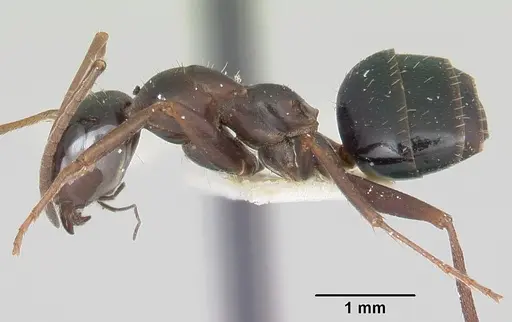
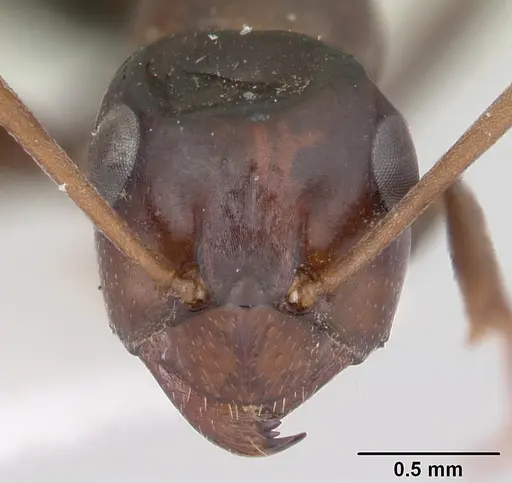
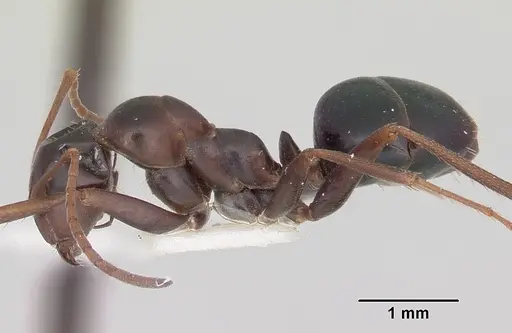
Formica oregonensis is a medium-sized ant native to the western United States. Workers measure around 4-7mm with a dark brown to black coloration and lighter reddish-brown legs. The species was originally described in 1938 and was later synonymized with Formica manni before being revived as a valid species in 1956 [1]. These ants belong to the subfamily Formicinae and the genus Formica, which is known for being effective pollinators due to their well-developed metapleural glands [2][3].
In the wild, F. oregonensis inhabits the Nearctic region, primarily in the western United States. Like other Formica species, they are active foragers and known to tend aphids for honeydew. Their well-developed metapleural glands, which produce antibiotic secretions, allow them to maintain cleanliness and function effectively as pollinators while foraging on plants [2][3]. This makes them ecologically important as both predators and pollinators in their native habitats.
Quick Summary
- Difficulty: Medium
- Origin & Habitat: Western United States, Nearctic region. These ants inhabit forest edges, meadows, and areas with moderate vegetation where they can nest in soil or under stones.
- Colony Type: Colony structure is unconfirmed. Based on typical Formica patterns, likely single-queen (monogyne) colonies, though some Formica species can be polygynous.
- Size & Growth:
- Queen: Estimated 8-10mm based on genus patterns for medium Formica species
- Worker: 4-7mm [4]
- Colony: Estimated several thousand workers based on typical Formica colony sizes
- Growth: Moderate, Formica species typically grow at moderate rates
- Development: Estimated 6-10 weeks based on typical Formica development at warm summer temperatures (Development time is inferred from genus patterns, direct measurements for F. oregonensis are not available. Faster development occurs in warmer conditions.)
- Antkeeping:
- Temperature: Keep at room temperature (20-24°C). Formica species are active during warmer months and benefit from a gentle temperature gradient. In captivity, room temperature is typically suitable with optional supplemental heating during active growth periods.
- Humidity: Moderate humidity is acceptable. These ants are not dependent on extremely high humidity like some tropical species. Standard formicarium conditions with access to water are sufficient.
- Diapause: Yes, Formica species require a winter dormancy period. Provide hibernation at 5-10°C for 3-4 months during winter months (roughly November-February depending on your location).
- Nesting: Based on typical Formica preferences, they likely nest in soil with access to dry chambers. Y-tong (acrylic) nests or plaster nests work well. Provide a water tube and ensure the nest can maintain moderate humidity while having some drier areas.
- Behavior: Formica oregonensis is an active forager with moderate aggression when defending the colony. Workers are quick-moving and will defend their nest vigorously if threatened. They are effective pollinators due to their metapleural gland secretions, which help maintain cleanliness during extended foraging trips [2][3]. Escape prevention should be moderate, they are not tiny ants but can climb smooth surfaces. Standard barrier methods like fluon on test tube rims work well.
- Common Issues: hibernation failure, colonies that aren't allowed proper winter dormancy often weaken and die, overheating, while they need warmth, excessive heat can kill colonies, queen loss during founding, claustral queens that are disturbed may abandon or consume their brood, mold in nests, poor ventilation combined with excessive moisture causes fungal problems, predation by other insects, active foragers can be caught by spiders or other predators if in an unsecured outworld
Nest Preferences and Housing
Formica oregonensis will do well in standard ant housing setups. Y-tong (acrylic) nests work excellently for this species as they allow you to observe colony activity while providing appropriate chamber sizes. Plaster nests are also suitable and help maintain stable humidity levels. For founding colonies, a simple test tube setup with a water reservoir works well, the queen will seal herself in a chamber and raise her first workers there. Once the colony reaches 15-20 workers, you can connect the test tube to an outworld for foraging. The nest should have some chambers that stay drier and others that remain moderately moist, allowing the ants to choose their preferred microclimate.
Feeding and Diet
Like other Formica species, F. oregonensis is omnivorous and will accept a variety of foods. Protein sources are essential for brood development, offer small insects like fruit flies, small crickets, or mealworms. They also readily accept sugar sources such as honey water or sugar water, especially during periods of high worker activity. In the wild, these ants are known to tend aphids for honeydew, so providing a consistent sugar source is beneficial. Feed protein prey 2-3 times per week, and keep sugar water available at all times. Remove uneaten prey after 24-48 hours to prevent mold.
Temperature and Seasonal Care
Maintain your colony at room temperature (20-24°C) for optimal activity and growth. Formica species are naturally active during warm summer months, so providing temperatures in this range mimics their natural conditions. During winter, you must provide a hibernation period, this is critical for colony health. Move the colony to a cool location (5-10°C) for 3-4 months, typically from late fall through winter. A refrigerator basement or garage that stays cool but above freezing works well. Do not feed during hibernation but ensure water is available. colonies that skip hibernation often have shortened lifespans and reduced brood production the following season.
Behavior and Colony Dynamics
Formica oregonensis workers are active foragers and will readily explore their outworld in search of food. They are not overly aggressive toward humans but will defend their nest vigorously if threatened. The species is notable for being an effective pollinator, their well-developed metapleural glands produce antibiotic secretions that allow them to maintain cleanliness during extended foraging trips on plants [2][3]. This is an interesting trait that distinguishes them from many other ant species. Workers communicate through chemical trails and will quickly recruit nestmates to good food sources. The colony will establish defined foraging routes once established.
Growth and Development
Colony growth follows typical Formica patterns. After the claustral queen seals herself in, she will lay eggs within a few weeks. Eggs develop through larval and pupal stages before hatching as first workers (nanitics), which are typically smaller than mature workers. The first workers will emerge 6-10 weeks after egg-laying, depending on temperature. After this point, the colony enters a growth phase where worker numbers increase gradually. A healthy colony can reach several hundred workers within 2-3 years under good conditions. Growth is moderate, not as fast as some tropical species but faster than very slow-growing genera.
Frequently Asked Questions
How long does it take for Formica oregonensis to get their first workers?
Expect first workers (nanitics) to emerge 6-10 weeks after the queen lays her eggs. This timeline is based on typical Formica development and varies with temperature, warmer conditions within the 20-24°C range speed up development.
Do Formica oregonensis need hibernation?
Yes, hibernation is essential for this species. Provide 3-4 months of cold conditions (5-10°C) during winter. Without proper hibernation, colonies often weaken and have reduced lifespan.
What do Formica oregonensis eat?
They are omnivores. Feed protein (small insects like fruit flies, crickets, mealworms) 2-3 times per week and keep sugar water (honey water or sugar water) available at all times. They also tend aphids for honeydew in the wild.
Can I keep multiple Formica oregonensis queens together?
This is not recommended. While some Formica species can be polygynous, combining unrelated foundress queens typically results in fighting. It's best to start with a single queen for each colony.
Are Formica oregonensis good for beginners?
They are moderate difficulty, easier than some exotic tropical species but require proper hibernation setup. If you're comfortable providing winter dormancy, they make a rewarding species to keep.
When should I move my colony to a formicarium?
Wait until the colony has 15-20 workers before moving to a formicarium. A test tube setup works fine for founding colonies. Moving too early can stress the queen and cause her to abandon or eat her brood.
How big do Formica oregonensis colonies get?
Mature colonies can reach several thousand workers over several years. Growth is moderate, expect meaningful colony growth over 2-3 years with good care.
Why are my Formica oregonensis dying?
Common causes include: improper hibernation (too warm or no dormancy), mold from excessive moisture, overheating, or stress from disturbance during founding. Check temperature, humidity, and ensure the queen hasn't been disturbed.
References

This caresheet is licensed under CC BY-SA 4.0 .
CASENT0103365
View on AntWeb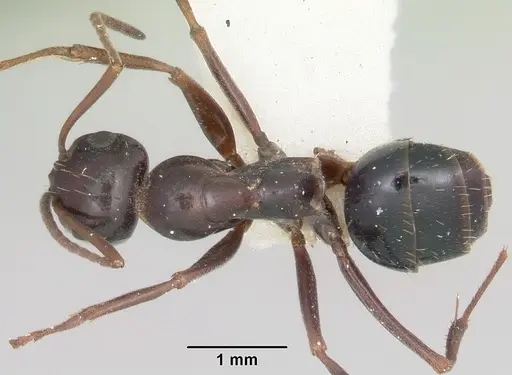
CASENT0105755
View on AntWeb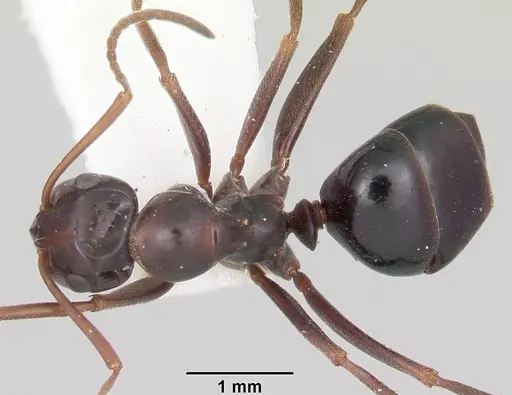
Literature
Loading...Loading products...