

Formica manni
- Scientific Name
- Formica manni
- Tribe
- Formicini
- Subfamily
- Formicinae
- Author
- Wheeler, 1913
- Common Name
- Mann's Field Ant
- Distribution
- Found in 1 countries
Formica manni Overview
Formica manni (commonly known as the Mann's Field Ant) is an ant species of the genus Formica. It is primarily documented in 1 countries , including United States of America. Detailed taxonomic data and occurrence records can be further explored via authoritative databases such as AntWeb or the Global Biodiversity Information Facility (GBIF).
Formica manni - "Mann's Field Ant"
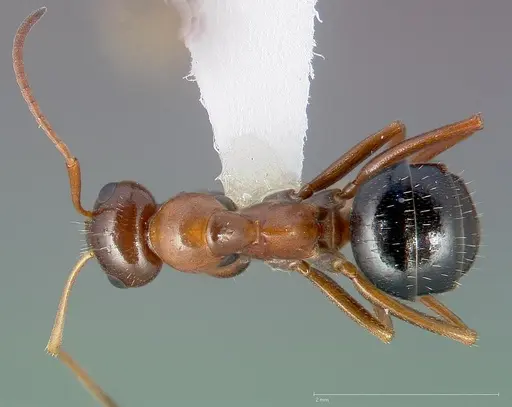
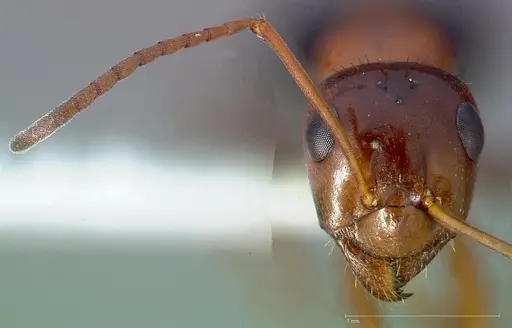
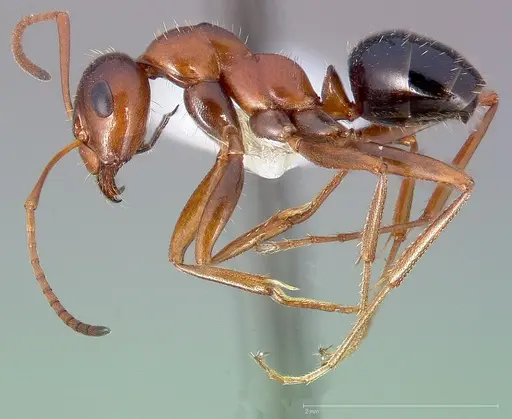
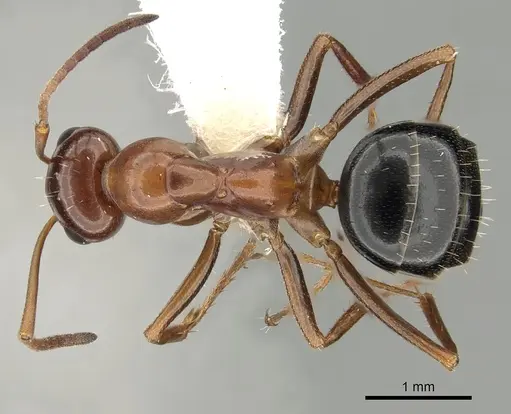
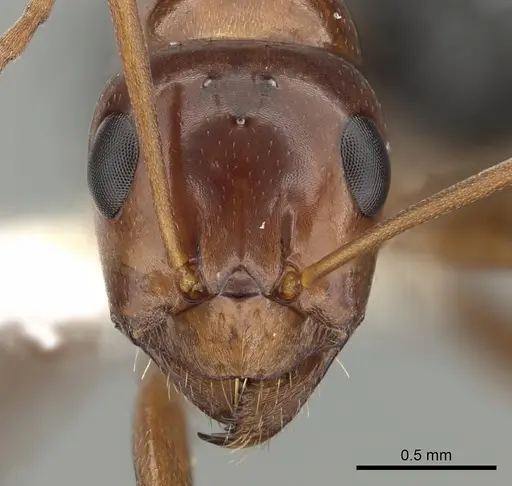
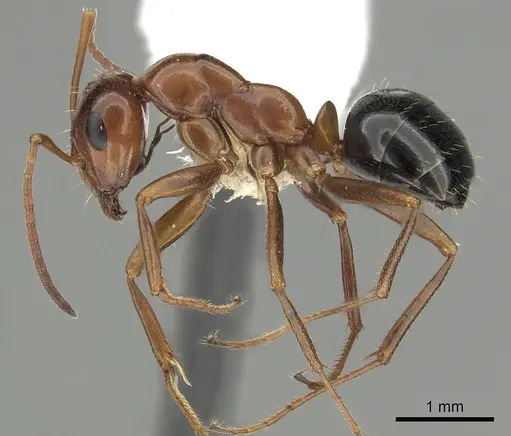
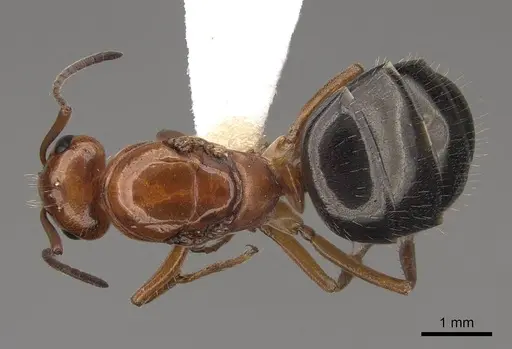
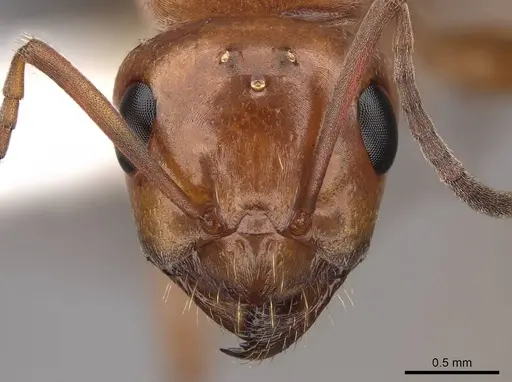
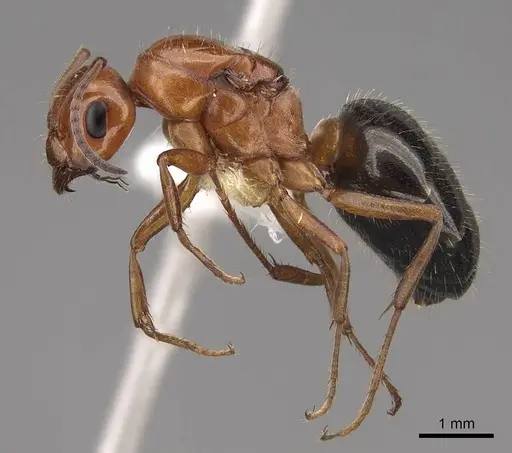
Formica manni is a medium-sized red and black ant native to the western United States. Workers measure 3.5-4.5mm with a slender body that is rich red in color, while the gaster is always deep black throughout. Queens are larger at 6-7mm and closely resemble workers in sculpture and coloration. The species was originally described in 1913 by Wheeler and was once thought to be parasitic due to its small queen size, but it is actually a free-living species that forms independent colonies. These ants are known for being fast and timid, though larger colonies can become aggressive when disturbed.
Quick Summary
- Difficulty: Medium
- Origin & Habitat: Western United States (Washington, Idaho, Utah, Nevada, California) at elevations of 3,800-8,000 feet. They inhabit dry, hot, often sandy desert country and are found in both the Pinyon-Juniper Biome and Cool Desert Biome. Nests are typically located under stones or marked by small crater mounds [1].
- Colony Type: Monogyne, single queen colonies. Colonies are relatively small based on field observations.
- Colony: Monogyne
- Founding: Claustral
- Size & Growth:
- Queen: 6-7mm [1]
- Worker: 3.5-4.5mm [1]
- Colony: Colony size appears moderate, field notes indicate populous colonies exist but they are not among the largest Formica species [1]
- Growth: Moderate, based on typical Formica development patterns
- Development: 6-8 weeks estimated based on typical Formica genus development at optimal temperature (Development time is estimated from related Formica species, specific data for F. manni is not available)
- Antkeeping:
- Temperature: Keep nest area around 20-24°C. These ants naturally occur at higher elevations in cooler climates, so avoid overheating. Room temperature is often suitable, with a slight heat gradient if needed [1].
- Humidity: Low to moderate, they naturally inhabit dry, desert-like areas. Keep nest substrate moderately dry, not waterlogged. Provide a shallow water source in the outworld rather than high humidity in the nest area [1].
- Diapause: Yes, as a temperate species from high elevations, they require a winter hibernation period. Keep at 5-10°C for 3-4 months during winter [1].
- Nesting: They naturally nest under stones in compact soil. In captivity, a naturalistic setup with a stone or tile over compact soil works well. They also adapt to Y-tong or acrylic nests with dry to moderately moist substrate. Avoid overly humid conditions [1].
- Behavior: Workers are fast-moving and timid by nature, but populous colonies can become aggressive when their nest is disturbed. They are active foragers and will readily search for food. Escape prevention should be moderate, they are not tiny ants but can climb smooth surfaces. They may bite if handled roughly, though they are not particularly aggressive toward keepers. Workers have a moderate sting, but it's rarely noticeable to humans [1].
- Common Issues: overheating, they come from cool high-elevation habitats and can die if kept too warm, excessive humidity, their natural habitat is dry desert country, so wet conditions can cause colony stress, small colony vulnerability, they occur in relatively low numbers in the wild, so founding colonies can be fragile, hibernation failure, improper winter cooling can weaken or kill colonies over time
Nest Preferences and Housing
Formica manni naturally nests under stones in compact, dry soil in hot, desert-like areas of the western United States. In captivity, they do well in naturalistic setups where a flat stone or tile is placed over compact soil, this mimics their natural nesting conditions. They also adapt well to Y-tong nests or acrylic formicariums with chambers scaled to their 3.5-4.5mm worker size. The key is keeping the nest substrate relatively dry rather than moist. Provide a connection to an outworld where they can forage. Because they are not large ants, ensure passages and chambers are appropriately sized but not so large that the colony feels exposed. [1]
Feeding and Diet
Like other Formica species, Formica manni is omnivorous and will accept both protein and sugar sources. Feed them small insects like fruit flies, small crickets, or mealworms as protein. They also readily consume sugar water, honey, or diluted maple syrup. In the wild, they forage actively and will take advantage of aphid honeydew if available. Feed protein sources 2-3 times per week and keep a sugar water dispenser available at all times. Remove uneaten prey after 24-48 hours to prevent mold issues. Their small colony sizes in the wild suggest they don't require large quantities of food, moderate feeding is appropriate. [1]
Temperature and Seasonal Care
These ants are adapted to higher elevations in the western United States, so they prefer cooler temperatures than many tropical ant species. Keep the nest area at 20-24°C, which is typical room temperature in most homes. Avoid placing the nest near heat sources or in direct sunlight, as overheating can be fatal. During winter, they require a hibernation period of 3-4 months at 5-10°C. This can be achieved by moving the colony to a cool basement, garage, or refrigerator (not freezer). Reduce feeding during hibernation and keep the substrate slightly moist but not wet. Proper hibernation is essential for colony health and queen fertility. [1]
Behavior and Colony Dynamics
Formica manni workers are characterized as fast and timid, they move quickly and are quick to flee from disturbance. However, larger colonies with many workers can become aggressive and will readily defend their nest if threatened. They are active foragers and will send workers out to search for food. The species is not particularly aggressive toward keepers during routine care, but bites may occur if ants are handled roughly. Colonies in the wild are relatively small and occur in low numbers at any given location, which suggests their populations are not as robust as some other Formica species. This means founding colonies may be somewhat fragile and require patient, careful care. [1]
Field Observations and Ecology
In their natural habitat across Nevada, Utah, Idaho, and Washington, Formica manni is found at elevations between 4,000 and 7,000 feet in Pinyon-Juniper and Cool Desert biomes. Nests are typically found under stones, with about half of observed nests having small crater mounds 5-17cm in diameter. The species has been documented as occasionally being enslaved by other Formica species (specifically noted once as a slave), which is interesting given it was originally thought to be parasitic due to its small queen size. This shows it can serve as a host species in parasitic relationships, though this is not common. [1]
Frequently Asked Questions
Is Formica manni good for beginners?
Formica manni is rated as medium difficulty. While they are not as challenging as some specialized species, they do have specific needs, particularly regarding temperature (they prefer cooler conditions) and humidity (they need dry nesting conditions). Their small colony sizes in the wild also mean founding colonies can be somewhat fragile. Beginners should have some experience with basic ant care before attempting this species.
How long does it take for Formica manni to produce first workers?
Based on typical Formica development patterns, expect 6-8 weeks from egg to first worker at optimal temperature (around 20-24°C). The exact timeline may vary, and specific development data for this species is not available. Be patient during the founding stage, claustral queens seal themselves in and should not be disturbed.
What temperature do Formica manni ants need?
Keep them at 20-24°C. They naturally occur at higher elevations in the western US and prefer cooler conditions than many ant species. Avoid overheating, room temperature is often ideal. A slight temperature gradient in the nest allows workers to choose their preferred spot.
Do Formica manni need hibernation?
Yes, they require a winter hibernation period of 3-4 months at 5-10°C. This is essential for colony health. Reduce feeding during this time and keep the nest slightly moist but not wet. A cool basement, garage, or refrigerator (not freezer) works well for overwintering.
How big do Formica manni colonies get?
Colony size is moderate. They are not among the largest Formica species, field observations note they occur in relatively low numbers in the wild. Expect a few hundred workers at maturity rather than thousands. This makes them suitable for keepers who don't want massive colonies.
Can I keep multiple Formica manni queens together?
No, Formica manni is monogyne, they form single-queen colonies. Multiple unrelated queens will fight. Only keep one queen per colony. If you find multiple queens in the wild, they are likely from separate colonies.
What do Formica manni ants eat?
They are omnivorous. Feed small insects (fruit flies, small crickets, mealworms) as protein 2-3 times per week. Provide constant access to sugar water, honey, or maple syrup. They will also collect honeydew from aphids if available. Remove uneaten prey after 24-48 hours.
What humidity level do Formica manni need?
Low to moderate humidity. They naturally inhabit dry, desert-like areas. Keep nest substrate relatively dry, not waterlogged. Provide a shallow water dish in the outworld for drinking. Avoid the humid, wet conditions that work for tropical species.
When should I move Formica manni to a formicarium?
Wait until the colony has at least 20-30 workers before moving from a founding setup. They do well in naturalistic setups with stones over soil, or in Y-tong/acrylic nests. Ensure the nest area remains dry and provide proper escape prevention.
Why is my Formica manni colony dying?
Common causes include: overheating (they prefer cool conditions), excessive humidity (they need dry nesting), improper hibernation, or overfeeding leading to mold. Check that temperatures are in the 20-24°C range, nest substrate is relatively dry, and you are not disturbing the queen during founding. Their small wild populations suggest founding colonies can be naturally fragile.
Are Formica manni ants invasive?
No, Formica manni is native to the western United States and is not considered invasive. They are found naturally in Washington, Idaho, Utah, Nevada, and California at higher elevations. There are no concerns about releasing them in their native range.
References

This caresheet is licensed under CC BY-SA 4.0 .
Literature
Loading...Loading products...