

Formica oreas
- Scientific Name
- Formica oreas
- Tribe
- Formicini
- Subfamily
- Formicinae
- Author
- Wheeler, 1903
- Common Name
- Hill Mound Ant
- Distribution
- Found in 2 countries
Formica oreas Overview
Formica oreas (commonly known as the Hill Mound Ant) is an ant species of the genus Formica. It is primarily documented in 2 countries , including Canada, United States of America. Detailed taxonomic data and occurrence records can be further explored via authoritative databases such as AntWeb or the Global Biodiversity Information Facility (GBIF).
Formica oreas - "Hill Mound Ant"
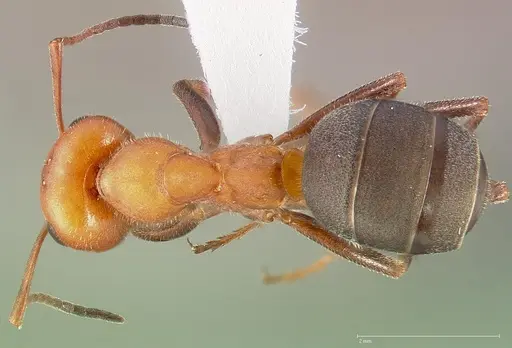
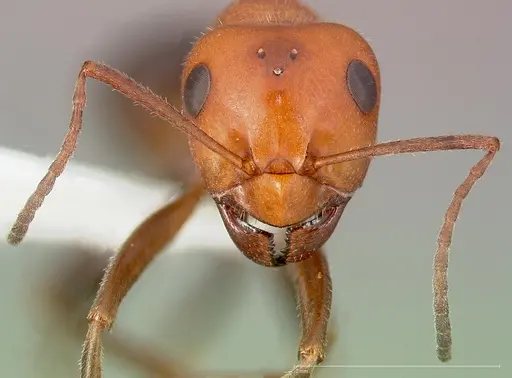
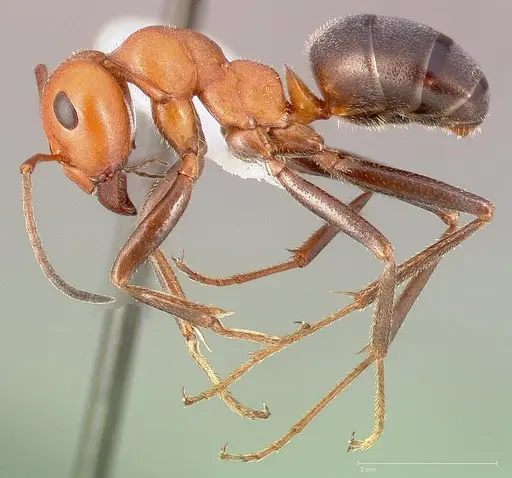
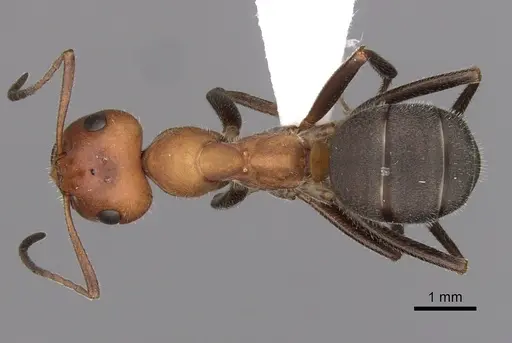
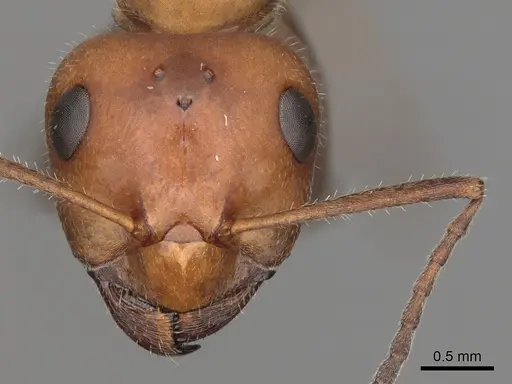
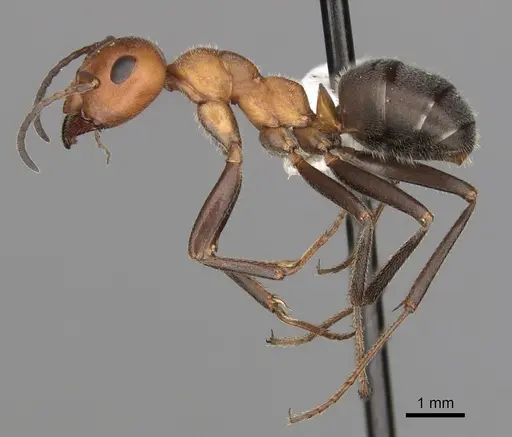
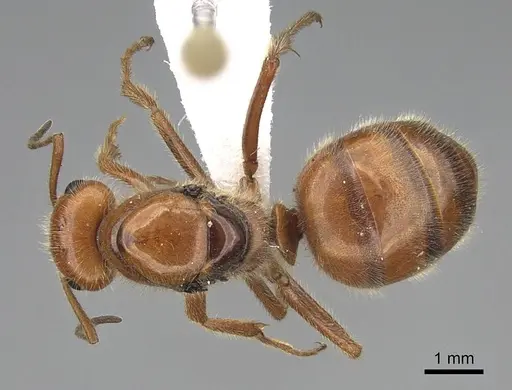
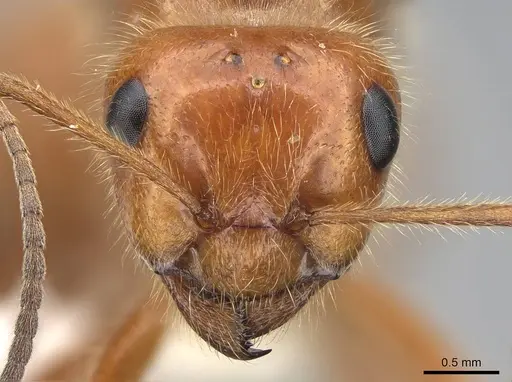
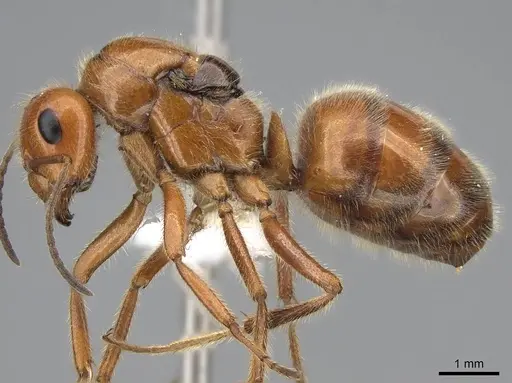
Formica oreas is a medium-sized ant belonging to the rufa species group, native to western North America. Workers measure around 5-7mm with a distinctive brownish-black gaster and the scape covered with erect hairs throughout (unlike related species that only have hairs at the tip). Queens are larger at 9-11mm. This species is known for building conspicuous thatch-mound nests made of plant debris, though they also nest under stones and logs. They range from Alberta, Canada south through the western US to New Mexico, typically found in open woodlands, meadows, and pine/aspen forests at higher elevations [1][2].
Quick Summary
- Difficulty: Medium
- Origin & Habitat: Western North America, Canada (Alberta) to US (Montana, Idaho, Oregon, Washington, Wyoming, Colorado, Utah, Nevada, North Dakota, Arizona, California, New Mexico). Found in open woods, meadows, and pine/aspen forests at elevations 6,200-9,000 feet [1][3].
- Colony Type: Polycalic colonies, forms multiple connected nests with workers moving freely between them. Part of the Formica rufa group which typically has multiple queens [3].
- Colony: Polygyne
- Founding: Claustral
- Size & Growth:
- Queen: 9-11 mm (estimated from genus patterns)
- Worker: 5-7 mm [3]
- Colony: Several thousand workers (typical for rufa group)
- Growth: Moderate
- Development: 6-8 weeks (estimated based on related Formica species) (Development occurs during warm months, brood documented in March and August in New Mexico [3])
- Antkeeping:
- Temperature: Keep around 21-24°C during active season. They naturally experience cool to moderate temperatures at high elevations, so avoid overheating. A gradient allowing cooler areas is beneficial.
- Humidity: Moderate humidity around 50-60%. They nest in areas with fine sand to rocky loam and some moisture, but not saturated. Provide a water source.
- Diapause: Yes, required during winter. Reduce temperature to 5-10°C for 3-4 months (November-February) to simulate natural dormancy. This aligns with their northern distribution and high-elevation habitat [3].
- Nesting: Thatch mounds or nesting under stones/logs with debris covering. In captivity, a naturalistic setup with a dirt chamber and access to dry thatching material works well. They need space to build and maintain thatch structures.
- Behavior: Very aggressive when disturbed, workers will readily attack and spray formic acid. They are competent predators of arthropods and tend aphids for honeydew. They use alarm pheromones from both poison and Dufour's glands to recruit nestmates to threats [2]. Escape prevention is important as they are medium-sized and active. They are not as behaviorally dominant as some related species like F. obscuripes [4].
- Common Issues: aggressive temperament means handling requires caution, formic acid spray can irritate skin and eyes, colonies may be difficult to establish from founding queens due to semi-claustral nature, may need to provision food during founding, winter diapause is essential, keeping them active year-round can weaken colonies, they are host species for the ant parasite Formicoxenus hirticornis, watch for tiny guest ants in the colony [4], polycalic colony structure means they may need more space than typical single-nest setups
Nest Preferences and Housing
In the wild, Formica oreas builds two types of nests: thatch mounds made of plant debris and detritus, or nests under stones and logs with thatching material piled on top. They prefer areas with fine sand to rocky loam soil. For captive colonies, a naturalistic setup works best, use a dirt-filled chamber or formicarium with a layer of dried grass, leaves, or other debris on top that the ants can use for thatching. They need enough space to expand their nest and move brood between areas. Test tube setups work for founding colonies, but established colonies do better in larger naturalistic setups where they can exhibit their natural thatching behavior [3].
Feeding and Diet
Formica oreas is a generalist predator and tends aphids for honeydew. Workers are aggressive hunters of various arthropods. In captivity, offer a varied diet including protein sources like small crickets, mealworms, and other insects. Sugar water, honey, or diluted honeydew can be provided as a carbohydrate source. They have been observed tending the aphid Rhopalosiphum nymphaeae in the wild [5]. Feed protein prey 2-3 times per week and keep a constant sugar source available. Remove uneaten prey after 24 hours to prevent mold.
Temperature and Seasonal Care
These ants naturally occur at high elevations (6,200-9,000 feet) in cooler western North American climates. Keep the nest around 21-24°C during the active season, avoiding temperatures above 28°C. Room temperature is often suitable. During winter, they require a true diapause, reduce temperatures to 5-10°C for 3-4 months, typically from November through February. This mimics their natural cold season and is essential for colony health. Brood development occurs during warm months, brood has been found in nests in March and August in New Mexico, indicating they raise brood seasonally [3].
Behavior and Defense
Formica oreas is notably aggressive when its nest is disturbed. Workers will swarm out to defend the colony and deliver painful bites. Their primary defense mechanism is spraying formic acid from their poison gland, each worker contains around 10,000 ng of formic acid. They also use hydrocarbons from their Dufour's gland in alarm recruitment, signaling to nestmates that help is needed [2]. When working with this species, use proper protection and avoid disturbing the nest unnecessarily. They are efficient predators of arthropods and can subdue prey much larger than individual workers through coordinated attacks.
Colony Structure and Growth
This species forms polycalic colonies, multiple nests connected by worker traffic, where workers move freely between nests and transfer brood. This is typical of the Formica rufa group, which generally has multiple queens per colony. In North Dakota, colonies were observed forming integrated clusters of nests [3]. Colony growth is moderate, expect the first workers (nanitics) 6-8 weeks after founding at warm temperatures. Colonies can grow to several thousand workers over several years. The polygynous structure means colonies can support multiple egg-laying queens, accelerating growth once established.
Frequently Asked Questions
Are Formica oreas good for beginners?
No, this species is not recommended for beginners. They are aggressive and will readily spray formic acid when disturbed, which can irritate skin and eyes. They also require proper winter diapause to stay healthy, which adds complexity to their care. Additionally, they are host to the parasitic ant Formicoxenus hirticornis, which you may need to manage.
How long does it take for Formica oreas to produce first workers?
Expect first workers (nanitics) around 6-8 weeks after the queen lays her first eggs, assuming temperatures around 21-24°C. This is typical for Formica species. Growth is moderate, the colony will expand gradually over the first year.
Do Formica oreas need hibernation?
Yes, they require a winter dormancy period. Reduce temperatures to 5-10°C from November through February (3-4 months). This mimics their natural high-elevation environment and is essential for colony health. Keeping them active year-round can weaken the colony.
Can I keep multiple Formica oreas queens together?
Yes, this species is naturally polygynous (multiple queens per colony) and forms polycalic (multiple connected nests) colonies. Unlike many ants, they do not have queen-fighting behavior. However, introducing unrelated foundress queens is still risky, they may fight until they establish a hierarchy.
What do Formica oreas eat?
They are generalist predators and honeydew collectors. Feed small insects (crickets, mealworms, fruit flies) as protein 2-3 times per week. Provide constant access to sugar water, honey, or honeydew. They will also scavenge on dead insects.
How big do Formica oreas colonies get?
Colonies can reach several thousand workers over several years. The polygynous (multi-queen) structure supports rapid once established. They form polycalic colonies with multiple nest sites connected by worker traffic.
Why are my Formica oreas dying?
Common causes include: lack of proper winter diapause (they need 3-4 months at 5-10°C), overheating (keep below 28°C), too dry conditions (they need moderate humidity), or stress from excessive disturbance. Also check for the parasitic ant Formicoxenus hirticornis, tiny guest ants that can weaken colonies.
Where is Formica oreas found in the wild?
They range from Alberta, Canada south through the western United States to New Mexico. They live in open woodlands, meadows, and pine/aspen forests at elevations of 6,200-9,000 feet. They prefer cooler climates at higher elevations.
References

This caresheet is licensed under CC BY-SA 4.0 .
Literature
Loading...Loading products...