

Formica opaciventris
- Scientific Name
- Formica opaciventris
- Tribe
- Formicini
- Subfamily
- Formicinae
- Author
- Emery, 1893
- Distribution
- Found in 1 countries
Formica opaciventris Overview
Formica opaciventris is an ant species of the genus Formica. It is primarily documented in 1 countries , including United States of America. Detailed taxonomic data and occurrence records can be further explored via authoritative databases such as AntWeb or the Global Biodiversity Information Facility (GBIF).
Formica opaciventris
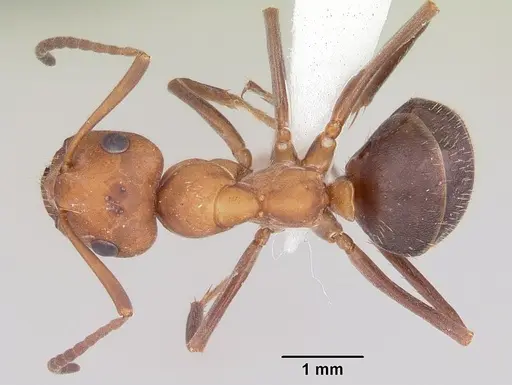
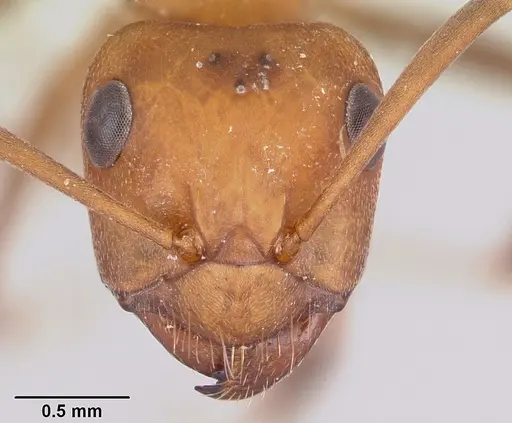
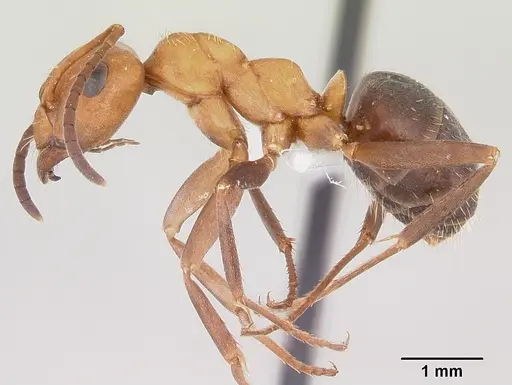
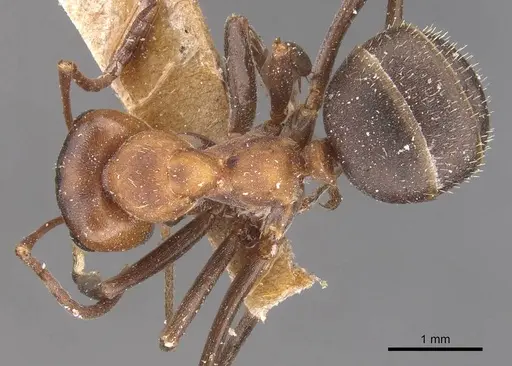
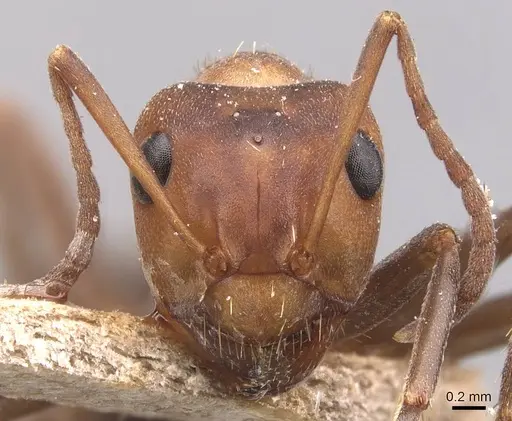
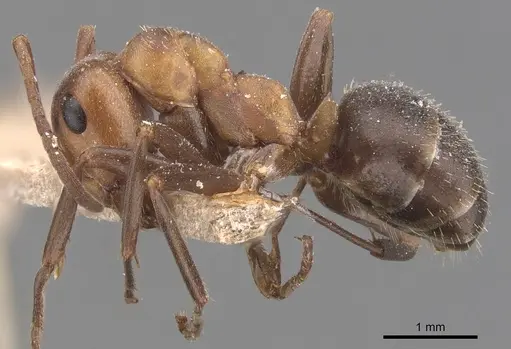
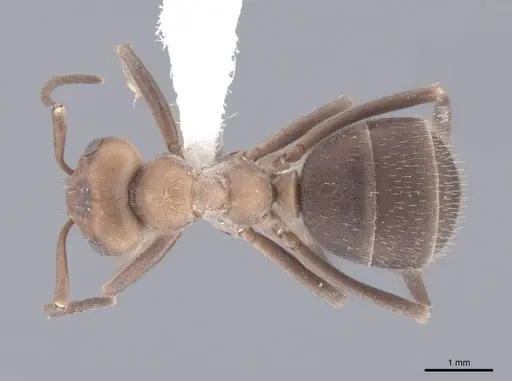
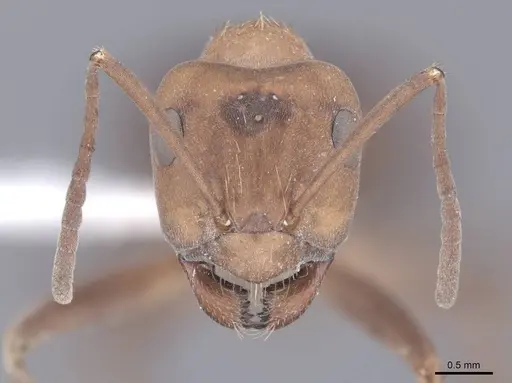
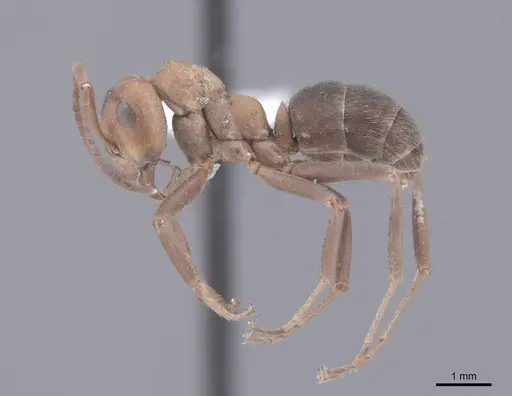
Formica opaciventris is a mound-building ant species native to western North America, found in Canada and the United States. Workers have a distinctive appearance with a concave posterior border when viewed from the front, an angulate propodeum in profile, and a red head and thorax with a dull gaster [1]. They sport several spatulate hairs on the pronotum and short bristly hairs across the body. This is an uncommon and ecologically conservative grassland species that builds soil mounds, sometimes with thatching material [2]. The species was originally described as a variety of Formica exsectoides before being raised to full species status by Creighton in 1950.
Quick Summary
- Difficulty: Medium
- Origin & Habitat: Western North America, specifically documented in New Mexico and North Dakota [3][4]. This is a grassland species that lives in soil mounds or mounds with some thatching, found in sagebrush scrub and meadows up to the edge of forests [2].
- Colony Type: Polygynous, multiple queens per colony [5]. Forms discrete systems with regularly spaced nests and no internidal runways between mounds [6]. This polydomous structure means colonies occupy multiple connected mounds rather than a single nest.
- Colony: Polygyne
- Founding: Claustral
- Size & Growth:
- Queen: Estimated 7-9mm based on related Formica species
- Worker: 4-7mm [1]
- Colony: Large colonies typical of mound-building Formica, likely hundreds to thousands of workers
- Growth: Moderate, typical for Formica genus
- Development: Estimated 6-8 weeks at optimal temperature based on genus patterns (Development time inferred from typical Formica development, specific data for this species unavailable)
- Antkeeping:
- Temperature: Keep at room temperature around 20-24°C. As a temperate grassland species from higher elevations, they can tolerate cooler conditions than tropical ants but prefer warmth for active foraging [2].
- Humidity: Moderate humidity around 50-60%. Mound-building ants prefer drier conditions than many forest-dwelling species. Provide a water tube but avoid overly damp substrates.
- Diapause: Yes, as a temperate species from northern latitudes, colonies require a winter hibernation period. Reduce temperature to 5-10°C for 3-4 months during winter.
- Nesting: Y-tong (AAC) nests or plaster formicariums work well. These are large ants that need spacious nest chambers. A naturalistic setup with soil mounds can also work but is harder to maintain in captivity.
- Behavior: Workers are active foragers that tend aphids for honeydew, this is a key part of their diet [7]. They are not particularly aggressive toward keepers but will defend the nest if threatened. As large mound-builders, they have a strong bite but minimal sting. Escape risk is moderate, they are large enough that standard formicarium barriers work well, but they are active and may explore potential escape routes.
- Common Issues: colonies are polygynous, multiple queens may cause initial tension when establishing, though these ants naturally tolerate multi-queen arrangements, winter diapause is essential for this temperate species, skipping hibernation can weaken or kill colonies over time, honeydew is a primary food source, ensure reliable access to sugar sources or aphid farms, large colony size means they need significant space as they grow, plan for expansion, polydomous nature in the wild means they may try to establish secondary chambers away from the main nest
Nest Preferences and Housing
Formica opaciventris naturally builds soil mounds in grassland habitats, often with thatching material made from grass and plant debris. In captivity, they adapt well to Y-tong (acrylic) nests or plaster formicariums with chambers large enough for their substantial worker force. Because they are polygynous (multiple queens), they may accept multiple nest chambers connected together, this reflects their polydomous nature in the wild where colonies maintain several regularly spaced mounds. Provide a water tube for humidity and ensure the nest has some darker areas where queens can seal themselves during founding. A test tube setup works for founding colonies, but be prepared to move them to larger housing as the colony grows. [4][6][2]
Feeding and Diet
These ants are classic honeydew collectors, they tend aphids and consume the sugary honeydew as a primary food source [7]. They are mutualistic with aphids including Aphis asclepiadis and Aphis medicaginis [7]. In captivity, offer sugar water or honey regularly, and supplement with protein from insects like crickets, mealworms, or other small arthropods. Workers will forage actively and can tackle prey items larger than themselves. Feed protein 2-3 times per week and keep a constant sugar source available. Unlike some specialized predators, these ants are generalists that readily accept most ant foods.
Temperature and Seasonal Care
As a temperate species from northern latitudes, Formica opaciventris requires a winter diapause period. During active season (spring through fall), keep nest temperatures around 20-24°C, they can tolerate some variation but prefer moderate warmth. In winter, reduce temperature to approximately 5-10°C and maintain this for 3-4 months. This hibernation period is essential for colony health and reproduction. Do not skip diapause as it can weaken queens and reduce colony longevity. In the wild, these ants are found in sagebrush scrub and meadows up to forest edges, suggesting they are adapted to seasonal temperature swings. [2]
Colony Structure and Behavior
This species is polygynous, meaning colonies naturally have multiple queens working together [5]. They form discrete systems with regularly spaced nests, in the wild, mounds are organized without internidal runways connecting them [6]. This polydomous structure means a single colony may maintain several mounds. Workers are active foragers that venture out to tend aphids and collect food. They are not particularly aggressive toward humans but will defend their nest vigorously if disturbed. The species is iteroparous, queens mate multiple times and return to the nest after mating [8]. Workers have lost reproductive totipotency, meaning they cannot lay fertilized eggs, only queens reproduce [9].
Frequently Asked Questions
Can I keep multiple Formica opaciventris queens together?
Yes, this species is naturally polygynous, meaning multiple queens can coexist in a single colony [5]. Unlike many ant species where multiple queens lead to fighting, Formica opaciventris is adapted to multi-queen colonies. However, when combining unrelated foundress queens, introduce them carefully in a spacious setup with multiple chambers.
How long does it take for Formica opaciventris to raise first workers?
Based on typical Formica development patterns, expect first workers (nanitics) approximately 6-8 weeks after the queen lays eggs, assuming temperatures around 22-24°C. The claustral queen seals herself in and raises the brood alone without foraging, she lives off stored fat reserves until the first workers emerge.
What do Formica opaciventris eat?
They primarily consume honeydew from aphids, this is a key part of their diet [7]. In captivity, offer sugar water or honey as a constant food source, plus protein from insects like crickets, mealworms, or fruit flies. They are generalist feeders and readily accept most ant foods.
Do Formica opaciventris need hibernation?
Yes, as a temperate species from northern latitudes, they require a winter diapause period. Reduce temperatures to 5-10°C for 3-4 months during winter. Skipping hibernation can weaken the colony and reduce queen longevity.
Are Formica opaciventris good for beginners?
This is a medium-difficulty species. They are more forgiving than tropical ants because they tolerate cooler temperatures and can handle hibernation. However, their polygynous nature and large colony size require some experience. They are not the hardest Formica species but also not ideal as a first ant.
When do Formica opaciventris have nuptial flights?
Based on related Formica species and limited data from North Dakota, nuptial flights occur in July, typically between 7:00-10:00 a.m. Males significantly outnumber queens, roughly 18:1 ratio. Only a small percentage of fertile mounds produce both sexes.
How big do Formica opaciventris colonies get?
As a mound-building Formica species, colonies can reach several thousand workers. They are polydomous in the wild, maintaining multiple regularly spaced mounds. In captivity, expect colonies to grow to several hundred workers within a year or two with good care.
What size nest do I need for Formica opaciventris?
Start with a test tube for the founding queen, then move to a Y-tong or plaster formicarium with multiple chambers as the colony grows. These are large ants that need room, a small formicarium will quickly become overcrowded. Plan for expansion from the start.
Why is my Formica opaciventris colony declining?
Common causes include: skipping winter diapause, insufficient sugar/honeydew access, too dry or too wet conditions, or stress from disturbance. Check that they have constant sugar water, proper humidity, and ensure you are providing a hibernation period. Also verify no mold issues in the nest.
References

This caresheet is licensed under CC BY-SA 4.0 .
Literature
Loading...Loading products...