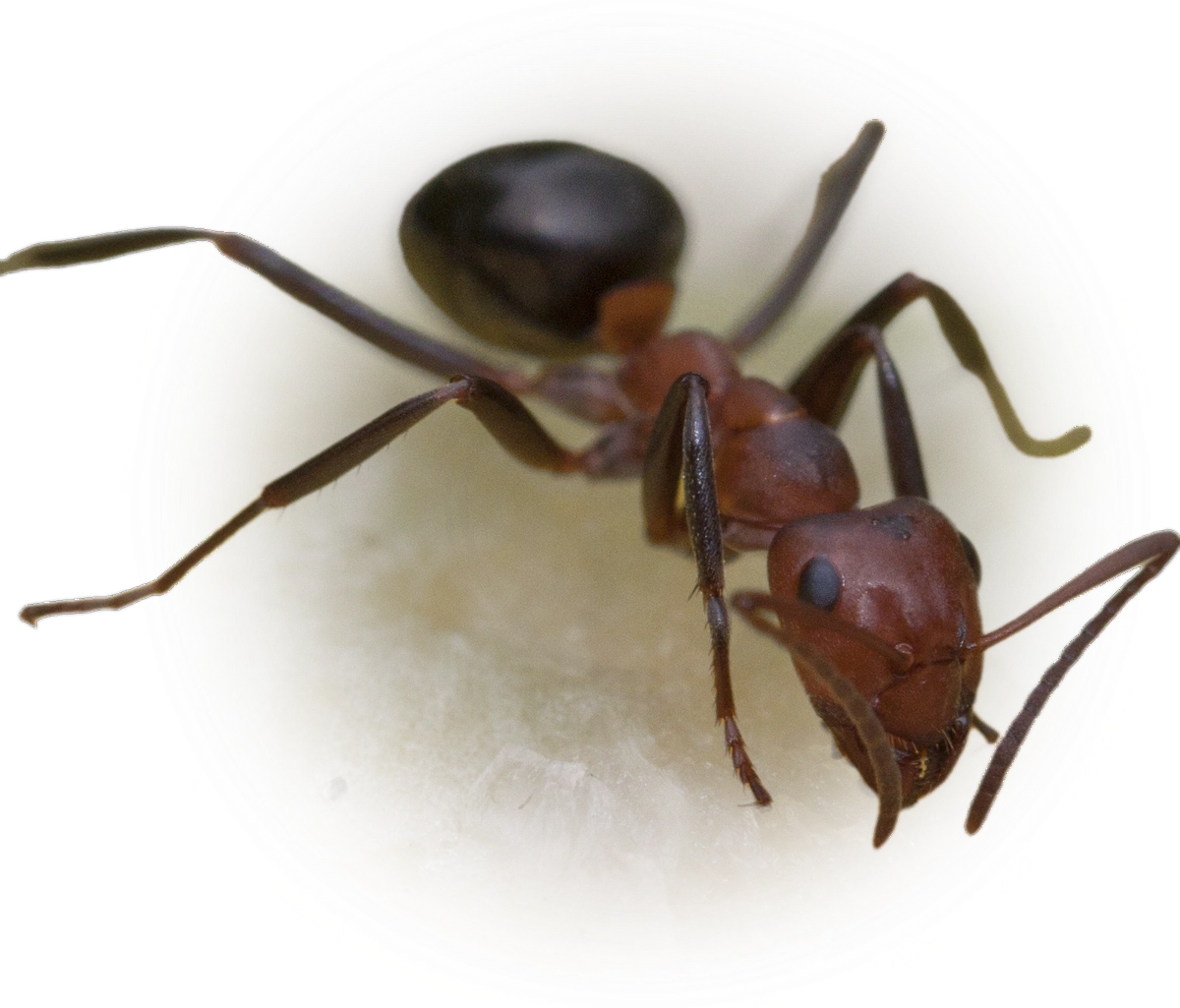

Formica exsectoides
- Scientific Name
- Formica exsectoides
- Tribe
- Formicini
- Subfamily
- Formicinae
- Author
- Forel, 1886
- Common Name
- Allegheny Mound Ant
- Distribution
- Found in 2 countries
Formica exsectoides Overview
Formica exsectoides (commonly known as the Allegheny Mound Ant) is an ant species of the genus Formica. It is primarily documented in 2 countries , including Canada, United States of America. Detailed taxonomic data and occurrence records can be further explored via authoritative databases such as AntWeb or the Global Biodiversity Information Facility (GBIF).
Formica exsectoides - "Allegheny Mound Ant"
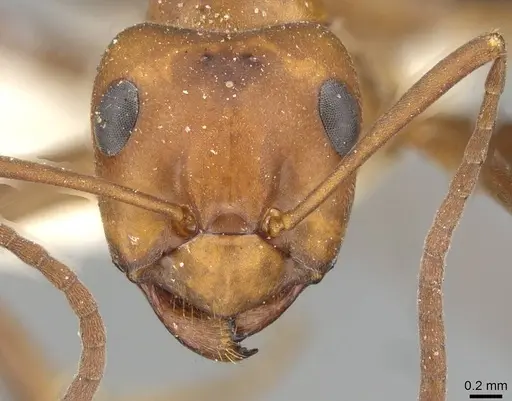
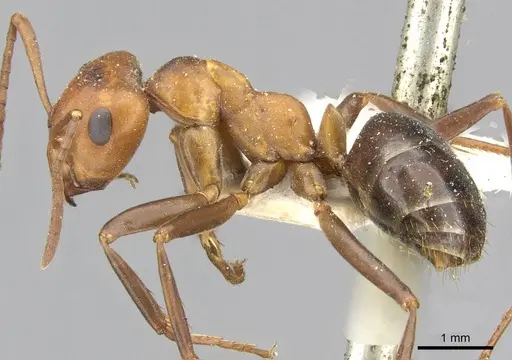
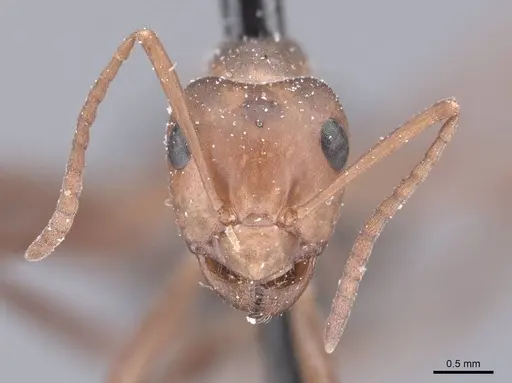
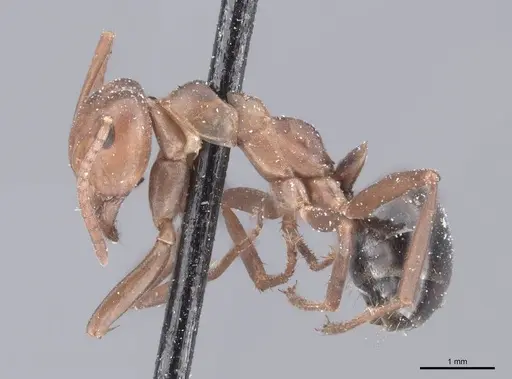
Formica exsectoides is a large, striking ant native to eastern North America. Workers measure 5-7.5mm with a distinctive bicolored appearance, the head and mesosoma are reddish while the gaster is black [1]. These ants are famous for building massive interconnected networks of conical earth mounds that can stretch for meters and reach over a meter in height [2][3]. A single colony can contain hundreds of nests with millions of workers and many queens [2]. This is a temporary parasitic species, new queens must infiltrate and take over host colonies of related Formica species to establish their own colonies. Workers are extremely aggressive and will vigorously defend their nests by biting and spraying formic acid [4].
Quick Summary
- Difficulty: Expert
- Origin & Habitat: Eastern North America, found throughout the United States, southern Canada, and into northern Mexico. Inhabits mountain meadows, juniper woodlands, grasslands, and ponderosa pine forests [5]. Prefers relatively open forest and forest edge habitats with good sunlight for mound building [2][6].
- Colony Type: Polygynous (multiple-queen) colonies with polydomous structure, hundreds of interconnected nests spanning large territories. Queens are adopted from natal colonies, creating extensive supercolonies that can persist for decades [5]. Queenless worker reproduction has been documented [7].
- Colony: Polygyne, Supercolonial
- Queen: Temporary parasitic
- Size & Growth:
- Queen: 9mm [1]
- Worker: 5-7.5mm [1][8]
- Colony: Colonies can reach hundreds of nests with millions of workers [2]. Maximum documented around 240,000 workers in a single colony [9].
- Growth: Moderate
- Development: 6-8 weeks (estimated based on related Formica species) (Development occurs faster in warmer mound sections, mounds maintain 25-30°C in the upper portions during summer [10].)
- Antkeeping:
- Temperature: Keep nest area at 24-28°C. These ants naturally maintain elevated temperatures in their mound structures (25-30°C in upper mound regions) [10]. A heating cable on one side of the nest creates an appropriate gradient.
- Humidity: Moderate humidity. Mounds are built in relatively open, well-drained areas. Keep substrate moist but not waterlogged, avoid the damp, stagnant conditions that can kill colonies.
- Diapause: Yes, requires winter hibernation. These are temperate species that experience cold winters. Reduce temperature to 5-10°C for 3-4 months during winter months.
- Nesting: Large formicarium or naturalistic setup with multiple connected chambers. In nature they build extensive tunnel networks in earth mounds. Y-tong or plaster nests work well, but you'll need significantly more space than typical ant setups due to their polydomous nature. Provide soil or sand for mound-building behavior.
- Behavior: Extremely aggressive when disturbed, workers will immediately swarm and attack, biting and spraying formic acid [4]. They are omnivorous foragers that collect honeydew from aphids and membracids, plus small prey [11]. Uses group recruitment for food discovery. Escape risk is moderate, large workers are easy to contain with standard barriers, but their aggressive defense means any escape is immediately noticeable. Polydomous colonies will readily establish new nest sites when conditions allow.
- Common Issues: temporary parasitic founding is extremely difficult in captivity, queens need a host colony to succeed, polygynous structure means multiple egg-laying queens, colony dynamics are complex, colony can grow massive with hundreds of nests, requires enormous space commitment, extreme aggression makes feeding and maintenance risky without proper protection, queenless worker reproduction may complicate colony management if queen dies
Colony Founding - The Temporary Parasite Strategy
Formica exsectoides uses a temporary parasitic founding strategy that makes captive breeding extremely challenging. Newly mated queens cannot found colonies independently like claustral species. Instead, they must locate and infiltrate an established nest of a related host species, typically Formica fusca or Formica subsericea [5]. Once inside the host nest, the queen finds and kills the host queen, then uses the host workers to raise her first brood. Over time, the host workers are gradually replaced by F. exsectoides workers until the colony is entirely composed of the parasitic species [5]. This process can take months or even years. For antkeepers, this means you cannot simply keep a mated queen in a test tube, you would need to establish a host colony first, then introduce the queen. This is advanced technique that few hobbyists attempt.
Feeding and Diet
These ants are omnivorous with a strong preference for sugary liquids and protein. Workers collect large quantities of honeydew from aphids and membracids in nature [11][3]. They also hunt small insects and other prey. In captivity, offer sugar water or honey water constantly, their large crop can hold significant liquid reserves [4]. For protein, provide insects like mealworms, crickets, or other appropriately sized prey twice weekly. The crop of Formica ants is specialized for liquid food storage, workers can carry substantial amounts of sugar water back to share with the colony. Avoid overfeeding protein as it can lead to mold issues in the nest.
Temperature and Seasonal Care
Keep the nest environment at 24-28°C for optimal brood development. In their natural mound colonies, workers actively regulate temperature by moving brood between different depths, warmer areas (25-30°C) near the mound surface for developing brood, cooler areas deeper in the ground for overwintering [10]. Provide a temperature gradient so ants can choose their preferred conditions. During winter (roughly November through March in the Northern Hemisphere), reduce temperatures to 5-10°C to induce hibernation. This cold period is essential for colony health and triggers reproductive cycles in spring. Do not skip hibernation, it can cause long-term health problems for the colony.
Aggressive Defense and Safety
Formica exsectoides workers are among the most aggressive in the ant-keeping hobby. When a nest is disturbed, workers immediately swarm out biting and spraying formic acid from their poison gland [4]. The formic acid spray is potently irritating and can cause discomfort. When working with these ants, always use proper protection, long sleeves, gloves, and eye protection. Their large size and powerful bite make them more intimidating than small ants. The good news is their aggression means you'll immediately know if there's an escape, unlike tiny ants that slip through unnoticed, these will attack anything that enters their territory. Use standard barrier techniques like fluon on test tube rims, but understand that any breach will be defended aggressively.
Polydomous Colony Structure
Unlike most ant species that maintain a single nest, F. exsectoides naturally forms polydomous colonies, networks of dozens to hundreds of interconnected mounds [2]. A single colony recorded by McCook had 1500-1600 nests [1]. This polydomous structure develops through 'budding', when a colony grows large enough, queens are adopted and new nests are established nearby, eventually forming a connected network [12]. In captivity, this means providing multiple connected nest areas or accepting that the ants will try to expand beyond single enclosures. The colony will also produce new queens annually that may be adopted back into the colony or establish new satellite nests. This complex social structure is part of what makes them fascinating but challenging to keep.
Frequently Asked Questions
Is Formica exsectoides good for beginners?
No, this species is not recommended for beginners. They are temporary parasitic ants that require a host colony to establish, making captive founding extremely difficult. Their massive colony size potential, polydomous structure, and extreme aggression also present significant challenges. This is an expert-level species.
How do I start a Formica exsectoides colony?
You cannot start a colony the traditional way (queen in a test tube). These ants use temporary social parasitism, the queen must infiltrate and take over a host Formica colony (like F. fusca or F. subsericea). This requires establishing a host colony first, then introducing the parasitic queen. This technique is advanced and rarely attempted in captivity.
How large do Formica exsectoides colonies get?
Extremely large. In the wild, colonies can have hundreds of nests with millions of workers [2]. A documented maximum is around 240,000 workers in a single colony [9]. Be prepared for colonies that will dwarf typical ant setups.
What temperature do Formica exsectoides need?
Keep the nest at 24-28°C. In nature, their mounds maintain 25-30°C in the upper portions where brood develops [10]. Provide a temperature gradient so ants can regulate their own conditions. They also need a winter hibernation period of 3-4 months at 5-10°C.
Can I keep multiple Formica exsectoides queens together?
Yes, this species is naturally polygynous (multiple egg-laying queens per colony) [7]. Queens are adopted from natal colonies and integrated into the existing colony structure. However, introducing unrelated queens to an established colony is risky and may trigger aggression.
What do Formica exsectoides eat?
They are omnivorous. Offer sugar water or honey constantly, their large crop allows them to store significant liquid reserves [4]. For protein, feed insects like mealworms, crickets, or other appropriately sized prey 2-3 times per week. They also collect honeydew in the wild.
Do Formica exsectoides need hibernation?
Yes. As a temperate species native to eastern North America, they require a winter dormancy period. Reduce temperatures to 5-10°C for approximately 3-4 months during winter. Skipping hibernation can cause health problems and prevent proper reproductive cycles.
Why are my Formica exsectoides dying?
Common causes include: incorrect founding (queen needs host colony), improper temperature/humidity, lack of hibernation, or stress from disturbance. These ants are sensitive to nest conditions and can decline rapidly if stressed. Their aggressive nature also means they may attack and injure themselves when defending against frequent disturbances.
When do Formica exsectoides have nuptial flights?
Based on limited data, flight season appears to be mid-summer. Specimens have been observed flying in Massachusetts around August 6 and in Tennessee around July 9 [13]. This is approximate data from limited observations.
Are Formica exsectoides invasive?
No, they are native to eastern North America. Their range extends from Canada through the United States into northern Mexico. They are not considered invasive anywhere.
What makes Formica exsectoides different from other Formica species?
They are one of the few North American Formica species that builds prominent conical earth mounds (like their European relatives F. rufa). They also have the most complex polydomous colony structure, with some colonies spanning hundreds of meters with thousands of interconnected nests. Their temporary parasitic founding is also distinctive among North American Formica.
References

This caresheet is licensed under CC BY-SA 4.0 .
CASENT0104768
View on AntWeb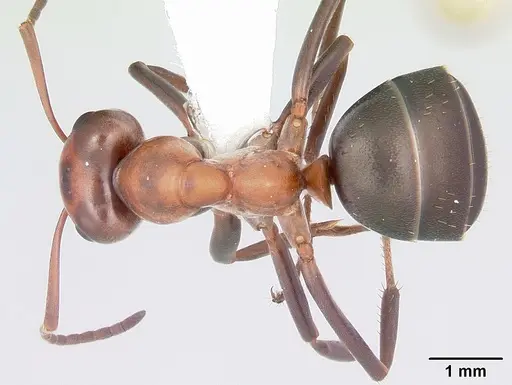
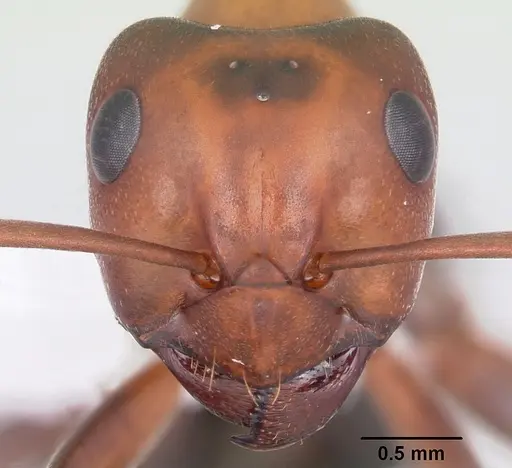
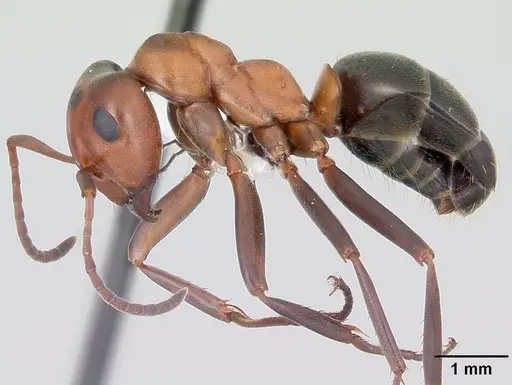
CASENT0105550
View on AntWeb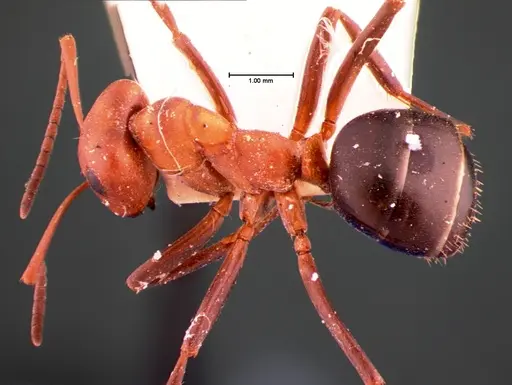
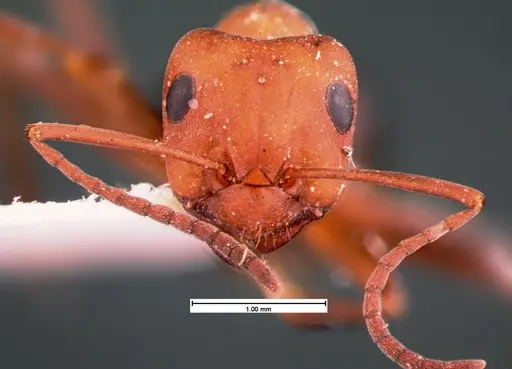
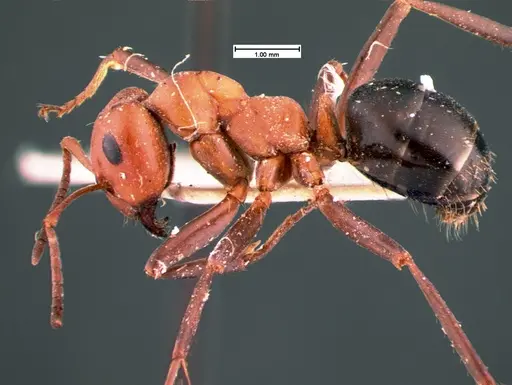
CASENT0911093
View on AntWeb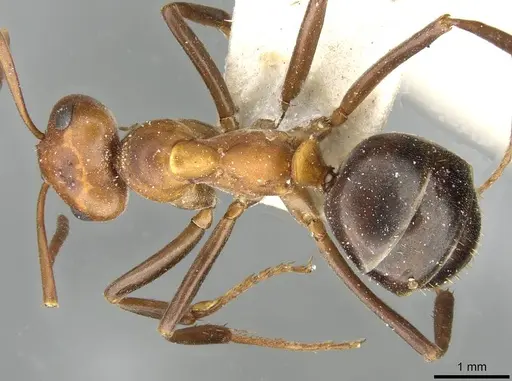
FMNHINS0000046254
View on AntWeb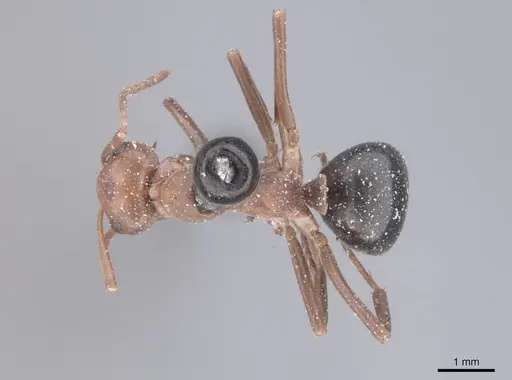
Literature
Loading...Loading products...