

Formica obtusopilosa
- Scientific Name
- Formica obtusopilosa
- Tribe
- Formicini
- Subfamily
- Formicinae
- Author
- Emery, 1893
- Common Name
- Blunt-haired Mound Ant
- Distribution
- Found in 2 countries
Formica obtusopilosa Overview
Formica obtusopilosa (commonly known as the Blunt-haired Mound Ant) is an ant species of the genus Formica. It is primarily documented in 2 countries , including Canada, United States of America. Detailed taxonomic data and occurrence records can be further explored via authoritative databases such as AntWeb or the Global Biodiversity Information Facility (GBIF).
Formica obtusopilosa - "Blunt-haired Mound Ant"
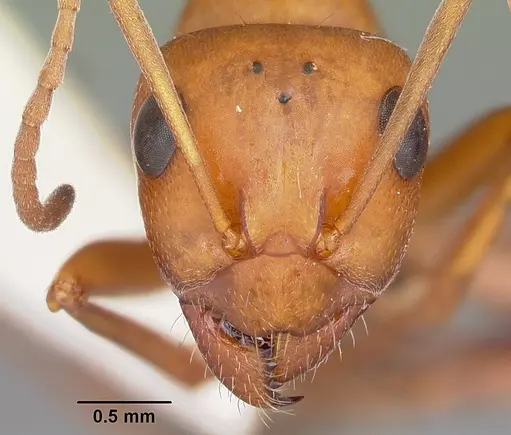
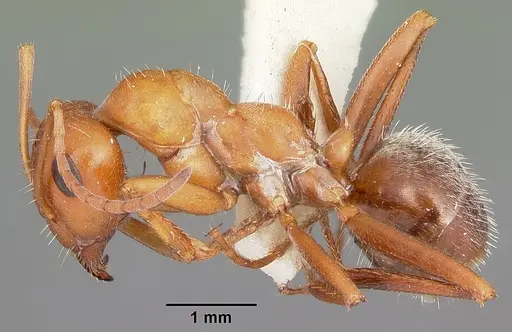
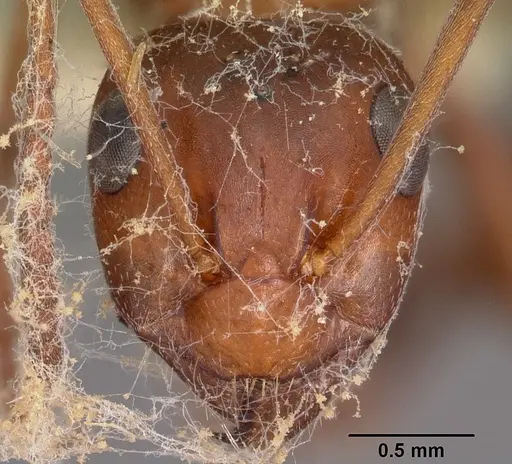
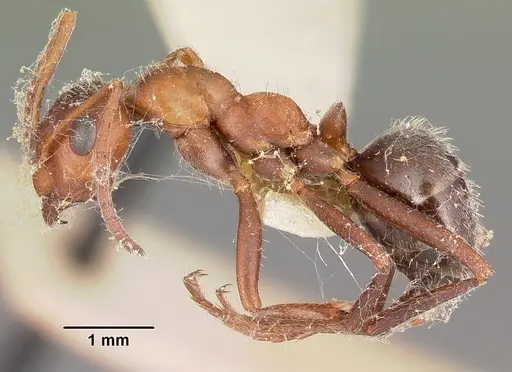
Formica obtusopilosa is a medium-sized bicolored ant native to western North America, ranging from Minnesota and Alberta south to Nebraska, Nevada, Utah, and New Mexico, with populations extending into northern Mexico [1]. Workers display a distinctive appearance with a dark brown to black gaster and lighter yellowish-red alitrunk and head, covered in dense gastric pubescence and erect whitish to yellowish hairs. This species was historically classified in the sanguinea group due to a notch in its clypeus (the face plate), but recent genetic research has revealed it actually belongs to the neogagates group and evolved this feature independently [2]. Colonies are relatively small, typically containing only a few hundred workers, and nest in soil under stones or in small earthen mounds in fine sandy or loam soils.
Quick Summary
- Difficulty: Medium
- Origin & Habitat: Western North America, found from Minnesota to Alberta southward to Nebraska, Nevada, Utah, and New Mexico, plus northern Mexico. Inhabits sagebrush scrub through meadows, irrigated plains, and pinyon-juniper forests up to aspen elevations, including dry semi-desert areas. In Nevada, most colonies occur between 6,000-8,000 feet elevation in cool desert and pinyon-juniper biomes [1][3].
- Colony Type: Monogyne (single-queen colonies). Queens establish colonies independently rather than through social parasitism, unlike true sanguinea group species [2].
- Colony: Monogyne
- Founding: Claustral
- Size & Growth:
- Queen: Estimated 7-9mm based on genus Formica patterns
- Worker: Medium-sized, approximately 5-7mm [1]
- Colony: A few hundred workers, likely under 500 [1]
- Growth: Moderate, based on typical Formica development patterns
- Development: Estimated 6-8 weeks at optimal temperature based on related Formica species (Development time inferred from genus-level data, specific timing for this species has not been directly studied)
- Antkeeping:
- Temperature: Keep at room temperature (20-24°C). This species tolerates a range from cool mountain elevations to warmer desert conditions, so standard room temperature works well. A slight gradient is beneficial but not required.
- Humidity: Moderate humidity. Provide a water tube and keep the nest substrate lightly moist but not waterlogged. These ants naturally nest in areas with variable moisture, so avoid overly damp conditions.
- Diapause: Yes, these ants are adapted to temperate climates with cold winters. Provide a winter rest period at 5-10°C for 3-4 months, similar to other North American Formica species.
- Nesting: Test tubes work well for founding colonies. For established colonies, use a Y-tong (AAC) or plaster nest with chambers scaled to their medium size. They naturally nest under stones or in small earthen mounds, so provide some cover and darker nesting areas. Avoid overly humid setups as they prefer moderately dry conditions.
- Behavior: Workers are fast-moving and erratic, they stop suddenly and change direction frequently. While small colonies may be timid, populous colonies become very aggressive and will readily defend against threats. They forage rapidly across exposed soil surfaces in sunny areas. Workers are medium-sized and capable climbers, so escape prevention should be moderate, they are not as prolific escape artists as tiny ants but still require attention [3][1].
- Common Issues: aggressive behavior in established colonies can make feeding and maintenance challenging, use caution when opening nests, small colony size means slower population growth and less buffer against mistakes, erratic movement makes them harder to observe than slower ant species, winter diapause is essential, skipping hibernation will weaken or kill colonies over time, wild-caught colonies may contain parasites or mixed species (documented with F. aserva, F. argenta, F. lasioides, and Myrmica)
Nest Preferences and Housing
In the wild, Formica obtusopilosa nests in soil under stones or constructs small earthen mounds with crater-shaped entrances, typically in fine sandy or loam soils. The craters range from 5-19 cm in diameter with entrance holes of 5-25 mm [1]. For captive care, test tubes work perfectly well for queen founding and small colonies. As the colony grows, transfer to a Y-tong (AAC) formicarium or a plaster nest with medium-sized chambers. These ants do best with some covered areas in the nest since they naturally nest under objects. Avoid overly humid setups, keep the nest moderately dry with a water tube for drinking access only. A small outworld area with a sand or soil substrate mimics their natural foraging environment and allows you to observe their characteristic erratic movement patterns.
Feeding and Diet
Like other Formica species, these ants are opportunistic feeders with a diet including honeydew from aphids, nectar, and insects. In captivity, offer sugar water or honey as a constant energy source. For protein, provide small insects like fruit flies, small crickets, or mealworms. They are aggressive foragers and will quickly recruit to food sources. The erratic movement pattern extends to their foraging, workers race across surfaces, stop abruptly, and change direction before continuing. Feed protein 2-3 times per week and keep sugar water available at all times. Remove uneaten prey after 24 hours to prevent mold. Based on related species' aphid associations, they likely tend aphids in captivity if given the opportunity [4].
Temperature and Seasonal Care
This species tolerates a wide temperature range in the wild, from cool mountain elevations (6,000-8,000 feet in Nevada) to warmer desert conditions. In captivity, room temperature (20-24°C) is ideal. They can tolerate slight variations, but avoid extremes. During the active season (spring through fall), normal room temperature is sufficient. Come winter, they require a diapause period, reduce temperatures to 5-10°C for 3-4 months to simulate their natural cold season. This hibernation period is essential for colony health and reproductive success. Place the colony in a cool location like a garage or basement during winter. Do not feed during diapause but ensure they have access to water. [1]
Behavior and Colony Dynamics
Formica obtusopilosa exhibits distinctive behavioral traits that set it apart from many other Formica species. Workers are described as fast and timid in small colonies but become aggressive once the colony grows populous. Their movement is notably erratic, they frequently stop suddenly and change direction, making them appear nervous or alert. This is a medium-sized Formica species with colonies reaching only a few hundred workers, making them less impressive in numbers than species like Formica rufa. Queens establish colonies independently through claustral founding (sealing themselves in a chamber and raising the first workers alone), not through social parasitism as was previously thought based on their morphological similarity to the sanguinea group [2]. The colony structure is monogyne with a single founding queen that may be replaced by ergatoid (wingless) queens if she dies, though this hasn't been specifically documented for this species.
Frequently Asked Questions
Is Formica obtusopilosa a slavemaker?
No. Despite being previously classified in the sanguinea group (which contains true slavemakers), recent genetic research shows F. obtusopilosa is actually closely related to the neogagates group and is NOT a slavemaker. Queens found colonies independently without needing host workers [2].
How long does it take for Formica obtusopilosa to produce first workers?
Based on typical Formica development patterns, expect first workers (nanitics) approximately 6-8 weeks after the queen lays eggs, assuming room temperature around 22°C. This is an estimate based on related species, as specific development timing for F. obtusopilosa has not been documented.
How big do Formica obtusopilosa colonies get?
Colonies remain relatively small compared to many other Formica species, typically reaching only a few hundred workers (likely under 500). This is one of the smaller North American Formica species [1].
Do Formica obtusopilosa need hibernation?
Yes. These ants are adapted to temperate climates with cold winters and require a winter diapause. Keep them at 5-10°C for 3-4 months during winter. Skipping hibernation will weaken the colony and may prevent reproduction.
Are Formica obtusopilosa good for beginners?
This species is rated as medium difficulty. While colony founding is straightforward (claustral queen), their aggressive temperament when established and relatively slow colony growth may challenge beginners. Their erratic movement can also make them harder to observe than more deliberate species.
What should I feed Formica obtusopilosa?
Offer sugar water or honey constantly for energy, plus protein sources like small insects (fruit flies, pinhead crickets, mealworms) 2-3 times per week. They are likely to tend aphids if given access to them, similar to other Formica species.
Can I keep multiple Formica obtusopilosa queens together?
No. This species is monogyne, meaning colonies have a single queen. Unlike some Formica species, they do not form multi-queen colonies. Attempting to introduce additional queens will result in fighting.
Where is Formica obtusopilosa found in the wild?
This species lives in western North America, from Minnesota and Alberta south to Nebraska, Nevada, Utah, New Mexico, and northern Mexico. They inhabit areas from sagebrush scrub to pinyon-juniper forests, typically at elevations between 6,000-8,000 feet [1].
Why does my Formica obtusopilosa move so erratically?
This is normal behavior for the species. Workers are described as 'erratic' in the scientific literature, they run quickly, then suddenly stop and change direction. This is a species characteristic, not a sign of stress or illness.
References

This caresheet is licensed under CC BY-SA 4.0 .
CASENT0104686
View on AntWeb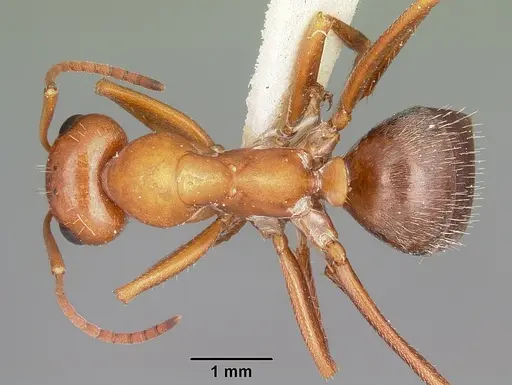
CASENT0104687
View on AntWeb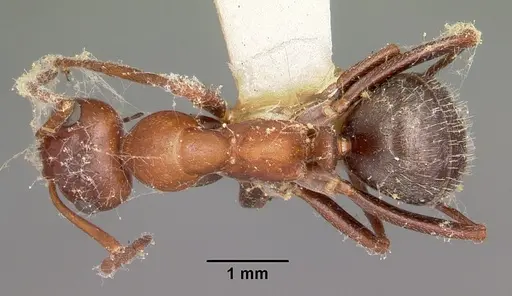
Literature
Loading...Loading products...