

Formica mucescens
- Scientific Name
- Formica mucescens
- Tribe
- Formicini
- Subfamily
- Formicinae
- Author
- Wheeler, 1913
- Distribution
- Found in 1 countries
Formica mucescens Overview
Formica mucescens is an ant species of the genus Formica. It is primarily documented in 1 countries , including United States of America. Detailed taxonomic data and occurrence records can be further explored via authoritative databases such as AntWeb or the Global Biodiversity Information Facility (GBIF).
Formica mucescens
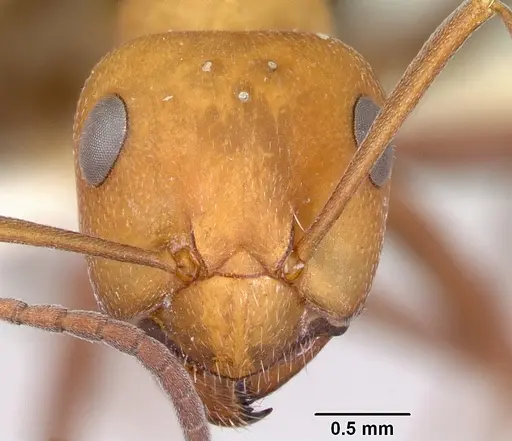
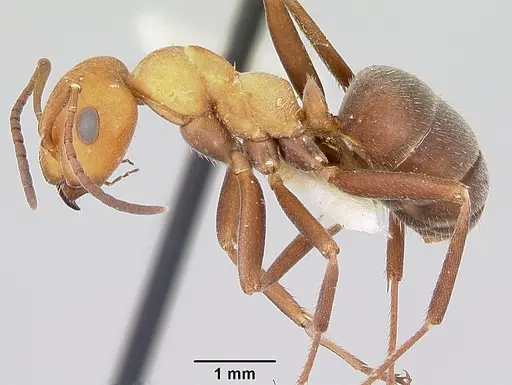
Formica mucescens is a medium-sized ant belonging to the rufa group, native to the western United States (Utah and Colorado). Workers are polymorphic, ranging from 4-9mm, with the characteristic rufa group appearance: dark body with varying amounts of red on the head and mesosoma. The species is identified by having few hairs on the tibiae (restricted to two rows on the flexor surface) and a gaster covered with short, bristly hairs [1]. These ants inhabit open prairies up to ponderosa pine forests, nesting under stones or logs with passages running into the soil. They use moderate thatching behavior, though large domed nests are rarely produced [1].
Quick Summary
- Difficulty: Medium
- Origin & Habitat: Western United States (Utah and Colorado). Found in open prairies up to ponderosa pine forests [1].
- Colony Type: Monogyne (single-queen) colonies. The rufa group typically forms single-queen colonies with one dominant reproductive [1].
- Colony: Monogyne
- Founding: Claustral
- Size & Growth:
- Queen: Estimated 9-11mm based on rufa group patterns
- Worker: 4-9mm polymorphic [1]
- Colony: Estimated several thousand workers based on rufa group size
- Growth: Moderate
- Development: 6-8 weeks at optimal temperature based on typical Formica development (Development time follows typical Formica rufa group patterns, exact timing for F. mucescens specifically is unconfirmed)
- Antkeeping:
- Temperature: Keep at 20-24°C. Room temperature is often suitable for this temperate species. A slight gradient allowing warmer areas (up to 26°C) is beneficial for brood development.
- Humidity: Moderate humidity (40-60%). These ants naturally nest in soil under stones in areas with moderate cover, suggesting they tolerate drier conditions than many forest-dwelling ants. Provide a water tube but avoid overly wet conditions [1].
- Diapause: Yes. As a temperate species from high-altitude habitats, they require a winter dormancy period of 3-4 months at 5-10°C (like a refrigerator) to trigger proper reproductive cycles.
- Nesting: Y-tong or naturalistic setups work well. They naturally nest under stones or logs with soil passages, so a formicarium with soil chambers or a test tube setup with access to a foraging area is appropriate. Provide some thatching materials (dry grass, small twigs) if they show thatching behavior [1].
- Behavior: Generally calm temperament compared to some Formica species. Workers are active foragers that will readily explore and collect food. They are not particularly aggressive but will defend the nest if threatened. Escape risk is moderate, standard barrier methods (fluon on rim, tight-fitting lids) are sufficient for these medium-sized ants. Workers can squeeze through small gaps, so inspect all connections and openings regularly.
- Common Issues: hibernation failure, colonies that don't receive proper winter dormancy often fail to produce brood the following season, thatching behavior can obscure viewing, provide materials if you want to observe this natural behavior, queen loss during founding, claustral queens sometimes die without clear cause, this is a known risk with Formica founding, overheating, direct sunlight or heating cables can quickly kill colonies, always provide a temperature gradient, parasites, wild-caught colonies may introduce parasitic mites or other pests that can devastate captive colonies
Nest Preferences and Housing
Formica mucescens naturally nests under stones or logs in areas with moderate to sparse vegetation cover. The nest passages run into the soil, and they use moderate thatching with plant materials, though large domed nests are uncommon [1]. For captive care, a Y-tong (acrylic) nest or a naturalistic setup with soil chambers works well. If using a test tube setup, provide a spacious foraging area since these ants are active foragers. You can offer small amounts of dry grass or twig fragments if they show thatching behavior, though this species is not as prolific at thatching as some other rufa group members. Keep the nest area dark, these ants prefer dim conditions and will often nest in the darker portions of a formicarium.
Feeding and Diet
Like other Formica species, F. mucescens is omnivorous with a preference for protein sources. Workers will collect honeydew from aphids and will readily accept sugar water or honey. For protein, offer small insects (fruit flies, small crickets, mealworms) or other arthropods. In the wild, they forage for insects and tend aphids for honeydew. Feed protein 2-3 times per week and keep a constant sugar source available. Remove uneaten prey after 24-48 hours to prevent mold. These ants are moderate foragers, they will explore their foraging area but don't need constant attention like some more aggressive foragers. [1]
Temperature and Seasonal Care
As a temperate species from Utah and Colorado, Formica mucescens experiences distinct seasons in the wild. Keep the colony at 20-24°C during the active season, room temperature is often ideal. A slight temperature gradient (one area warmer at 25-26°C) allows the ants to self-regulate. During winter, you must provide a proper diapause period. Move the colony to a cold, dark location at 5-10°C (like an unheated garage or refrigerator) for 3-4 months. This winter rest is essential for triggering proper reproductive cycles, colonies that skip hibernation often fail to produce new brood in spring. Gradually acclimate the colony to room temperature when bringing them out of dormancy. [1]
Behavior and Colony Dynamics
This species has a calm temperament compared to many Formica ants. Workers are polymorphic (varying sizes), with major workers often serving as defenders or working on nest maintenance while smaller minors forage. The colony establishes a single queen that produces workers continuously during the active season. Workers will defend the nest if disturbed but are not particularly aggressive toward keepers. The thatching behavior is present but moderate, you may see them arranging small plant fragments near nest entrances. This is a long-lived species, a healthy queen can produce workers for many years. Colonies grow moderately fast once established, with development from egg to worker taking approximately 6-8 weeks under optimal conditions. [1]
Frequently Asked Questions
How long does it take for Formica mucescens to produce first workers?
Expect first workers (nanitics) approximately 6-8 weeks after the queen lays eggs, assuming temperatures around 22-24°C. This is typical for Formica species. The queen is claustral, she seals herself in and raises the first brood without leaving the nest, living off her stored fat reserves.
Can I keep multiple Formica mucescens queens together?
No. This species is monogyne, colonies have a single queen. Unlike some Formica species that can be polygynous, F. mucescens forms single-queen colonies. Introducing multiple unrelated queens will result in fighting.
Do Formica mucescens need hibernation?
Yes. As a temperate species from high-altitude habitats in Utah and Colorado, they require a winter dormancy period. Provide 3-4 months at 5-10°C each winter. Without this hibernation, colonies often fail to thrive and don't produce brood properly in spring.
How big do Formica mucescens colonies get?
Based on rufa group patterns, colonies can reach several thousand workers over several years. They are not as large as some Formica species but still form substantial colonies. Growth is moderate, expect 1-2 years to reach 100 workers, then faster expansion.
Are Formica mucescens good for beginners?
They are intermediate in difficulty. The main challenges are providing proper hibernation and ensuring escape prevention. They are more forgiving than tropical species but require seasonal temperature cycling that beginners sometimes forget. Their calm temperament makes them easier to handle than some aggressive Formica species.
Why is my Formica mucescens colony not growing?
Check three common issues: 1) No hibernation, they need winter rest to trigger reproduction cycles. 2) Temperature too low or too high, aim for 20-24°C with a gradient. 3) Poor nutrition, ensure constant sugar and regular protein feedings. Also check for parasites, which commonly affect wild-caught colonies.
What makes Formica mucescens different from other Formica?
F. mucescens is part of the rufa group but has distinct identification features: few tibial hairs (restricted to two rows) and short bristly hairs on the gaster. It also has moderate thatching behavior (less than some rufa group members) and nests in areas with sparse to moderate cover rather than dense forests.
References

This caresheet is licensed under CC BY-SA 4.0 .
CASENT0103491
View on AntWeb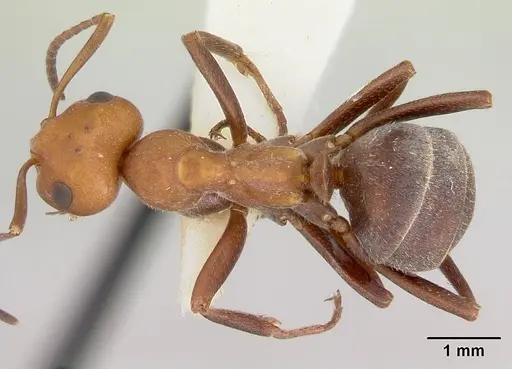
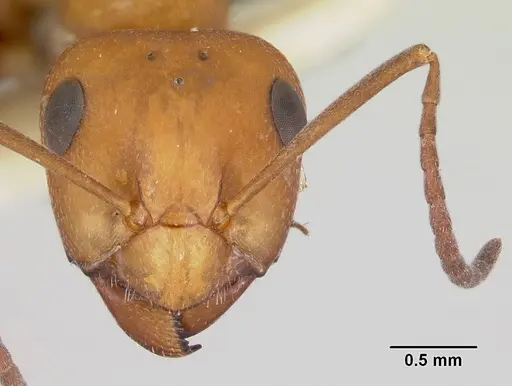
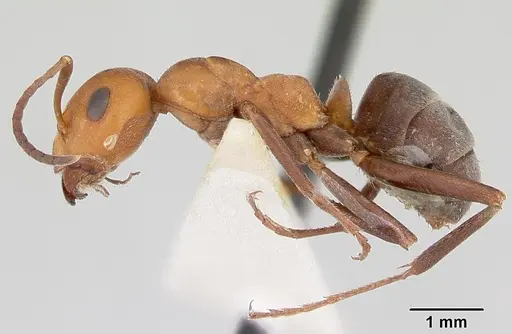
CASENT0103492
View on AntWeb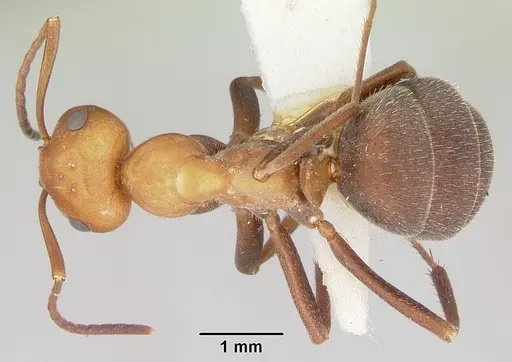
Literature
Loading...Loading products...