

Formica lepida
- Scientific Name
- Formica lepida
- Tribe
- Formicini
- Subfamily
- Formicinae
- Author
- Wheeler, 1913
- Distribution
- Found in 1 countries
Formica lepida Overview
Formica lepida is an ant species of the genus Formica. It is primarily documented in 1 countries , including United States of America. Detailed taxonomic data and occurrence records can be further explored via authoritative databases such as AntWeb or the Global Biodiversity Information Facility (GBIF).
Formica lepida
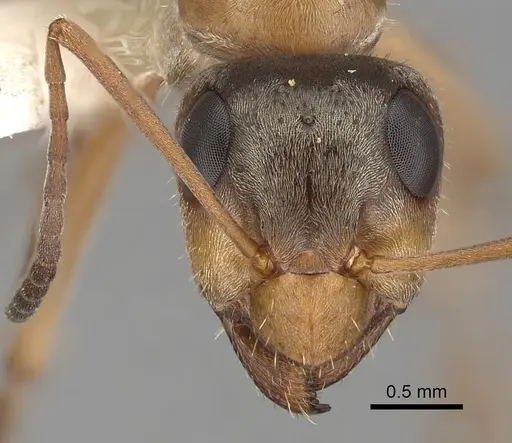
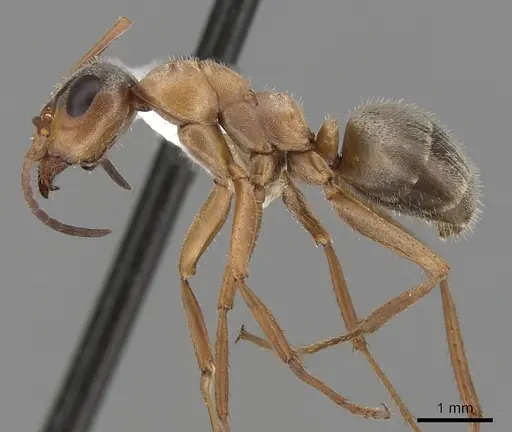
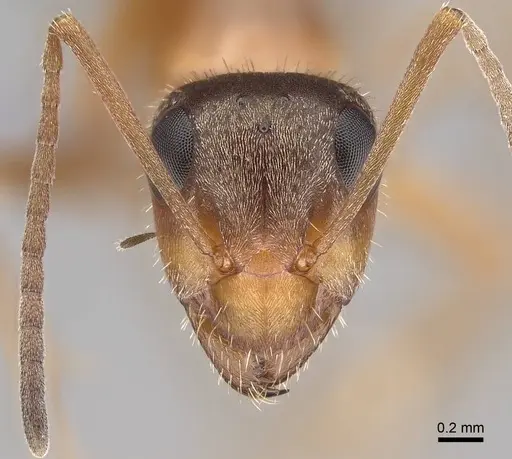
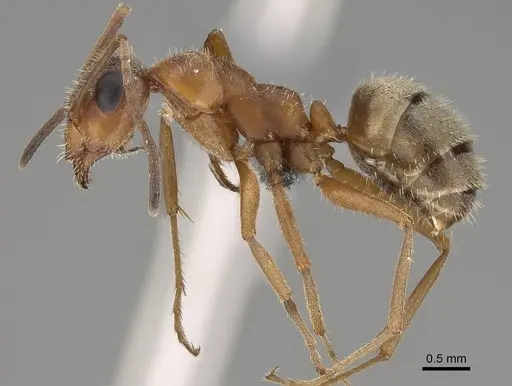
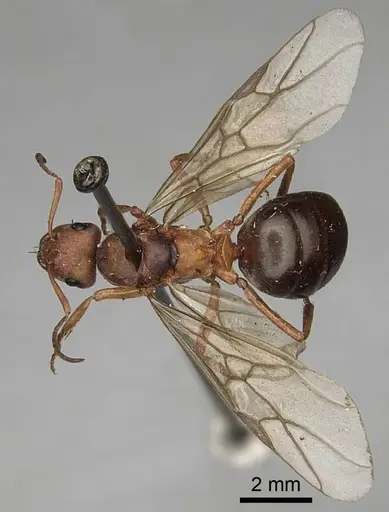
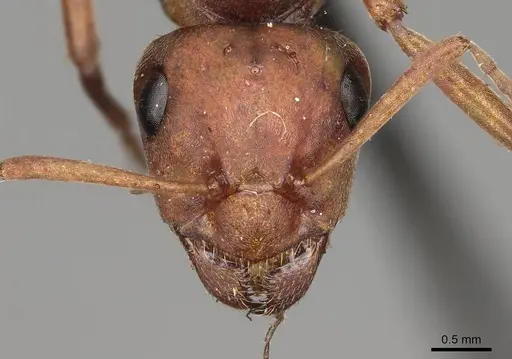
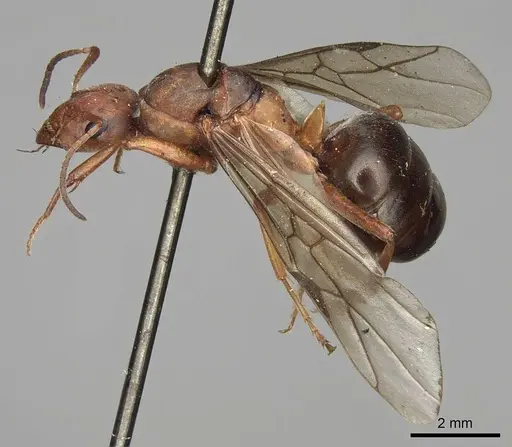
Formica lepida is a medium-sized ant native to western North America, ranging from Saskatchewan and the Dakotas west to Washington, California, and down through Colorado and New Mexico [1][2]. Workers are concolorous, varying from yellow to blackish-brown, with distinctive erect hairs on the ventral surface of the head, posterior border, promesonotum, propodeum, and dorsal margin of the petiole. The femora have erect hairs on all four faces, and the petiole appears thick in profile with a rounded apex [3]. This species belongs to the Formica fusca group and nests under stones in natural habitats [3]. A notable aspect of this species is that it serves as a host for temporary social parasites including Formica ciliata, F. dakotensis, and F. criniventris [2].
Quick Summary
- Difficulty: Medium
- Origin & Habitat: Western North America, found from Saskatchewan and the Dakotas west to Washington and California, south through Colorado, New Mexico, and Texas. Natural habitat involves nesting under stones in various terrain [1][2][3].
- Colony Type: Monogyne (single queen) colonies, typical for Formica fusca group species. This species is known to host temporary social parasites (Formica ciliata, F. dakotensis, F. criniventris) which temporarily invade colonies [2].
- Colony: Monogyne
- Founding: Claustral
- Size & Growth:
- Queen: Approximately 9-11mm (estimated based on Formica fusca group typical sizes)
- Worker: 4-7mm (typical for fusca group species)
- Colony: Likely several thousand workers at maturity based on related Formica species
- Growth: Moderate
- Development: 6-8 weeks at optimal temperature (estimated based on related Formica species) (Development time follows typical Formica patterns, faster in warmer conditions, slower in cooler temperatures. Related species in the fusca group typically develop from egg to worker in 6-8 weeks during warm summer months.)
- Antkeeping:
- Temperature: Keep at room temperature (20-24°C) with a slight gradient if possible. Research shows worker size and leg length correlate with temperature, larger workers develop in warmer conditions [4]. A warm side around 24-26°C supports optimal brood development.
- Humidity: Moderate humidity (40-60%). These ants naturally nest under stones, which provides moderate moisture but not saturated conditions. Keep nest substrate lightly moist but allow some drying between waterings.
- Diapause: Yes, requires hibernation period during winter. As a temperate species from northern latitudes, colonies need a winter rest period of 3-4 months at temperatures around 5-10°C.
- Nesting: Test tube setups work well for founding colonies. For established colonies, a formicarium with chambers scaled to their size is appropriate. They naturally nest under stones, so a naturalistic setup with flat stones or a Y-tong/plaster nest with compact chambers works well. Avoid overly humid conditions.
- Behavior: Workers are active foragers and are known to tend aphids for honeydew, they have documented mutualistic relationships with Aphis asclepiadis and Rhopalosiphum nymphaeae [5]. They are not particularly aggressive but will defend the nest if threatened. Escape risk is moderate, use standard Formica-level escape prevention (Fluon on edges, tight-fitting lids). Workers are moderately polymorphic with varying sizes within colonies.
- Common Issues: colonies may fail if hibernation is not provided, these temperate ants need a winter rest period, temporary social parasites (Formica ciliata, dakotensis, criniventris) may attempt to invade, monitor for unusual queen behavior, overheating can be problematic, avoid temperatures above 30°C despite their temperature-dependent size variation, wild-caught colonies may carry parasites that affect captive success, colonies grow slowly during first year, beginners may lose patience and abandon proper care
Nest Preferences and Housing
In the wild, Formica lepida nests under stones, taking advantage of the stable microclimate beneath them [3]. For captive care, test tube setups work excellently for queen founding chambers. The queen will seal herself in a claustral chamber and remain there until her first workers emerge. Once the colony reaches 20-30 workers, you can transition to a small formicarium. Y-tong nests or plaster nests with compact chambers mimic their natural stone-nesting preferences well. Avoid overly large or open spaces, these ants prefer cozy chambers scaled to their colony size. A small outworld area for foraging completes the setup.
Feeding and Diet
Formica lepida is a typical Formicine ant, they are omnivorous but show strong tendencies toward honeydew and sugar sources. Research confirms they form mutualistic relationships with aphids including Aphis asclepiadis and Rhopalosiphum nymphaeae in the wild [5]. In captivity, offer sugar water, honey, or diluted honey water as a constant energy source. For protein, provide small insects like fruit flies, small crickets, or mealworms. Feed protein 2-3 times per week, adjusting based on colony size. Remove uneaten prey after 24 hours to prevent mold. Colonies will also scavenge on small pieces of dead insects.
Temperature and Seasonal Care
Temperature plays an interesting role in this species' development. Research shows that worker size increases with temperature, and workers' relative leg length is positively related to temperature, ants developing in warmer conditions tend to be larger with longer legs [4]. Keep the nest at room temperature (20-24°C) with a gentle gradient if possible. A warm spot around 24-26°C on one side of the nest supports optimal brood development. During summer active months, colonies are most productive. Come autumn, you must prepare for hibernation, this is essential for long-term colony health. Provide 3-4 months of cold temperatures around 5-10°C, such as in a garage or refrigerator during winter.
Behavior and Colony Dynamics
Workers are active foragers and maintain typical Formica colony organization. They are not particularly aggressive toward keepers but will defend the nest if disturbed. The colony structure is monogyne, a single queen heads each colony. A notable aspect of this species is its role as a host for temporary social parasites including Formica ciliata, F. dakotensis, and F. criniventris [2]. These parasitic species temporarily invade host colonies, kill or replace the queen, and use the host workers until their own workers emerge. In captivity, this is mainly a curiosity, just be aware that unusual queen behavior could indicate parasite presence if you collect from the wild. Workers vary in size within colonies (polymorphic), with larger major workers and smaller minor workers.
Growth and Development
Like other Formica species in the fusca group, Formica lepida follows a predictable development timeline. The claustral queen seals herself in and does not forage during founding, she lives entirely on stored fat reserves [3]. Eggs develop through larval and pupal stages to produce first workers (nanitics) in approximately 6-8 weeks during warm conditions. These first workers are typically smaller than mature workers. Growth rate is moderate, colonies may take 2-3 years to reach several hundred workers. The colony will grow faster during warm summer months and slow significantly during the required hibernation period. Patience is key with this species.
Frequently Asked Questions
How long does it take for Formica lepida to produce first workers?
Expect first workers (nanitics) in approximately 6-8 weeks from when the queen lays eggs, assuming temperatures around 24-26°C. This follows typical Formica development patterns. The queen seals herself in during claustral founding and does not leave to forage, she raises the first brood entirely on stored fat reserves.
Do Formica lepida ants need hibernation?
Yes, hibernation is essential. As a temperate species native to northern latitudes (Saskatchewan to California), these ants require a winter rest period of 3-4 months at temperatures around 5-10°C. Skip hibernation and the colony will weaken and likely fail within 1-2 years. Provide this during natural winter months or store in a refrigerator.
What do Formica lepida ants eat?
They are omnivorous with a strong sweet tooth. Offer sugar water, honey, or diluted honey water constantly as an energy source. For protein, feed small insects like fruit flies, small crickets, or mealworms 2-3 times per week. They naturally tend aphids for honeydew in the wild, so sugar sources are particularly important.
Are Formica lepida good for beginners?
This is a medium-difficulty species. They are more forgiving than tropical ants but require proper hibernation setup and attention to temperature. The claustral founding makes them relatively straightforward to start from a queen. However, the 3-4 month hibernation requirement and moderate growth rate may challenge complete beginners. They are an excellent second species once you've learned basic antkeeping.
What size nest do Formica lepida need?
Start with a test tube setup for the founding queen. Once the colony reaches 20-30 workers, transition to a small formicarium. Y-tong nests or plaster nests with compact chambers work well, these mimic their natural stone-nesting preference. Avoid overly large spaces, they prefer cozy chambers scaled to colony size.
How big do Formica lepida colonies get?
Based on related Formica fusca group species, mature colonies likely reach several thousand workers over 3-5 years. Growth is moderate, expect 2-3 years to reach a few hundred workers with proper care. The colony will accelerate in growth once established.
Can I keep multiple Formica lepida queens together?
No, this is a monogyne species with single-queen colonies. Unlike some Formica that can be polygynous, Formica lepida typically has one queen per colony. Combining unrelated queens is not recommended and would likely result in fighting.
What temperature is best for Formica lepida?
Keep nest areas at 20-24°C with a warm spot around 24-26°C. Research shows worker size increases with temperature, so warmer conditions produce larger workers. However, avoid overheating above 30°C. Room temperature is generally suitable, with a heating cable on one side creating a gentle gradient if needed.
Why is my Formica lepida colony dying?
Common causes include: skipping hibernation (they need winter rest), improper humidity (too wet or too dry), temperatures outside their 20-26°C range, or stress from too-large enclosures. Wild-caught colonies may also carry parasites. Review your hibernation setup first if the colony is declining, as this is the most common failure point for temperate species.
References

This caresheet is licensed under CC BY-SA 4.0 .
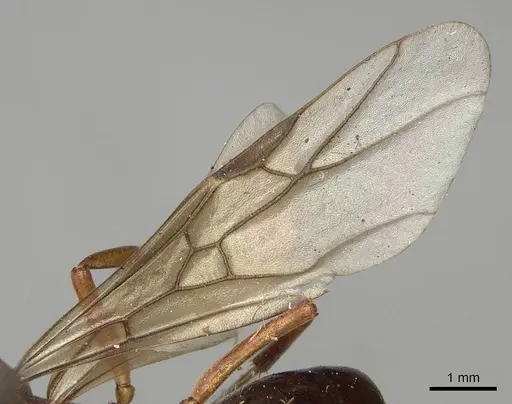
CASENT0005366
View on AntWeb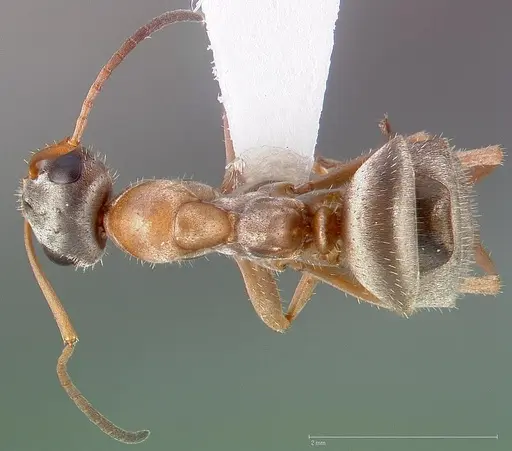
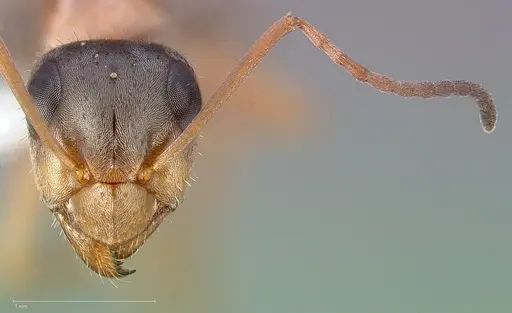
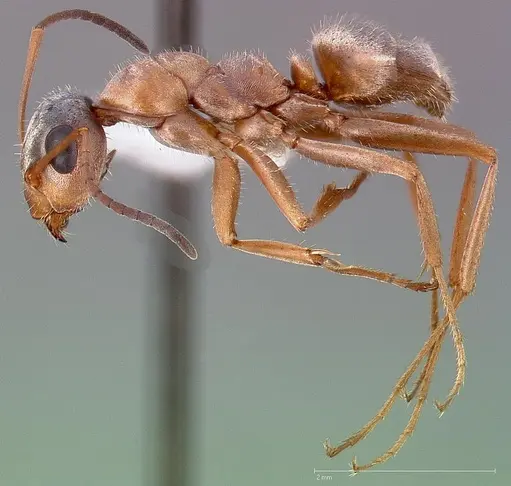
CASENT0280356
View on AntWeb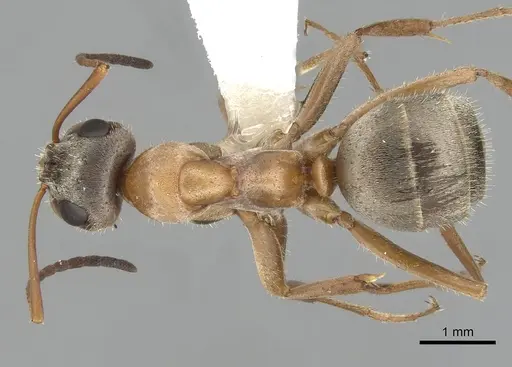
CASENT0922552
View on AntWeb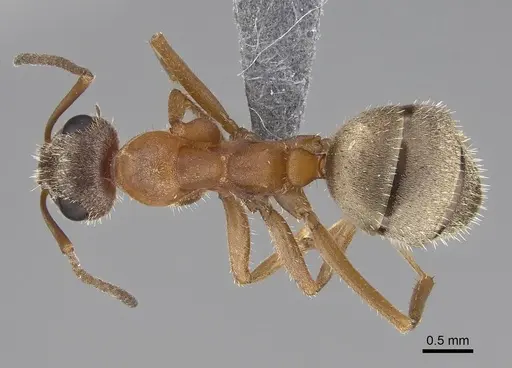
CASENT0923047
View on AntWeb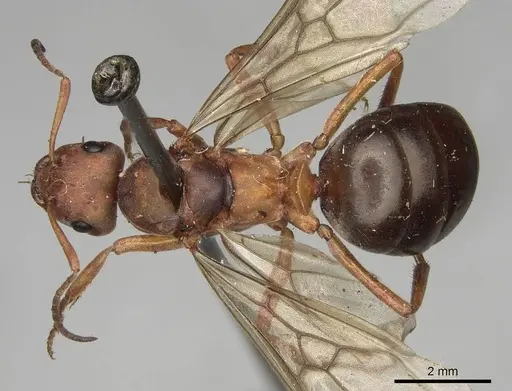
Literature
Loading...Loading products...