

Formica laeviceps
- Scientific Name
- Formica laeviceps
- Tribe
- Formicini
- Subfamily
- Formicinae
- Author
- Creighton, 1940
- Distribution
- Found in 1 countries
Formica laeviceps Overview
Formica laeviceps is an ant species of the genus Formica. It is primarily documented in 1 countries , including United States of America. Detailed taxonomic data and occurrence records can be further explored via authoritative databases such as AntWeb or the Global Biodiversity Information Facility (GBIF).
Formica laeviceps
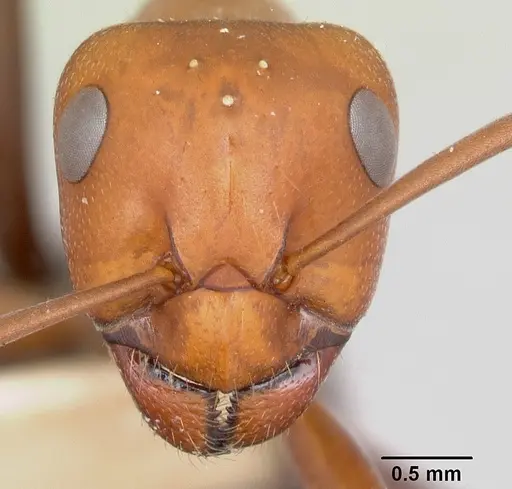
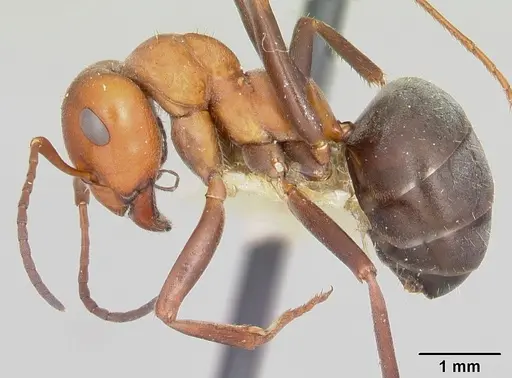
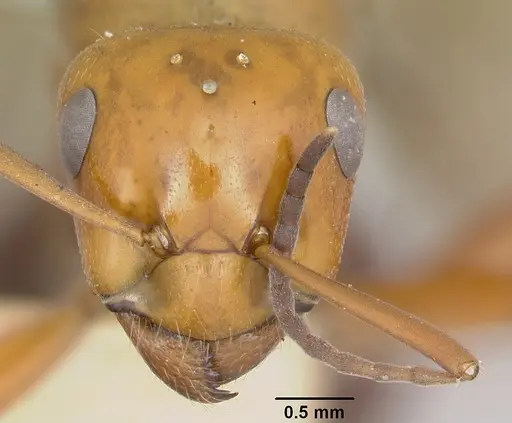
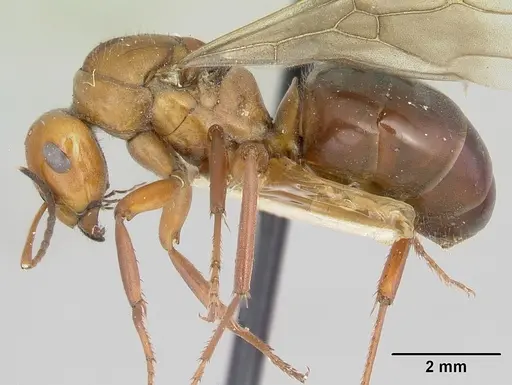
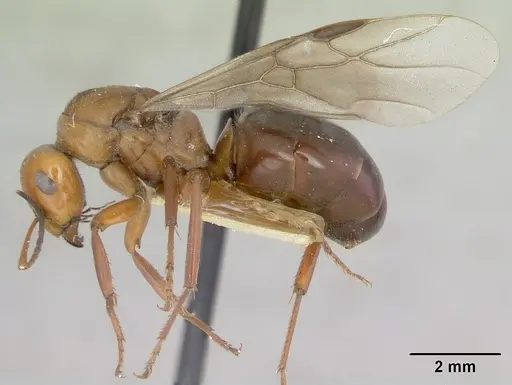
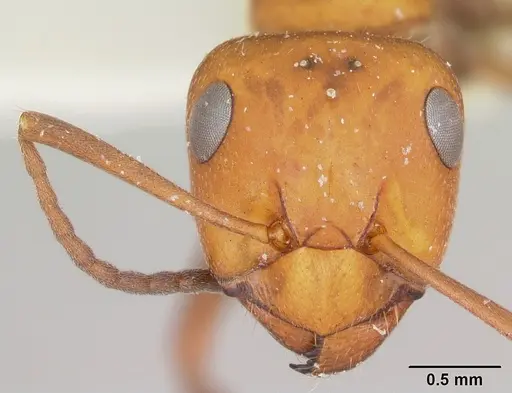
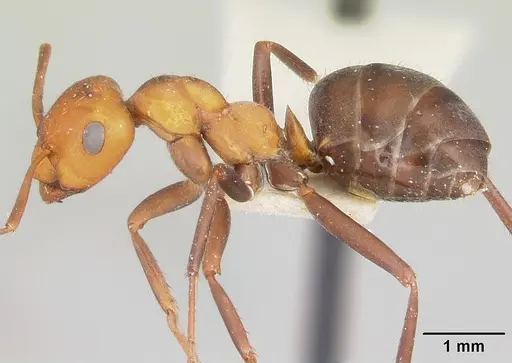
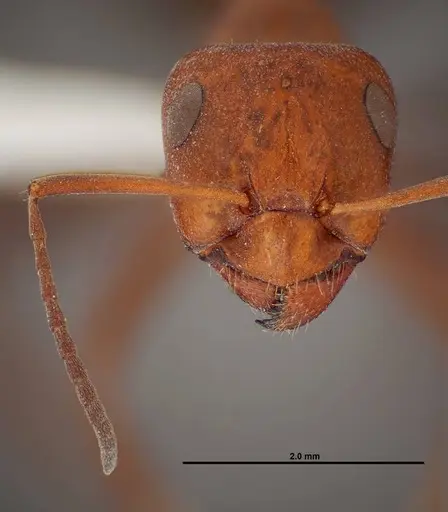
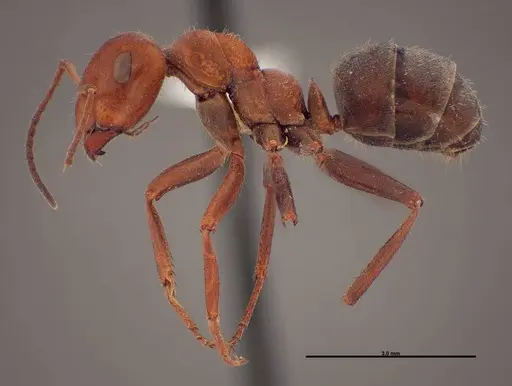
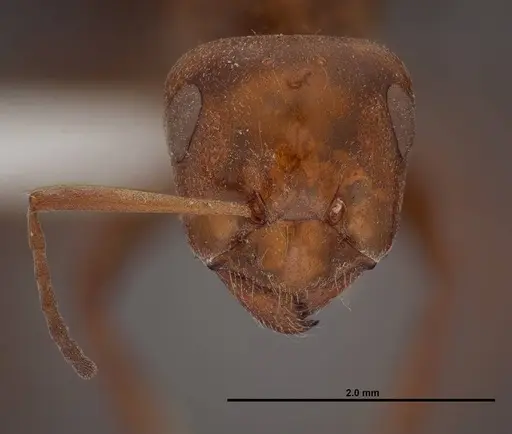
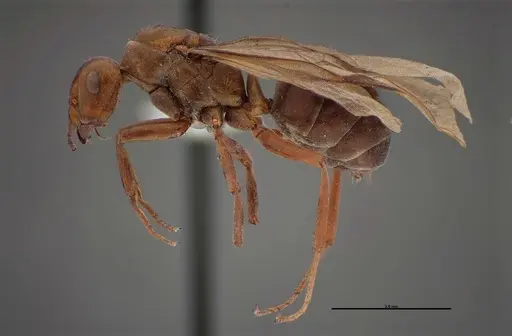
Formica laeviceps is a medium-sized wood ant native to the western United States. Workers are reddish-brown with a darker abdomen and measure around 4-7mm. The species gets its name 'laeviceps' (smooth-headed) from its relatively smooth head compared to other rufa group ants, though it's actually mostly roughened. Workers lack erect hairs on the scape except at the tip and have a distinctive double row of bristles running along their tibiae. This species builds nests under stones or logs with passages extending into the soil, often using moderate thatching material. They are found across semiarid grasslands, pinyon-juniper forests, and mixed conifer habitats at elevations between 4,200-7,100 feet [1].
Quick Summary
- Difficulty: Medium
- Origin & Habitat: Western United States including Nevada, Colorado, North Dakota, and New Mexico. They inhabit semiarid sites, grasslands, pinyon-juniper forests, and mixed conifer habitats with sandy soils and interspersed stones [1].
- Colony Type: Likely single-queen colonies (monogyne) based on typical Formica rufa group behavior. Colonies can reach several thousand workers in mature nests [1].
- Colony: Monogyne
- Founding: Claustral
- Size & Growth:
- Queen: Approximately 7-9mm (estimated based on rufa group species)
- Worker: 4-7mm [1]
- Colony: Several thousand workers in mature colonies (typical for rufa group)
- Growth: Moderate, typical for Formica genus
- Development: Approximately 6-8 weeks at optimal temperature (inferred from related Formica species) (Development time is estimated based on typical Formica rufa group patterns. Temperature affects development speed significantly.)
- Antkeeping:
- Temperature: Keep nest area at 20-26°C with a gentle gradient. Room temperature (around 20-22°C) is typically suitable. Provide a heating option on one side of the nest for colony choice [1].
- Humidity: Moderate humidity around 50-60%. These ants prefer drier conditions than many tropical species, reflecting their semiarid natural habitat. Keep substrate moist but not waterlogged, with some drier areas available.
- Diapause: Yes, these temperate ants require hibernation. Reduce temperature to 5-10°C for 3-4 months during winter (typically November-March depending on your location).
- Nesting: Y-tong (AAC) nests work well for this species. They prefer tight chambers and will readily accept test tube setups. Provide some thatching material or small debris in the outworld to mimic their natural thatch-building behavior. Naturalistic setups with stones and soil also work.
- Behavior: Workers are active foragers that tend aphids for honeydew in the wild. They are not particularly aggressive but will defend their nest if threatened. Workers are medium-sized and can climb smooth surfaces reasonably well, though escape prevention is not as critical as for tiny ants. They are diurnal and actively forage during warm daylight hours. These ants benefit from a well-structured outworld with foraging areas.
- Common Issues: colonies often struggle if humidity stays too high, these are semiarid-adapted ants that prefer drier conditions, hibernation failure is common, skipping or shortening winter rest can weaken colonies over time, test tube setups may be too simple, they benefit from more complex nesting with multiple chambers, wild-caught colonies may arrive with parasites or stressed from transport, queen loss during founding is possible, claustral queens seal themselves in and should not be disturbed
Nest Preferences and Setup
Formica laeviceps naturally nests under stones or logs with passages extending into the soil. They use moderate thatching material, though large visible thatch mounds are uncommon. In captivity, Y-tong (acrylic) nests work very well because they provide the dark, tight chambers these ants prefer. Test tube setups are acceptable for founding colonies but may limit growth once the colony expands beyond 50-100 workers. If using a naturalistic setup, provide a layer of sandy soil with flat stones on top, this mimics their natural nesting environment. The nest should have multiple connected chambers to allow the colony to organize itself (brood areas, food storage, queen chamber). Avoid overly moist conditions in the nest itself, place the water reservoir away from the main chambers. [1]
Feeding and Diet
In the wild, Formica laeviceps workers actively tend aphids (specifically Zyxaphis lililolia on Artemisia tridentata) and collect honeydew. They also forage for insects and other small prey. In captivity, offer a varied diet: sugar water or honey as a constant energy source, and protein-rich foods like mealworms, crickets, or fruit flies 2-3 times per week. Since they naturally tend aphids, they may accept commercial honeydew substitutes. Remove uneaten prey after 24-48 hours to prevent mold. A varied diet promotes healthy brood development. Fresh water should always be available. [1]
Temperature and Seasonal Care
These ants are adapted to temperate climates with distinct seasons. Keep the nest area at 20-26°C during the active season, with room temperature (around 20-22°C) being a good baseline. You can create a temperature gradient by placing a heating cable or mat on one side of the nest, this allows the colony to self-regulate. During summer, normal room temperature is usually sufficient. The critical requirement is proper hibernation: from late fall through early spring (roughly November-March, adjust based on your hemisphere), reduce temperatures to 5-10°C. This can be achieved by moving the colony to a cool basement, garage, or refrigerator. Skipping hibernation weakens queens and reduces colony longevity. [1]
Behavior and Colony Dynamics
Formica laeviceps is a diurnal species, workers are most active during daylight hours when temperatures are warm. They are not particularly aggressive toward keepers but will vigorously defend the nest if disturbed. Workers are medium-sized and can climb smooth surfaces, so basic escape prevention (fluon on rim edges) is recommended, though not as critical as for tiny ant species. The colony grows moderately, expect 6-12 months from founding to first workers, then several years to reach several thousand workers. Queens are long-lived (can live 10-15+ years) and are claustral, meaning they seal themselves in a chamber and do not leave to forage during founding. Do not disturb a founding queen for at least 4-6 weeks. [1]
Frequently Asked Questions
How long does it take for Formica laeviceps to raise first workers?
Expect 6-8 weeks from egg to first worker at room temperature (around 20-22°C). This is typical for Formica species. The queen is claustral, she seals herself in and raises the first brood alone without leaving to forage. Disturb the founding chamber as little as possible during this time.
Do Formica laeviceps ants need hibernation?
Yes, these temperate ants require a winter rest period. Reduce temperatures to 5-10°C for 3-4 months during winter (typically November through March). This is essential for colony health and queen longevity. You can move the colony to a cool basement, garage, or use a refrigerator with careful temperature control.
What do Formica laeviceps eat?
They are omnivorous like most Formica species. Offer sugar water or honey constantly as an energy source, and protein (mealworms, crickets, fruit flies) 2-3 times weekly. They naturally tend aphids for honeydew, so they may accept honeydew substitutes. Remove uneaten prey after a day to prevent mold.
Are Formica laeviceps good for beginners?
They are medium difficulty, harder than simple species like Lasius but easier than tropical exotics. They require proper hibernation and prefer drier conditions than many beginners expect. If you're comfortable providing a winter rest period, they are a rewarding species.
Can I keep multiple Formica laeviceps queens together?
This species is typically monogyne (single queen). Combining unrelated queens is not recommended and likely results in fighting. Only attempt pleometrosis (multiple founding queens) if you have experience and are prepared to remove excess queens.
What size colony do Formica laeviceps reach?
Mature colonies can reach several thousand workers. Growth is moderate, expect 1-2 years to reach 100 workers, and several more years to reach several thousand in optimal conditions.
When should I move Formica laeviceps from a test tube to a formicarium?
Move them when the test tube becomes crowded (typically 50-100+ workers) or when the water reservoir is exhausted. Make sure the formicarium has appropriate humidity zones and escape prevention. They do well in Y-tong nests or naturalistic setups.
Why is my Formica laeviceps colony dying?
Common causes include: too high humidity (they prefer semiarid conditions), improper hibernation, disturbance during claustral founding, or poor diet. Check that substrate is moist but not wet, temperatures are stable, and the queen is still present and healthy.
References

This caresheet is licensed under CC BY-SA 4.0 .
CASENT0103372
View on AntWeb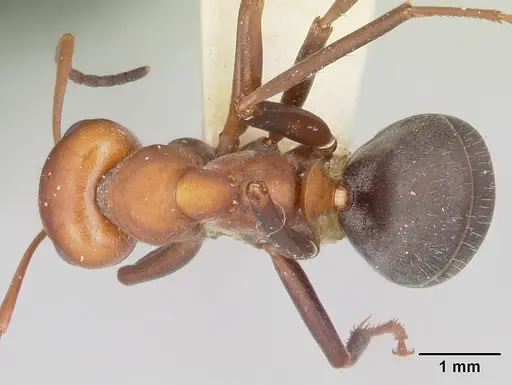
CASENT0103373
View on AntWeb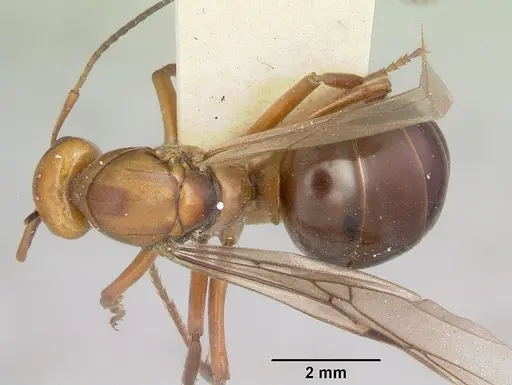
CASENT0105750
View on AntWeb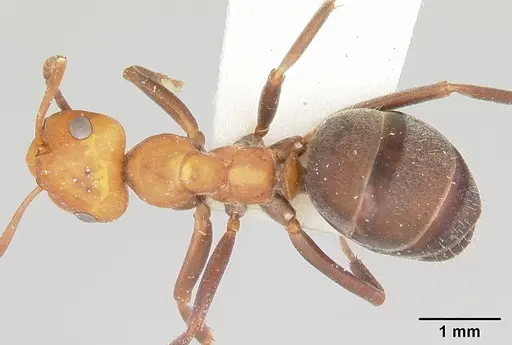
FMNHINS0000062708
View on AntWeb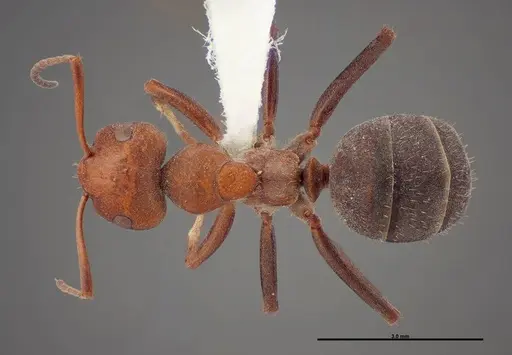
FMNHINS0000062710
View on AntWeb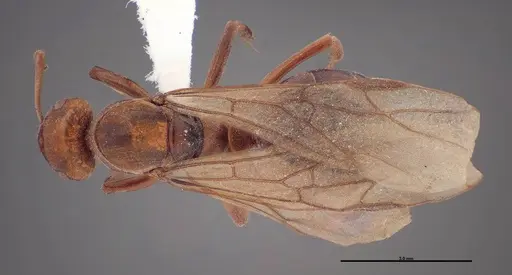
Literature
Loading...Loading products...