Hylomyrma blandiens - ""
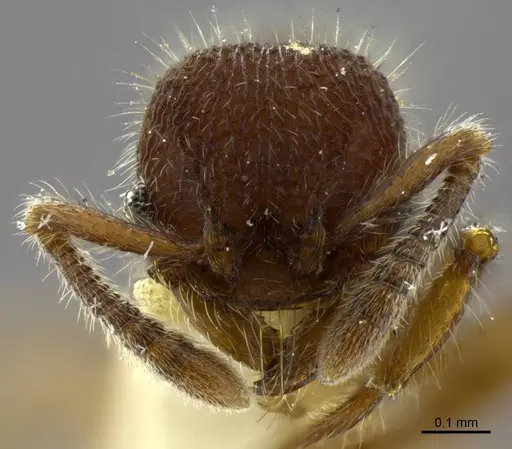
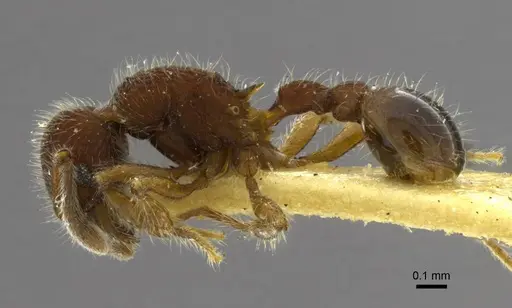
Hylomyrma blandiens are tiny, cryptic ants belonging to the leaf litter community of the Neotropical region. They are characterized by their distinctive sculpturing, featuring regular longitudinal striae on the head and varying striae on the mesosoma. The dorsal margin of their petiole is discontinuous, and they have a subtriangular projection on the mesoventral surface of the petiole. Their protibia extensor surface and the tergum of their first gastral segment also show striations. A remarkable behavior of this species is their tendency to play dead (thanatosis) when disturbed, making them blend in with leaf litter debris.
- Difficulty: Medium
- Origin & Habitat: Bolivia, Brazil, Colombia, Ecuador, French Guiana, Guyana, Panama, Peru, Suriname, Trinidad and Tobago, Venezuela (Neotropical Region) in Tropical rainforests, primarily found in sifted leaf-litter samples and fallen twigs. They prefer wet, lowland forest habitats..
- Colony Type: Polygyne (multiple queens observed in a single nest, though some sources may indicate monogyny for the genus), semi-claustral (queens likely forage for initial food for brood development) founding.
- Size & Growth:
- Queen: Not specified
- Worker: Not specified
- Colony: Small (tens, typically around 16-21 workers, with a maximum observed colony of 24 specimens including queens). Slow growth.
- Antkeeping:
- Temperature: Warm conditions mimicking their tropical rainforest origin, ideally around 24-28°C..
- Humidity: High humidity is crucial, maintaining a constant level of 70-90% to replicate their natural damp leaf-litter environment..
- Diapause: Not required. Not specified at Not specified.
- Nesting: Prefer nests that mimic their natural environment: setups with plenty of substrate like soil, coco fiber, or similar, especially within a fallen twig or deep leaf litter. Test tube setups connected to a small outworld with substrate, or small formicariums designed for cryptic species, would be suitable..
- Behavior: Low (towards handler, generally shy and prone to thanatosis) aggressiveness.
- Common Issues: Mold in nest, Humidity fluctuations, Lack of suitable substrate, Difficulty observing due to thanatosis.
Understanding the precise needs of Hylomyrma blandiens in captivity is still a developing field for ant enthusiasts. Much of what is known about this cryptic leaf litter ant comes from field collections, where they are primarily found by sifting through decaying leaves and soil. Recreating their natural humid, detritus-rich habitat within a formicarium is paramount for their long-term health and growth. Pay close attention to substrate choice and ensure consistent moisture levels to prevent desiccation, which can be a common pitfall for species from such environments.
One of the most fascinating, yet challenging, aspects of keeping Hylomyrma blandiens is their tendency to exhibit thanatosis, or playing dead, when disturbed. This behavior, while a clever defense mechanism in the wild, can make observing your colony quite difficult. When you check on them, don't be alarmed if workers appear motionless; they are likely just 'playing possum.' Patience is key, and minimizing disturbances will help them feel more secure and active.
Colony sizes for Hylomyrma blandiens are relatively small, often numbering only a few dozen individuals. This means colony growth will be slow, and you won't be dealing with an exploding population. This can be a benefit for keepers with limited space or those who prefer more manageable colonies. However, it also means that even small losses can significantly impact the colony's overall health, so careful attention to their environment and feeding is crucial.
While specific dietary studies on Hylomyrma blandiens are limited, related Hylomyrma species are known to be omnivores, with workers observed feeding larvae small invertebrates like fruit flies and springtails. Providing a varied diet of small insect protein and a source of sugars (like diluted honey or sugar water) is advisable. Ensure the prey items are small enough for these tiny ants to handle, as they are part of the cryptic leaf litter fauna and hunt smaller, softer-bodied invertebrates.
Frequently Asked Questions
What do Hylomyrma blandiens ants typically eat?
These fascinating ants are omnivores, meaning they consume both proteins and sugars. In the wild, they're known to hunt tiny invertebrates like springtails and fruit flies for their protein needs, especially to feed their developing brood. For your colony, offer small insect protein such as pre-killed fruit flies, tiny roaches, or even small cricket pieces. Don't forget their sweet tooth – diluted honey or sugar water will be a welcome energy source!
Where do Hylomyrma blandiens naturally reside?
Hylomyrma blandiens call the lush, humid tropical rainforests of the Neotropical region their home. You'll find them thriving in countries like Brazil, Peru, Colombia, and Suriname. They're typically found nestled within the leaf litter and decaying twigs on the forest floor, where the environment is consistently damp and rich in organic material.
Are Hylomyrma blandiens considered a difficult ant species to keep for hobbyists?
Given the limited detailed information available on their specific care and their preference for very stable, humid conditions, Hylomyrma blandiens are generally considered a 'Medium' difficulty species for antkeepers. They're not a beginner species, as maintaining their specific environmental needs and observing their shy, 'playing dead' behavior can be challenging. However, for an experienced ant enthusiast, they offer a unique and rewarding keeping experience.
How large do Hylomyrma blandiens colonies grow?
Unlike some of the supercolonies you might encounter in antkeeping, Hylomyrma blandiens colonies are quite modest in size. Wild observations suggest colonies typically number around 16 to 21 workers, with the largest recorded being 24 individuals, including queens. This makes them a great choice if you prefer smaller, more manageable formicaria rather than sprawling setups.
Do Hylomyrma blandiens ants possess a sting?
Yes, like many ant species, Hylomyrma blandiens do have a sting. However, they are generally not aggressive towards handlers. Their primary defense mechanism when disturbed is to exhibit thanatosis, or playing dead, rather than stinging. So, while a sting is present, it's unlikely to be a concern during routine care if you handle them gently.
What type of nest is best suited for Hylomyrma blandiens?
To truly replicate their natural habitat, a nest setup for Hylomyrma blandiens should focus on high humidity and a suitable substrate. Formicariums with a deep, moist substrate layer, such as loam, coco fiber, or fine gravel mixed with leaf litter, are ideal. Many keepers find success with small acrylic or plaster nests that incorporate a damp medium, or even simple test tube setups connected to a small outworld rich in natural leaf litter.
Is it true that Hylomyrma blandiens play dead?
Absolutely! One of the most unique and intriguing behaviors of Hylomyrma blandiens is their tendency towards thanatosis, or 'playing dead.' When they feel threatened or are disturbed, workers will often curl up and remain motionless, blending in perfectly with detritus in their leaf litter environment. This can make them a bit tricky to observe, but it's a fascinating adaptation to their cryptic lifestyle.
Can Hylomyrma blandiens colonies have more than one queen?
While some general information about the Hylomyrma genus might suggest monogyny (single queen colonies), observed Hylomyrma blandiens nests have been found with multiple queens. This indicates that pleometrosis, where multiple queens cooperate during founding, is possible, and the species can form polygyne colonies. This offers interesting dynamics for colony growth and stability in captivity.
What are the ideal temperature and humidity ranges for Hylomyrma blandiens?
For Hylomyrma blandiens, you'll want to mimic their tropical rainforest home. Maintain warm temperatures, ideally between 24-28°C (75-82°F). High humidity is equally critical; aim for a consistent humidity level of 70-90% within their nest and outworld to prevent dehydration and support a thriving environment.
What are the distinguishing physical features of Hylomyrma blandiens?
Hylomyrma blandiens can be identified by their intricate sculpturing. Look for regular, longitudinal striae (fine lines) on the top of their head and varying striations across their mesosoma. Their petiole also has a unique discontinuous dorsal margin and a subtriangular projection on its underside. These detailed markings, along with their small size, help differentiate them from similar cryptic ant species.
How much is known about Hylomyrma blandiens' biology in the wild?
Our knowledge about the wild biology and natural history of Hylomyrma blandiens is somewhat limited, primarily stemming from collection data and rare field observations. They are considered part of the cryptic leaf litter ant community, meaning they are often hidden and thus harder to study. This makes observing them in a captive setting even more valuable for contributing to our understanding of this intriguing species.