

Formica francoeuri
- Scientific Name
- Formica francoeuri
- Tribe
- Formicini
- Subfamily
- Formicinae
- Author
- Bolton, 1995
- Common Name
- Francoeur's Field Ant
- Distribution
- Found in 2 countries
Formica francoeuri Overview
Formica francoeuri (commonly known as the Francoeur's Field Ant) is an ant species of the genus Formica. It is primarily documented in 2 countries , including Mexico, United States of America. Detailed taxonomic data and occurrence records can be further explored via authoritative databases such as AntWeb or the Global Biodiversity Information Facility (GBIF).
Formica francoeuri - "Francoeur's Field Ant"
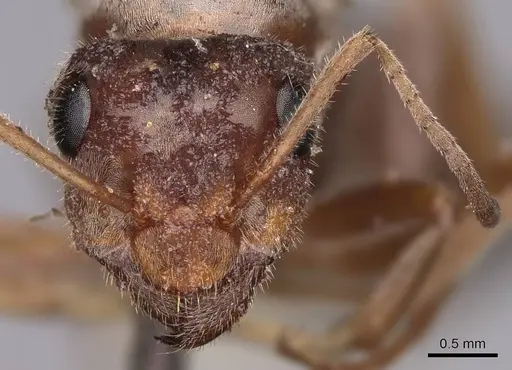
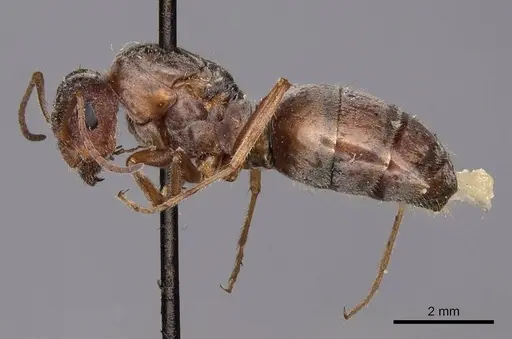
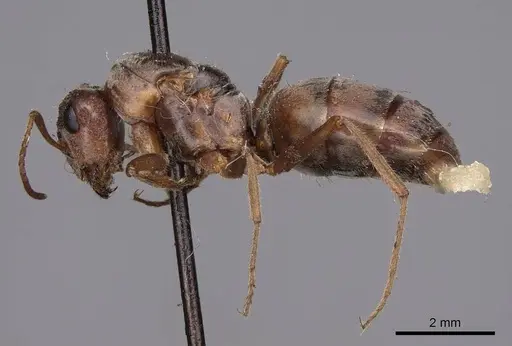
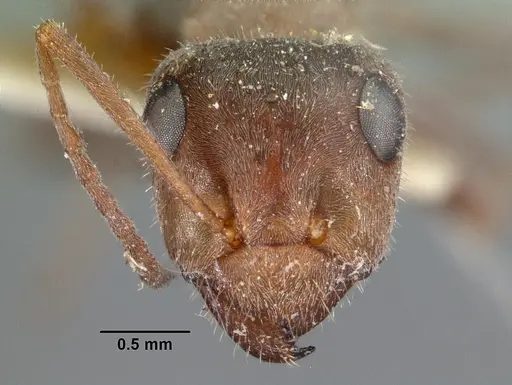
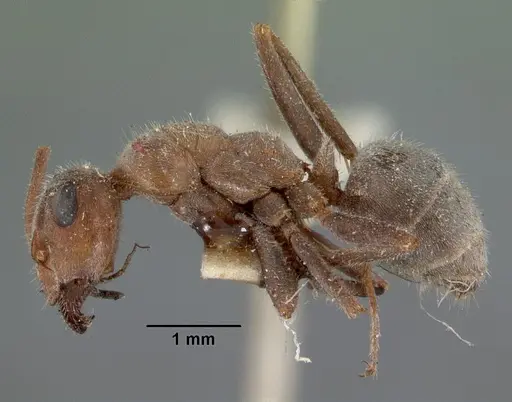
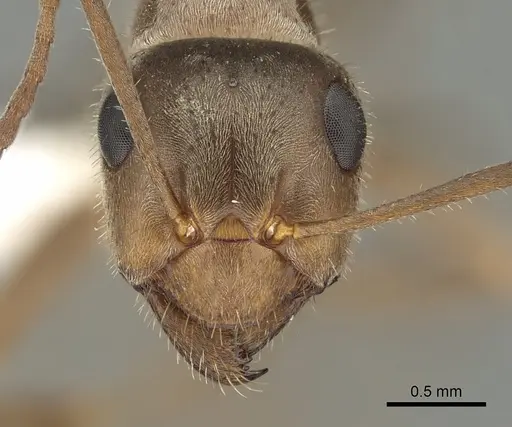
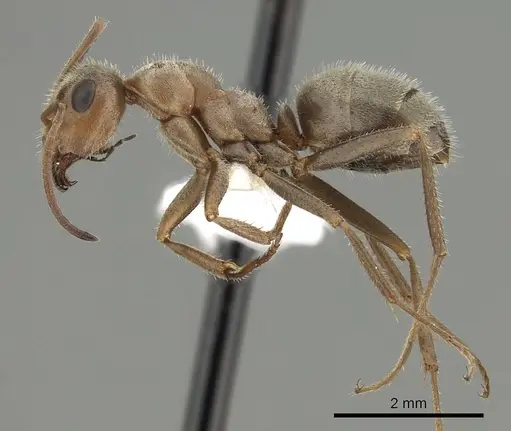
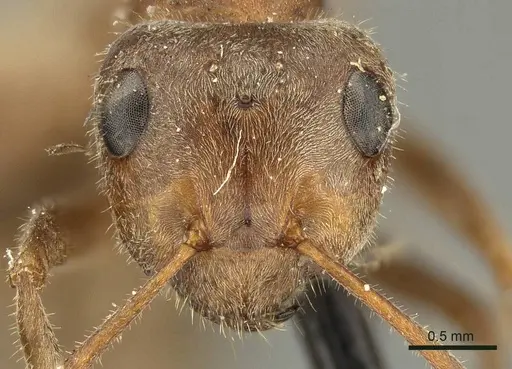
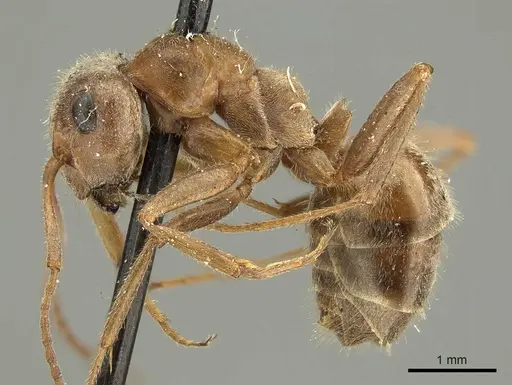
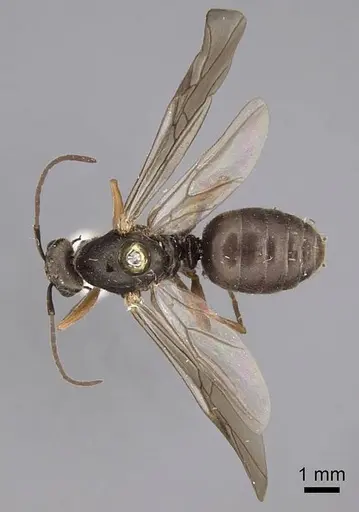
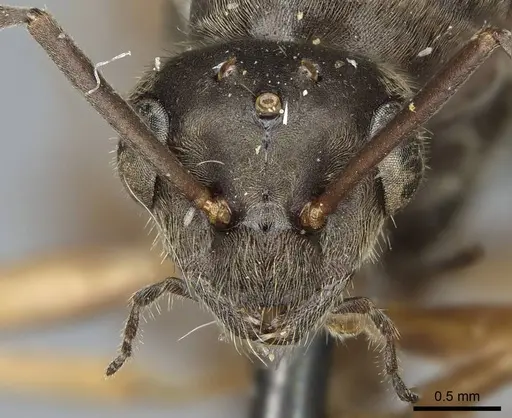
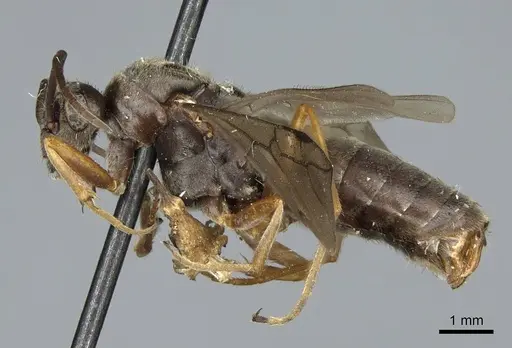
Formica francoeuri is a North American ant species native to the arid and semiarid regions of southern California and Baja California, Mexico. Workers are typical of the Formica genus with a dark reddish-brown to black coloration and measure around 4-7mm. This species nests primarily in sandy soils, often in dry riverbeds, from sea level up to about 1500m elevation [1]. What makes F. francoeuri particularly interesting is its social polymorphism, colonies can be either single-queen (monogynous) or multi-queen (polygynous), with the colony type determined by a specific genetic region called a social supergene [1]. Like other Formica species, they produce formic acid as a defensive compound, with spray concentrations reaching 60% [2].
Quick Summary
- Difficulty: Medium
- Origin & Habitat: Native to low- and mid-elevation semiarid regions of southern California and Baja California, Mexico. Inhabits arid and semiarid regions from sea level up to about 1500m, nesting mainly in sandy soils, often in dry riverbeds [1][3].
- Colony Type: Socially polymorphic, colonies can be either monogynous (single queen) or polygynous (multiple queens). Genetic analysis of 76 colonies found 24 monogynous,46 polygynous, and 6 ambiguous. The social structure is determined by a supergene region on chromosome 3 [1].
- Colony: Optionally polygyne
- Founding: Claustral
- Size & Growth:
- Queen: Estimated 8-10mm based on typical Formica genus size, not directly measured in available research
- Worker: Approximately 4-7mm based on Formica genus standard [4]
- Colony: Colony size data not directly available, Formica colonies typically reach several thousand workers
- Growth: Moderate, based on typical Formica development patterns
- Development: Estimated 6-8 weeks at optimal temperature based on related Formica species (Development time inferred from genus-level data, specific timeline for this species not directly studied)
- Antkeeping:
- Temperature: Keep at room temperature around 20-24°C. This species is adapted to warm, arid conditions and tolerates higher temperatures well. A gentle gradient allowing warmer and cooler areas is ideal [1].
- Humidity: Low to moderate, this is a desert/semiarid species adapted to dry conditions. Keep nest substrate relatively dry with occasional moisture zones. Avoid overly damp conditions [1].
- Diapause: Likely requires a winter rest period (diapause) given its temperate North American range. Reduce temperature to around 10-15°C for 2-3 months during winter months, mimicking natural seasonal cycles.
- Nesting: Prefers sandy, well-draining substrate. In captivity, a naturalistic setup with a sand/soil mix works well, or a Y-tong/plaster nest with dry conditions. Avoid wet or constantly damp nest materials [1].
- Behavior: Workers are active foragers and may climb to floral resources seeking nectar, which can bring them into conflict with hummingbirds. They possess formic acid spray as a defense mechanism, while not dangerous to humans, the 60% concentration can deter predators [2]. Workers are moderately aggressive when defending the nest. Escape prevention is important but not as critical as for tiny species, standard barriers work well for their medium size.
- Common Issues: colonies may fail if kept too damp, this is a dry-adapted species, multi-queen colonies may have different care requirements than single-queen colonies, winter diapause is important for long-term colony health, skipping hibernation can weaken colonies, formic acid spray can irritate eyes and skin during close handling, slow growth compared to tropical species may frustrate beginners
Housing and Nest Setup
Formica francoeuri does well in naturalistic setups that mimic their natural sandy soil habitat. Use a substrate mix of sand and soil that drains well, avoid constantly wet conditions that can kill colonies. A Y-tong (acrylic) nest with dry chambers also works well for this species. Because they come from arid regions, they prefer drier nest conditions than many other ants. Provide a water tube but don't over-moisten the nest material. Outworld space should allow for active foraging, these are active ants that patrol their territory. Escape prevention is important but not as critical as for tiny species, standard barrier methods work adequately [1].
Feeding and Diet
Like other Formica species, F. francoeuri is omnivorous. They readily accept sugar sources (honey water, sugar water) and protein foods (insects, small crickets, mealworms). Workers are known to forage at flowers, suggesting they may also collect nectar in captivity. Feed protein foods 2-3 times per week and keep sugar water available at all times. Remove uneaten prey after 24 hours to prevent mold. This species' workers are active foragers, so ensure food is accessible in the outworld [2][4].
Temperature and Seasonal Care
Keep colonies at room temperature, ideally 20-24°C. This species naturally inhabits warm, arid regions of southern California and can tolerate higher temperatures well. During winter (roughly November-February), reduce temperature to around 10-15°C to provide a diapause period. This winter rest is important for colony health and mimics natural seasonal cycles. Do not feed during deep hibernation but provide occasional moisture. Return to normal temperatures gradually in spring to trigger renewed activity and brood production [1].
Social Structure and Colony Management
One of the most interesting aspects of F. francoeuri is its social polymorphism, some colonies have a single queen while others have multiple queens working together. Genetic studies show this is determined by a 'supergene' region on chromosome 3. Monogyne colonies have workers with two copies of the Sm allele, while polygyne colonies typically have one copy of Sm and one of Sp. If you have a polygynous colony, the presence of multiple egg-laying queens is normal and the colony should continue to thrive. You do not need to separate queens, they coexist peacefully [1].
Defense and Handling
Like all Formica ants, F. francoeuri produces formic acid as a defensive compound. When threatened, workers may spray formic acid, which has a strong, pungent odor. The concentration in their spray is approximately 60%, which is quite potent [2]. While not dangerous to humans, it can irritate eyes and skin, and may cause discomfort if inhaled. When working with this species, avoid blowing on them or making sudden movements near the nest that might trigger defensive spraying. The formic acid also serves as an interspecific defense, it can deter other insects and even cause harm to hummingbirds that might try to feed from the same flowers [2].
Growth and Development
Colony growth is moderate rather than rapid. First workers (nanitics) will appear approximately 6-8 weeks after the queen lays her first eggs, assuming optimal temperature around 22-24°C. Development time is inferred from typical Formica genus patterns, as specific development data for this species is not available. Colonies can eventually grow to several thousand workers. Growth rate is influenced by temperature, warmer conditions within acceptable range tend to speed development, while cooler temperatures slow it. Unlike some tropical species, F. francoeuri does not grow rapidly year-round, expect slower growth or no growth during winter diapause [5].
Frequently Asked Questions
How long does it take for Formica francoeuri to produce first workers?
Expect first workers (nanitics) approximately 6-8 weeks after eggs are laid, at optimal temperatures around 22-24°C. This estimate is based on typical Formica genus development patterns, as specific development data for this species is not available [4].
Can I keep multiple Formica francoeuri queens together?
Yes, this species is naturally polymorphic, both single-queen (monogyne) and multi-queen (polygyne) colonies exist in the wild. If you have a polygynous colony with multiple egg-laying queens, they coexist peacefully and you do not need to separate them [1].
What temperature range is best for Formica francoeuri?
Keep them at room temperature, ideally 20-24°C. This species naturally inhabits warm, arid regions of southern California and can tolerate temperatures into the upper 20s°C. During winter, provide a diapause period at 10-15°C for 2-3 months [1].
Are Formica francoeuri good for beginners?
This species is rated as Medium difficulty. They are more forgiving than some exotic species but require attention to humidity (keep them dry) and winter diapause. Their moderate growth rate may test beginner patience. They are a good choice if you want a North American species with interesting social polymorphism [1].
How big do Formica francoeuri colonies get?
Colony size data is not directly available, but Formica species typically reach several thousand workers. Growth is moderate, expect several hundred workers in the first year under good conditions, with larger colonies developing over 2-3 years [4].
Do Formica francoeuri need hibernation?
Yes, likely required. This species is native to temperate North America and experiences natural seasonal cycles. Provide a winter rest period (diapause) of 2-3 months at reduced temperatures (10-15°C) during winter months. Skipping hibernation can weaken the colony over time [1].
What do Formica francoeuri eat?
They are omnivorous like other Formica species. Offer sugar water or honey water constantly, and protein foods (small insects, mealworms, crickets) 2-3 times per week. They are known to forage at flowers, so they may also accept nectar substitutes [2][4].
Why is my Formica francoeuri colony dying?
The most common causes are: 1) Too much moisture, this is a dry-adapted species that suffers in damp conditions, 2) Skipping winter diapause, they need a hibernation period, 3) Poor nutrition, ensure constant sugar access and regular protein. Check that substrate is drying appropriately between waterings [1].
When should I move Formica francoeuri from a test tube to a formicarium?
Move them when the test tube becomes crowded or the water reservoir is depleted, typically when the colony reaches 30-50 workers. Use a formicarium with dry, sandy substrate conditions matching their natural habitat. They prefer well-draining nests, so avoid setups that stay constantly wet [1].
References

This caresheet is licensed under CC BY-SA 4.0 .
CASENT0005363
View on AntWeb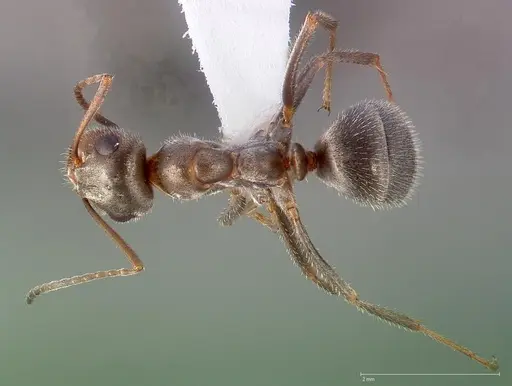
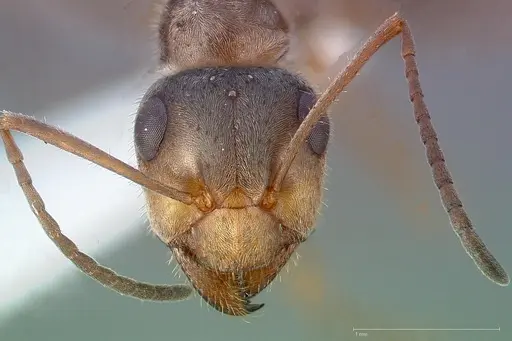
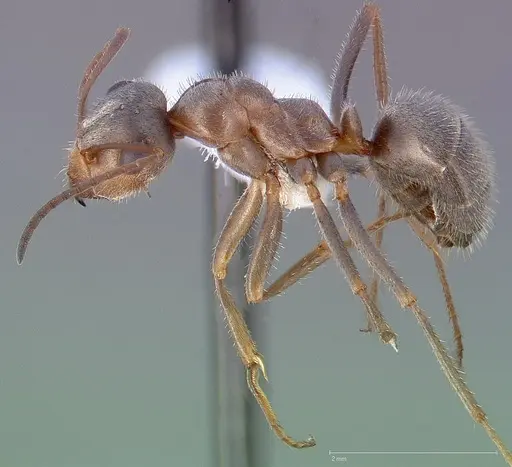
CASENT0100656
View on AntWeb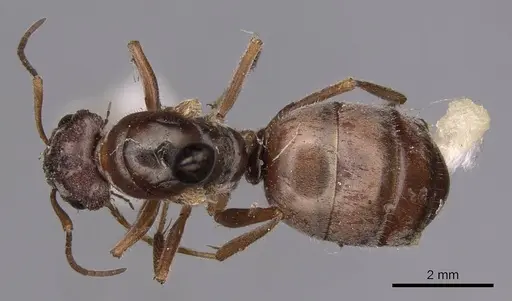
CASENT0102153
View on AntWeb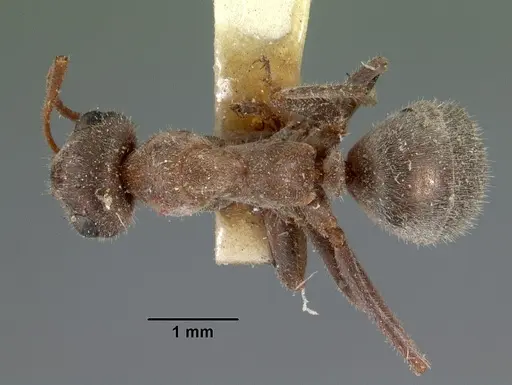
CASENT0280350
View on AntWeb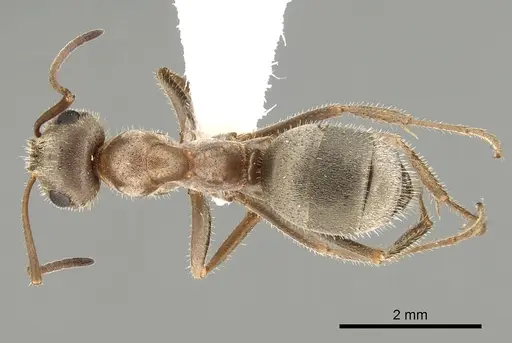
CASENT0915635
View on AntWeb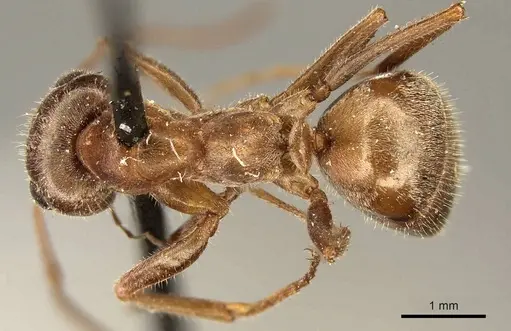
CASENT0923042
View on AntWeb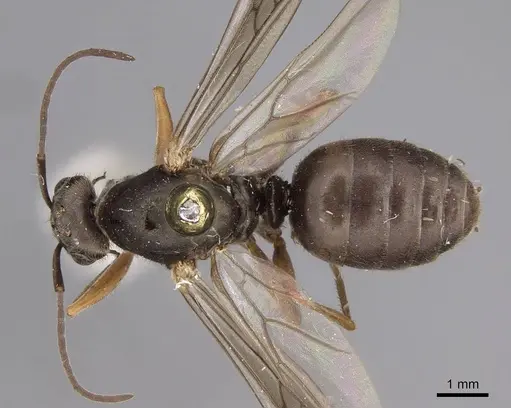
Literature
Loading...Loading products...