

Formica fuscocinerea
- Scientific Name
- Formica fuscocinerea
- Tribe
- Formicini
- Subfamily
- Formicinae
- Author
- Forel, 1874
- Distribution
- Found in 5 countries
Formica fuscocinerea Overview
Formica fuscocinerea is an ant species of the genus Formica. It is primarily documented in 5 countries , including Austria, Switzerland, Germany. Detailed taxonomic data and occurrence records can be further explored via authoritative databases such as AntWeb or the Global Biodiversity Information Facility (GBIF).
Formica fuscocinerea
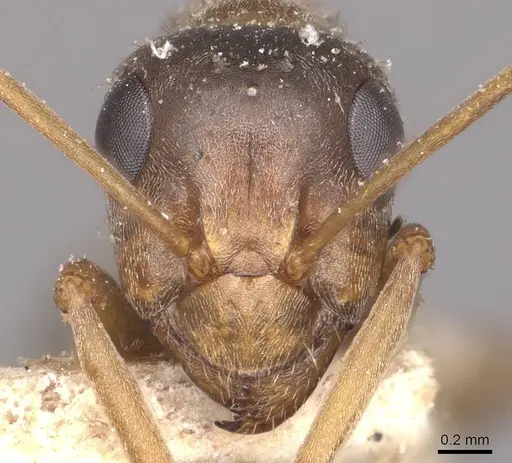
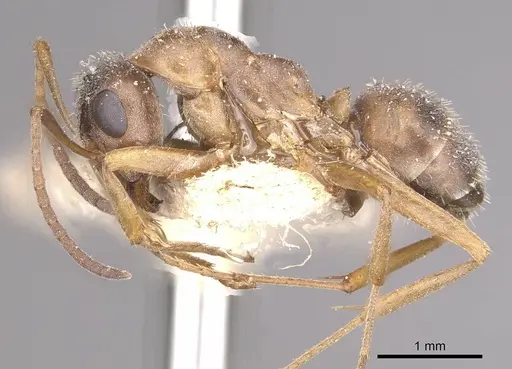
Formica fuscocinerea is a medium-sized ant belonging to the Formica cinerea group, native to the Alpine region and northern Apennines of Europe. Workers measure around 1.3mm in head size, with a characteristic greyish coloration that can show reddish pigmentation on the mesosoma and head in some individuals. This species is closely related to Formica cinerea but can be distinguished by having fewer setae (bristles) on the ventral head and petiole scale. They are a thermophilic (warmth-loving) pioneer species that thrives in open, sandy habitats with sparse vegetation [1][2].
What makes F. fuscocinerea particularly interesting is its remarkable adaptability to urban environments. While naturally found along sandy river banks and gravel floodplains, it has become a dominant pavement ant in city centers like Zurich, Innsbruck, Linz, and Vienna, nesting in sidewalk cracks and curb gaps. This species forms large supercolonies with multiple nest entrances, some studies documented over 1000 nest entrances per 100 square meters. They are highly aggressive and territorial, able to displace competing ant species and maintain dominance in prime habitats [3][4].
Quick Summary
- Difficulty: Medium
- Origin & Habitat: Alpine region and northern Apennines (Austria, France, Germany, Hungary, Italy, Switzerland, and neighboring countries). Naturally found at sandy river banks and gravel floodplains at altitudes of 200-1050m, but has adapted to urban areas where it nests in pavement cracks and roadside edges [1][3][5].
- Colony Type: Polygyne (multiple-queen) colonies that form large supercolonies. Polydomous systems with multiple connected nest entrances are common. Monogynous (single-queen) colonies are also possible but less common [3][4].
- Colony: Optionally polygyne, Supercolonial
- Founding: Claustral
- Size & Growth:
- Queen: Estimated 7-9mm based on genus typical size, direct measurements not found in available research
- Worker: Head size CS 1301 ± 136 µm (approximately 1.3mm total body length) [1]
- Colony: Very large, supercolonies can have thousands of workers with hundreds of nest entrances [3][6]
- Growth: Moderate, typical for Formica genus
- Development: 6-8 weeks estimated based on typical Formica development patterns (Development time inferred from genus-level data, specific measurements for this species not documented)
- Antkeeping:
- Temperature: Keep at room temperature (20-25°C). This is a temperate species adapted to Alpine conditions, so they tolerate cooler temperatures better than tropical ants. A gentle gradient from 20-26°C works well [5].
- Humidity: Moderate, they prefer dry to moderately moist conditions. Being a pioneer species of sandy river banks, they do well in relatively dry setups. Provide a water tube but avoid overly damp nests [5].
- Diapause: Yes, being a temperate species from Alpine regions, they require a winter dormancy period. Keep at 5-10°C for 2-3 months during winter, typically from late October through early March [5].
- Nesting: Y-tong (AAC) or plaster nests work well for this species. They prefer compact chambers and will expand into multiple connected chambers as the colony grows. Provide some vertical space for their deep nests but avoid overly humid conditions. Test tubes can work for founding colonies [5].
- Behavior: Formica fuscocinerea is aggressive and territorial, this is not a peaceful species. Workers are fast-moving and will vigorously defend their nest. They forage individually and in trails, collecting dead insects (especially road-killed insects near traffic areas) and honeydew from aphids. They have a high escape risk due to their speed and activity level, use excellent barrier prevention (Fluon on test tube rims, tight-fitting lids). They are not suitable for beginners who want a calm, observable colony [7][4].
- Common Issues: aggressive temperament makes them difficult to house with other ant species, keep isolated, supercolony growth means they need lots of expansion space as colony matures, fast movement and small size create escape risk, use fine mesh and barriers, winter dormancy is required, colonies that don't hibernate may decline, polydomous nesting means they may build multiple chambers, provide adequate nest space
Nesting and Housing
Formica fuscocinerea is flexible about nesting locations, in nature they dig simple ground nests in sandy soil, but in urban areas they readily use pavement cracks, curb gaps, and other artificial cavities. For captive care, Y-tong (AAC) nests or plaster nests work well. They prefer relatively dry conditions compared to many ants, the nest should not be overly humid. Provide a test tube setup for founding colonies, then transition to a formicarium as the colony grows. Because they form polydomous colonies (multiple connected chambers), give them room to expand. A nest with multiple connected chambers or the ability to add modules works well for this species. They are not picky about nest materials but avoid setups that stay constantly damp [5][8].
Feeding and Diet
In the wild, F. fuscocinerea is primarily a scavenger that collects dead insects, particularly road-killed insects along traffic routes. They also tend aphids for honeydew and will consume various protein sources. For captive colonies, offer a varied diet: protein sources like mealworms, crickets, or other small insects 2-3 times per week, plus sugar water or honey constantly available. They are enthusiastic foragers and will quickly recruit nestmates to good food sources. Unlike some specialized ants, they are generalist feeders and will accept most standard ant foods. Fresh killed insects are preferred over dried, and they particularly like soft-bodied prey they can dismember easily [7][5].
Temperature and Seasonal Care
This species does well at standard room temperature (20-25°C). As an Alpine species, they are adapted to seasonal temperature variation and actually benefit from a winter dormancy period. During the active season (spring through fall), keep them at room temperature with perhaps a slight warm side in the nest area. In winter, reduce temperature to 5-10°C for 2-3 months, this mimics their natural cycle and helps maintain colony health. Do not skip hibernation as it can weaken the colony over time. They tolerate cooler temperatures well and should not be kept constantly warm like tropical species [1][5].
Behavior and Colony Structure
Formica fuscocinerea is a polygyne species that forms large supercolonies with multiple queens and hundreds or thousands of workers. Colonies are polydomous, meaning they maintain multiple nest entrances connected by tunnels, in the wild, some studies found over 1000 nest entrances per 100 square meters. Workers are highly aggressive and territorial, actively defending their territory against intruders and competing ant species. They can displace other native ants like Camponotus ligniperda and C. vagus from their territories. This aggressive, expansive behavior is what allows them to dominate suitable habitats. For antkeepers, this means the species is best kept alone, they cannot be housed with other ant species and may stress out observers with their constant activity and territorial behavior [4][3].
Escape Prevention
While not the smallest ants, F. fuscocinerea is fast-moving and active, creating significant escape risk. Workers can squeeze through small gaps and are adept at finding weaknesses in setup barriers. Always use excellent escape prevention: apply Fluon or similar barrier compounds to test tube rims and formicarium edges, use tight-fitting lids, and check for any gaps in your setup. Their high activity level means they are constantly exploring for exits. A smooth, slippery barrier surface is essential. They are particularly likely to escape when hungry or when new food is introduced, stay vigilant during feeding times [7].
Frequently Asked Questions
Is Formica fuscocinerea good for beginners?
No, this species is not ideal for beginners. While they are adaptable and relatively easy to keep alive, their aggressive temperament, fast movement, and need for winter dormancy make them better suited for intermediate antkeepers. Their tendency to form large supercolonies also means they need more space than smaller species. Additionally, their constant activity and territorial behavior can be overwhelming for those wanting a calm, observable colony [3][4].
How long does it take for Formica fuscocinerea to produce first workers?
Based on typical Formica development patterns, expect first workers (nanitics) approximately 6-8 weeks after the queen lays eggs. This timeline assumes room temperature (around 22-25°C). Development may be slower at cooler temperatures. The claustral founding queen seals herself in and survives on stored fat reserves until her first workers emerge [5].
Can I keep multiple Formica fuscocinerea queens together?
Yes, this is normal for the species. F. fuscocinerea is naturally polygyne and forms multi-queen supercolonies. Unlike many species where multiple queens fight, these ants are adapted to living together. However, if you are combining unrelated foundress queens in captivity, introduce them carefully and monitor for aggression initially. Established colonies typically accept multiple queens without issue [3][4].
Do Formica fuscocinerea need hibernation?
Yes, they require a winter dormancy period. Being a temperate Alpine species, they need 2-3 months of cold temperatures (5-10°C) annually, typically from late October through early March. Skipping hibernation can weaken the colony and reduce longevity. Reduce temperature gradually in autumn and increase gradually in spring. This is essential for maintaining a healthy, long-lived colony [5].
What do Formica fuscocinerea eat?
They are generalist feeders that accept protein and sugar. Offer small insects (mealworms, crickets, fruit flies) as protein 2-3 times per week, and provide sugar water or honey constantly. They are particularly fond of dead insects and will readily scavenge. Fresh, soft-bodied prey is preferred. They also collect honeydew from aphids if available. A varied diet ensures healthy colony development [7][5].
How big do Formica fuscocinerea colonies get?
Very large. This species forms supercolonies that can contain thousands of workers. In the wild, some colonies have been documented with over 1000 nest entrances per 100 square meters. Expect your colony to grow substantially over several years if kept in good conditions. They are one of the more populous Formica species in the hobby [3][6].
Can Formica fuscocinerea live in a test tube?
Yes, test tubes work well for founding colonies. Use a standard test tube setup with a water reservoir (cotton ball) for humidity. The queen will seal herself in and raise her first brood in the tube. As the colony grows to 50+ workers, consider transitioning to a formicarium with more space. They adapt readily to various nest types but need room to expand as they grow [5].
Why are my Formica fuscocinerea dying?
Common causes include: lack of winter hibernation (they need cold period), overheating from being kept too warm, excessive humidity (they prefer dry conditions), escape-related losses due to inadequate barriers, or insufficient protein in their diet. Also ensure they have access to sugar constantly, without carbohydrates, workers weaken quickly. Check that your setup is not too humid and that you are providing proper hibernation conditions [5].
Is Formica fuscocinerea invasive?
In parts of its range, particularly southern Germany, it has been spreading naturally and is considered invasive in urban areas where it forms large colonies in playgrounds and sidewalks. However, this is within its native European range, it is not invasive outside Europe. If you live in North America or other non-native regions, never release this or any ant species as they can cause ecological damage [3][9].
References

This caresheet is licensed under CC BY-SA 4.0 .
CASENT0911068
View on AntWeb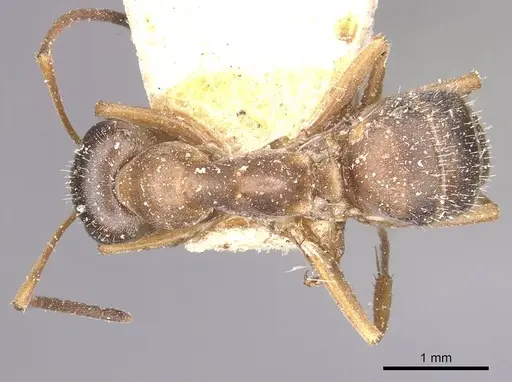
Literature
Loading...Loading products...