

Formica frontalis
- Scientific Name
- Formica frontalis
- Tribe
- Formicini
- Subfamily
- Formicinae
- Author
- Santschi, 1919
- Distribution
- Found in 3 countries
Formica frontalis Overview
Formica frontalis is an ant species of the genus Formica. It is primarily documented in 3 countries , including Andorra, Spain, Portugal. Detailed taxonomic data and occurrence records can be further explored via authoritative databases such as AntWeb or the Global Biodiversity Information Facility (GBIF).
Formica frontalis
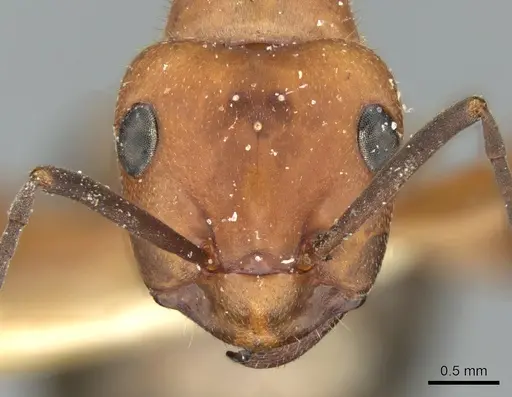
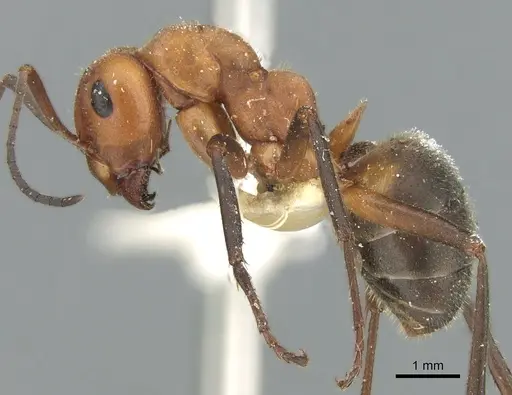
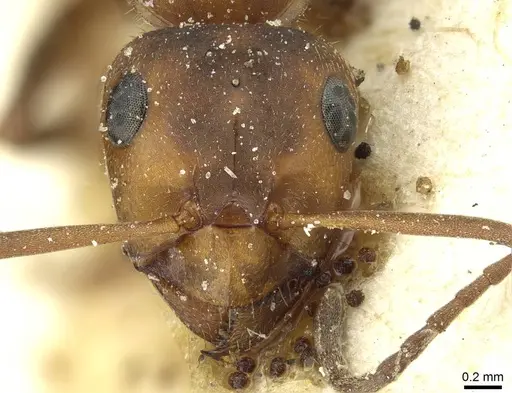
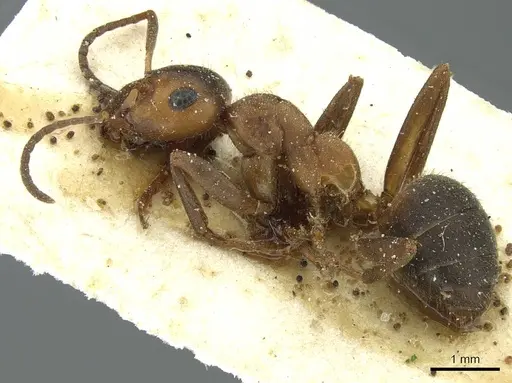
Formica frontalis is a medium-sized red wood ant endemic to the Iberian Peninsula, belonging to the Formica rufa group of mound-building ants. Workers measure 4-6mm with a distinctive reddish-brown thorax and black abdomen, characterized by abundant body hairs but notably lacking hairs on the eyes, scapes, and cheeks, this helps distinguish them from close relatives like F. truncorum [1]. Queens are significantly larger at around 8-9mm [2]. This species is a temporary social parasite that invades colonies of its host species Iberoformica subrufa to establish its own colony [3]. In the wild, they nest under rocks in oak woodlands across Spain, Portugal, and Andorra, typically at higher elevations around 1000-1600m [4][5].
Quick Summary
- Difficulty: Expert
- Origin & Habitat: Iberian Peninsula endemic, found throughout Spain, Portugal, and Andorra in oak woodlands (Quercus pyrenaica and Q. rotundifolia) at elevations of 1000-1600m [4][5][6].
- Colony Type: Temporary social parasite, queens invade host colonies of Iberoformica subrufa, kill the host queen, and use host workers to raise their first brood before establishing their own colony [3]. Once established, colonies appear to be single-queen (monogyne).
- Colony: Monogyne
- Queen: Temporary parasitic
- Size & Growth:
- Queen: 8-9mm (CS 2106 µm) [2]
- Worker: 4-6mm (CS 1527-2045 µm) [2]
- Colony: Likely several thousand workers based on related rufa group species, unconfirmed for this specific species
- Growth: Moderate, growth depends on successful host colony adoption
- Development: 6-8 weeks estimated based on related Formica rufa group species (Development timeline not directly studied, inferred from genus patterns. First workers (nanitics) raised by host workers after queen adoption.)
- Antkeeping:
- Temperature: Keep nest area around 20-24°C. Provide a temperature gradient so ants can self-regulate. Related rufa group species benefit from moderate warmth during active season [2].
- Humidity: Moderate humidity (50-60%). Keep nest substrate slightly moist but not waterlogged. These are woodland ants that prefer stable, moderately damp conditions.
- Diapause: Yes, as a temperate species from the Iberian Peninsula, they require a winter rest period. Reduce temperature to 5-10°C for 3-4 months during winter [7].
- Nesting: Y-tong (AAC) or plaster nests work well. Provide narrow chambers and a connection to an outworld. Include soil or substrate they can manipulate. Naturalistic setups with stones and oak litter mimic their natural nesting under rocks [4].
- Behavior: Workers are active foragers, typical of red wood ants. They are not particularly aggressive but will defend the nest. Workers forage for honeydew, insects, and sugary substances. Escape risk is moderate, use standard formicarium barriers. The most notable behavior is their parasitic founding where queens must invade host colonies to succeed.
- Common Issues: temporary parasitism makes colony establishment extremely difficult, queens require host workers to raise first brood, host species (Iberoformica subrufa) may be difficult to obtain and maintain alongside founding queens, wild-caught colonies may have parasites or fail to adapt to captive conditions, diapause failure can weaken or kill colonies, must provide proper winter rest, single-queen colonies mean no backup if queen dies, colony will not survive
Understanding Temporary Parasitism in Formica frontalis
Formica frontalis is a temporary social parasite, meaning its queens cannot found colonies independently like most ants. Instead, a newly mated queen must locate and invade a colony of its host species, Iberoformica subrufa. Upon entering the host nest, the parasite queen kills or displaces the host queen and uses the host workers to raise her first brood [3]. Once the first workers of the parasite species emerge, they gradually replace the host workers, eventually creating a pure colony of Formica frontalis. This makes keeping this species extremely challenging, you either need to obtain a already-established colony (which is rare), or attempt the difficult process of introducing a queen to a host colony. The host species Iberoformica subrufa must be available and healthy for any chance of success.
Housing and Nest Setup
These ants are medium-sized and require standard escape prevention. Use a Y-tong (AAC) nest or plaster formicarium with chambers scaled to their size. Provide a temperature gradient across the nest, one side at room temperature (~20°C) and the other slightly warmer (~24°C) using a heating cable on top of the nest. Keep the nest substrate slightly moist, rehydrating when the surface dries. Connect to an outworld with standard barriers. Since they nest under rocks in the wild, include some small stones or debris in the nesting area. Outworld should allow for foraging and waste disposal. Ensure ventilation is adequate to prevent mold while maintaining humidity. [4][2]
Feeding and Nutrition
Like other Formica rufa group ants, Formica frontalis is omnivorous. Workers collect honeydew from aphids and tend scale insects in the wild. They also hunt small insects and arthropods. In captivity, offer sugar water or honey as a constant energy source. Feed protein sources like small crickets, mealworms, or other insects 2-3 times per week. Remove uneaten prey after 24-48 hours to prevent mold. Fresh water should always be available. Adjust feeding based on colony size, larger colonies consume more. Avoid overfeeding as it leads to mold problems in enclosed spaces. [7]
Seasonal Care and Overwintering
As a temperate species from the Iberian Peninsula, Formica frontalis requires a winter diapause. In autumn, reduce temperatures gradually to around 5-10°C and maintain this for 3-4 months. During diapause, reduce food offerings significantly or stop feeding entirely. Keep the nest slightly moist during this period, not wet, but not completely dry either. In spring, gradually warm the colony back to active temperatures. Failure to provide proper diapause can weaken colonies and reduce longevity. Do not attempt to keep them active year-round as this stresses the colony. [7]
Behavior and Colony Dynamics
Established colonies show typical red wood ant behavior, active foragers that create well-defined trails. Workers are moderately aggressive when defending the nest but not particularly dangerous to humans. The colony will expand gradually over several years. Unlike some Formica species, this appears to be monogyne (single queen) after establishment. Workers live several years, and the colony grows through the queen's continuous egg-laying. Watch for signs of stress: workers clustering away from the nest, unusual inactivity, or declining brood. These often indicate temperature, humidity, or food issues that need correction. [2][1]
Frequently Asked Questions
Is Formica frontalis suitable for beginners?
No. This is an expert-level species due to its temporary parasitic founding strategy. Queens cannot establish colonies independently, they require a host colony of Iberoformica subrufa to raise their first workers. This makes colony establishment extremely difficult in captivity.
How do I start a Formica frontalis colony?
The only practical approach is to obtain an already-established colony. Attempting to introduce a queen to a host colony is highly complex and rarely successful. Wild colonies exist in the Iberian Peninsula but capturing them requires permits and expertise.
What do Formica frontalis eat?
They are omnivorous like other red wood ants. Offer sugar water or honey constantly for energy. Feed protein (small insects like crickets or mealworms) 2-3 times weekly. They also collect honeydew in the wild, so aphid colonies in the outworld are appreciated.
What temperature do Formica frontalis need?
Keep the nest around 20-24°C with a slight gradient. Use a heating cable on top of the nest to create warmth. Room temperature may suffice in warmer climates, but most keepers use supplemental heating.
Do Formica frontalis need hibernation?
Yes. As a temperate Iberian species, they require a winter rest period. Reduce temperature to 5-10°C for 3-4 months during winter. This is essential for colony health and longevity.
How big do Formica frontalis colonies get?
The exact colony size is unconfirmed for this species, but based on related rufa group ants, established colonies likely reach several thousand workers over several years of growth.
What makes Formica frontalis different from other Formica?
They are one of the few temporary parasitic Formica species, their queens must invade host colonies (Iberoformica subrufa) to establish colonies. They are also endemic to the Iberian Peninsula, making them geographically restricted.
Can I keep multiple queens together?
Not recommended. Unlike some polygyne species, Formica frontalis is monogyne after establishment. Multiple unrelated queens would likely fight. Even pleometrosis (multiple queens founding together) has not been documented for this species.
Where is Formica frontalis found in the wild?
They are endemic to the Iberian Peninsula, found throughout Spain, Portugal, and Andorra. They live in oak woodlands at elevations around 1000-1600m, nesting under rocks [4][5].
References

This caresheet is licensed under CC BY-SA 4.0 .
CASENT0906317
View on AntWeb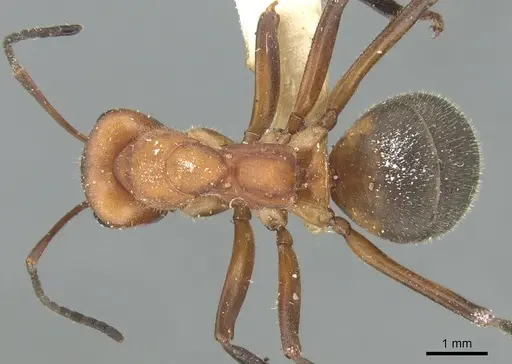
CASENT0912253
View on AntWeb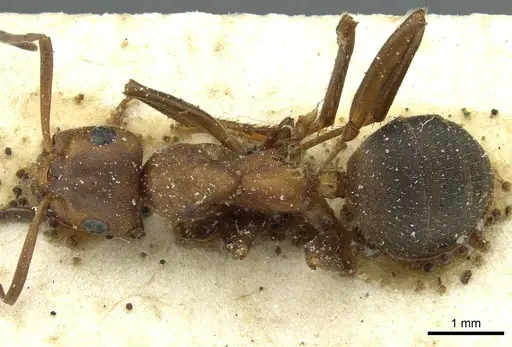
Literature
Loading...Loading products...