

Formica foreli
- Scientific Name
- Formica foreli
- Tribe
- Formicini
- Subfamily
- Formicinae
- Author
- Bondroit, 1918
- Distribution
- Found in 10 countries
Formica foreli Overview
Formica foreli is an ant species of the genus Formica. It is primarily documented in 10 countries , including Andorra, Switzerland, Germany. Detailed taxonomic data and occurrence records can be further explored via authoritative databases such as AntWeb or the Global Biodiversity Information Facility (GBIF).
Formica foreli
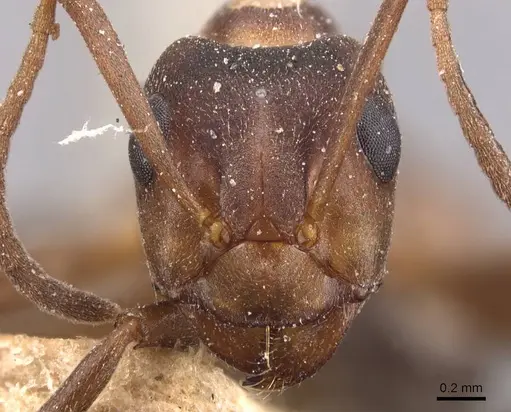
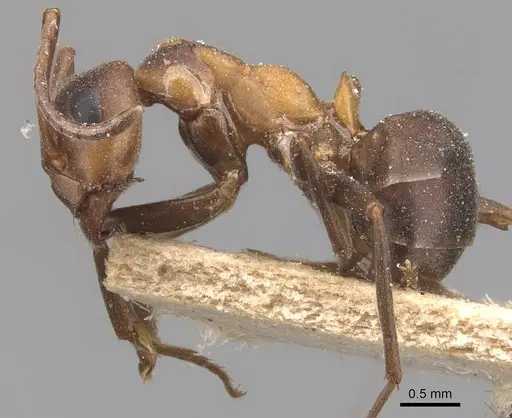
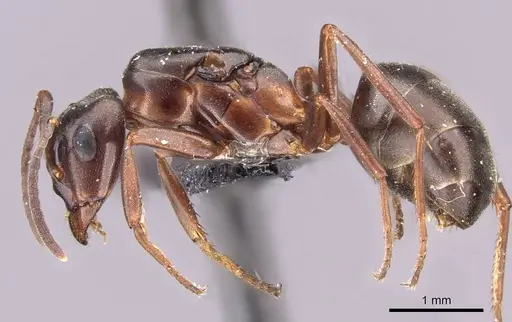
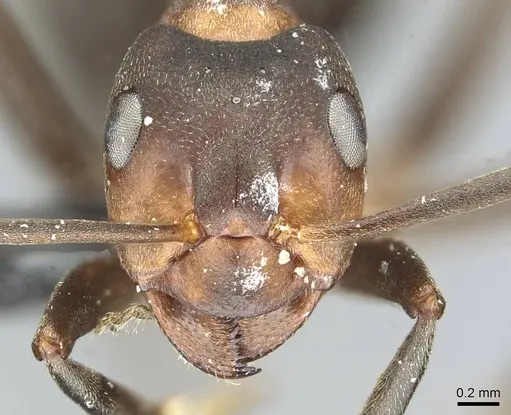
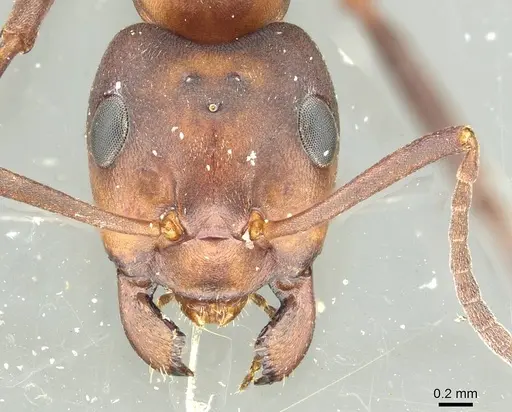
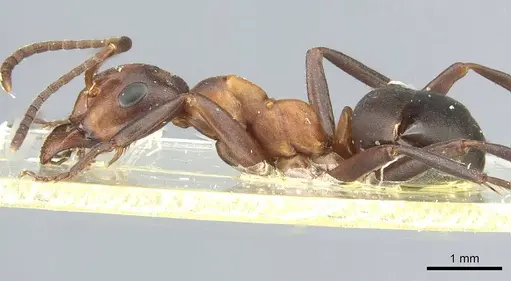
Formica foreli is a small to medium-sized ant belonging to the Coptoformica subgenus, known for building distinctive dome-shaped nests from grass fragments and plant debris. Workers measure 4.5-7mm with a bicolored body, the posterior part of the head and abdomen are brown, while the rest is brownish-red with a dark spot on the thorax. Queens are significantly larger at around 13-14mm [1][2]. This species is one of the most endangered ant species in Europe, with highly fragmented populations across the western Palaearctic region from northern Spain to the Caucasus, including isolated relict populations in northern Germany, Denmark, and southern Sweden [1][3]. The species inhabits open, warm, dry grasslands (xerothermous) on sandy or limestone soils, typically at elevations between 550-2200m [1]. What makes F. foreli remarkable is its polygynous, polycalic colony structure, colonies can consist of hundreds of interconnected nests spanning large areas, with the largest known supercolonies containing over 2500 nests [4][5].
Quick Summary
- Difficulty: Expert
- Origin & Habitat: Western Palaearctic region including northern Spain, northern Italy, Anatolia, Caucasus, the Alps, and Central Europe. Inhabits open oligotrophic and xerothermous (warm, dry) grasslands on sandy or limestone soils [1][6].
- Colony Type: Polygynous (multiple queens) and polycalic (multiple interconnected nests) colony structure. Colonies can have dozens to hundreds of nests, with documented supercolonies reaching over 2500 nests in northern Germany [1][4]. Temporary social parasitic founding using host species like Formica fusca, F. cunicularia, or F. rufibarbis [7][6].
- Colony: Polygyne, Supercolonial
- Queen: Socially parasitic, Temporary parasitic
- Size & Growth:
- Queen: 13-14mm (CL 1341 ± 38,CW 1362 ± 38) [1]
- Worker: 4.5-7mm (CL 1288 ± 79 μm, approximately 4.5-7mm) [1][2]
- Colony: Extremely large, supercolonies can have 100-2500+ nests. The largest known colony at Altwarp in northern Germany comprises 2550 nests across 6.24 hectares [5].
- Growth: Moderate, development timeline estimated at 6-10 weeks from egg to first worker based on typical Formica patterns
- Development: 6-10 weeks (estimated based on typical Formica development at optimal temperature) (Direct development data unavailable, estimate based on genus-level patterns for Formica species. Queens likely seal themselves in during claustral founding.)
- Antkeeping:
- Temperature: Keep at 20-24°C with a warm, dry gradient. This is a xerothermous species adapted to warm, open grasslands, provide a heating area around 24°C but allow cooler retreat areas [1][6].
- Humidity: Low to moderate, prefer dry to mesic conditions. Provide a dry nest chamber with occasional moisture at the edges. Avoid overly damp conditions [1][6].
- Diapause: Yes, requires winter hibernation period. Based on temperate European distribution and nuptial flight timing in July-August, colonies should be hibernated at 5-10°C for 3-4 months during winter [1].
- Nesting: Y-tong or acrylic nests work well. Provide a dry nest chamber with a small water reservoir for humidity control. The species naturally builds dome-shaped mounds from grass fragments, a thin layer of substrate material in the outworld can encourage natural building behavior [1][6].
- Behavior: Very aggressive and territorial. Workers actively defend colony territory against other ant species and will launch coordinated group attacks on intruders, documented attacking Formica fusca, F. sanguinea, F. pratensis, and Camponotus ligniperda [5]. Foragers collect honeydew from aphids on trees (Pinus sylvestris, Betula pendula) and hunt invertebrates including caterpillars up to 2cm long [5]. Workers are highly active foragers that mobilize quickly to food sources, 5-10 workers arrive within 60 seconds of food discovery [5]. Escape risk is moderate, workers are medium-sized and standard barrier methods work well, but their aggressive nature means escape prevention is still important.
- Common Issues: colonies are critically endangered in the wild, ethical concerns about removing queens from already fragile populations, temporary social parasitic founding means you need a host colony (F. fusca, F. cunicularia, or F. rufibarbis) for the queen to invade, extremely difficult to establish in captivity, very aggressive behavior can lead to escapes when defending territory against other ants, large polycalic colony requirements make this species impractical for most hobbyists, they need extensive space with multiple nest sites, habitat specialists require specific xerothermous conditions that are difficult to replicate reliably in captivity
Colony Founding and Social Parasitism
Formica foreli uses temporary social parasitism to found new colonies. A newly mated queen invades the nest of a host species (typically Formica fusca, F. cunicularia, or F. rufibarbis), kills or displaces the host queen, and uses the host workers to raise her first brood [7][6]. This makes captive establishment extremely challenging, you cannot simply keep a single queen in a test tube like you would with most ants. Instead, you would need to introduce a F. foreli queen into an established colony of a suitable host species, and even then, the host workers may reject or kill the intruding queen. Laboratory observations by Kutter (1957,1969) showed eudulotic behavior where foreli workers would kill lemani queens after invasion [1]. This parasitic founding strategy is why the species is considered expert-level, most antkeepers should not attempt to establish wild-caught queens given the ethical concerns and technical difficulty.
Nest Preferences and Housing
In the wild, F. foreli builds distinctive dome-shaped nest mounds from chewed grass fragments and plant material. Nest diameter typically ranges from 10-50cm, with some reaching up to 80cm [4][5]. On very warm, dry sites, they may create underground nests without plant cover, and pure underground nests have been found under flat stones [4]. For captive care, a Y-tong or acrylic formicarium with a dry nest chamber works well. Provide a small water reservoir for basic humidity control, but the nest itself should remain relatively dry. A thin layer of substrate material in the outworld allows workers to engage in natural building behavior if they choose. The species is not demanding about chamber size but does need adequate space for a growing colony. Standard escape prevention measures are sufficient given their medium size.
Feeding and Diet
Workers are opportunistic foragers with two main feeding strategies: trophobiosis (honeydew collection) and predation. In the wild, they visit aphid colonies on Pinus sylvestris and Betula pendula trees in large numbers [1][5]. They also actively hunt invertebrates including Dermaptera (earwigs), Heteroptera (true bugs), Coleoptera (beetles), Lepidoptera (caterpillars up to 2cm), and even other ant species [5]. They also scavenge dead Homoptera, Coleoptera, Diptera, and Lepidoptera. In captivity, offer sugar water or honey regularly (they will tend aphids if present), and provide protein sources like small insects, mealworms, or crickets. They mobilize quickly to food, 5-10 workers arrive within 60 seconds of food discovery, with 30-50 workers within 120 seconds [5]. Feed protein 2-3 times per week and keep sugar water available constantly.
Temperature and Seasonal Care
As a xerothermous species adapted to warm, dry grasslands, F. foreli prefers temperatures in the low-to-mid 20s°C. Provide a thermal gradient with a warm area around 24°C and cooler retreat zones. The species is found at elevations from 552-2200m in the Alps and up to 2200m in Anatolia, indicating it can tolerate a range but prefers warmth [1][6]. During winter, colonies require a true hibernation period of 3-4 months at 5-10°C, consistent with their temperate European distribution. Nuptial flights occur from mid-June to late August (peak mid-July), so alates typically appear in late summer and mating occurs before winter [1]. After hibernation in spring, colony activity resumes and the cycle continues.
Behavior and Colony Dynamics
F. foreli is notably aggressive and territorial, actively defending its colony territory against other ant species. Field studies documented 30 attacks by F. foreli workers on other ants in just 60 minutes of observation near nests, 27 attacks on F. fusca, and single attacks on F. sanguinea, F. pratensis, and C. ligniperdus [5]. Attack behavior involves an initial rapid lunge by one worker, followed by reinforcement from nestmates within 2-3 seconds. Workers fix the attacked ant by biting its head and thorax, then drag it toward the nest. However, they avoid direct interaction with larger ants like F. sanguinea due to size disadvantage [5]. The polycalic colony structure means multiple nests are interconnected and share workers, creating massive territorial networks. This social structure, combined with their aggressive defense, makes F. foreli a dominant species in its habitat, it often excludes other aggressive Formica species like F. sanguinea, F. rufa, and F. truncorum from its territory [5].
Frequently Asked Questions
Is Formica foreli suitable for beginners?
No. This is an expert-level species due to its temporary social parasitic founding strategy, queens cannot establish colonies independently but must invade and take over host Formica colonies (like F. fusca or F. cunicularia). This makes captive establishment extremely difficult. Additionally, the species is critically endangered in the wild, raising serious ethical concerns about removing queens from already fragile populations.
How do I start a Formica foreli colony?
You would need to introduce a newly mated F. foreli queen into an established colony of a suitable host species (Formica fusca, F. cunicularia, or F. rufibarbis). The queen must kill or displace the host queen and convince host workers to accept her. This process has very low success rates even in laboratory conditions. Given the species' critically endangered status and the technical difficulty involved, this species is not recommended for captive breeding, instead, appreciate them in the wild or support conservation efforts.
What temperature do Formica foreli need?
Keep them at 20-24°C with a warm area around 24°C. This is a xerothermous (warmth-loving) species adapted to open, sunny grasslands. Provide a thermal gradient so workers can choose their preferred temperature. During winter, they require 3-4 months of hibernation at 5-10°C.
How big do Formica foreli colonies get?
Extremely large. F. foreli forms polycalic (multiple interconnected nests) and polygynous (multiple queens) colonies. The largest known supercolonies contain over 2500 nests spanning several hectares. Even typical colonies have dozens to hundreds of nests. This species is not suitable for indoor antkeeping due to the massive space requirements.
Are Formica foreli endangered?
Yes, critically so. They are listed as critically endangered in Switzerland, Germany, and the Czech Republic. Major threats include intensive agriculture (fertilizers, nitrogen deposition), decline in traditional sheep grazing, afforestation, and habitat destruction. Their populations are highly fragmented with isolated relict colonies across their range. The species should not be collected from the wild.
References

This caresheet is licensed under CC BY-SA 4.0 .
CASENT0173871
View on AntWeb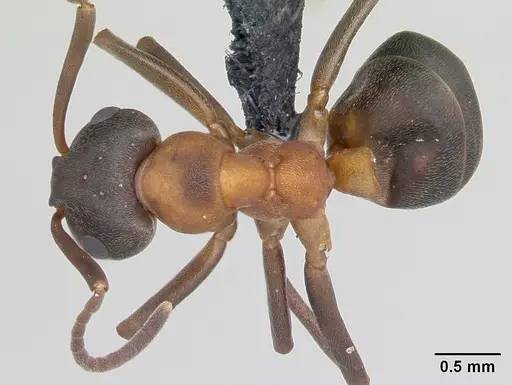
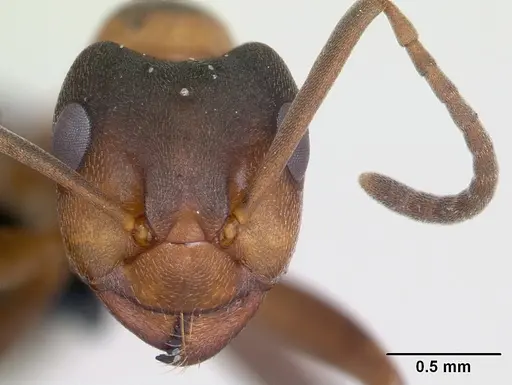
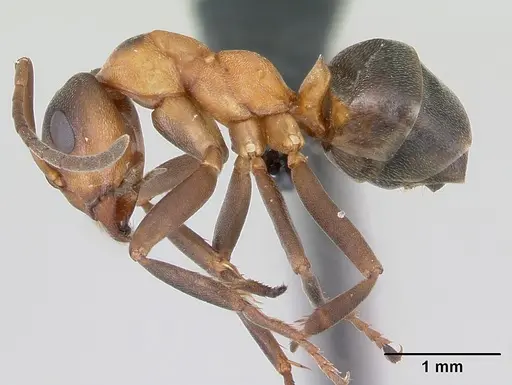
CASENT0905704
View on AntWeb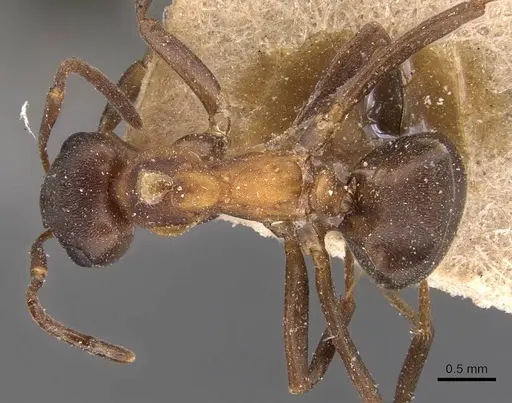
CASENT0907580
View on AntWeb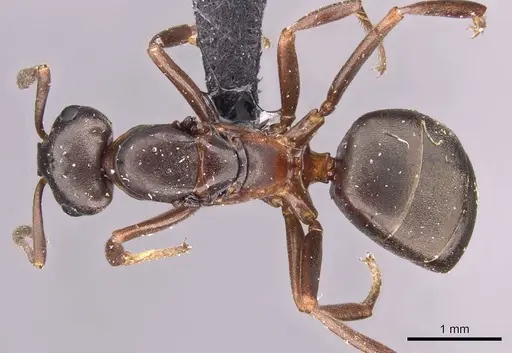
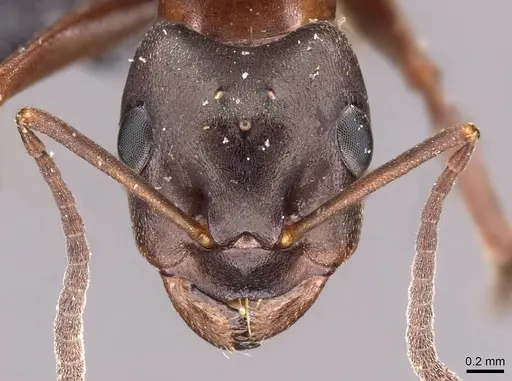
CASENT0912244
View on AntWeb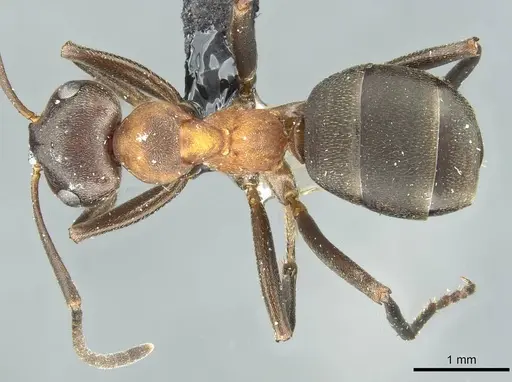
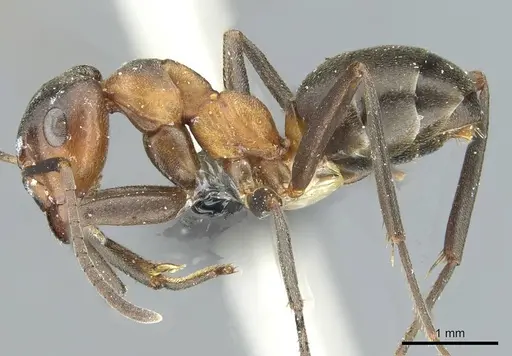
CASENT0912245
View on AntWeb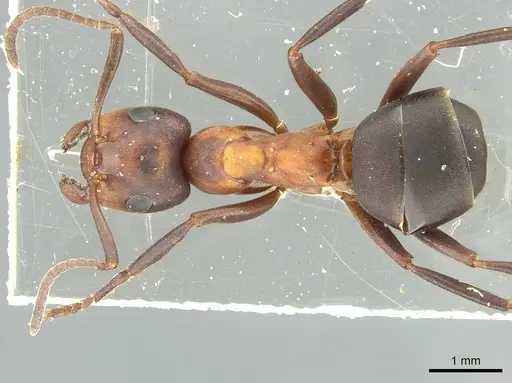
Literature
Loading...Loading products...