

Formica fennica
- Scientific Name
- Formica fennica
- Tribe
- Formicini
- Subfamily
- Formicinae
- Author
- Seifert, 2000
- Distribution
- Found in 2 countries
Formica fennica Overview
Formica fennica is an ant species of the genus Formica. It is primarily documented in 2 countries , including Finland, Norway. Detailed taxonomic data and occurrence records can be further explored via authoritative databases such as AntWeb or the Global Biodiversity Information Facility (GBIF).
Formica fennica
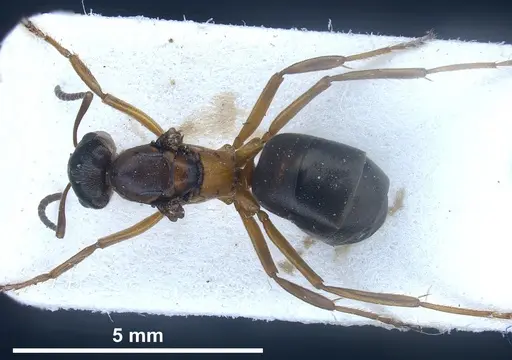
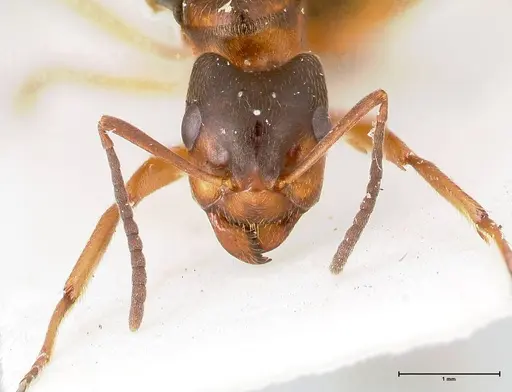
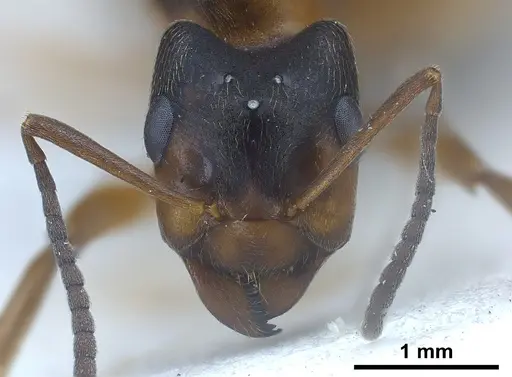
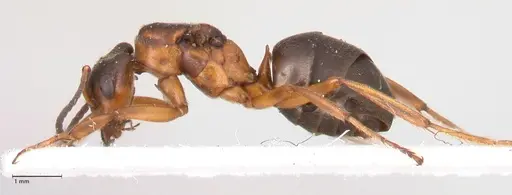
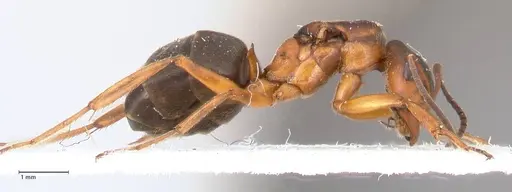
Formica fennica is a small to medium-sized ant belonging to the subgenus Coptoformica, first described by Seifert in 2000. Workers are characterized by their distinctly elongated heads (CL/CW ratio around 1.07) and very sparse body hair, with standing setae only appearing on the third to fifth abdominal tergites. Queens are medium-sized with similarly elongated heads. The species has an extremely limited distribution, known only from a handful of sites in southern Finland and the Caucasus mountains (Georgia and Azerbaijan), with a single record in Norway [1][2]. This is one of the rarest European ants, with a narrow habitat spectrum restricted to south boreal grasslands and Caucasian montane pastures [3]. Note: Genetic studies suggest Finnish populations may represent a morph of Formica exsecta rather than a distinct species [4].
Quick Summary
- Difficulty: Expert
- Origin & Habitat: South boreal and Caucasian-montane regions. In Finland, found in fresh-dry grasslands between birch woodland and road ditches at 45-130m altitude. In the Caucasus, found on short-grassy mountain pastures at 1600-1700m elevation [5][1][2].
- Colony Type: Likely monogyne (single queen) based on large worker size in some colonies. Polycalic (multiple connected nests) colonies documented in Finland, while Caucasian populations appear monodomous (single nest). As a Coptoformica member, likely a temporary parasite requiring a host Formica species for colony founding [5][1].
- Colony: Monogyne
- Queen: Temporary parasitic
- Size & Growth:
- Queen: Medium-sized, mean CS 1538 µm (approximately 5.5-6mm) [2].
- Worker: Rather small, mean CS 1271 µm (approximately 4-5mm) [2].
- Colony: Maximum colony size unconfirmed. Polycalic Finnish colonies comprised 40 nests [5].
- Growth: Unknown, likely moderate based on typical Formica development.
- Development: Unconfirmed. Based on related Formica species, estimate 6-10 weeks at optimal temperature. (Development timeline not directly studied. Related Coptoformica species typically take 6-8 weeks from egg to worker at warm temperatures.)
- Antkeeping:
- Temperature: Keep at room temperature around 20-24°C. As a boreal/montane species, they prefer cooler conditions than tropical ants. Avoid overheating, temperatures above 28°C may be harmful [3].
- Humidity: Moderate humidity. Natural habitats are fresh-dry grasslands and montane pastures, not wet environments. Keep nest substrate moderately moist but not waterlogged.
- Diapause: Yes, as a boreal species, they require hibernation. Provide a cold period at 5-10°C for 3-4 months during winter, simulating natural seasonal cycle [3].
- Nesting: Natural nests are mound-type constructions in grasslands. In captivity, use a formicarium with soil or sandy substrate that allows for mound-building behavior. Y-tong nests with dirt chambers can work, but they may need space for natural nest construction. Avoid overly moist conditions.
- Behavior: Workers are active foragers, typical of Formica species. They likely defend their nests aggressively but are not particularly aggressive toward keepers. Escape risk is moderate, standard formicarium barriers should suffice. As a Coptoformica species, they likely exhibit typical temporary parasitic founding behavior where the queen invades a host colony [5].
- Common Issues: extremely limited distribution means this species is rarely available in the antkeeping hobby, temporary parasitic founding requires a host species, obtaining appropriate host colonies is challenging, polycalic colony structure may be difficult to replicate in captivity, hibernation requirements are strict, improper cold periods may kill colonies, genetic ambiguity with F. exsecta may cause confusion with species identification
Taxonomic Status and Identification
1.06), very sparse body pubescence, and absence of setae on the first abdominal tergite [2].
Distribution and Rarity
This is one of Europe's rarest ants with an extremely limited distribution. The species is known from only six locations globally: four in southern Finland between 61-64.4°N and two in the Caucasus (Georgia and Azerbaijan) at 1600-1700m elevation [3][2]. A single record exists from Norway (Sør-Trøndelag County) representing the westernmost occurrence [6]. The Finnish populations inhabit south boreal grasslands at low altitude (45-130m), while Caucasian populations are found in montane pastures at high altitude. The species is considered a continental south boreal inhabitant with a relict occurrence in the Caucasus [1]. This extreme rarity makes wild collection inappropriate and also means captive populations are virtually nonexistent in the antkeeping hobby.
Colony Structure and Nesting
Colony structure varies between populations. Finnish colonies are polycalic, meaning they consist of multiple connected nests spread across an area. One documented colony near Puhos, Finland comprised 40 nests spanning a fresh-dry grassland between birch woodland and a road ditch [5]. In contrast, Caucasian populations appear monodomous (single isolated nests). The largest Finnish nest mounds measured approximately 70×45 cm in diameter and height [5]. Queens are found deep in the soil, making them difficult to locate. Nest construction follows typical Coptoformica type. For captive care, providing space for multiple connected chambers or allowing natural mound construction in a naturalistic setup would best replicate their natural colony structure.
Temporary Parasitism and Founding
As a member of the subgenus Coptoformica, Formica fennica is almost certainly a temporary social parasite. This means founding queens must invade colonies of other Formica species (host species), kill or replace the host queen, and use the host workers to raise their first brood [5]. Once the first workers emerge, they gradually replace the host workforce. However, the specific host species for F. fennica remains unknown and unconfirmed. This parasitic founding strategy is one of the most challenging aspects of keeping this species, as obtaining appropriate host colonies is difficult. Unlike some parasitic ants, they do not appear to be permanent social parasites, the parasitic phase is only during colony founding.
Temperature and Seasonal Care
As a boreal to montane species, Formica fennica prefers cooler temperatures than many common ant species. Keep them at room temperature around 20-24°C, with a slight gradient allowing cooler areas. They are poorly adapted to heat, and temperatures above 28°C are likely harmful. The standard air temperature at their known Finnish sites averages around 13.8°C [3]. During winter, they require a proper hibernation period of 3-4 months at temperatures between 5-10°C. This cold period is essential for colony health and likely triggers reproductive cycles. Gradually reduce temperatures in autumn and allow natural cooling rather than abrupt changes. Provide a slight moisture source during hibernation to prevent complete drying but keep conditions cool and stable.
Feeding and Diet
Like other Formica species, F. fennica likely has an omnivorous diet typical of wood ants. They probably consume honeydew from aphids, plant secretions, and small insects. In captivity, offer sugar water or honey as a constant energy source, along with protein-rich foods like small insects (fruit flies, small crickets, mealworms). Based on related Formica species, they are likely enthusiastic foragers and will readily take both sweet liquids and protein. Feed protein sources 2-3 times per week, with sugar water always available. Remove uneaten prey after 24-48 hours to prevent mold issues.
Legal and Ethical Considerations
Given the extreme rarity of this species and the taxonomic uncertainty surrounding it, antkeepers should exercise extreme caution. This species is protected in parts of its range and should never be collected from the wild. If available at all in captivity, it would likely be from very limited breeding programs. The species is not invasive and should never be released in any region. Given the ongoing scientific debate about whether it represents a separate species or a morph of F. exsecta, antkeepers should ensure they understand the exact provenance of any stock and consider whether keeping this taxon is appropriate given conservation concerns. [4][3]
Frequently Asked Questions
Is Formica fennica a separate species from Formica exsecta?
Scientific debate continues. Seifert described F. fennica as a separate species in 2000 based on morphological differences. However, genetic studies by Hakala et al. (2018) found no clear genetic separation between the two, suggesting Finnish F. fennica populations are actually a morph of F. exsecta rather than a distinct species. Seifert (2019) disputed this finding. For antkeepers, this taxonomic uncertainty means exact identification can be difficult and may require expert analysis.
How difficult is Formica fennica to keep in captivity?
This species is considered expert-level due to multiple challenges: extreme rarity in the hobby, likely temporary parasitic founding requiring a host species, specific hibernation requirements, and the need for naturalistic nesting space. Most antkeepers should not attempt this species unless they have extensive experience with Formica and parasitic ant keeping.
What do Formica fennica ants eat?
Like other Formica species, they likely eat honeydew, sugar sources, and insects. Offer sugar water or honey constantly, along with small insects (fruit flies, small crickets, mealworms) 2-3 times weekly. Remove uneaten prey after 24-48 hours.
Do Formica fennica ants need hibernation?
Yes. As a boreal species from Finland and high-altitude Caucasus locations, they require a proper winter rest. Provide 3-4 months at 5-10°C during winter. Gradually reduce temperatures in autumn rather than making abrupt changes.
What temperature is ideal for Formica fennica?
Keep them at room temperature around 20-24°C. This is cooler than many tropical ants prefer. They are poorly adapted to heat, avoid temperatures above 28°C. A slight temperature gradient allowing cooler areas is beneficial.
How big do Formica fennica colonies get?
Maximum colony size is not well documented. In Finland, polycalic colonies can comprise 40 connected nests. Single nest size is unknown but likely similar to related Formica species with hundreds to low thousands of workers.
Can I keep multiple Formica fennica queens together?
This is not recommended. While polycalic colonies exist in the wild, combining unrelated foundress queens has not been studied and would likely result in aggression. Additionally, this species may require parasitic founding with a host colony rather than pleometrosis (multiple queens founding together).
What is the host species for Formica fennica?
The specific host species is unknown. As a Coptoformica member, it is likely a temporary parasite of other Formica species, but which host species it uses in nature has not been documented. This makes captive breeding extremely challenging.
Where does Formica fennica live in the wild?
Only from six known locations globally: four in southern Finland and two in the Caucasus (Georgia and Azerbaijan). Finnish populations live in south boreal grasslands at 45-130m altitude. Caucasian populations inhabit montane pastures at 1600-1700m elevation. A single record exists from Norway.
How long does it take for Formica fennica to develop from egg to worker?
The exact development timeline is unconfirmed. Based on related Formica species, estimate 6-10 weeks from egg to first worker at optimal temperature (around 20-24°C). Nanitics (first workers) are typically smaller than normal workers.
Is Formica fennica available in the antkeeping hobby?
Almost certainly not, or extremely rare. This is one of Europe's rarest ants with only six known wild populations. The species is not commonly kept and would be extremely difficult to obtain. The taxonomic ambiguity with F. exsecta also complicates captive availability.
References

This caresheet is licensed under CC BY-SA 4.0 .
ANTWEB1041259
View on AntWeb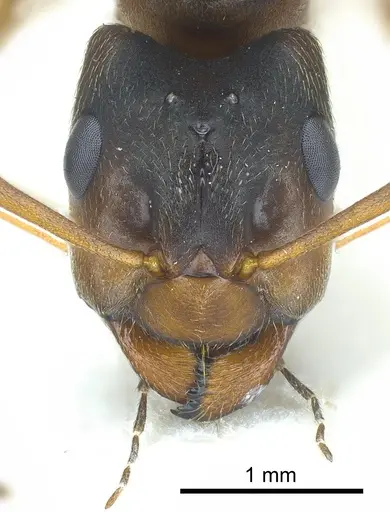
FOCOL0763
View on AntWeb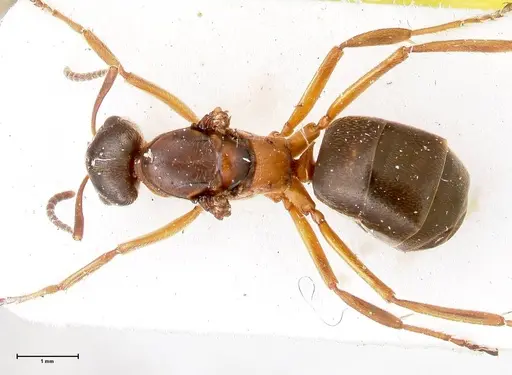
Literature
Loading...Loading products...