

Formica corsica
- Scientific Name
- Formica corsica
- Tribe
- Formicini
- Subfamily
- Formicinae
- Author
- Seifert, 2002
- Distribution
- Found in 1 countries
Formica corsica Overview
Formica corsica is an ant species of the genus Formica. It is primarily documented in 1 countries , including France. Detailed taxonomic data and occurrence records can be further explored via authoritative databases such as AntWeb or the Global Biodiversity Information Facility (GBIF).
Formica corsica
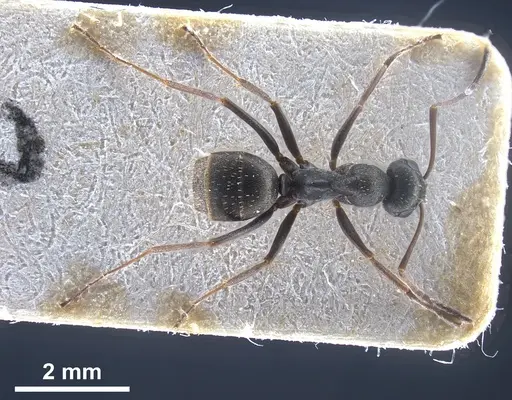
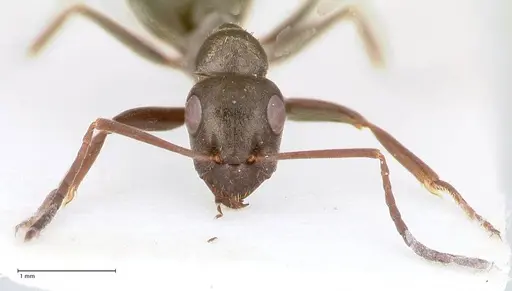
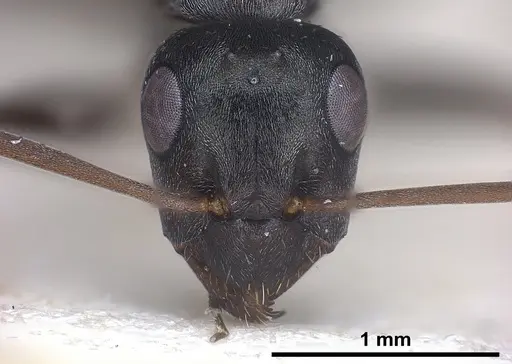
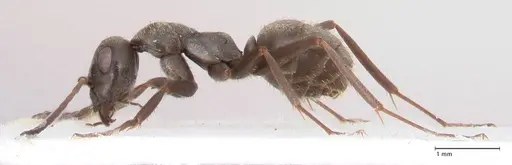
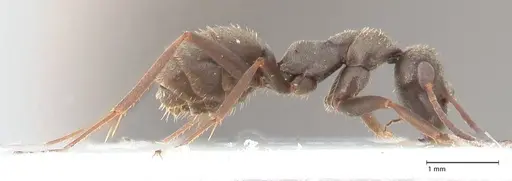
Formica corsica is a small, dark brown ant endemic to the mountains of Corsica. It belongs to the Formica cinerea group but stands out as the smallest species in that group, workers measure only about 1.2mm [1]. Unlike most cinerea-group species that prefer warm, dry riverbanks, these ants live in subalpine and mountain meadows at elevations between 1000-2400m [1]. They nest under stones or bark in these harsh high-altitude environments, where they face long winters, extreme temperature swings, heavy rain and snow, and strong winds [2]. The activity season is short, running from June to September. Their small size may be an adaptation to using tiny preformed spaces for nesting in these challenging conditions.
Quick Summary
- Difficulty: Medium
- Origin & Habitat: Endemic to Corsica, France. Found only in subalpine and mountain meadows at 1000-2400m elevation [1]. Unlike typical cinerea-group species that prefer warm, dry habitats, these inhabit cold, wet high-altitude areas with harsh winters and extreme temperature fluctuations.
- Colony Type: Likely monogyne (single queen) based on typical Formica patterns, though colony structure has not been directly studied.
- Colony: Monogyne
- Founding: Claustral
- Size & Growth:
- Queen: Not directly measured, estimated 7-9mm based on related Formica species
- Worker: 1.1-1.3mm (CS 1193 ± 91 µm) [1]
- Colony: Unknown, likely moderate sized like other cinerea-group species, possibly several thousand workers at maturity
- Growth: Unknown, likely moderate like related species
- Development: Estimated 6-8 weeks based on related Formica species at optimal temperature (Direct development data unavailable, estimate based on genus-level patterns for Formica cinerea group)
- Antkeeping:
- Temperature: Keep cooler than most Formica, aim for 18-22°C. This species naturally lives in high-altitude Corsican meadows with cool summers. Room temperature or slight heating on one side of the nest works well.
- Humidity: Moderate to high, they naturally inhabit moist mountain meadows. Keep nest substrate consistently damp but not waterlogged. Provide a water tube for drinking.
- Diapause: Yes, required. In the wild, they experience long, harsh winters at 1000-2400m elevation. Hibernate at 5-10°C for 3-4 months (roughly November through February in the Northern Hemisphere).
- Nesting: Nests naturally under stones or bark. In captivity, a Y-tong or plaster nest with some moisture works well. Their tiny size means chambers should be appropriately scaled.
- Behavior: Generally peaceful and not aggressive. Like other Formica species, they can spray formic acid as a defense. Workers are active foragers, likely tending aphids and collecting honeydew in addition to hunting small insects. Their small size makes escape prevention important, they can slip through small gaps. They are not known to be particularly aggressive toward keepers but will defend the nest if threatened.
- Common Issues: escape prevention is critical due to their tiny size, use fine mesh and tight-fitting lids, cold temperature requirements may conflict with keeping them in warm rooms, short active season (June-September) means slow colony growth in captivity, high-altitude origins mean they need genuine hibernation, colonies may fail without proper winter rest, limited information makes this a species for antkeepers with some experience
Housing and Nest Setup
Formica corsica is a tiny ant, so escape prevention must be excellent. Use a Y-tong (acrylic) nest or a plaster nest with appropriately scaled chambers. Because they naturally nest under stones in mountain meadows, they appreciate some moisture in their nest substrate, keep it damp but not soggy. A test tube setup works for founding colonies, but be prepared to move them to a proper formicarium once the colony reaches 20-30 workers. The small worker size means even small gaps in equipment can lead to escapes. Apply fluon or use fine mesh barriers. Provide an outworld for foraging with easy access to the nest area. [1][2]
Temperature and Seasonal Care
This is a cool-climate species. Keep the nest area at 18-22°C, they do not need warm conditions like many tropical ants. In fact, overheating is more dangerous than being slightly cool. A room-temperature setup is often ideal. During the summer active season (June-September in the wild), keep them at normal room temperature. Come autumn, you must provide a proper hibernation period. These ants are adapted to high-altitude Corsican winters and need 3-4 months of cold at 5-10°C. A refrigerator or cold garage works well for hibernation. Failure to hibernate will weaken and eventually kill the colony. [1][2]
Feeding and Diet
Like other Formica species, they likely accept a varied diet. Offer sugar water or honey as an energy source, place it on a small piece of cotton or in a shallow container. For protein, provide small insects like fruit flies, pinhead crickets, or mealworm pieces. They may also tend aphids for honeydew if you include plants in the outworld. Feed protein 2-3 times per week for growing colonies, and provide constant access to sugar sources. Remove uneaten prey after 24-48 hours to prevent mold.
Growth and Development
Direct data on development is unavailable for this recently described species (2002). Based on related Formica cinerea-group species, expect eggs to develop into workers in approximately 6-8 weeks at optimal temperature (around 20°C). The first workers (nanitics) will be smaller than mature workers. Growth rate is likely moderate, faster during the summer active season and slower during hibernation. Colonies are probably perennial and can live for many years with a healthy queen.
Behavior and Temperament
Formica corsica workers are small but active foragers. They are not particularly aggressive and will typically flee rather than attack when disturbed. However, they can spray formic acid as a defense, so handle with care. Workers likely use chemical trails to guide nestmates to food sources, similar to other Formica species. The colony will establish clear foraging routes and defend the nest entrance. Their tiny size makes them less intimidating than larger Formica species, but they are still capable of defending their territory.
Frequently Asked Questions
How long does it take for Formica corsica to produce first workers?
Direct data is unavailable, but based on related Formica species, expect first workers (nanitics) in approximately 6-8 weeks after the queen lays eggs, at around 20°C. Growth will be slower during hibernation periods.
Do Formica corsica ants need hibernation?
Yes, absolutely. This is a high-altitude Corsican species adapted to harsh mountain winters. You must provide 3-4 months of cold hibernation at 5-10°C (roughly November-February). Without proper hibernation, the colony will weaken and die.
What temperature should I keep Formica corsica at?
Keep them cooler than most ants, aim for 18-22°C. Room temperature is often ideal. They come from subalpine meadows in Corsica, not warm tropical environments. Avoid overheating.
Are Formica corsica good for beginners?
This is not an ideal beginner species due to limited available care information and specific temperature/hibernation requirements. If you're experienced with Formica species and can provide proper hibernation, they can be kept successfully.
How big do Formica corsica colonies get?
Exact maximum size is unknown, but based on related species in the cinerea group, colonies likely reach several thousand workers at maturity. They are a moderately sized Formica species.
Can I keep multiple Formica corsica queens together?
This has not been studied. Based on typical Formica patterns, single-queen colonies are most likely. Combining unrelated queens is not recommended without evidence they can coexist.
What do Formica corsica eat?
They likely accept sugar sources (honey, sugar water) and protein (small insects like fruit flies, pinhead crickets, mealworms). Like other Formica, they probably also collect honeydew from aphids.
Where is Formica corsica found in the wild?
This species is endemic to Corsica, France. It lives only in subalpine and mountain meadows at 1000-2400m elevation, one of the highest-dwelling Formica species in Europe.
References

This caresheet is licensed under CC BY-SA 4.0 .
CASENT0913664
View on AntWeb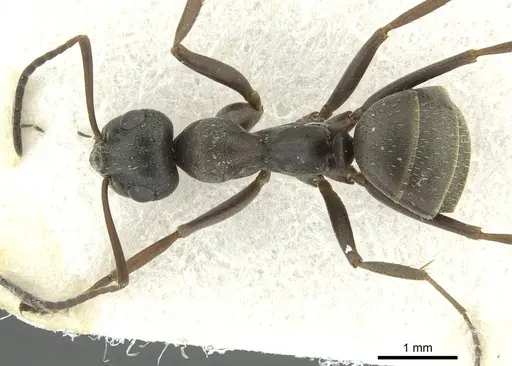
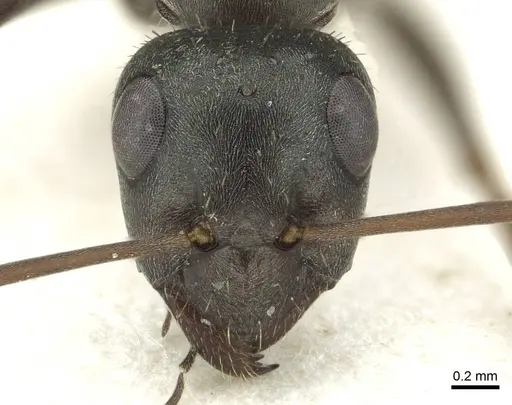
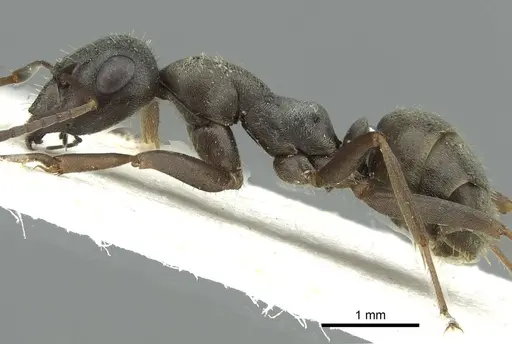
FOCOL0759
View on AntWeb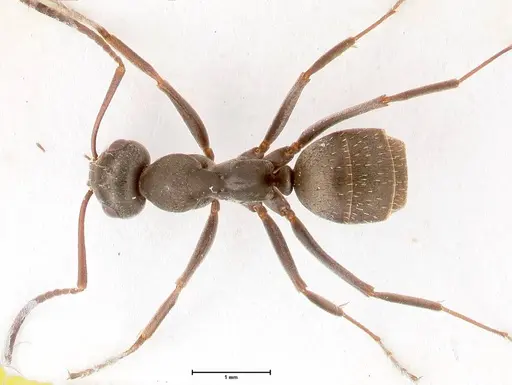
Literature
Loading...Loading products...