

Formica coloradensis
- Scientific Name
- Formica coloradensis
- Tribe
- Formicini
- Subfamily
- Formicinae
- Author
- Creighton, 1940
- Common Name
- Colorado Mound Ant
- Distribution
- Found in 1 countries
Formica coloradensis Overview
Formica coloradensis (commonly known as the Colorado Mound Ant) is an ant species of the genus Formica. It is primarily documented in 1 countries , including United States of America. Detailed taxonomic data and occurrence records can be further explored via authoritative databases such as AntWeb or the Global Biodiversity Information Facility (GBIF).
Formica coloradensis - "Colorado Mound Ant"
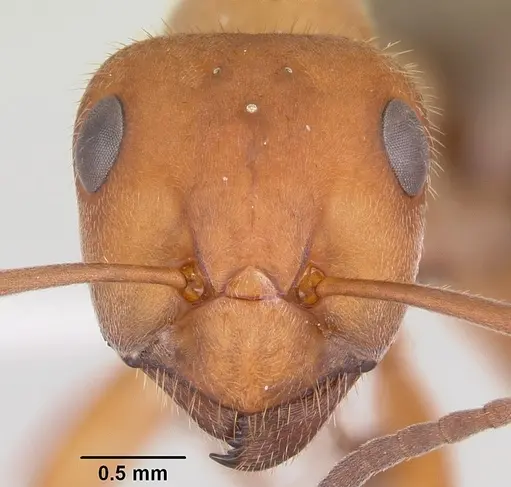
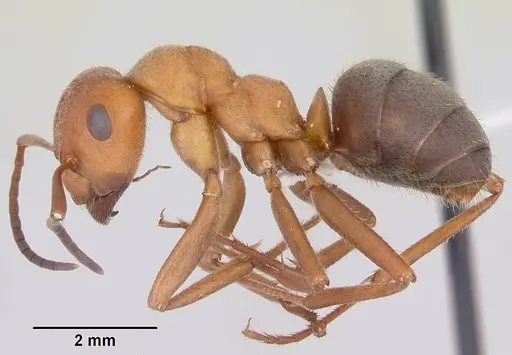
Formica coloradensis is a medium-sized ant belonging to the rufa group, native to the western United States. Workers have a distinctive red head, mesosoma (middle body section), and legs, with bristly erect hairs scattered across their tibiae (lower leg segments) that help distinguish them from similar species. These ants reach around 4-9mm in worker size and construct prominent thatched mounds under logs, stumps, or stones at higher elevations between 1600-3500 meters [1].
These ants are active aphid farmers, forming mutualistic relationships with various aphid species to harvest their honeydew [2]. Their nesting behavior is notable, they select nest sites in areas with moderate to heavy cover, often beginning nests in or under decaying wood, then building characteristic thatched mounds that can grow quite large depending on the founding substrate.
Quick Summary
- Difficulty: Medium
- Origin & Habitat: Western United States (Idaho, Utah, Colorado, Nevada, New Mexico) at elevations of 1600-3500 meters. Found in higher elevation oak forests, aspen-spruce forests, and occasionally meadows.
- Colony Type: Single-queen colonies (monogyne) based on typical rufa group patterns. Colonies can grow large with multiple thousand workers over time.
- Colony: Monogyne
- Founding: Claustral
- Size & Growth:
- Queen: Approximately 8-10mm (estimated based on rufa group species)
- Worker: 4-9mm with major and minor castes
- Colony: Likely several thousand workers at maturity (typical for rufa group)
- Growth: Moderate
- Development: 6-8 weeks (estimated based on typical Formica development) (Development time is temperature-dependent. First workers (nanitics) are typically smaller than mature workers.)
- Antkeeping:
- Temperature: Keep at room temperature (18-22°C) with a slight gradient. These high-elevation ants prefer cooler conditions than many tropical species, avoid overheating. A gentle gradient allowing them to choose their preferred temperature works best.
- Humidity: Moderate humidity (50-60%). These forest ants prefer damp but not saturated conditions. Provide a water source and keep the nest substrate slightly moist.
- Diapause: Yes, as a high-elevation temperate species, they require a winter hibernation period. Reduce temperature to 5-10°C for 3-4 months during winter, mimicking natural seasonal cycles.
- Nesting: Y-tong (acrylic) nests or naturalistic setups work well. They prefer nests with chambers they can modify. Provide access to a foraging area with substrate they can use for thatching behavior if desired. Test tube setups work for founding colonies.
- Behavior: Generally non-aggressive toward keepers but will defend their nest if threatened. Workers are active foragers that farm aphids for honeydew and hunt small insects. They are moderate escape artists, standard barrier methods work well. They show typical Formica behavior of building thatched structures and tending aphid colonies.
- Common Issues: overheating is a serious risk, these high-elevation ants do not tolerate heat well, colonies may fail if not given proper hibernation, they need winter rest to maintain colony health, aphid farming means they need consistent sugar sources, honey water should always be available, large colony size means they need spacious setups as they grow, founding colonies are slow to establish, patience is required during the claustral period
Nest Preferences and Setup
In the wild, Formica coloradensis nests under logs, stumps, or stones, often building characteristic thatched mounds using plant material. The nest structure is heavily influenced by the founding object, small objects result in dome-shaped mounds. For captive care, Y-tong (acrylic) nests work well for established colonies, while test tube setups are ideal for founding colonies. Provide a foraging area where workers can exhibit natural behaviors. Since they naturally nest under objects, consider adding small pieces of wood or stones to the setup. These ants do well with moderate humidity, the nest should feel damp but never waterlogged. A water test tube or cotton wick provides constant access to drinking water. [1]
Feeding and Diet
Formica coloradensis is highly associated with aphids in the wild, forming mutualistic relationships to harvest honeydew [2]. They also prey on small insects and will scavenge. In captivity, provide a varied diet: honey water or sugar water should be available constantly, these ants are heavy honeydew consumers. Offer protein sources like small crickets, mealworms, or fruit flies weekly. They will readily accept sweet liquids and are less interested in seeds or plant matter. The key to keeping these ants healthy is providing consistent sugar access alongside regular protein. Since they farm aphids naturally, they may show interest in any aphid colonies that appear on plants in their foraging area.
Temperature and Seasonal Care
As a high-elevation species from the western United States, Formica coloradensis prefers cooler temperatures than many common ant species. Keep the nest at room temperature (18-22°C) with a gentle gradient so workers can choose their preferred spot. Avoid placing the colony near heat sources or in direct sunlight, overheating can be fatal. These ants are adapted to seasonal temperature swings and require a winter hibernation period. During late fall, gradually reduce the temperature to 5-10°C and maintain this for 3-4 months. This diapause period is essential for colony health and triggers reproductive behavior. Reproductives appear in the nest during July, with dealate (wingless) females collected in July and August in the wild. [1]
Behavior and Colony Dynamics
These ants display typical Formica rufa group behaviors, they are active foragers, farm aphids for honeydew, and will defend their nest vigorously if threatened. Workers are medium-sized and can deliver a mild sting if handled roughly, though they are not particularly aggressive toward keepers. Colonies grow over multiple years, eventually producing reproductives (new queens and males) during the summer months. The thatching behavior, building mounds from plant material, is a distinctive trait of this group. In captivity, you may observe workers carrying small debris to modify their nest structure. Large colonies can become quite impressive with multiple thousand workers, so plan for eventual expansion of their enclosure. [1]
Frequently Asked Questions
How long does it take for Formica coloradensis to raise their first workers?
Expect 6-8 weeks from egg to first worker under optimal conditions. This is typical for Formica species. The queen seals herself in during founding (claustral behavior) and relies on stored fat reserves until her first workers emerge. Be patient, founding colonies can take time to establish.
Do Formica coloradensis ants need hibernation?
Yes, absolutely. As a high-elevation temperate species, they require a winter rest period of 3-4 months at 5-10°C. This is essential for colony health and triggers the production of reproductives. Skip hibernation and your colony will likely decline over time.
What do Formica coloradensis eat?
They need constant access to sugar sources (honey water or sugar water) due to their aphid-farming nature in the wild. Offer protein like small insects (crickets, mealworms, fruit flies) weekly. They are not specialized predators but are opportunistic feeders.
Are Formica coloradensis good for beginners?
They are medium difficulty, easier than some tropical species but requiring more attention to seasonal care than common house ants. You need to provide proper hibernation conditions and maintain cooler temperatures. If you're prepared for their seasonal requirements, they are rewarding ants to keep.
How big do Formica coloradensis colonies get?
At maturity, colonies can reach several thousand workers. They are large, active ants that need spacious setups as they grow. Plan for eventual colony expansion.
Can I keep multiple Formica coloradensis queens together?
No. This species is monogyne (single-queen) in the wild. Unlike some Formica species, they do not form multi-queen colonies. Only keep one queen per colony.
What temperature is best for Formica coloradensis?
Keep them at 18-22°C (room temperature) with a gentle gradient. They prefer cooler conditions than many ant species, avoid heat sources and direct sunlight. Overheating is one of the biggest risks to this species.
When should I move my Formica coloradensis to a formicarium?
Wait until the colony has at least 50-100 workers before moving from a test tube setup. They do well in Y-tong nests or naturalistic setups. Make sure the new setup has appropriate humidity and chambers scaled to their size.
Why is my Formica coloradensis colony declining?
Common causes include: lack of proper hibernation (they need winter rest), overheating (they prefer cool temperatures), insufficient sugar in their diet, or stress from disturbance during founding. Check that you're meeting their basic requirements before assuming illness.
References

This caresheet is licensed under CC BY-SA 4.0 .
CASENT0104875
View on AntWeb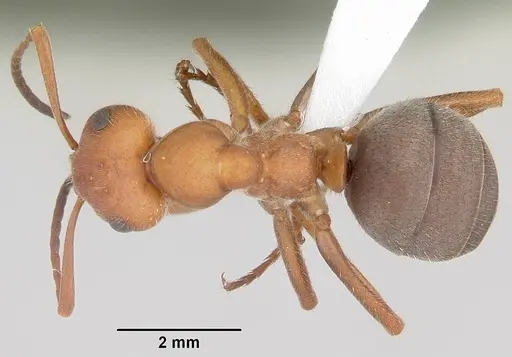
FMNHINS0000046307
View on AntWeb


Literature
Loading...Loading products...