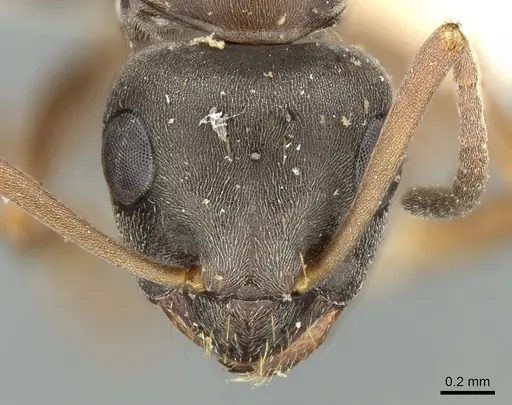
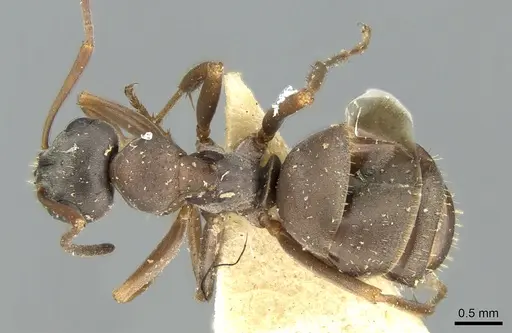
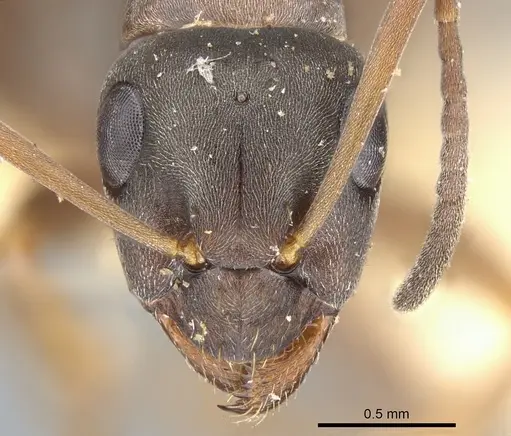
Formica cinereofusca - "Grey Field Ant"
The Formica cinereofusca, often known as the Grey Field Ant, is a captivating species that’s a favorite among antkeepers due to its active nature and relatively straightforward care. These ants are known for their sleek, dark grey to silvery bodies, with queens typically measuring around 8-12mm and workers ranging from 4-8mm. What truly sets them apart is their incredible speed and agility, making them a joy to observe as they zip around their habitat. They are a highly adaptable species, thriving in various environments, including surprising urban settings where they can often be found nesting under pavement stones. Beyond their impressive speed, these ants are also notable for their potent formic acid spray, which they expertly use for both defense against threats and subduing prey during their aggressive hunting excursions.
- Difficulty: Easy
- Origin & Habitat: Palaearctic Region (including Europe, Near East, Asia) in Dry, sunny, sandy areas; grasslands; open anthropogenic habitats like riverbanks, gravel pits, urban areas (under pavement/stones); can be found in mountainous regions up to 2500m..
- Colony Type: Monogyne or Polygyne, claustral founding.
- Size & Growth:
- Queen: 8-12mm
- Worker: 4-8mm
- Colony: Large (tens of thousands, potentially Supercolony with polydomy). Fast, colonies can reach 10,000 workers in less than 4 years under optimal conditions. growth.
- Antkeeping:
- Temperature: Room temperature (21-27°C) is suitable, with optimal growth seen around 21-27°C. Maintaining a warmer temperature can accelerate brood development..
- Humidity: A humidity range of 50-60% is preferred. They do not tolerate overly dry conditions, so consistent moisture is important, especially in the nest..
- Diapause: Required. 3-5 months at 5-10°C.
- Nesting: Ytong (aerated concrete) nests are highly recommended due to their excellent moisture retention and the visual contrast they provide. Acrylic nests and traditional 'sandwich' setups (soil/substrate) are also suitable, allowing observation of their impressive digging behaviors..
- Behavior: High (towards prey and rival ants; defensive formic acid spray towards handlers if provoked) aggressiveness.
- Common Issues: Escapees (due to speed), Humidity fluctuations (can lead to mold or desiccation), Colony stalling (often due to insufficient protein or missed diapause), Queen stress (from excessive disturbance, especially during founding).
One of the most defining traits of Formica cinereofusca, and indeed the entire Formica genus, is their ability to spray formic acid. This isn't just a defensive measure; these clever ants also weaponize it for hunting! While it’s not particularly harmful to humans (though it can sting a bit if it gets in your eyes), it’s incredibly effective against smaller insects and rival ant species. Always exercise caution when interacting with their outworld, as a startled colony might give you a mild, but memorable, acidic shower.
These ants are absolute speed demons, often cited as some of the fastest ants in Northern Europe. Their lightning-fast, sometimes erratic movements, coupled with their excellent vision, are adaptations for their open-habitat foraging. This incredible speed, while fascinating to observe, means you'll need to be extra vigilant during outworld maintenance or feeding times. Escapees are a real possibility, so ensure your formicarium is escape-proof and any openings are securely sealed after handling.
In terms of diet, Formica cinereofusca are primarily honeydew connoisseurs, relishing the sugary secretions from aphids which they often tend in the wild. For your colony, providing a steady supply of sugar water or honey-based solutions is crucial for worker energy. However, don't forget the protein! The queen and developing brood have a significant need for insect protein to fuel their rapid growth. Offer a variety of feeder insects like fruit flies, small mealworms, or crickets, ensuring they are appropriately sized and preferably pre-killed.
A remarkable characteristic of this species is their potential for polydomy, meaning a single colony can spread across multiple interconnected nests. This allows them to exploit a wider range of resources and expand their empire significantly. In the wild, they often form vast, populous systems, sometimes even federations of related nests. Observing such a complex colony structure is a highlight for many antkeepers, but be prepared to offer additional nesting modules as your Formica cinereofusca colony thrives and grows.
Formica cinereofusca are surprisingly urban adapters. While their natural roots lie in sandy riverbanks and open fields, they've shown a remarkable ability to colonize human-modified environments, particularly nesting under pavement stones in cities. This adaptability makes them relatively forgiving for antkeepers, as they can acclimate well to a variety of artificial nest types, from Ytong to acrylic, as long as their core environmental needs for temperature and humidity are met.
Frequently Asked Questions
How quickly do Formica cinereofusca colonies grow?
These ants are known for their impressively fast growth! With optimal care, including consistent temperature and a good protein supply, your Formica cinereofusca colony can explode in numbers, potentially reaching 10,000 workers in under four years. Keeping them well-fed and maintaining ideal conditions is key to witnessing their rapid expansion.
Do Formica cinereofusca queens require a winter dormancy (diapause)?
Absolutely, providing a proper diapause is crucial for the long-term health and vitality of your Formica cinereofusca colony. Hailing from temperate regions, these ants naturally undergo a period of reduced activity during colder months. A cool, stable environment between 5-10°C for 3-5 months, typically from late autumn to early spring, will simulate their natural cycle and boost queen fertility for the next season.
What's the best diet for Formica cinereofusca?
Formica cinereofusca are quite versatile eaters! Their primary energy source comes from sugars, so always provide a consistent supply of sugar water or honey solutions. For robust colony growth and queen egg-laying, a steady intake of protein is essential. Offer a variety of small feeder insects like fruit flies, mealworms, or crickets. Remember, they are formidable hunters, so watching them take down prey can be a thrilling experience in the outworld!
Are these ants aggressive towards other species or people?
They are indeed quite aggressive, particularly when it comes to defending their territory or hunting prey. These 'Grey Field Ants' are known for being fierce predators and will readily tackle other insect species, sometimes even rival ant colonies. While they don't sting, they do possess a potent formic acid spray for defense. Generally, they are not aggressive towards antkeepers unless highly provoked, but a defensive spray is always possible, so handle with care.
What kind of nest setup is ideal for Formica cinereofusca?
For these dynamic ants, a nest that balances humidity retention with good visibility is perfect. Many keepers find Ytong (aerated concrete) nests to be an excellent choice, as they maintain humidity well and offer a fantastic contrast to the ants' dark coloration. Acrylic formicariums also work great, allowing a clear view of their intricate tunnel networks. If you prefer a more natural aesthetic, a 'sandwich' style nest with a soil or sand substrate will let them express their natural digging instincts.
Can Formica cinereofusca colonies have multiple queens?
Yes, Formica cinereofusca colonies can indeed be monogyne (one queen) or polygyne (multiple queens). In some cases, multiple queens may even initiate a colony together during the founding stage. This polygynous potential can lead to incredibly large and thriving colonies, especially when they form polydomous systems across several connected nests, creating a sprawling ant empire in your setup.
How big do Formica cinereofusca queens and workers get?
The queen of Formica cinereofusca is a decent size, typically ranging from 8 to 12 millimeters, making her easily distinguishable within the colony. The worker ants are quite a bit smaller but still noticeable, usually measuring between 4 and 8 millimeters. Their size, combined with their rapid movements, makes them a fascinating species to observe in your formicarium.
Where do Formica cinereofusca originate from?
These ants are native to the vast Palaearctic region, spanning across much of Europe, the Near East, and parts of Asia. Their widespread distribution speaks to their remarkable adaptability to various climates and habitats. This broad natural range is why they are often encountered by ant enthusiasts in many different countries across these continents.
What's the ideal temperature and humidity for keeping them?
Formica cinereofusca are quite adaptable to temperature, comfortably living at typical room temperatures between 21-27°C. Maintaining a warmer end of this spectrum can really speed up brood development. For humidity, aim for a consistent 50-60% inside the nest. They don't appreciate overly dry conditions, so ensuring your nest material retains moisture effectively is key to their well-being.
Do they have specialized castes like majors or soldiers?
Unlike some other ant genera, Formica cinereofusca typically do not exhibit distinct morphological major or soldier castes. All workers are generally considered 'minors,' performing a variety of tasks within the colony. However, within these seemingly uniform workers, there's often behavioral specialization, with some taking on roles like foraging, nursing, or defense, contributing to the colony's overall efficiency.
Can Formica cinereofusca be kept in an urban apartment?
Absolutely! Formica cinereofusca are surprisingly adept at thriving in urban environments, even nesting under pavement in the wild. This adaptability makes them a fantastic choice for antkeepers living in apartments or urban settings. As long as you can provide their basic needs for temperature, humidity, and food, they'll be perfectly happy in a well-designed formicarium in your home.
How should I handle their formic acid spray when interacting with the colony?
While their formic acid spray is a natural defense, it's wise to take precautions. Avoid putting your face too close to the nest or outworld openings, especially if the ants seem agitated. If you're sensitive, you might wear gloves during maintenance. If you accidentally get sprayed, a quick rinse with water is usually sufficient. Remember, a calm approach minimizes stress for both you and your colony.