

Forelius mccooki
- Scientific Name
- Forelius mccooki
- Tribe
- Leptomyrmecini
- Subfamily
- Dolichoderinae
- Author
- McCook, 1880
- Distribution
- Found in 2 countries
Forelius mccooki Overview
Forelius mccooki is an ant species of the genus Forelius. It is primarily documented in 2 countries , including Mexico, United States of America. Detailed taxonomic data and occurrence records can be further explored via authoritative databases such as AntWeb or the Global Biodiversity Information Facility (GBIF).
Forelius mccooki
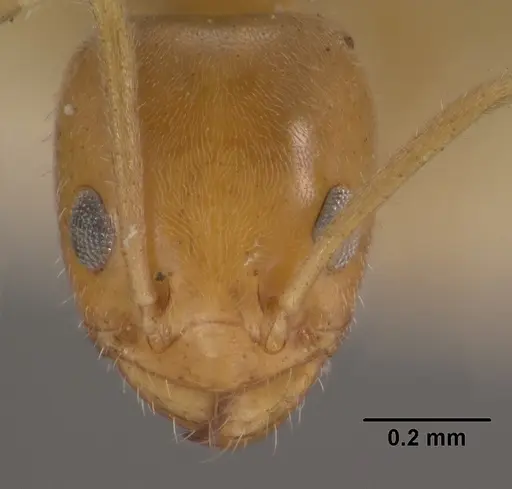
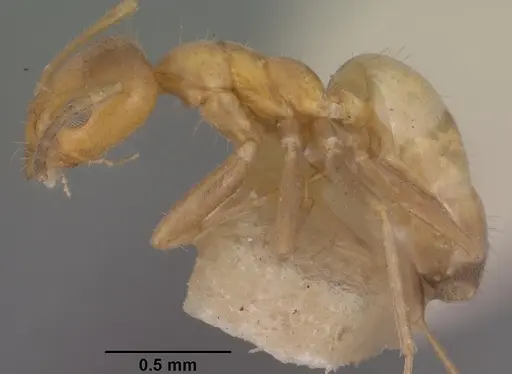
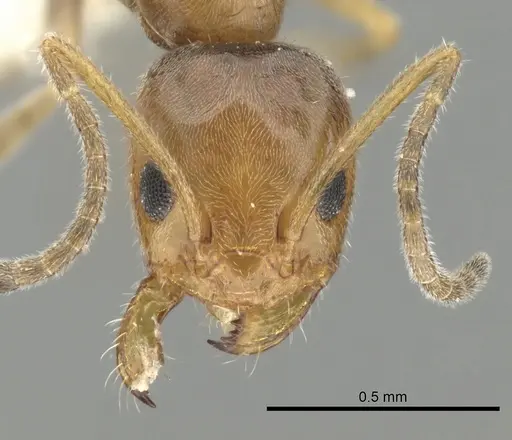
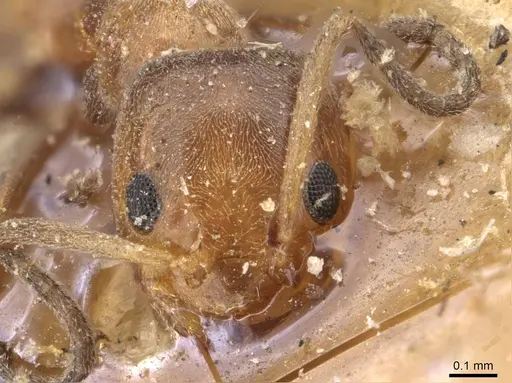
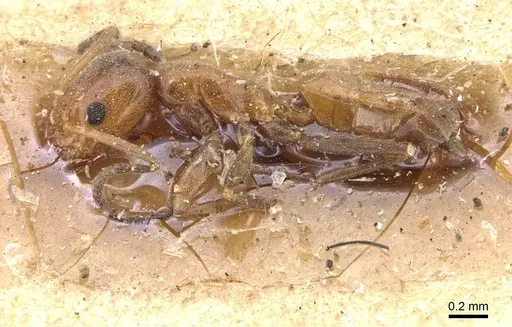
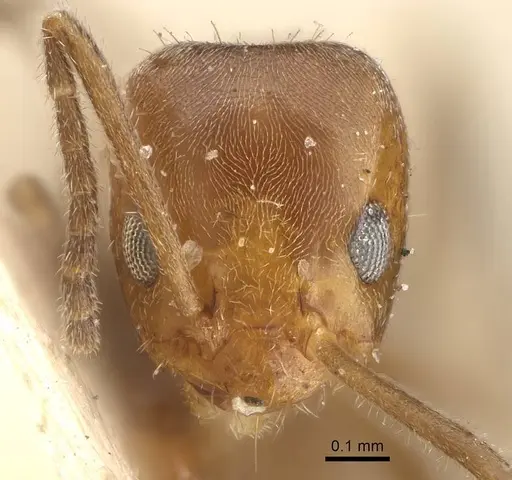
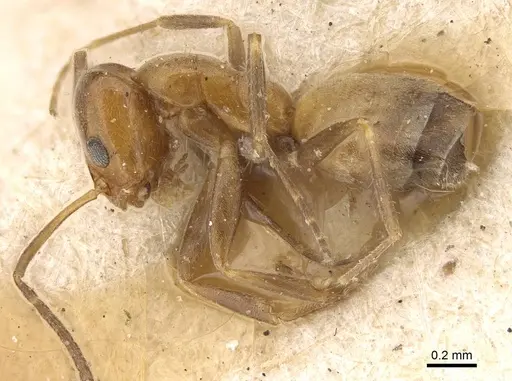
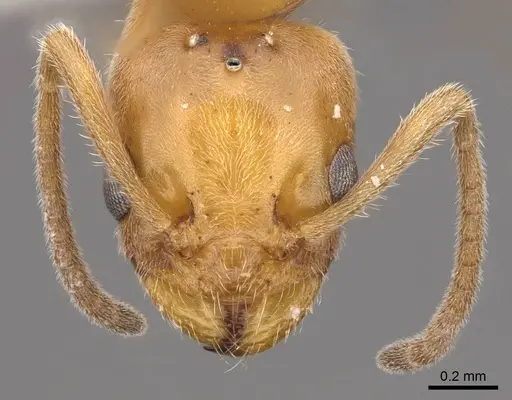
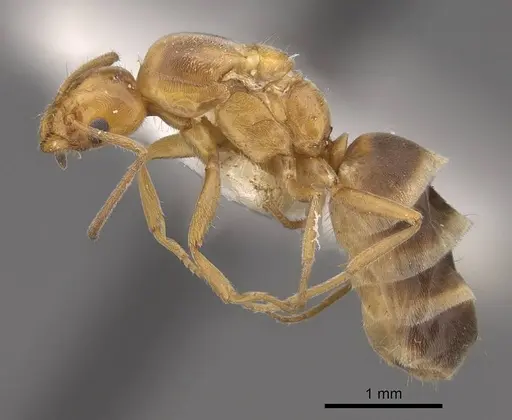
Forelius mccooki is a small, fast-moving reddish-brown ant native to the arid southwestern United States and Mexico. Workers measure around 2-3mm and are easily recognized by their abundant standing hairs on the scapes, head, and tibiae. This species forms colonies with multiple queens and builds nests in soil, often marked by a small mound at the entrance, or under stones at the bases of desert plants [1]. What makes F. mccooki special is its remarkable heat tolerance, these ants remain active during the hottest part of the afternoon when other ant species have retreated, forming rapidly moving groups to forage for insects, nectar, and honeydew [1][2]. They also have a distinctive fruity smell due to methylheptenone secretions [3].
Quick Summary
- Difficulty: Easy
- Origin & Habitat: Native to the southwestern United States and Mexico, ranging from California east to Texas and south into Mexico and Jamaica. Most common in arid habitats like desert grasslands but also found in mesic sites including grasslands and cottonwood forests [1][4].
- Colony Type: Multi-queen colonies (polygyne), multiple queens live together in the same nest [1]. Colonies can grow quite large with dozens of workers actively foraging at peak times [5].
- Colony: Polygyne
- Founding: Claustral
- Size & Growth:
- Queen: Approximately 4-5mm, inferred from genus patterns
- Worker: 2-3mm [1]
- Colony: Large colonies with mean of 46 workers outside nest during peak foraging times, though colonies can support many more [5]
- Growth: Moderate
- Development: 6-8 weeks, estimated based on typical Dolichoderinae development (Development time is estimated as this species has not been specifically studied. Related desert dolichoderines typically develop in 6-8 weeks at warm temperatures.)
- Antkeeping:
- Temperature: Keep at 24-30°C, these are heat-loving desert ants that thrive in warm conditions. They tolerate high temperatures that would overwhelm other species [6][2]. A heating cable on one side of the nest creates a suitable gradient.
- Humidity: Low to moderate, these are desert ants that prefer dry conditions. Keep the nest substrate lightly moist but allow it to dry between waterings. Avoid overly damp conditions.
- Diapause: No, as a desert species from warm climates, they do not require hibernation. They remain active year-round in captivity if kept warm.
- Nesting: Soil nests or test tube setups work well. In the wild they nest in soil with small mound entrances or under stones. A test tube with a dirt chamber or a small formicarium with compact chambers suits their size. Keep nesting area relatively dry.
- Behavior: F. mccooki is an active, fast-moving species with a group foraging strategy. Workers form trails and search for food together, often during the hottest part of the day when other ants are inactive [1]. They are generalist feeders, hunting small insects, scavenging dead insects, and collecting nectar from desert plants. They have a fruity aromatic smell. Escape prevention should be moderate, their small size means they can slip through small gaps, but they are not as prolific escape artists as some species. They are not aggressive toward keepers and rarely sting.
- Common Issues: heat stress from overheating, despite their desert origin, extreme temperatures can still be dangerous, colonies can be outcompeted by more aggressive ant species if housed in mixed setups, small size means escape prevention matters, use tight-fitting lids and barrier tape, overly humid conditions can cause colony decline since they prefer dry desert habitats, wild-caught colonies may have parasites that affect survival in captivity
Housing and Nest Setup
Forelius mccooki does well in standard ant housing setups. Test tubes with a dirt chamber work perfectly for founding colonies, while established colonies can be moved to small formicariums or acrylic nests. These ants prefer compact nesting chambers scaled to their small 2-3mm size. Since they are desert ants, keep the nesting area relatively dry, avoid the damp conditions that work for tropical species. A small water tube for drinking is appreciated, but they get most moisture from food. Because they are small, ensure any connections between nest and outworld are narrow enough to prevent escapes, though they are not extreme escape artists like some tiny species. [1]
Feeding and Diet
F. mccooki is a generalist forager that accepts a wide variety of foods. In captivity, offer small live insects like fruit flies, pinhead crickets, or mealworms as protein sources. They also readily accept dead insects, sugar water, and honey. In the wild, they collect nectar from desert plants including Euphorbia species and cholla cactus flowers, and tend to homopterans like aphids for honeydew [1]. Feed protein 2-3 times per week and keep a constant sugar source available. They are efficient liquid feeders, studies show they perform well at collecting liquid foods even in small amounts [7]. Remove uneaten prey after 24-48 hours to prevent mold.
Temperature and Heating
These are heat-loving desert ants that thrive at temperatures between 24-30°C. Their high thermal tolerance allows them to remain active when other ant species have retreated from the heat [6][2]. Provide a temperature gradient using a heating cable on one side of the nest, allowing workers to regulate their own temperature by moving between warmer and cooler areas. Room temperature (around 22-24°C) is acceptable, but warmer conditions will increase activity and speed up brood development. Avoid temperatures below 20°C for extended periods. Unlike many temperate species, they do not require or benefit from hibernation.
Colony Dynamics
F. mccooki forms polygyne colonies with multiple queens living together in harmony [1]. This is unusual compared to many ant species that have single-queen colonies. Multiple queens allow colonies to grow faster and recover more quickly from losses. Colonies can become quite substantial with dozens of workers actively foraging at peak times [5]. Workers use group foraging strategies, moving in trails or groups rather than individually searching. This makes them entertaining to watch during feeding times. The colony will produce new reproductives (alates) in summer months, reproductives have been found in nests in June and July in the wild [1].
Behavior and Activity Patterns
One of the most fascinating aspects of F. mccooki is their timing, they are most active during the hottest part of the afternoon when most other ant species have retreated [1]. This heat tolerance is a key adaptation to their desert habitat. Workers move quickly in groups, creating visible trails to food sources. They are not particularly aggressive and rarely attempt to sting handlers. When threatened, they may emit their characteristic fruity smell from abdominal glands producing methylheptenone [3]. They are known to nest near other ant species, sometimes at the edges of Pogonomyrmex rugosus (harvester ant) nests [1].
Frequently Asked Questions
Is Forelius mccooki good for beginners?
Yes, F. mccooki is an excellent beginner species. They are hardy, tolerate a range of temperatures, and are not aggressive. Their small size and simple housing requirements make them manageable, and their active foraging behavior is entertaining to watch.
How long does it take for Forelius mccooki to produce first workers?
Expect first workers (nanitics) approximately 6-8 weeks after the queen lays eggs, assuming temperatures around 26-28°C. This is an estimate based on related Dolichoderinae species, as this specific species has not been studied in detail.
Can I keep multiple queens together in one colony?
Yes, this species is naturally polygyne, meaning multiple queens live together in the same nest [1]. You can introduce additional queens to an established colony, though it's usually unnecessary since the colony will produce its own queens over time.
What temperature do Forelius mccooki need?
Keep them warm at 24-30°C. These desert ants tolerate heat well and actually prefer warmer conditions. A simple heating cable on part of the nest creates a gradient they can regulate themselves.
Do Forelius mccooki need hibernation?
No, they do not require hibernation. As desert ants from warm climates, they remain active year-round if kept at room temperature or warmer. Do not attempt to cool them down for winter.
What do Forelius mccooki eat?
They are generalists that accept small live insects, dead insects, sugar water, honey, and nectar. Feed protein (insects) 2-3 times per week and keep sugar water constantly available. They are efficient at collecting liquid foods.
How big do Forelius mccooki colonies get?
Colonies can reach several hundred workers. Studies show an average of 46 workers outside the nest during peak foraging times, but mature colonies can support many more individuals.
When do Forelius mccooki alates (reproductives) appear?
In the wild, reproductives are found in nests during June and July [1]. In captivity, expect alates to develop during warm summer months when the colony is well-established.
Why is my Forelius mccooki colony declining?
Common causes include: too much humidity (they prefer dry conditions), temperatures below 20°C, poor nutrition, or stress from disturbance. Ensure they have adequate heat, dry nesting conditions, and regular protein feeding. Wild-caught colonies may also carry parasites.
What makes Forelius mccooki different from other ants?
Their heat tolerance and afternoon activity pattern set them apart, they forage when most other ants have retreated from the desert heat. Their polygyne colony structure (multiple queens) is also less common than single-queen systems found in many ant species.
References

This caresheet is licensed under CC BY-SA 4.0 .
CASENT0005322
View on AntWeb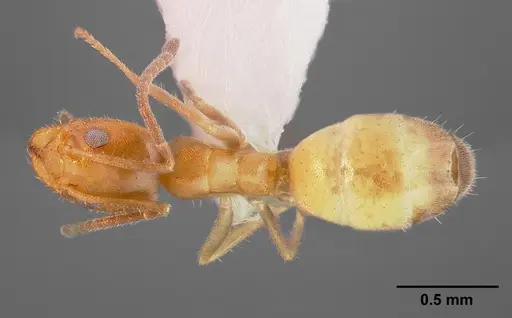
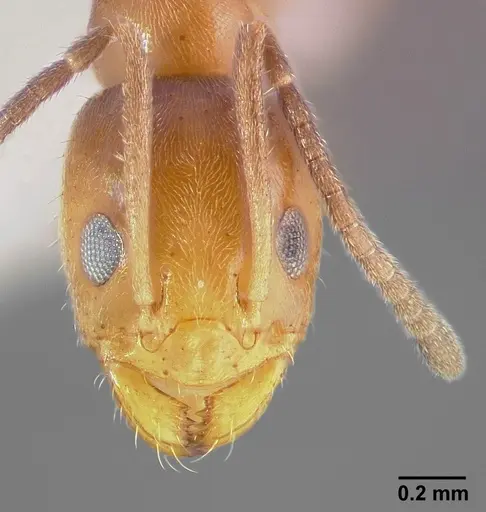
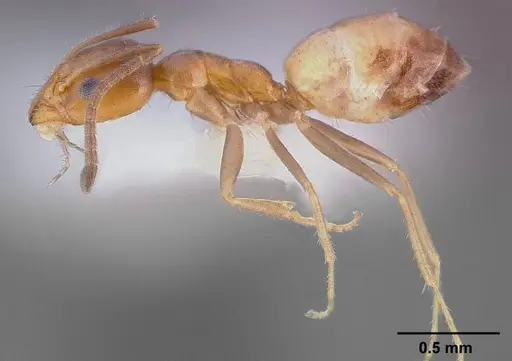
CASENT0102754
View on AntWeb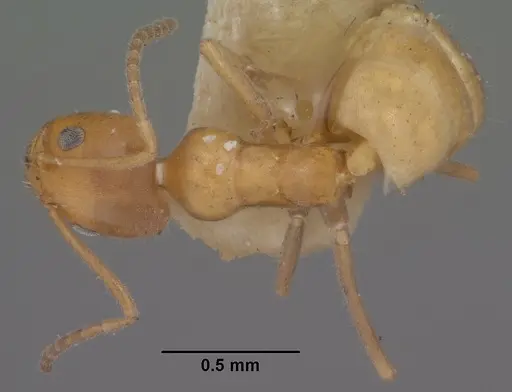
CASENT0249692
View on AntWeb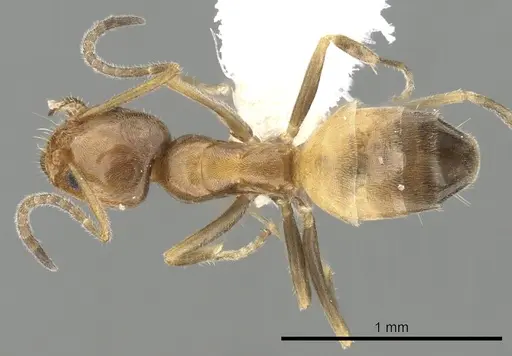
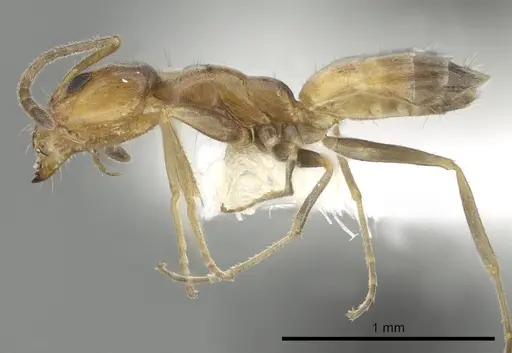
CASENT0909716
View on AntWeb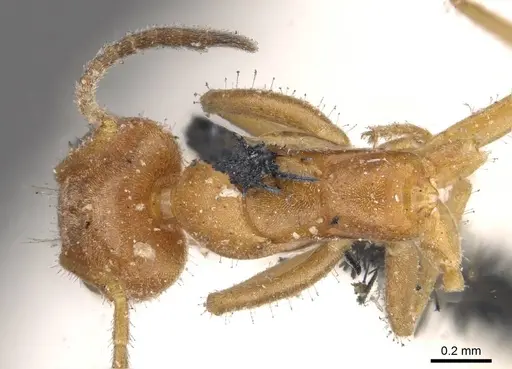
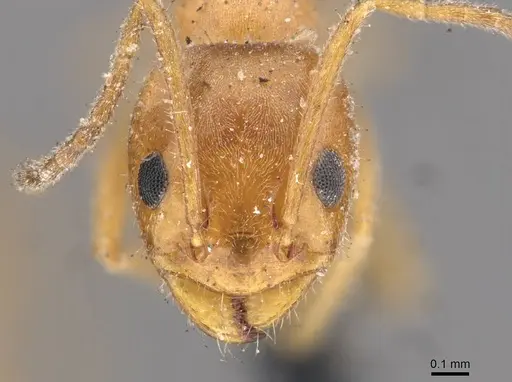
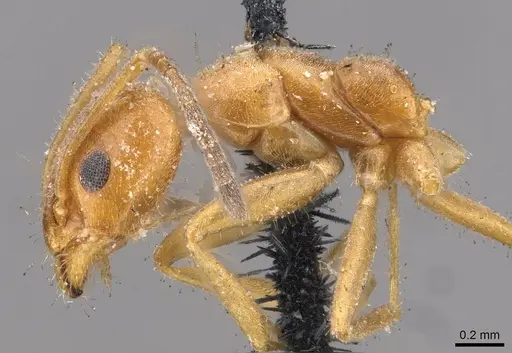
CASENT0909717
View on AntWeb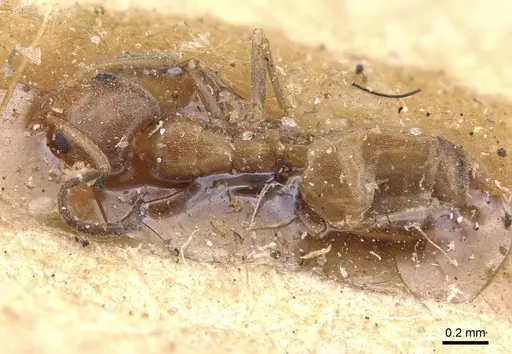
CASENT0922449
View on AntWeb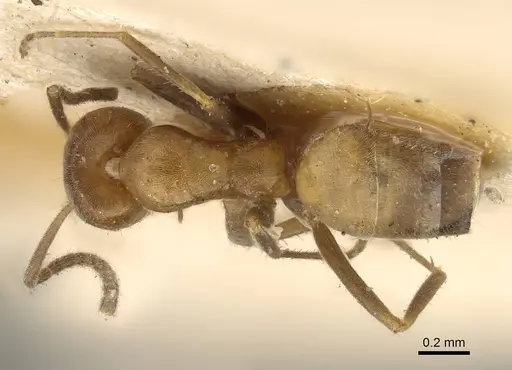
CASENT0923071
View on AntWeb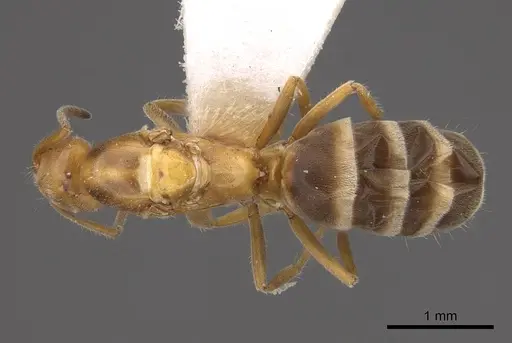
CASENT0923587
View on AntWeb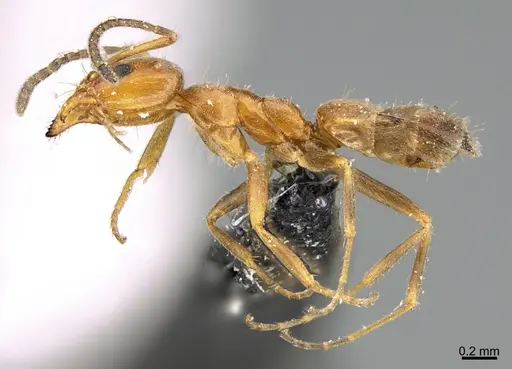
Literature
Loading...Loading products...