

Forelius keiferi
- Scientific Name
- Forelius keiferi
- Tribe
- Leptomyrmecini
- Subfamily
- Dolichoderinae
- Author
- Wheeler, 1934
- Distribution
- Found in 1 countries
Forelius keiferi Overview
Forelius keiferi is an ant species of the genus Forelius. It is primarily documented in 1 countries , including Mexico. Detailed taxonomic data and occurrence records can be further explored via authoritative databases such as AntWeb or the Global Biodiversity Information Facility (GBIF).
Forelius keiferi
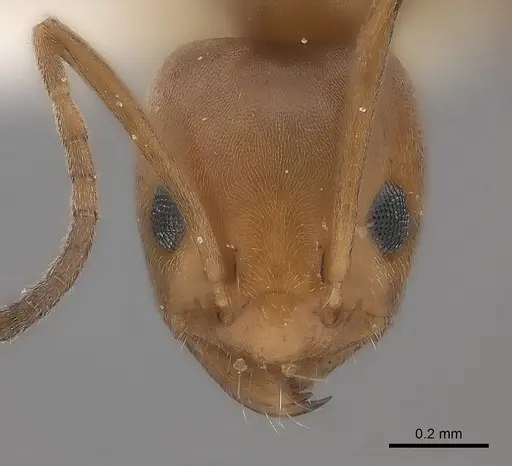
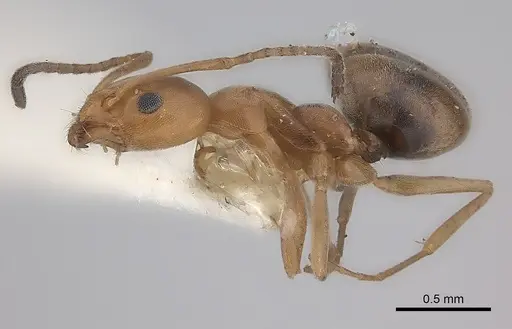
Forelius keiferi is a small Dolichoderine ant native to western Mexico, found primarily on the Revillagigedo Islands (particularly Socorro Island) and the Sinaloa mainland region. Workers measure 2.3-2.5mm with a reddish-brown coloration and yellowish legs, while queens are substantially larger at 5-5.5mm. The species was originally described as a subspecies of Forelius mccooki before being elevated to full species status in 2000. These ants belong to the Leptomyrmecini tribe and are closely related to the more widely studied F. pruinosus, though the two species show overlapping morphological characteristics that have caused some taxonomic uncertainty.
Quick Summary
- Difficulty: Unknown, likely Easy to Medium based on genus patterns
- Origin & Habitat: Native to western Mexico, specifically the Revillagigedo Islands and Sinaloa mainland. Found at low elevations (12-86m) in tropical dry forest habitats [1]. The species nests in soil or under stones in warm, relatively dry conditions typical of the Mexican Pacific coast.
- Colony Type: Colony structure is unconfirmed. Based on genus patterns, likely monogyne (single queen) colonies. No documented ergatoid (wingless replacement queen) presence has been reported.
- Colony: Monogyne
- Founding: Claustral
- Size & Growth:
- Queen: 5-5.5mm [2]
- Worker: 2.3-2.5mm [2]
- Colony: Unknown, likely several hundred to a few thousand workers based on typical Forelius colony sizes
- Growth: Unknown, likely moderate to fast based on genus patterns
- Development: Estimated 6-8 weeks at optimal temperature (based on typical Dolichoderinae development) (Development timeline is not directly studied for this species. Estimates based on related Forelius species and Dolichoderinae development patterns.)
- Antkeeping:
- Temperature: Keep at 24-30°C. This species originates from tropical western Mexico, so warmth is important. A heating cable on one side of the nest creates a temperature gradient allowing ants to self-regulate. Room temperature in most homes (20-24°C) may be too cool, monitor colony activity and adjust upward if workers seem sluggish.
- Humidity: Low to moderate. These ants come from relatively dry tropical regions. Keep nest substrate lightly moist but allow it to dry partially between waterings. Provide a water test tube as a constant water source. Avoid overly damp conditions that can cause mold.
- Diapause: Unlikely, this is a tropical species from warm coastal Mexico. No documented winter dormancy requirement. However, a slight reduction in temperature during winter months (to around 20-22°C) may be beneficial if colony shows reduced activity.
- Nesting: In nature they nest in soil or under stones in dry to moderately humid locations. For captivity, a Y-tong (AAC) nest or plaster nest works well. The small worker size (2.3-2.5mm) means chambers should not be overly large. A test tube setup can work for founding colonies. Ensure escape prevention is adequate, these ants are small enough to squeeze through small gaps.
- Behavior: Forelius ants are typically active foragers with workers searching for food both day and night. They are not particularly aggressive but will defend their nest if threatened. Workers are fast-moving and can be skittish. The genus is known for having a distinct odor when disturbed. Escape prevention should be taken seriously due to their small size, use fine mesh and tight-fitting barriers. They are generalist feeders that will exploit various food sources.
- Common Issues: Small worker size creates escape risk, use fine mesh barriers and check for gaps regularly, Lack of species-specific care information means you may need to adjust conditions based on colony behavior, Tropical species may not tolerate cool temperatures, monitor for sluggishness below 22°C, Founding colonies are fragile, ensure queen has stable, dark conditions with minimal disturbance
Housing and Setup
Forelius keiferi can be housed in various setups depending on colony size. Founding colonies do well in a simple test tube setup with a water reservoir and cotton plug. The tube should be placed in a dark location with minimal vibration. Once the colony reaches 20-30 workers, you can consider moving to a Y-tong (AAC) nest or plaster formicarium. These ants prefer tight-fitting chambers rather than large open spaces. The small worker size means escape prevention is important, use fluon on container rims and ensure any connecting tubes have fine mesh barriers. A small outworld for foraging allows you to observe workers collecting food.
Feeding and Diet
Like most Dolichoderine ants, Forelius keiferi is a generalist feeder. Offer a protein source (small insects like fruit flies, small crickets, or mealworms) twice weekly. They also accept sugar sources, a drop of sugar water or honey on the foraging area will be readily collected. Fresh water should always be available. Remove uneaten prey after 24-48 hours to prevent mold. During founding, the queen does not forage, she relies on stored fat reserves. Once workers arrive, they will begin foraging. Observe your colony's preferences, some colonies favor protein while others consume more sugar.
Temperature and Seasonal Care
This species requires warm conditions to thrive. Maintain nest temperatures between 24-30°C. A heating cable placed on part of the nest creates a gradient that ants can use to regulate their temperature. In cooler climates, this is essential. Watch for behavioral cues, if workers cluster near the heated area, increase heat slightly, if they avoid it entirely, reduce heat. Since this is a tropical species from coastal Mexico, no true hibernation is required. However, slight seasonal variations are natural, you might allow winter temperatures to drop to around 20-22°C if the colony naturally becomes less active. Avoid sudden temperature changes.
Colony Development and Growth
The queen will lay eggs after mating and seal herself in a chamber to begin claustral founding. She relies entirely on her stored fat reserves to survive and feed her first brood. This founding phase typically takes 4-6 weeks before the first workers (nanitics) emerge. These first workers are usually smaller than mature workers. After emergence, the colony enters a growth phase where worker numbers increase gradually. The exact development timeline for this species is unknown, but based on related species, expect 6-8 weeks from egg to first worker at optimal temperature. Growth rate is likely moderate, do not expect rapid expansion. Patience is key during the founding year.
Frequently Asked Questions
How long does it take for Forelius keiferi to produce first workers?
Based on typical Dolichoderinae development, expect 6-8 weeks from egg to first worker at optimal temperature (around 26-28°C). The exact timeline has not been documented for this species, so monitor your colony and adjust conditions if development seems stalled.
What temperature do Forelius keiferi ants need?
Keep them warm at 24-30°C. This tropical species from western Mexico requires heat to thrive. A heating cable on part of the nest creates a gradient. Room temperature alone may be too cool, monitor colony activity.
Do Forelius keiferi ants need hibernation?
No, this is a tropical species and does not require true hibernation. A slight temperature reduction during winter months (to around 20-22°C) may be appropriate if the colony shows reduced activity, but do not attempt cold hibernation.
What do Forelius keiferi ants eat?
They are generalist feeders. Offer small insects (fruit flies, small crickets, mealworms) as protein twice weekly. They also readily accept sugar water or honey. Fresh water should always be available.
How big do Forelius keiferi colonies get?
The maximum colony size is not documented for this species. Based on typical Forelius species, colonies likely reach several hundred to a few thousand workers over several years.
Are Forelius keiferi good for beginners?
This species is not well-documented in the antkeeping hobby, making it somewhat challenging for beginners due to lack of species-specific care information. However, based on genus patterns, it should be manageable if you provide warm temperatures and proper escape prevention. Consider starting with more established species if you are new to antkeeping.
Can I keep multiple Forelius keiferi queens together?
The natural colony structure is not well-documented. Based on genus patterns, this species likely forms single-queen colonies. Combining unrelated queens is not recommended as it may result in aggression. If you capture a founding queen, house her alone until her first workers emerge.
When should I move Forelius keiferi to a formicarium?
Wait until the colony has at least 20-30 workers and the test tube setup shows condensation buildup or mold issues. A Y-tong or plaster nest works well for this species. Make the transition gradual by connecting the formicarium to the test tube and allowing workers to explore before moving the queen.
Why are my Forelius keiferi dying?
Common causes include: temperatures below 22°C (they need warmth), excessive humidity causing mold, escape through small gaps due to their tiny size, or stress from disturbance during founding. Check temperature, humidity, and escape prevention first. Wild-caught colonies may also carry parasites.
References

This caresheet is licensed under CC BY-SA 4.0 .
CASENT0217412
View on AntWeb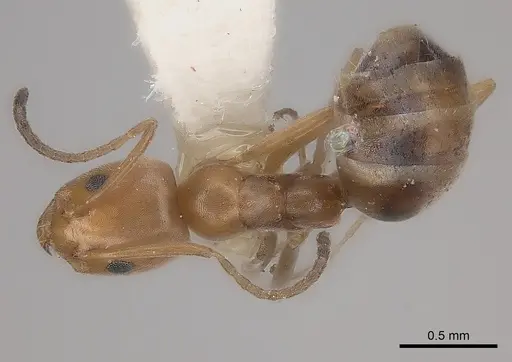
Literature
Loading...Loading products...