

Forelius grandis
- Scientific Name
- Forelius grandis
- Tribe
- Leptomyrmecini
- Subfamily
- Dolichoderinae
- Author
- Forel, 1912
- Distribution
- Found in 1 countries
Forelius grandis Overview
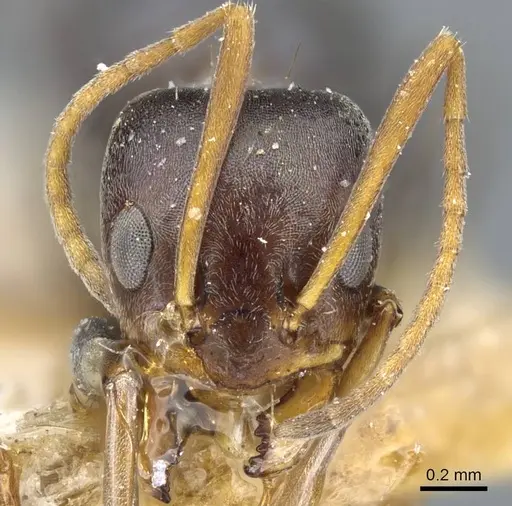
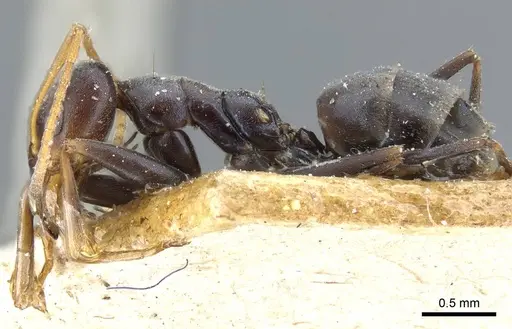
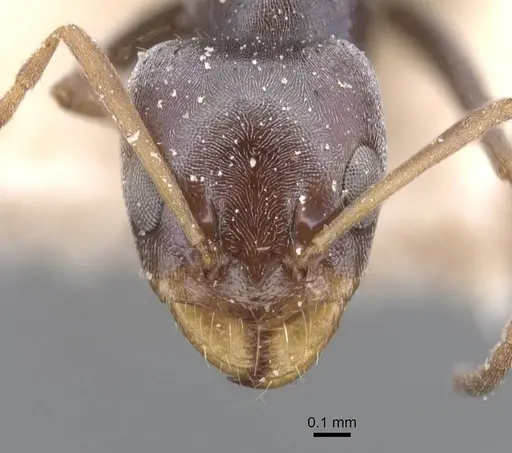
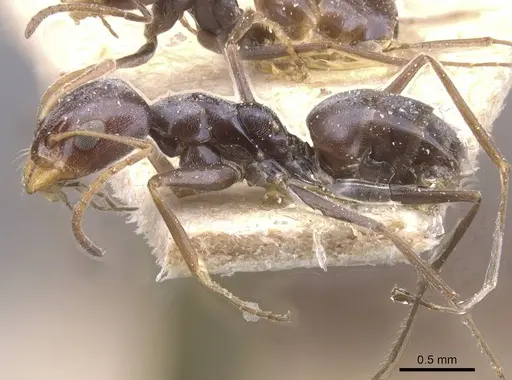
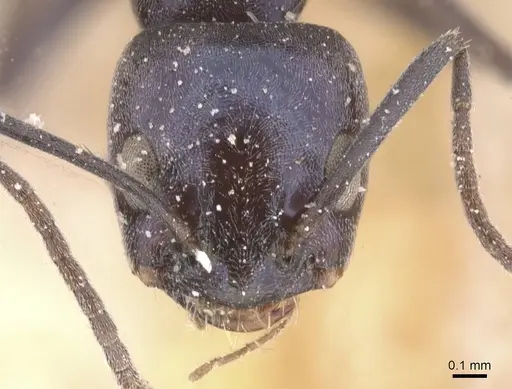
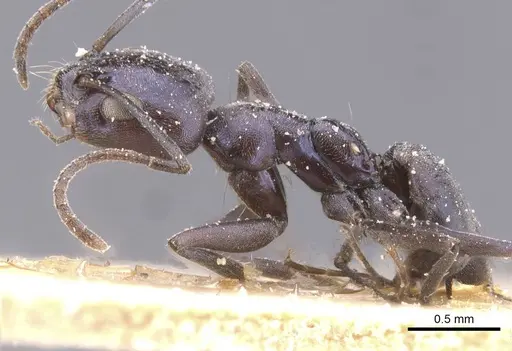
Forelius grandis is an ant species of the genus Forelius. It is primarily documented in 1 countries , including Argentina. Detailed taxonomic data and occurrence records can be further explored via authoritative databases such as AntWeb or the Global Biodiversity Information Facility (GBIF).
Forelius grandis
Forelius grandis is a small ant species native to Argentina in the Neotropical region. Workers are modest in size and belong to the Dolichoderinae subfamily, which includes many smooth-bodied ants that lack the painful stings found in some other ant groups. The species was originally described as a subspecies of Forelius chalybaeus before being elevated to full species status in 1954. These ants are part of the Leptomyrmecini tribe and are found in arid to semi-arid habitats across parts of Argentina. Little detailed research exists on this specific species, but they follow typical Forelius patterns of nesting in soil and foraging for honeydew and small prey.
Quick Summary
- Difficulty: Unknown, limited species-specific data available
- Origin & Habitat: Argentina in the Neotropical region. Based on genus patterns, they likely inhabit arid to semi-arid areas with sandy or loose soil substrates where they can easily construct ground nests [1].
- Colony Type: Likely monogyne (single queen colonies) based on typical Dolichoderinae patterns, though this is not confirmed for this specific species.
- Colony: Monogyne
- Founding: Claustral
- Size & Growth:
- Queen: Unconfirmed, no specific measurements available for this species. Related Forelius species typically have queens in the 5-7mm range.
- Worker: Unconfirmed, no specific measurements documented. Workers of related species in the genus are typically 2-4mm.
- Colony: Unknown, no colony size data exists for this species. Most Forelius species form moderate colonies.
- Growth: Unknown, no development data available for this species
- Development: Unconfirmed, no direct measurements exist. Based on typical Dolichoderinae patterns in similar habitats, estimate 4-8 weeks at warm temperatures, but this is a rough guess. (Development timeline is unconfirmed for this species. Temperature-dependent inference from related species suggests several weeks to months for complete development.)
- Antkeeping:
- Temperature: Based on their Argentine distribution spanning temperate to subtropical regions, aim for room temperature around 20-24°C. They likely tolerate a range from slightly cool to warm conditions. Provide a gentle heat gradient if your room stays below 18°C.
- Humidity: Likely prefers dry to moderate conditions typical of arid Argentine habitats. Keep nest substrate lightly moist but allow it to dry between waterings. Avoid overly damp conditions that can cause mold.
- Diapause: Unknown, Argentine species may experience cooler winters depending on altitude and latitude. If your colony becomes less active in winter, a brief cool period around 10-15°C for 2-3 months may benefit them, but this is not confirmed for this species.
- Nesting: Likely ground-nesting in natural habitats. In captivity, standard test tubes work well for founding colonies. Once established, they can transition to formicariums with soil or plaster nests. They probably prefer tighter, more enclosed chambers similar to their natural soil nests.
- Behavior: Forelius ants are generally non-aggressive and docile. They are foragers that likely collect honeydew from aphids and small insects. As Dolichoderinae, they lack a functional stinger and pose no danger to keepers. Their small size means they can escape through small gaps, use standard escape prevention with fine mesh barriers. They are likely diurnal foragers, active during daylight hours.
- Common Issues: limited species-specific data makes precise care recommendations difficult, escape prevention is important due to their small size, wild-caught colonies may harbor parasites or diseases not well-documented for this species, slow colony growth may frustrate keepers expecting fast development, humidity preferences are not well-documented, monitor for mold or excessive drying
Species Overview and Identification
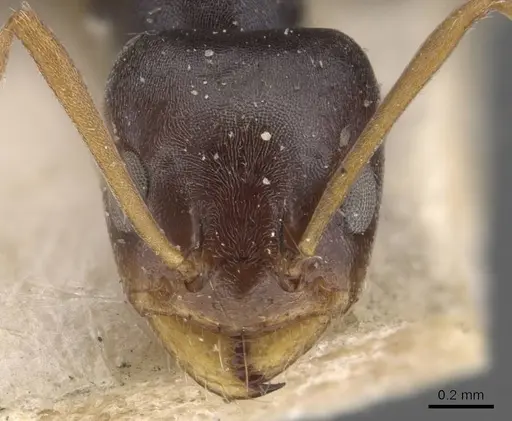
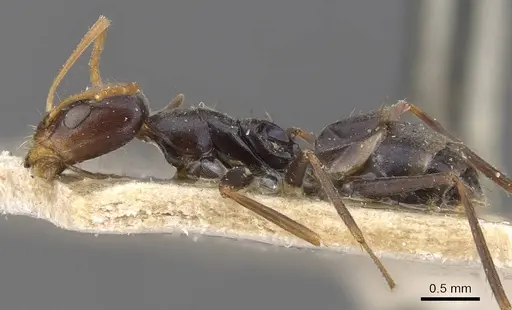
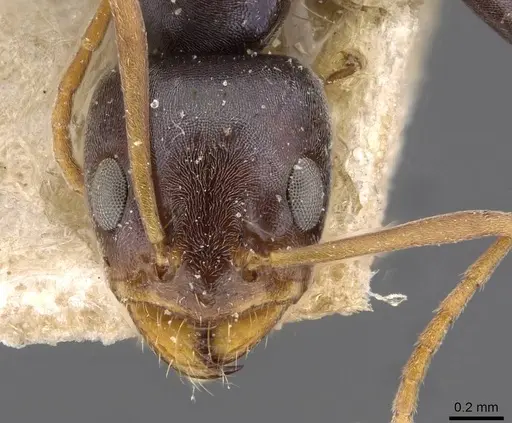
Forelius grandis is a Neotropical ant species native to Argentina, first described by Forel in 1912. The species was originally classified as a subspecies of Forelius chalybaeus before being elevated to full species status in 1954. Workers belong to the Dolichoderinae subfamily, characterized by their smooth, glossy body and single waist segment. The species was also known by the synonym Forelius grandis before being synonymized. These ants are part of the Leptomyrmecini tribe, which includes several genera of small to medium-sized ants common in arid regions of South America. No comprehensive field studies exist on this specific species, so much of what we know comes from genus-level patterns and related species. [1]
Housing and Nesting
For captivity, start founding colonies in standard test tube setups with a water reservoir. The tube should be kept upright with a cotton ball separating the water from the ants. Cover the tube with a dark cloth during the founding stage to reduce stress. Once the colony reaches 15-20 workers, you can consider moving them to a formicarium. Based on typical Forelius nesting behavior, they likely prefer enclosed spaces with soil or plaster substrate. Avoid overly large nests for small colonies, they feel safer in tighter spaces. Ensure the nest material can hold some moisture without becoming waterlogged.
Feeding and Diet
Like most Dolichoderinae ants, Forelius grandis likely accepts a varied diet of sugars and proteins. Offer sugar water or honey water as a constant energy source. For protein, provide small insects like fruit flies, small mealworms, or other appropriately-sized prey. They may also collect honeydew from aphids if you keep aphids in their outworld. Feed protein sources 2-3 times per week, and remove any uneaten prey within 24 hours to prevent mold. Fresh water should always be available.
Temperature and Seasonal Care
Keep colonies at room temperature, ideally around 20-24°C. Argentine species experience seasonal variation, so they can likely tolerate temperatures from around 15°C to 28°C. If your room is consistently cool, a small heating cable on one side of the nest can create a gradient. Place heating on top of the nest material to avoid drying it out. During winter, observe your colony, if they become less active, a brief cool period around 10-15°C for 2-3 months may be beneficial, though this is not confirmed as required for this species.
Behavior and Colony Dynamics
Forelius ants are generally peaceful and non-aggressive. Workers are foragers that search for sweet liquids and small prey. As Dolichoderinae, they lack a painful sting and are safe to handle. Colonies are likely monogyne with a single founding queen. Workers care for brood, forage for food, and maintain the nest. The colony will grow gradually over time. These ants are diurnal, most active during daylight hours. Their small size means they can slip through tiny gaps, always use fine mesh and check for escape routes.
Frequently Asked Questions
How long does it take for Forelius grandis to produce first workers?
The egg-to-worker timeline is unconfirmed for this species. Based on typical Dolichoderinae development in warm conditions, expect 4-8 weeks from egg to first worker, but this is a rough estimate.
What do Forelius grandis eat?
They likely accept sugar sources (honey water, sugar water) and protein (small insects like fruit flies, pinhead crickets, mealworms). This follows typical Forelius and Dolichoderinae feeding patterns.
Are Forelius grandis good for beginners?
This is difficult to assess due to limited species-specific data. They are likely manageable for beginners once established, but the lack of documented care information makes them a species for keepers comfortable with some uncertainty.
How big do Forelius grandis colonies get?
Colony size is unconfirmed for this species. Most Forelius species form moderate colonies, but we don't have specific numbers for F. grandis.
Do Forelius grandis need hibernation?
Diapause requirements are unknown for this species. Argentine species may experience seasonal temperature drops, so a brief cool period in winter may be beneficial if your colony shows reduced activity.
Can I keep multiple Forelius grandis queens together?
This is not documented for this species. Based on typical Dolichoderinae patterns, they are likely single-queen (monogyne) colonies. It is not recommended to combine unrelated queens.
What temperature is best for Forelius grandis?
Based on their Argentine distribution, aim for 20-24°C. They likely tolerate a range from 15-28°C. Room temperature is usually suitable.
Why are my Forelius grandis dying?
Without species-specific data, common issues could include: improper humidity (too wet or too dry), temperature stress, escape and loss, or parasites from wild-caught colonies. Monitor your colony closely and adjust conditions gradually.
When should I move Forelius grandis to a formicarium?
Wait until the colony has 15-30 workers and the test tube setup becomes crowded. Make sure the formicarium has appropriately-sized chambers for their small size.
References

This caresheet is licensed under CC BY-SA 4.0 .
CASENT0905115
View on AntWeb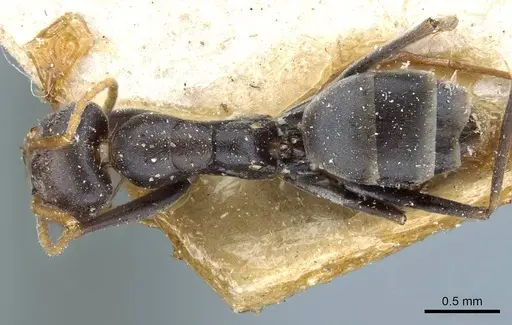
CASENT0907619
View on AntWeb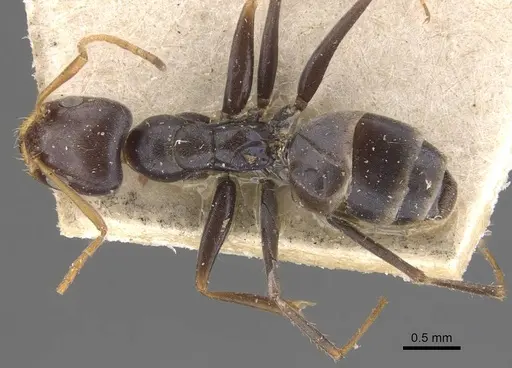
CASENT0909714
View on AntWeb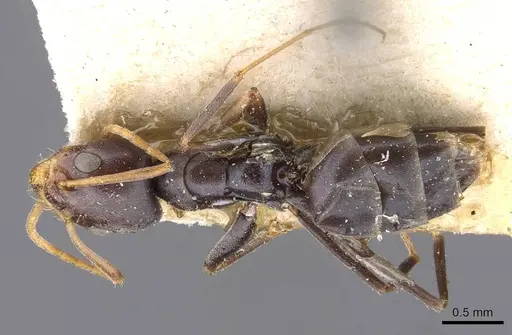
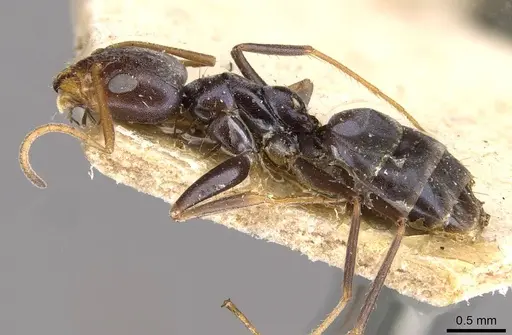
CASENT0911549
View on AntWeb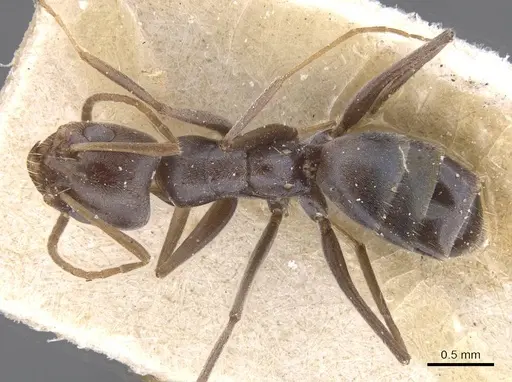
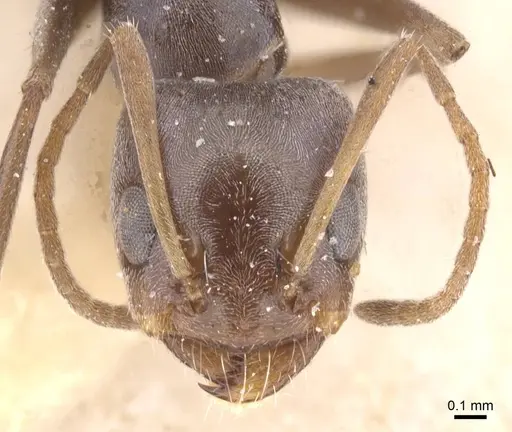
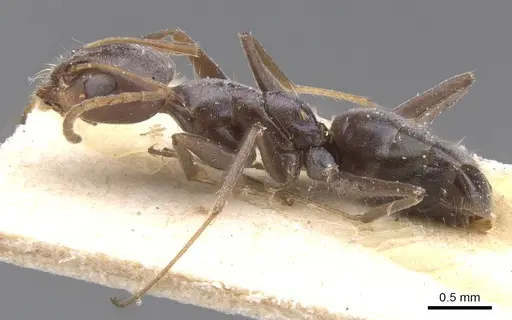
CASENT0911550
View on AntWeb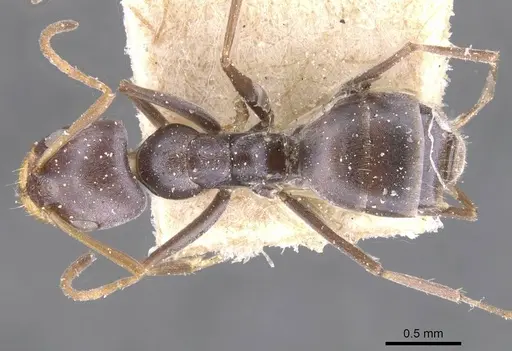
CASENT0911551
View on AntWeb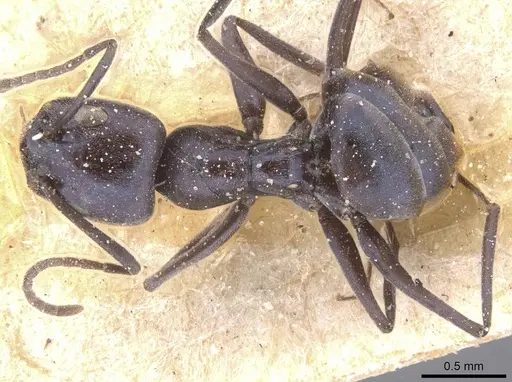
Literature
Loading...Loading products...