

Forelius chalybaeus
- Scientific Name
- Forelius chalybaeus
- Tribe
- Leptomyrmecini
- Subfamily
- Dolichoderinae
- Author
- Emery, 1906
- Distribution
- Found in 1 countries
Forelius chalybaeus Overview
Forelius chalybaeus is an ant species of the genus Forelius. It is primarily documented in 1 countries , including Argentina. Detailed taxonomic data and occurrence records can be further explored via authoritative databases such as AntWeb or the Global Biodiversity Information Facility (GBIF).
Forelius chalybaeus
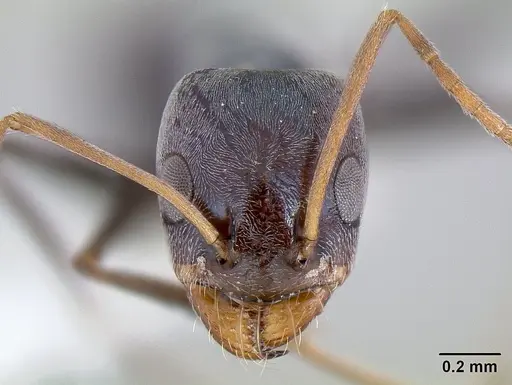
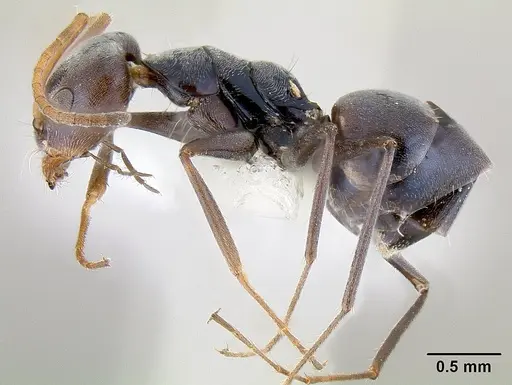
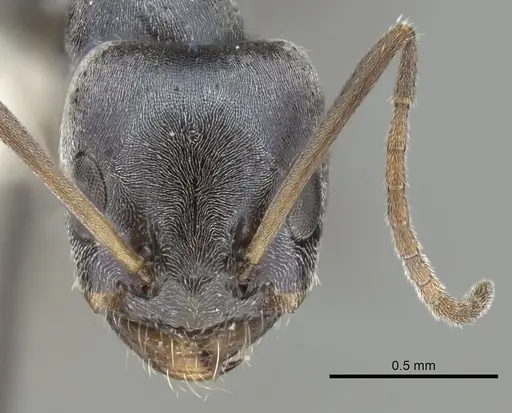
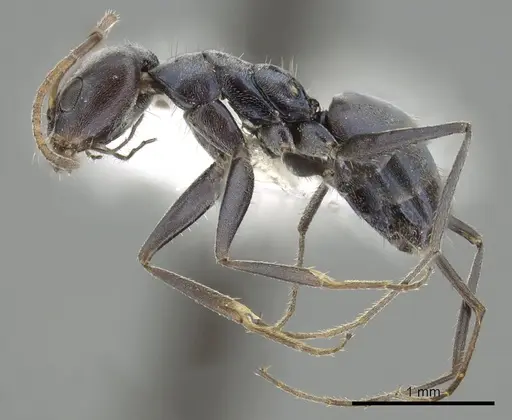
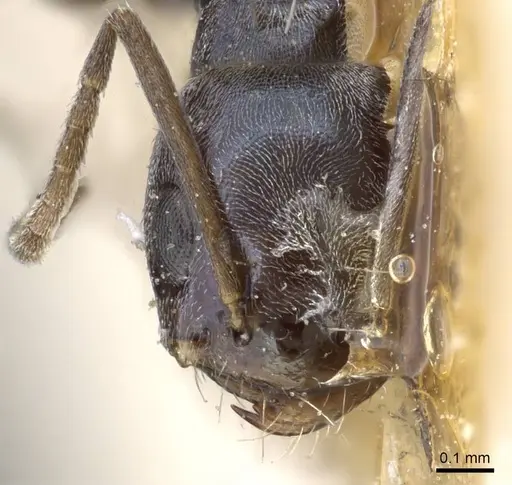
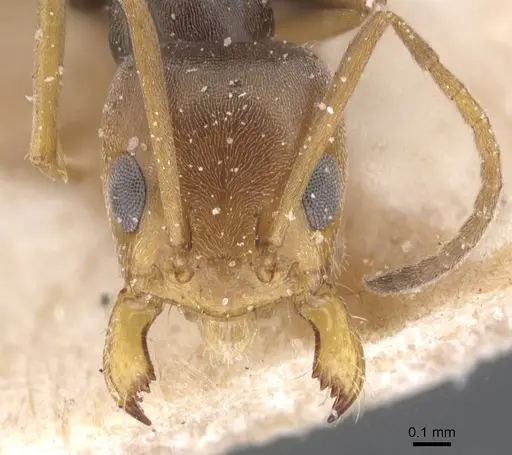
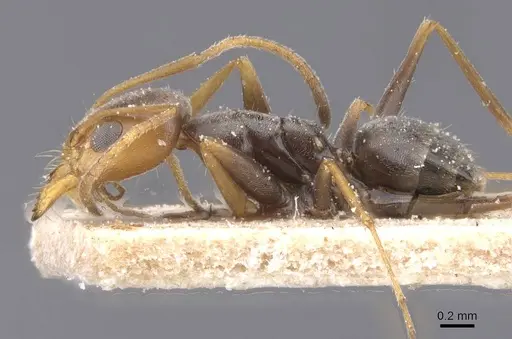
Forelius chalybaeus is a small, striking ant native to Argentina with a distinctive metallic steel-blue to greenish sheen over its black body [1]. Workers measure 2-3.5mm, making them one of the smaller ant species you'll encounter. Queens are larger at around 4mm, and males reach just over 3mm [1]. This species belongs to the Dolichoderinae subfamily and is closely related to Dorymyrmex (pyramid ants), with which it forms a distinct evolutionary clade [2][3]. In the wild, these ants are dominant in Patagonia and the Monte Desert regions of Argentina, often forming large colonies that aggressively defend food sources through mass recruitment [4].
Quick Summary
- Difficulty: Easy
- Origin & Habitat: Argentina, particularly Patagonia and the Monte Desert regions. Found in Puerto Madryn and Puerto Camarones in Patagonia, as well as Mendoza and La Pampa provinces [1][5][6]. These ants are ground-dwelling and thrive in arid to semi-arid environments.
- Colony Type: Single-queen colonies (monogyne) based on typical Forelius genus patterns. The genus Forelius is known for having one queen per colony.
- Colony: Monogyne
- Founding: Claustral
- Size & Growth:
- Queen: about 4mm [1]
- Worker: 2-3.5mm [1][4]
- Colony: Large colonies, they dominate their habitat with a dominance index of 66.6% in study areas [4]. Likely several hundred to over 1000 workers based on ecological dominance.
- Growth: Moderate, based on typical small Dolichoderinae development
- Development: 6-10 weeks (estimated based on related Dolichoderinae species) (Development time is estimated from related genus patterns since specific development data for F. chalybaeus is not available)
- Antkeeping:
- Temperature: Keep at 22-26°C. These ants come from temperate to warm regions of Argentina, so they handle moderate warmth well. A heating cable on one side of the nest creates a gradient they can regulate themselves.
- Humidity: Moderate, aim for 50-60% humidity. These ants are from semi-arid to arid regions, so they tolerate drier conditions better than many tropical species. Keep the nest substrate lightly moist, not wet.
- Diapause: Yes, based on temperate origin in Patagonia/Argentina, colonies will benefit from a winter rest period of 2-3 months at 10-15°C. Reduce feeding and keep them in a cool location during this period.
- Nesting: These ants are ground-nesting and prefer dry to moderately humid conditions. A Y-tong (AAC) nest or plaster formicarium works well. They do well with a small outworld connected to the nest. Avoid overly humid setups.
- Behavior: Forelius chalybaeus is an aggressive forager with a bold temperament. They use mass recruitment to food sources, sending 5-36 workers at a time to dominate stations [4]. They will actively attack and bite larger ants that compete for their food, climbing onto their bodies to bite legs and antennae [4]. Workers are very active and constantly foraging. Escape risk is moderate, their small size means they can slip through small gaps, so use standard barrier methods. They are not known to sting and pose no danger to keepers.
- Common Issues: colonies can be aggressive toward keepers during maintenance, work carefully and use gentle techniques, their small size means escape prevention must be adequate even though they're not strong climbers, mass recruitment can quickly overwhelm food sources, portion control is important to prevent mold, they may fight with other ant species if housed in a community setup, keep them isolated, wild-caught colonies may have parasites that can affect captive colonies
Housing and Nest Setup
Forelius chalybaeus does well in standard ant housing setups. A Y-tong (AAC) nest works excellently for this species, the chambers should be appropriately scaled to their small 2-3mm worker size. Plaster or acrylic nests also work well. These ants prefer drier conditions than many tropical species, so avoid overly humid setups. Connect a small outworld for foraging, these ants are very active and will constantly explore. Use a test tube setup for founding colonies, moving them to a larger nest once the colony reaches 20-30 workers. Escape prevention should be adequate since they are small, though they are not particularly strong climbers like some arboreal species.
Feeding and Diet
In the wild, F. chalybaeus is a predator that feeds on elaiosomes (the fatty attachments on seeds that aid dispersal) and uses mass recruitment to dominate food sources [4]. They are aggressive foragers that will attack larger ants competing for resources. In captivity, offer a varied diet: protein sources like small crickets, mealworms, or fruit flies 2-3 times per week, and sugar sources like honey water or sugar water constantly. They also accept seeds with elaiosomes if available. Their aggressive foraging style means they will quickly find and monopolize food in the outworld. Remove uneaten prey after 24 hours to prevent mold.
Temperature and Seasonal Care
Keep your colony at 22-26°C for optimal activity and growth. These ants originate from temperate Argentina, so they handle a range of temperatures. A heating cable on one side of the nest creates a temperature gradient they can regulate by moving between chambers. During winter (roughly November-February in the Southern Hemisphere corresponding to their natural cycle), reduce temperature to 10-15°C for a 2-3 month diapause period. Reduce feeding during this time and avoid disturbing the colony. This rest period helps maintain colony health long-term.
Behavior and Colony Dynamics
This species exhibits fascinating aggressive behavior in the wild. Workers use mass recruitment, sending 5-36 workers at a time to food stations [4]. They aggressively monopolize food sources and will physically attack larger ants by climbing onto their bodies and biting legs and antennae [4]. This bold foraging strategy makes them highly successful in their native habitat, where they represent a dominant species with a dominance index of 66.6% in study areas [4]. In captivity, this translates to an active, visible colony that forages constantly. They are not timid and will investigate disturbances. Queens are significantly larger than workers (4mm vs 2-3mm) and can be easily distinguished once the colony is established.
Growth and Development
Colony growth follows typical Dolichoderinae patterns. The queen lays eggs after mating, and the first workers (nanitics) emerge smaller than normal workers. Based on related species, expect 6-10 weeks from egg to first worker at optimal temperature. Growth rate is moderate, a well-fed colony can reach 100 workers within the first year. Colonies continue expanding with new workers emerging regularly. The colony will eventually produce alates (reproductives), winged males and females that leave the nest for mating flights. These ants have colonized North America from their South American range [2][3], showing their adaptability.
Frequently Asked Questions
How long does it take for Forelius chalybaeus to produce first workers?
Expect 6-10 weeks from egg to first worker at optimal temperature (22-26°C). This is typical for small Dolichoderinae species. The queen is claustral and will seal herself in to raise the first brood alone.
What do Forelius chalybaeus ants eat?
They are predators and foragers. Offer protein sources like small crickets, mealworms, or fruit flies 2-3 times per week, and keep sugar water or honey available constantly. They also consume elaiosomes from seeds in the wild.
Are Forelius chalybaeus good for beginners?
Yes, they are considered easy to keep. They are hardy, tolerate a range of conditions, and are not demanding. Their small size and moderate humidity requirements make them manageable. The main considerations are escape prevention and their aggressive foraging behavior.
Do Forelius chalybaeus ants need hibernation?
Yes, they benefit from a winter rest period. Reduce temperature to 10-15°C for 2-3 months during winter. This matches their natural cycle in temperate Argentina and helps maintain long-term colony health.
How big do Forelius chalybaeus colonies get?
They can reach several hundred to over 1000 workers in mature colonies. In the wild, they are dominant in their habitat with a 66.6% dominance index, indicating large, successful colonies.
Can I keep multiple Forelius chalybaeus queens together?
No, this species is monogyne (single-queen). Unlike some ants that can have multiple queens, Forelius chalybaeus typically has one queen per colony. Only keep one queen per setup.
When should I move my colony to a formicarium?
Move from a test tube setup to a larger nest (Y-tong, plaster, or acrylic) once the colony reaches 20-30 workers. These ants are active and need space to forage. Ensure the new setup has appropriate humidity levels, drier than many tropical species prefer.
Why are my Forelius chalybaeus dying?
Common causes include: too high humidity (they prefer drier conditions), temperature extremes outside their 22-26°C range, mold from overfeeding, or stress from too frequent disturbances. Check that the nest is not overly humid and that food is being consumed before adding more.
Are Forelius chalybaeus invasive anywhere?
The genus Forelius has colonized North America from the Neotropics [2][3], but F. chalybaeus specifically is not listed as invasive. Always check local regulations before considering any ant release.
References

This caresheet is licensed under CC BY-SA 4.0 .
CASENT0106157
View on AntWeb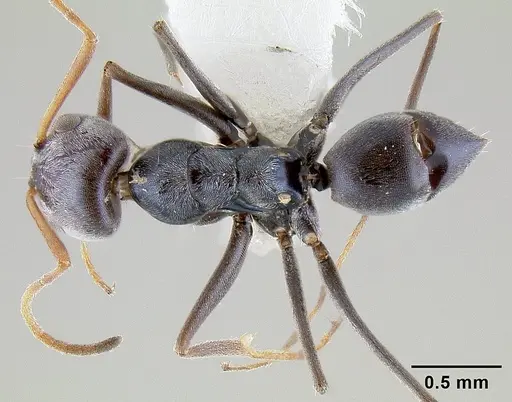
CASENT0249691
View on AntWeb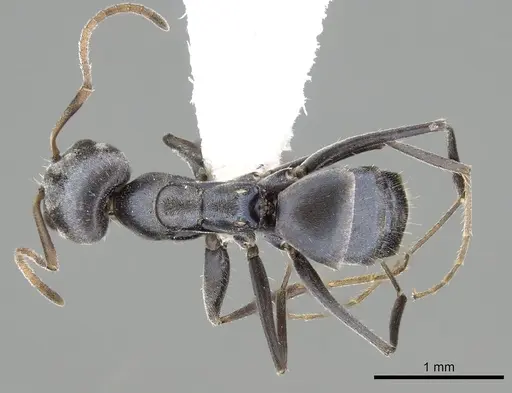
CASENT0905114
View on AntWeb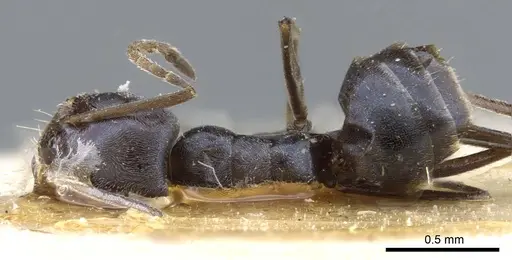
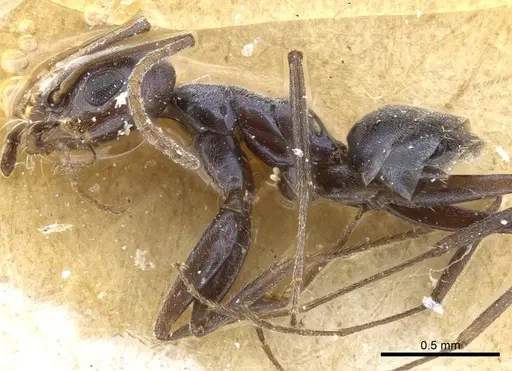
CASENT0909713
View on AntWeb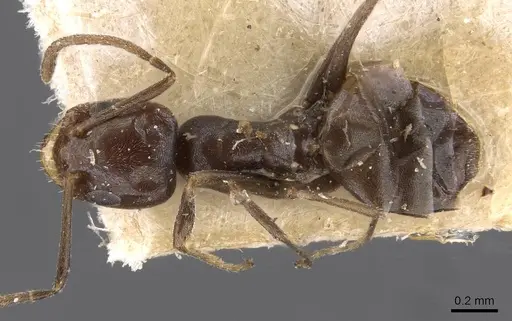
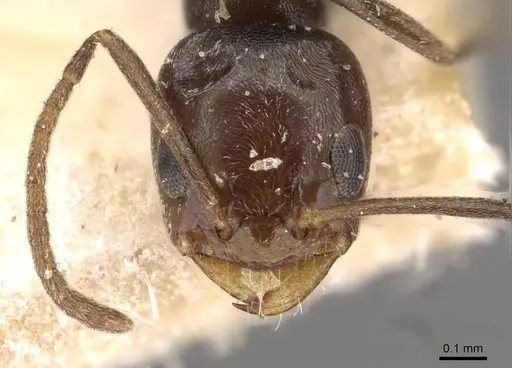
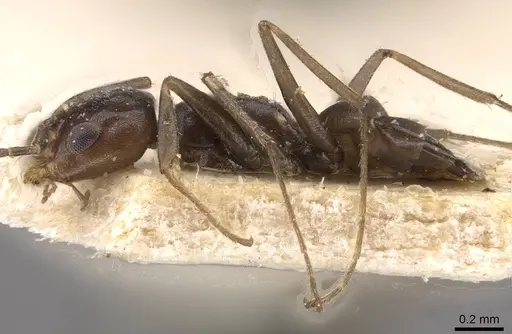
CASENT0911548
View on AntWeb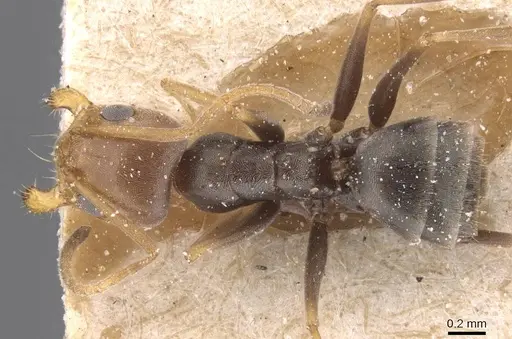
Literature
Loading...Loading products...