

Forelius brasiliensis
- Scientific Name
- Forelius brasiliensis
- Tribe
- Leptomyrmecini
- Subfamily
- Dolichoderinae
- Author
- Forel, 1908
- Distribution
- Found in 4 countries
Forelius brasiliensis Overview
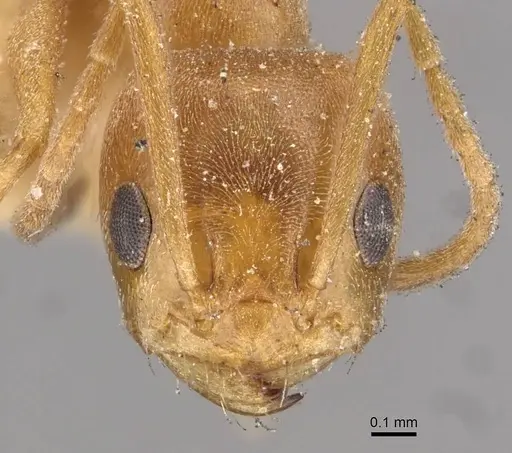
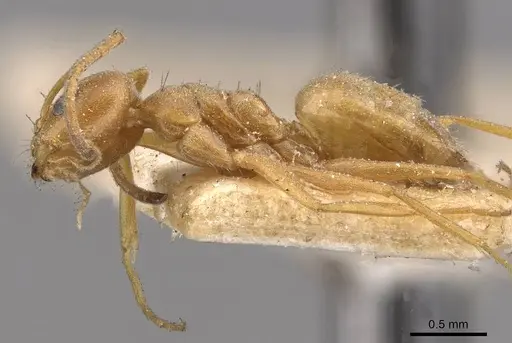
Forelius brasiliensis is an ant species of the genus Forelius. It is primarily documented in 4 countries , including Argentina, Bolivia, Plurinational State of. Detailed taxonomic data and occurrence records can be further explored via authoritative databases such as AntWeb or the Global Biodiversity Information Facility (GBIF).
Forelius brasiliensis
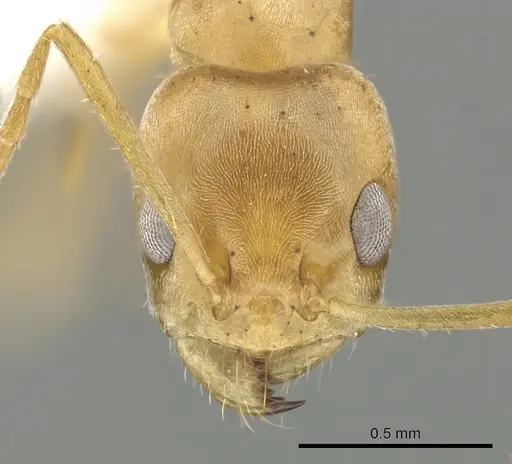
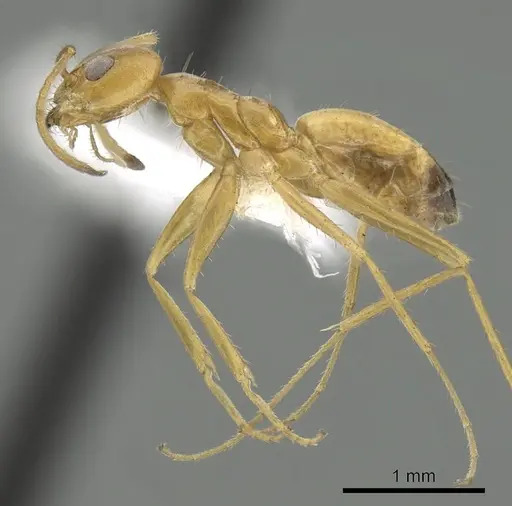
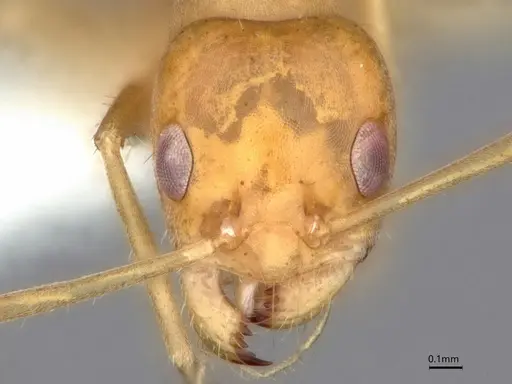
Forelius brasiliensis is a small dolichoderine ant native to the Neotropical region, found across Argentina, Bolivia, Brazil, Paraguay, and Uruguay [1]. Workers are tiny ants belonging to the subfamily Dolichoderinae, characterized by their single waist segment and ability to raise their abdomen when disturbed, displaying defensive behavior. This species is a thermophilic ant, meaning it thrives in warm conditions and actively forages under direct sunlight [2]. It shows a strong preference for anthropized or disturbed areas, making it a useful bioindicator of environmental degradation [3]. The species was originally described as a variety of Forelius mccooki in 1908 and was later elevated to species status in 1922 [1]. These ants are omnivorous with a noted preference for protein-based foods [2][3].
Quick Summary
- Difficulty: Easy
- Origin & Habitat: Native to the Neotropical region, Argentina, Bolivia, Brazil, Paraguay, and Uruguay. Found in seasonally dry tropical forests (Caatinga biome), Cerrado savanna, and Pantanal wetlands. Strongly prefers anthropized/disturbed areas including degraded mining sites, agricultural fields, and vineyard areas [4][5][6][3][7].
- Colony Type: Colony structure is not well-documented in scientific literature. Based on related Forelius species, likely forms single-queen (monogyne) colonies. Multiple colonies are commonly found in disturbed areas.
- Colony: Monogyne
- Founding: Claustral
- Size & Growth:
- Queen: Estimated 5-7mm based on genus patterns for Forelius species [1]
- Worker: Estimated 2-3mm based on genus patterns for Forelius species [2]
- Colony: Estimated moderate colony size, likely several hundred workers based on related Dorymyrmex patterns
- Growth: Moderate, inferred from tropical thermophilic ant patterns
- Development: Estimated 4-8 weeks based on typical Dolichoderinae development at warm temperatures (Development is likely faster due to their thermophilic nature and preference for warm conditions)
- Antkeeping:
- Temperature: Keep at 24-30°C. These are warmth-loving ants that actively forage under direct sunlight in the wild [2]. A temperature gradient allowing warmer areas (around 28-30°C) and slightly cooler areas (24-26°C) is ideal.
- Humidity: Moderate humidity,50-70%. This species tolerates drier conditions better than many ants due to its preference for warm, sun-exposed habitats. Allow the nest substrate to dry partially between water additions.
- Diapause: Likely minimal or no true diapause. As a tropical/subtropical species from southern Brazil and Argentina, they may experience reduced activity in cooler months but probably do not require full hibernation. Keep at room temperature year-round.
- Nesting: Natural nesting occurs in soil, often under stones or in disturbed ground. In captivity, standard test tubes work well for founding colonies. For established colonies, Y-tong nests or acrylic/formicarium setups with moderate moisture work well. They adapt readily to various nest types.
- Behavior: Forelius brasiliensis is an active, fast-moving ant that forages during the day, especially in warm, sunny conditions [2]. Workers display characteristic rapid movement with raised abdomens, a defensive posture typical of thermophilic dolichoderines. They are not particularly aggressive but will defend their nest if threatened. These ants are omnivorous with a preference for protein sources [2]. They are excellent escape artists due to their small size, fine mesh barriers and tight-fitting lids are essential. They are highly active foragers and will readily discover and exploit food sources.
- Common Issues: escape prevention is critical, their tiny size allows them to squeeze through standard gaps, colonies may decline if kept too cool, maintain warm temperatures, protein preference means they need regular insect feeding, not just sugar, they prefer disturbed areas, overly pristine setups may not suit them, fast movement makes them difficult to contain during transfers
Temperature and Heating
As a thermophilic species, Forelius brasiliensis requires warm conditions to thrive. In their native range across southern South America, they are most active during hot periods and actively forage under direct sunlight [2]. Keep the nest area at 24-30°C, with a gentle gradient allowing workers to choose their preferred temperature. A heating cable or heating mat on one side of the nest can provide the warmth they need, but avoid overheating. Place heating under or to the side of the nest, never directly on it, to prevent excessive drying. Room temperature (22-25°C) is acceptable as a baseline, but warmer conditions will increase activity and foraging. Watch for workers clustering near heat sources, this indicates they want more warmth. If they avoid heated areas and seem sluggish, increase temperature slightly.
Feeding and Diet
These ants are omnivorous with a documented preference for protein [2]. In captivity, offer small insects (fruit flies, small mealworms, pinhead crickets) as a primary food source twice weekly. They will also accept sugar water, honey, or diluted syrup as an energy source. The protein preference means insect feeding should be regular, don't rely solely on sugar sources. Remove uneaten prey after 24-48 hours to prevent mold. Their small size means prey items should be appropriately sized, very small insects or pre-killed pieces work best. In the wild, they forage actively and exploit various food sources, so variety in captivity is beneficial.
Housing and Nest Setup
Forelius brasiliensis adapts well to various captive setups. For founding colonies, standard test tube setups work fine, keep the water reservoir moderate and provide a dark cover for the founding chamber. Once the colony reaches 20-30 workers, you can transition to a small formicarium or Y-tong nest. These ants are not picky about nest materials but prefer chambers that aren't too large relative to colony size. A naturalistic setup with soil and a hiding spot can also work well. Because of their tiny size, ensure all connections between outworld and nest are sealed with cotton or other barriers. Escape prevention is critical, use fine mesh on any ventilation and check all seams regularly.
Behavior and Temperament
Workers are fast-moving and alert, characteristic of thermophilic dolichoderines [2]. When disturbed, they adopt a defensive posture with the abdomen raised, this is typical behavior and serves as a warning. They are not particularly aggressive toward keepers but will defend their nest vigorously if breached. Foraging occurs primarily during daylight hours in warm conditions. They are excellent discoverers of food sources and will quickly recruit nestmates. Their small size and speed make them challenging to handle during transfers, work in a contained area and have backup barriers ready. Colonies are moderately active and maintain visible trails to food sources.
Seasonal Care
As a species from subtropical southern South America (Argentina, Uruguay, southern Brazil), Forelius brasiliensis likely experiences cooler winters but does not require true hibernation. During winter months in captivity, you can reduce feeding frequency slightly and allow temperatures to drop to room temperature (around 20-22°C), but avoid cold rooms. Activity will naturally decrease. Do not attempt full hibernation as you would for temperate species. Maintain some warmth year-round and continue offering food occasionally, even if the colony is less active. Watch for signs of stress if temperatures drop too low, workers may become sluggish or cluster tightly together.
Frequently Asked Questions
How long does it take for Forelius brasiliensis to produce first workers?
Based on typical Dolichoderinae development patterns at warm temperatures (around 26-28°C), expect first workers (nanitics) in approximately 4-6 weeks after the queen lays eggs. This timeline may vary based on temperature and feeding.
Are Forelius brasiliensis good for beginners?
Yes, this species is considered easy to keep. They are adaptable, tolerate a range of conditions, and are not aggressive. The main challenges are their tiny size (requiring good escape prevention) and their need for warmth. Beginners should ensure they can maintain appropriate temperatures.
What do Forelius brasiliensis eat?
They are omnivorous with a preference for protein. Feed small insects (fruit flies, small mealworms, pinhead crickets) several times per week. They also accept sugar water, honey, or diluted syrup. Remove uneaten food promptly.
Can I keep multiple Forelius brasiliensis queens together?
Colony structure is not well-documented for this species. Based on related Forelius patterns, they likely form single-queen colonies. Combining unrelated queens is not recommended as aggression is likely. If you obtain a colony, assume it is single-queen unless you observe otherwise.
What temperature do Forelius brasiliensis need?
Keep them warm at 24-30°C. These are thermophilic ants that actively forage in sunlight in the wild. A temperature gradient with a warm side around 28°C is ideal, but they will thrive at typical room temperature (22-25°C) as a minimum.
How big do Forelius brasiliensis colonies get?
Colony size is not extensively documented, but based on related genera, expect colonies of several hundred workers at maturity. Growth is moderate, colonies expand steadily with proper feeding and warmth.
Do Forelius brasiliensis need hibernation?
No true hibernation is required. As a subtropical species, they may slow down in cooler months but do not need the extended cold period that temperate species require. Simply reduce feeding and allow normal room temperatures during winter.
Why are my Forelius brasiliensis escaping?
Their tiny size makes them excellent escape artists. Check all connections, use fine mesh on ventilation, and ensure lid seals are tight. Cotton plugs should be firmly packed. Even small gaps that seem insignificant can allow escape.
When should I move Forelius brasiliensis to a formicarium?
Move from test tube to a formicarium once the colony reaches 20-30 workers and the test tube shows signs of fouling. They adapt readily to various setups, but ensure the transition includes familiar nesting material and maintains appropriate humidity.
References

This caresheet is licensed under CC BY-SA 4.0 .
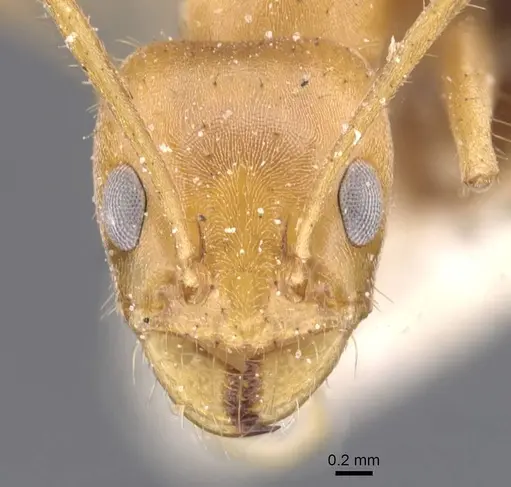
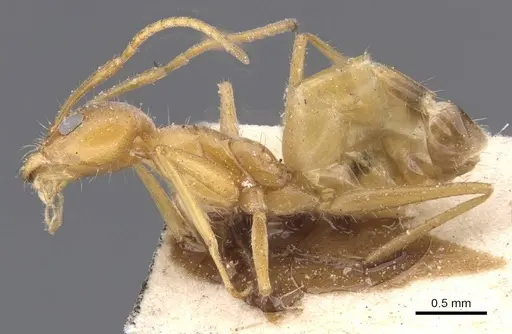
CASENT0173737
View on AntWeb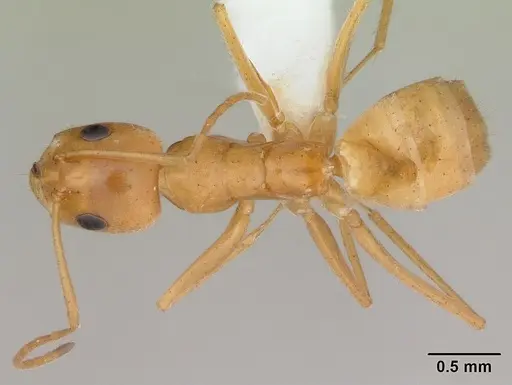
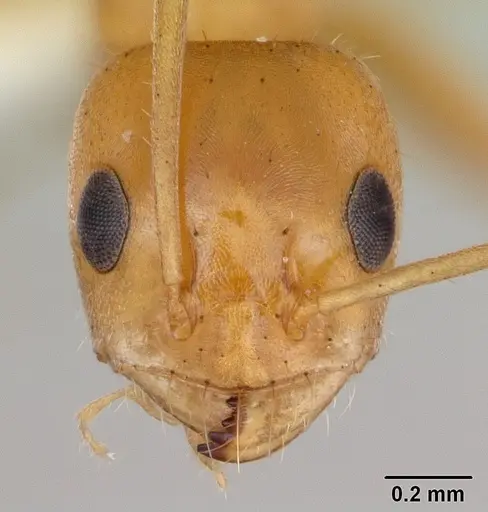
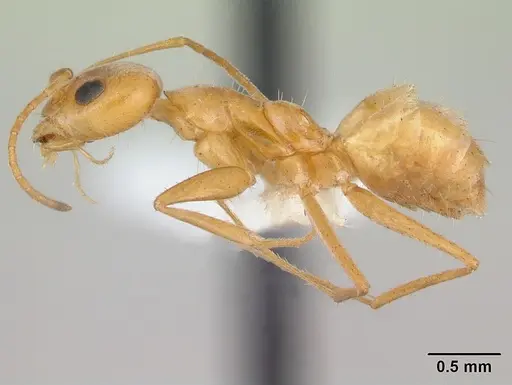
CASENT0249690
View on AntWeb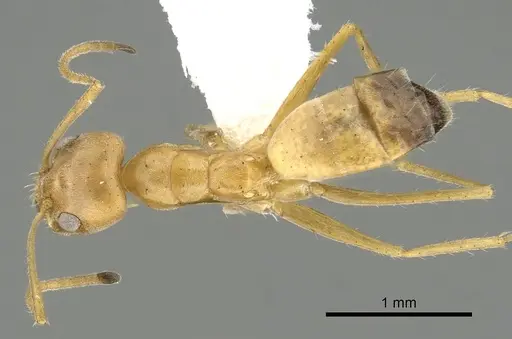
CASENT0841237
View on AntWeb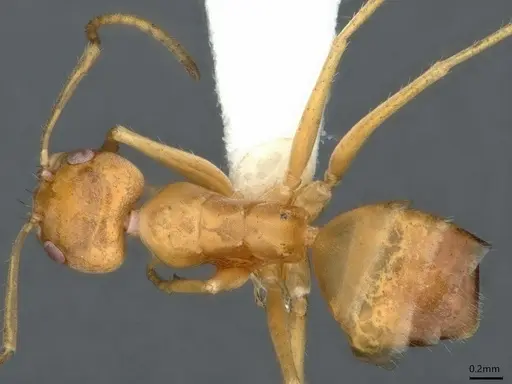
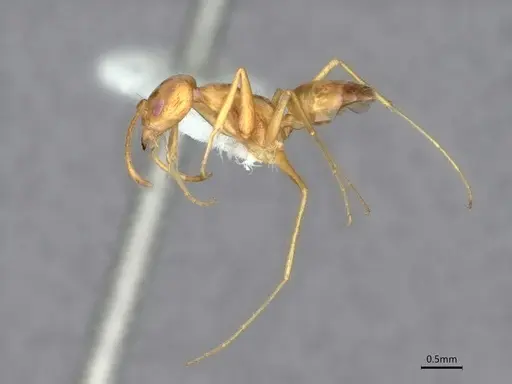
CASENT0909718
View on AntWeb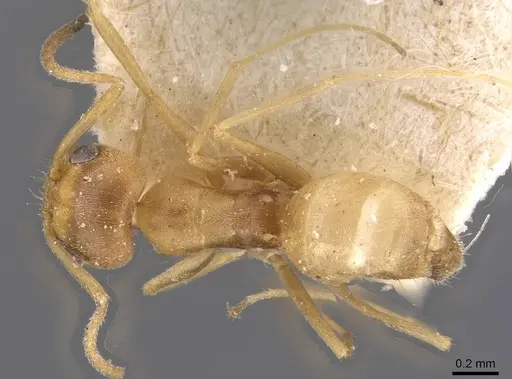
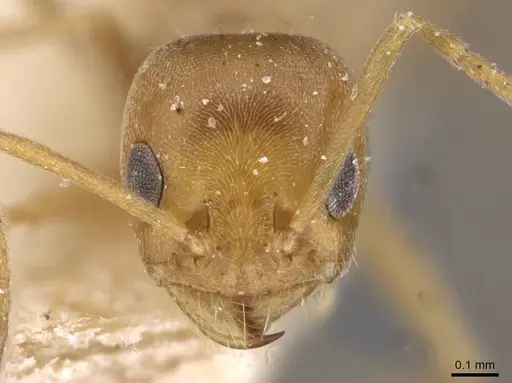
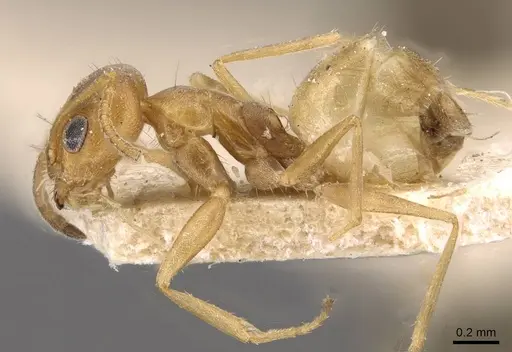
CASENT0909721
View on AntWeb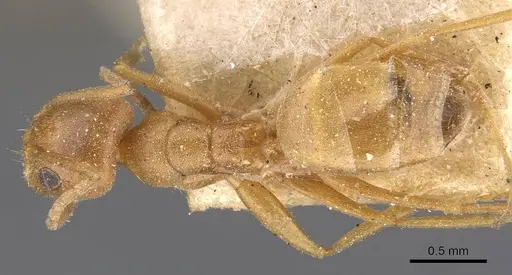
CASENT0911546
View on AntWeb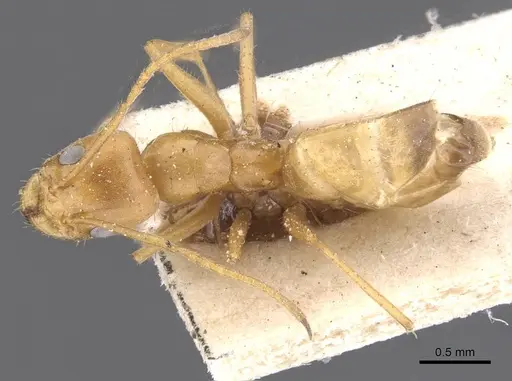
Literature
Loading...Loading products...