

Forelius albiventris
- Scientific Name
- Forelius albiventris
- Tribe
- Leptomyrmecini
- Subfamily
- Dolichoderinae
- Author
- Forel, 1912
- Distribution
- Found in 1 countries
Forelius albiventris Overview
Forelius albiventris is an ant species of the genus Forelius. It is primarily documented in 1 countries , including Argentina. Detailed taxonomic data and occurrence records can be further explored via authoritative databases such as AntWeb or the Global Biodiversity Information Facility (GBIF).
Forelius albiventris
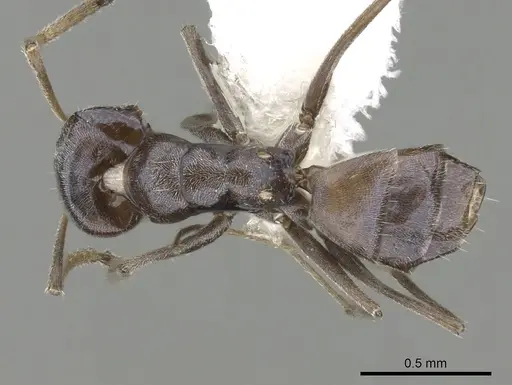
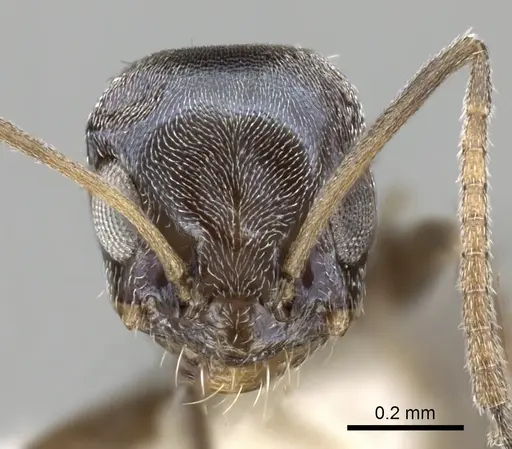
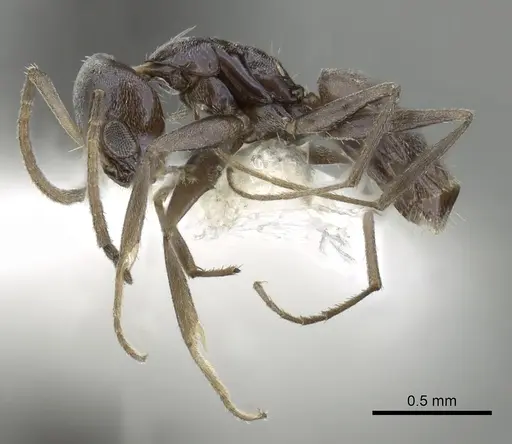
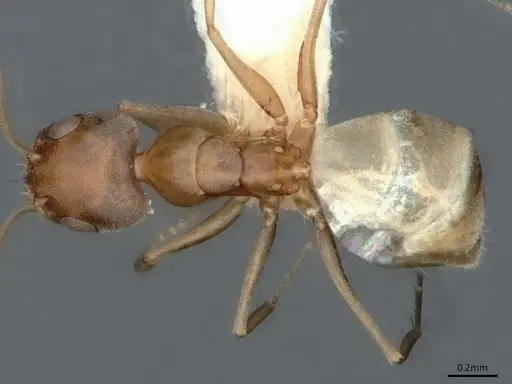
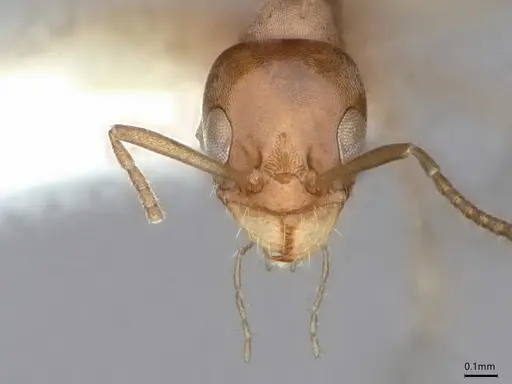
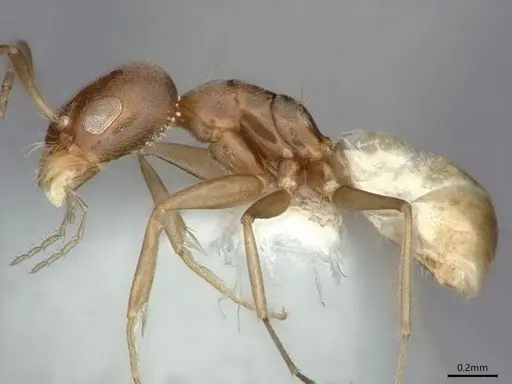
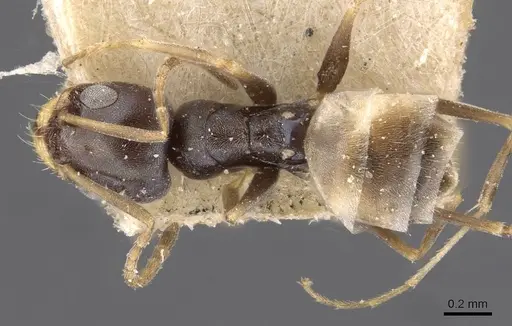
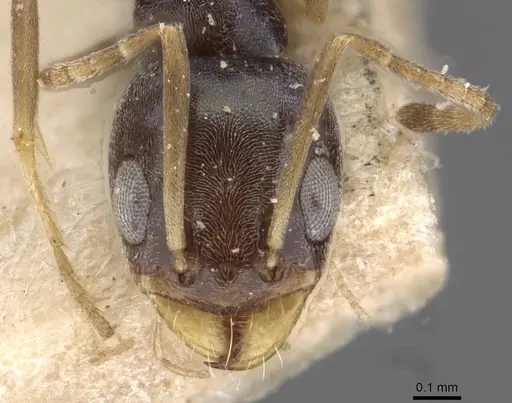
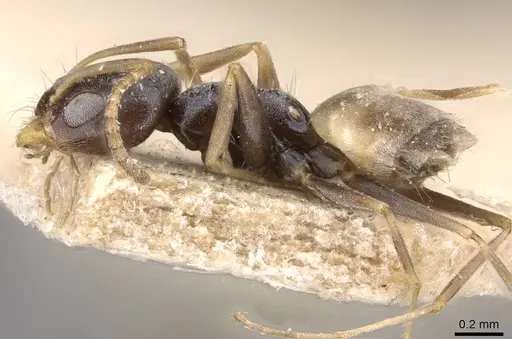
Forelius albiventris is a small dolichoderine ant native to the Neotropical region, specifically found in Argentina and Brazil. Workers are modest in size with the characteristic dolichoderine body shape, smooth, glossy, and typically dark in coloration. This species belongs to the Leptomyrmecini tribe, which includes some of the more active and visible ants in their native ecosystems. The species was originally described as a subspecies of Forelius chalybaeus by Forel in 1912 before being elevated to full species status by Kusnezov in 1954 [1][2].
What makes F. albiventris particularly interesting is its ecological role as a seed disperser. Research shows these ants interact with Jatropha excisa plants, collecting seeds and contributing to vegetation dynamics in their native habitats [3]. As arid climate specialists, they thrive in dry, open landscapes and are commonly found in grassland and shrubland environments across Argentina's Caldenal district [3].
Quick Summary
- Difficulty: Easy
- Origin & Habitat: Native to the Neotropical region, Argentina and Brazil. These ants are arid climate specialists found in dry grassland (pastizal) and shrubland (monte) environments in central Argentina, particularly the Caldenal district [3].
- Colony Type: Colony structure is not well documented in scientific literature. Based on typical Forelius genus patterns, colonies are likely monogyne (single queen) but this requires confirmation for this specific species.
- Size & Growth:
- Queen: Exact measurements not documented in available literature. Based on related Forelius species, queens likely measure 5-7mm. Estimated based on genus patterns.
- Worker: Exact measurements not documented in available literature. Based on related dolichoderines, workers likely measure 2-4mm. Estimated based on genus patterns.
- Colony: Colony size is not well documented. Based on typical Forelius species and field observations showing moderate nest density (approximately 1 nest per sampled area), colonies likely reach several hundred workers [3]. Estimated based on genus patterns.
- Growth: Growth rate is not directly studied. Based on typical dolichoderine development, expect moderate growth. Estimated based on genus patterns.
- Development: Development timeline is not directly documented for this species. Based on typical Dolichoderinae patterns at optimal temperatures (24-28°C), expect 5-8 weeks from egg to first worker. Estimated based on genus patterns. (This is an estimate based on related species. Actual development time may vary.)
- Antkeeping:
- Temperature: As arid climate specialists, these ants prefer warmer conditions. Keep nest areas around 24-28°C, with a slight gradient allowing workers to self-regulate. They can tolerate brief temperature fluctuations but prefer stable warmth [3]. Based on habitat inference.
- Humidity: Low to moderate humidity is appropriate for this species. Being arid specialists, they prefer drier conditions, aim for 40-60% relative humidity. Allow the nest substrate to dry partially between water additions. Avoid overly damp conditions that can cause mold [3]. Based on habitat inference.
- Diapause: Diapause requirements are not well documented for this species. As a Neotropical species from central Argentina, they likely experience reduced activity during cooler winter months but may not require true hibernation. Consider providing a cool period (15-18°C) during winter months if colony shows reduced activity. Inference based on geographic range.
- Nesting: In the wild, these ants nest in soil, often under stones or in open ground in arid areas. For captivity, a standard test tube setup works well for founding colonies. Once established, a Y-tong (AAC) or plaster nest with dry to moderately humid chambers suits their arid preferences. Avoid overly moist substrates [3]. Based on habitat and nesting behavior.
- Behavior: Forelius ants are typically active foragers with workers actively searching for food both on the ground and on vegetation. They are known for their seed dispersal behavior, carrying seeds back to the nest, this is called myrmecochory. They are generally not aggressive toward keepers but can be defensive if their nest is threatened. Workers are quick-moving and may attempt to escape, though they are not strong climbers. Escape prevention should still be practiced. Based on typical Forelius behavior and related species.
- Common Issues: dry conditions are essential, overly humid setups will cause mold and colony stress, escape prevention matters though they are not strong climbers, use standard barriers anyway, slow founding, claustral/semi-claustral queens may take time to establish, patience is needed, winter activity reduction is likely, do not panic if colony slows in cooler months, limited research means many care parameters are estimates, observe your colony and adjust accordingly
Housing and Nest Setup
Forelius albiventris adapts well to standard antkeeping setups. For founding colonies, a simple test tube setup works perfectly, fill a test tube one-third with water, plug with a cotton ball, and place the queen in the tube. The cotton keeps the water contained while providing humidity. For established colonies, a Y-tong (AAC) nest or plaster formicarium suits their preferences. These ants prefer drier conditions than many other ants, so choose a nest material that does not retain excessive moisture. A small outworld for foraging completes the setup. Ensure all connections are secure, as these small ants can slip through tiny gaps. [3]
Feeding and Diet
In the wild, F. albiventris feeds on honeydew from aphids and scale insects, and as research shows, disperses seeds from plants like Jatropha excisa [3]. In captivity, offer a varied diet: sugar water or honey as an energy source (place a small sponge in a dish so they can drink without drowning), and protein sources like small insects (fruit flies, small mealworms, crickets). Seeds may also be accepted given their natural seed-disperal behavior. Feed protein 2-3 times per week and keep sugar water available constantly. Remove uneaten food after 24-48 hours to prevent mold.
Temperature and Seasonal Care
As arid climate specialists from central Argentina, these ants prefer warm conditions. Maintain nest temperatures around 24-28°C during the active season. A heating cable on one side of the nest can create a temperature gradient, allowing workers to regulate their own temperature by moving between warmer and cooler areas. During winter months in temperate climates, allow the colony to experience a natural cool period (around 15-18°C), this mimics their natural seasonal cycle and may help promote healthy colony development. Do not feed heavily during this cool period as metabolic rates slow. [3]
Behavior and Observation
Watching Forelius albiventris reveals their active foraging behavior. Workers search methodically for food, both on the ground and may climb short distances on vegetation in the outworld. Their seed dispersal behavior is particularly interesting to observe, if you offer seeds, you may see workers carrying them, mimicking their ecological role in nature [3]. They are not particularly aggressive but will defend the nest if disturbed. Colonies are typically moderate in size and remain manageable. Their quick movements and small size make them entertaining to watch during foraging expeditions.
Common Challenges
The main challenges in keeping F. albiventris relate to their arid habitat requirements. Overly humid conditions cause stress and promote mold growth, which can kill colonies. New antkeepers sometimes over-moisten the nest, thinking more humidity is always better, this species disproves that rule. Additionally, because scientific literature on this specific species is limited, many care parameters are estimates based on related species and habitat inference. Observe your colony's behavior: workers actively foraging indicates good conditions, while clustering at water sources may indicate too much humidity. Patience is key during founding, as queens may take weeks to lay their first eggs. [3]
Frequently Asked Questions
How long does it take for Forelius albiventris to have first workers?
The exact timeline is not documented, but based on typical Dolichoderinae development at 24-28°C, expect first workers (nanitics) within 5-8 weeks after the queen lays eggs. This is an estimate based on related species.
Can I keep Forelius albiventris in a test tube?
Yes, test tubes work well for founding colonies. Use a standard test tube setup with a water reservoir sealed with cotton. These arid-adapted ants do not need excessive humidity, so a standard setup is appropriate.
What do Forelius albiventris eat?
They accept sugar sources (honey, sugar water) and protein (small insects). Research shows they also disperse seeds in the wild, so seeds may be accepted as enrichment [3].
Are Forelius albiventris good for beginners?
Yes, they are considered an easy species to keep. They are tolerant of varying conditions within their arid preference range, and their moderate care requirements make them suitable for new antkeepers.
Do Forelius albiventris need hibernation?
As a Neotropical species from central Argentina, they likely experience seasonal variation but may not require true hibernation. A cool period (15-18°C) during winter months is recommended if your colony shows reduced activity.
How big do Forelius albiventris colonies get?
Colony size is not well documented, but based on typical Forelius species and field observations, colonies likely reach several hundred workers. They are not among the largest ant species.
Why are my Forelius albiventris dying?
The most common cause is excessive humidity. These arid specialists suffer in damp conditions. Ensure the nest is not too wet and provide good ventilation. Also check that they are not overheating if using heating equipment.
When should I move Forelius albiventris to a formicarium?
Move them when the test tube becomes crowded or the water reservoir runs out. Forelius albiventris prefers drier conditions, so choose a well-ventilated formicarium.
References

This caresheet is licensed under CC BY-SA 4.0 .
Literature
Loading...Loading products...