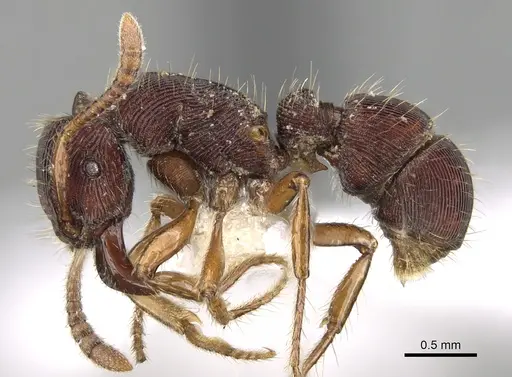
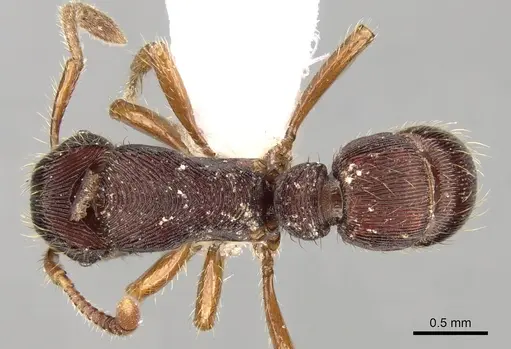
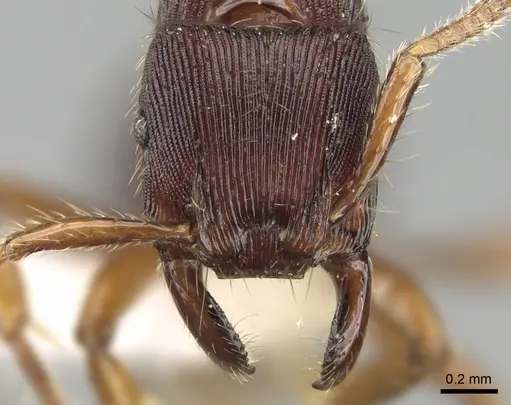
Gnamptogenys kempfi - ""
If you're an antkeeping enthusiast looking for a truly unique challenge, consider the Gnamptogenys kempfi! These fascinating predatory ants, members of the Ponerine subfamily, bring a slice of the Neotropical rainforest right into your ant setup. While specific detailed descriptions for G. kempfi themselves are somewhat elusive, we know they embody the classic rugged aesthetic and robust build characteristic of the Gnamptogenys genus. Imagine a colony of these diligent foragers, often found meticulously hunting through leaf litter and decaying wood in their natural Brazilian, Colombian, Ecuadorian, and Peruvian habitats. These aren't your typical sugar-loving ants; they're skilled hunters, making them a specialized and deeply rewarding addition for dedicated antkeepers. Colony sizes tend to hover in the hundreds, offering a more intimate glimpse into ant behavior compared to supercolony species.
- Difficulty: Medium
- Origin & Habitat: Neotropical Region: Brazil, Colombia, Ecuador, Peru in Tropical and subtropical mesic forests, typically at ground level in rotten wood or leaf litter..
- Colony Type: Monogyne, semi-claustral founding.
- Size & Growth:
- Queen: 5-7mm
- Worker: 4-6mm
- Colony: Small (hundreds). Slow to Medium growth.
- Antkeeping:
- Temperature: Preferred temperatures range from 24-28°C (75-82°F). Consistency is key for their well-being..
- Humidity: High humidity is crucial, ideally maintained between 70-80%..
- Diapause: Not required. Not specified at Not specified.
- Nesting: Prefers naturalistic setups mimicking rotten wood or leaf litter environments. Suitable for setups with deep substrate..
- Behavior: Medium (towards prey, possibly defensive towards handler) aggressiveness.
- Common Issues: Ensuring consistent live prey diet, Maintaining stable high humidity, Avoiding mold in naturalistic setups, Humidity fluctuations, Queen stress during founding.
Diving into the world of Gnamptogenys kempfi means embracing their specialized predatory diet. Forget the usual sugar water and honey dew; these ants are obligate carnivores! Providing a consistent supply of appropriately sized live feeder insects – think small roaches, pinhead crickets, or freshly killed mealworm pieces – is absolutely paramount for the health and vitality of your colony. This commitment to live prey is a key aspect of their care, distinguishing them from many other commonly kept ant species and adding to the challenge for the experienced antkeeper. [SEO: ant diet, predatory ants, live insects, antkeeping challenge]
When it comes to housing these unique foragers, replicating their natural nesting sites in decaying wood and leaf litter is crucial for long-term success. A naturalistic formicarium setup, perhaps featuring a coco fiber or sand-loam mix and embedded pieces of rotting wood or bark, will not only make them feel right at home but also help immensely with humidity regulation. Providing a secure and appropriately humid nest environment is vital for these sensitive predatory species, ensuring their well-being and encouraging natural ant behavior. [SEO: formicarium setup, naturalistic ant nest, humidity regulation, ant habitat]
For those hoping to start a Gnamptogenys kempfi colony from a founding queen, remember that Ponerine queens often exhibit semi-claustral founding. This means she might need a little help during the initial stage. While some queens seal themselves away, it's generally a wise move to offer a tiny, pre-killed insect or a very small live feeder to your founding queen. Observing her carefully for signs of foraging or acceptance of prey will guide your approach, laying the groundwork for a successful colony establishment. [SEO: ant queen founding, semi-claustral, ant colony setup, Ponerine ants]
Maintaining optimal temperature and humidity levels is non-negotiable for these tropical beauties. They thrive in consistently warm conditions, ideally nestled between 24-28°C, paired with a robust humidity of 70-80%. Fluctuations can quickly lead to stress and negatively impact brood development. Investing in reliable hygrometers and thermometers for your ant setup will allow you to precisely monitor and maintain these critical environmental parameters, ensuring your Gnamptogenys kempfi colony flourishes. [SEO: ant care temperature, ant humidity, tropical ants, ant habitat climate]
Finally, a note on safety: like many Ponerine species, Gnamptogenys kempfi do possess a sting. While specific potency details are often scarce for less common species, it's always best practice to exercise caution. Minimize direct handling and respect their space within the outworld and nest. Their predatory instincts mean they are well-equipped to defend themselves and their precious brood, making a hands-off approach the most harmonious way to enjoy these fascinating creatures in your antkeeping hobby. [SEO: ant sting, Ponerine ant care]
Frequently Asked Questions
What's on the menu for Gnamptogenys kempfi?
These ants are dedicated predators! Your Gnamptogenys kempfi colony will thrive on a diet exclusively of live or freshly killed insects, such as small roaches, crickets, or parts of mealworms. Sugar water and honey aren't typically part of their diet. [SEO: ant diet, predatory ant food]
How big do Gnamptogenys kempfi colonies get?
Gnamptogenys kempfi colonies are generally on the smaller side for ant species, typically reaching a maximum of a few hundred workers. This makes them perfect for enthusiasts who prefer to observe more intimate colony dynamics. [SEO: ant colony size, small ant colonies]
Where do these ants prefer to build their nests?
In their natural rainforest habitats, Gnamptogenys kempfi are ground-dwellers, favoring rotten wood or leaf litter for their nests. Replicating this in a formicarium is key! [SEO: ant nest preference, natural ant habitat]
Does a Gnamptogenys kempfi queen need feeding during the founding stage?
Unlike some fully claustral queens, Gnamptogenys kempfi queens, being Ponerines, are often semi-claustral. It’s highly advisable to offer her a small piece of a feeder insect to aid her in establishing the first batch of workers. [SEO: ant queen founding, semi-claustral queen care]
Do Gnamptogenys kempfi workers sting?
Yes, like many species within the Ponerine subfamily, Gnamptogenys kempfi workers are equipped with a sting for defense and subduing prey. Always exercise caution when interacting with their setup. [SEO: ant sting, Ponerine ants]
What's the ideal ant setup for Gnamptogenys kempfi?
A naturalistic setup with a substrate that mimics decaying wood or leaf litter, such as coco fiber or a sand-loam mix, is highly recommended. Formicaria designed for high humidity and good substrate depth are perfect for these ground-nesting predators. [SEO: best ant nest, formicarium types]
What temperature and humidity do they need to thrive?
These tropical ants require a warm environment, ideally between 24-28°C (75-82°F), and high humidity levels, around 70-80%, to ensure the health of their brood and overall colony well-being. [SEO: ant care temperature, ant humidity levels]
Are Gnamptogenys kempfi a good choice for new antkeepers?
Given their specialized dietary requirements (live prey) and specific environmental needs (high humidity, stable temperature), Gnamptogenys kempfi are generally considered more suitable for intermediate to advanced antkeepers who have experience with more common species. [SEO: beginner ant species, advanced antkeeping]
How quickly do Gnamptogenys kempfi colonies grow?
Their colony growth rate is typically slow to medium. Since they form relatively small colonies and have specific feeding habits, don't expect a rapid population explosion. Patience is a virtue with these fascinating ants! [SEO: ant colony growth rate, slow growing ants]
Can I keep multiple Gnamptogenys kempfi queens in one setup?
Most Gnamptogenys species, including G. kempfi, are considered monogyne, meaning a colony is founded and maintained by a single queen. Introducing multiple queens is not recommended as it often leads to conflict and colony failure. [SEO: monogyne ants, multiple ant queens]
Where can Gnamptogenys kempfi be found in the wild?
Gnamptogenys kempfi call the Neotropical region home, with documented presence in countries like Brazil, Colombia, Ecuador, and Peru, inhabiting their lush tropical and subtropical forests. [SEO: ant origin, Neotropical ants]
Do they have any unique behaviors I should know about?
Absolutely! They are renowned for their highly effective predatory foraging strategies. Some Gnamptogenys species even specialize in hunting particular prey, such as millipedes or other ant species, showcasing remarkable adaptations. [SEO: ant behavior, predatory ant behavior]
What's the best way to maintain high humidity in their nest?
You can keep humidity levels stable by using a moisture-retentive substrate (like coco fiber or peat moss), employing a hydration system in your formicarium (e.g., water towers, specific hydration chambers), and regular, light misting of the foraging area. [SEO: maintain ant humidity, ant hydration]
What are the common challenges when caring for Gnamptogenys kempfi?
Key challenges include consistently providing appropriate live prey, diligently maintaining stable high humidity to prevent mold and desiccation, and ensuring their tropical temperature requirements are met without overheating. [SEO: antkeeping challenges, common ant problems]
Do Gnamptogenys kempfi have different worker sizes (castes)?
Like most Ponerine ants, Gnamptogenys kempfi workers are generally monomorphic. This means you won't observe significant size variations or distinct major and minor castes among the worker population. [SEO: ant castes, monomorphic ants]