

Eurhopalothrix spectabilis
- Scientific Name
- Eurhopalothrix spectabilis
- Tribe
- Attini
- Subfamily
- Myrmicinae
- Author
- Kempf, 1962
- Distribution
- Found in 1 countries
Eurhopalothrix spectabilis Overview
Eurhopalothrix spectabilis is an ant species of the genus Eurhopalothrix. It is primarily documented in 1 countries , including Brazil. Detailed taxonomic data and occurrence records can be further explored via authoritative databases such as AntWeb or the Global Biodiversity Information Facility (GBIF).
Eurhopalothrix spectabilis
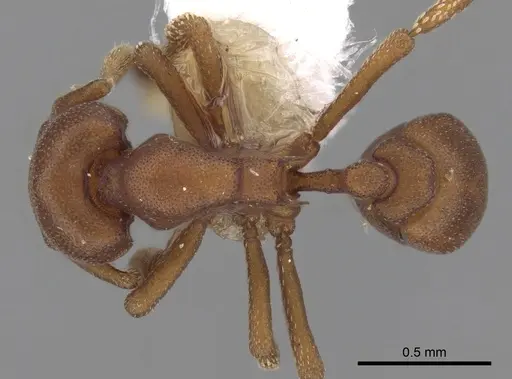
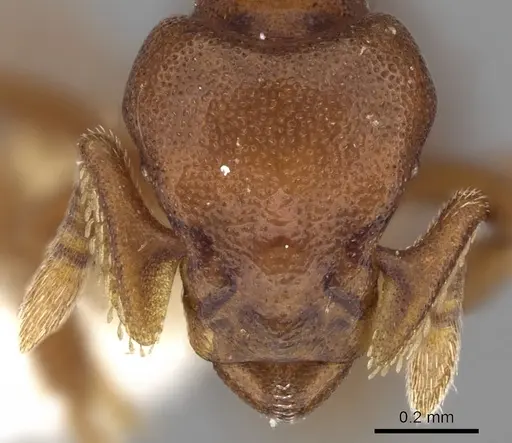
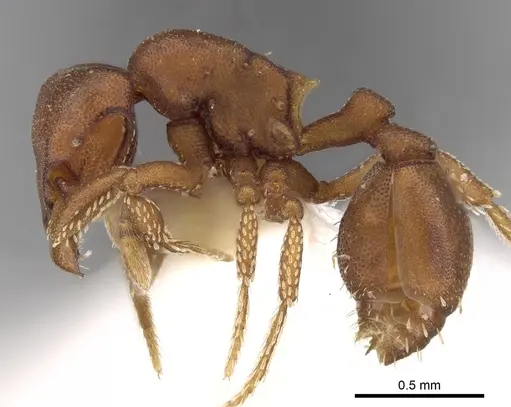
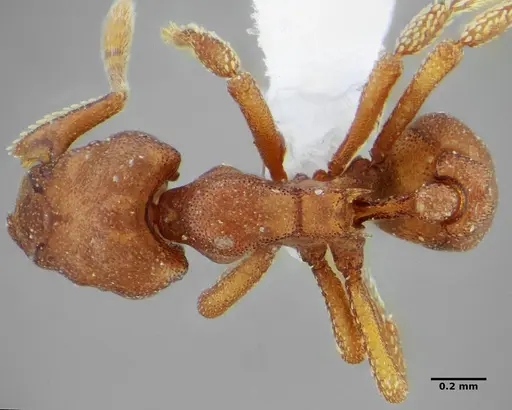
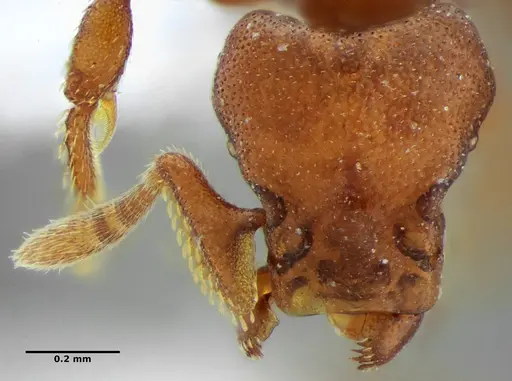
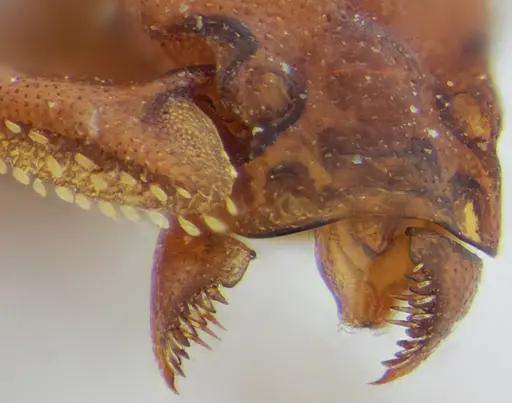
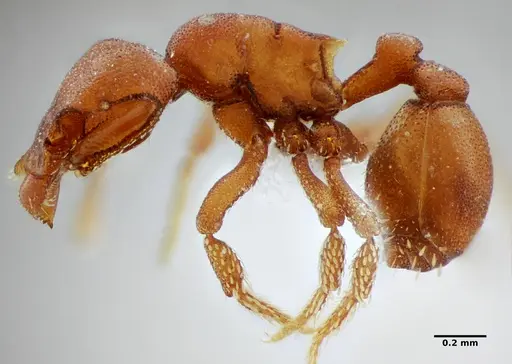
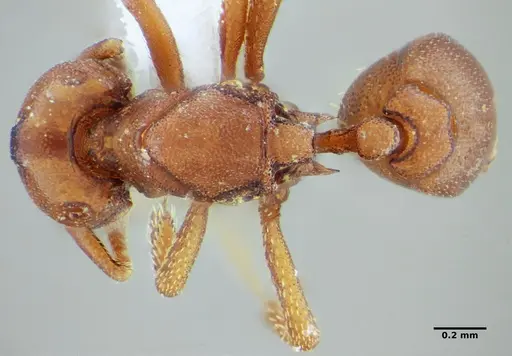
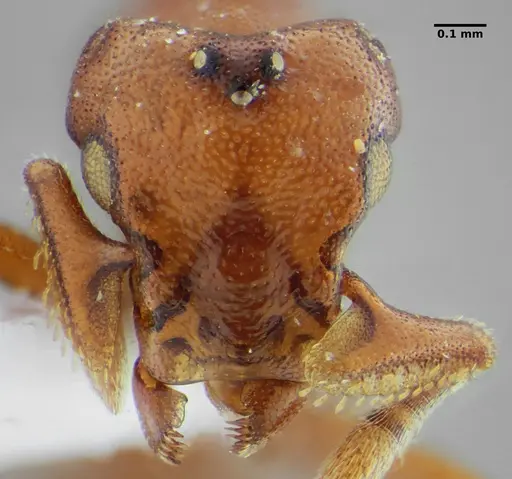
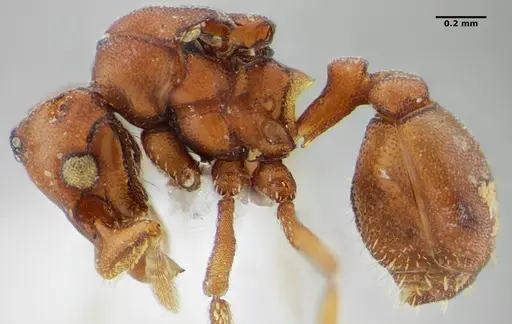
Eurhopalothrix spectabilis is a tiny, cryptic ant species native to the Atlantic Forest regions of southern Brazil and Paraguay. Workers measure just 2.8mm in total length, making them one of the smaller ant species in the hobby. This species is highly distinctive in appearance, unlike many related genera that have abundant specialized hairs, E. spectabilis has a nearly bare body with a smooth, glassy clypeus and propodeal spines that feature broad, leaf-like crests [1]. The workers are rust-colored with darker legs and antennae. In the wild, these ants live deep within leaf litter and have been found nesting in sifted material from Camponotus rufipes nests, suggesting they may be secondary nest inhabitants or commensals [2]. Their cryptic lifestyle and small size make them a challenging but rewarding species for experienced antkeepers.
Quick Summary
- Difficulty: Expert
- Origin & Habitat: Atlantic Forest regions of Brazil (São Paulo, Santa Catarina) and Paraguay. Found in leaf litter and sifted nest material at elevations of 300-500m [3][1].
- Colony Type: Unconfirmed colony structure. Like most Myrmicinae, likely single-queen colonies, but no documented studies on queen number in wild colonies.
- Size & Growth:
- Queen: Unconfirmed, only dealate queen known from type specimen [3]
- Worker: 2.8mm total length (head 0.71mm, thorax 0.77mm) [1]
- Colony: Unknown, likely small colonies typical of cryptic litter ants (under 100 workers)
- Growth: Unknown, likely slow to moderate given small colony sizes
- Development: Unconfirmed, estimated 6-10 weeks based on typical Attini patterns at 24-26°C (No direct development data available. Estimated based on related litter-dwelling Myrmicinae.)
- Antkeeping:
- Temperature: Keep at 24-26°C. This species comes from the warm Atlantic Forest region of Brazil, so moderate warmth is essential
- Humidity: High humidity required, think damp forest floor. Keep substrate consistently moist but not waterlogged. These leaf-litter ants need humid conditions to prevent desiccation
- Diapause: Unlikely, as a tropical/subtropical species from southern Brazil, they probably do not require a true hibernation. However, they may slow down during cooler winter months
- Nesting: Use a naturalistic setup with fine, moist substrate (like a mixture of soil and leaf litter) or a small acrylic/ytong nest with tight chambers scaled to their tiny size. They do best with plenty of hiding spaces and humidity-retaining materials
- Behavior: Extremely cryptic and reclusive. Workers are slow-moving and spend most of their time hidden within the substrate or under cover. They are not aggressive and will flee rather than engage. Escape prevention is critical due to their tiny size, they can squeeze through standard mesh barriers. Likely predatory on micro-arthropods like springtails and mites, typical of the Attini tribe. They are not known to sting and present no danger to keepers.
- Common Issues: tiny size makes escape prevention difficult, use fine mesh and tight-fitting lids, cryptic behavior means you may rarely see the ants, this is normal, not a sign of problems, high humidity requirements can lead to mold if ventilation is poor, slow growth and small colony sizes mean colonies are vulnerable to disturbances, wild-caught colonies may be stressed from collection and have high mortality
Housing and Nest Setup
Eurhopalothrix spectabilis requires a setup that mimics their natural leaf-litter habitat. A naturalistic terrarium-style enclosure works best, use a shallow container filled with a moist mixture of soil, sand, and finely shredded leaf litter. The substrate should be kept consistently damp but never waterlogged. Alternatively, a small acrylic nest with very tight chambers (scaled to their 2.8mm size) can work, but provide a foraging area with natural debris. Because they are so small and cryptic, avoid large open spaces, they need plenty of hiding spots and tight spaces to feel secure. Use a water reservoir or mist regularly to maintain humidity, and cover part of the setup to reduce light exposure since these ants prefer dark, concealed spaces.
Feeding and Diet
As a member of the Attini tribe, E. spectabilis likely predates on small micro-arthropods. Offer live springtails as a primary food source, these are ideal sized prey that this tiny ant can tackle. Other small live prey like micro- mites, fruit fly larvae, and tiny wax worms may also be accepted. Sugar sources are unlikely to be accepted given their predatory nature, do not rely on honey or sugar water. Feed small amounts of prey every few days, removing any uneaten items promptly to prevent mold. The cryptic nature of this species means they may only feed when undisturbed, so observe from a distance.
Temperature and Humidity
Maintain temperatures between 24-26°C, reflecting their native Atlantic Forest habitat in southern Brazil. A small heating mat on one side of the enclosure can create a gentle gradient if room temperature is below this range. High humidity is critical, aim for 70-80% relative humidity within the nest area. This can be achieved by keeping the substrate moist and using a water reservoir. However, balance humidity with adequate ventilation to prevent mold growth. These ants are sensitive to drying out, so monitor substrate moisture regularly and rehydrate before the surface dries completely.
Behavior and Observation
Eurhopalothrix spectabilis is one of the more challenging ants to observe in captivity. Workers are extremely reclusive and will spend most of their time hidden within the substrate, under leaf litter, or in tight crevices. Do not mistake this for illness or poor colony health, it is simply their natural behavior. They are not aggressive and lack a functional sting, so there is no danger to the keeper. Activity levels will increase at night or when the colony is undisturbed. Because of their tiny size, they are excellent escape artists, use fine mesh (at least 0.5mm or smaller) on all openings and ensure lids fit tightly. Expect slow colony growth and small ultimate colony sizes.
Frequently Asked Questions
How long does it take for Eurhopalothrix spectabilis to produce first workers?
The exact timeline is unconfirmed, but based on typical Attini development patterns, expect first workers (nanitics) around 6-10 weeks after the queen lays eggs, assuming temperatures around 24-26°C. Growth is likely slow, so patience is essential.
Can I keep Eurhopalothrix spectabilis in a test tube setup?
A test tube can work for a founding queen, but due to their need for high humidity and cryptic behavior, a naturalistic setup with moist substrate is better for established colonies. If using test tubes, ensure they are kept in a humid enclosure.
What do Eurhopalothrix spectabilis eat?
They are likely predatory on micro-arthropods. Feed live springtails as a primary food, with occasional other tiny prey like micro-mites or fruit fly larvae. Sugar sources are unlikely to be accepted.
Are Eurhopalothrix spectabilis good for beginners?
No, this is an expert-level species. Their tiny size, high humidity requirements, cryptic behavior, and slow growth make them challenging even for experienced antkeepers.
How big do Eurhopalothrix spectabilis colonies get?
Colony size is unconfirmed, but based on typical litter-dwelling ants, colonies likely remain small, probably under 100 workers even at maturity.
Do Eurhopalothrix spectabilis need hibernation?
No, as a species from tropical/subtropical Brazil, they do not require a true hibernation. They may show reduced activity during cooler months but no special winter treatment is needed.
Why can't I see my Eurhopalothrix spectabilis ants?
This is completely normal, they are extremely cryptic and prefer to stay hidden within substrate and debris. This is not a sign of problems, it is their natural behavior. Observe from a distance and only intervene if the colony appears unhealthy.
How do I prevent escape with Eurhopalothrix spectabilis?
Escape prevention is critical due to their tiny 2.8mm size. Use fine mesh (0.5mm or smaller) on all ventilation holes, ensure lids fit tightly with no gaps, and consider using barrier substances like fluon on enclosure edges. Check regularly for any gaps.
Can I keep multiple queens together?
Colony structure is unconfirmed for this species. Unless you have specific documentation showing they are polygynous, it is safest to keep only one queen per enclosure.
References

This caresheet is licensed under CC BY-SA 4.0 .
Literature
Loading...Loading products...