

Eurhopalothrix insidiatrix
- Scientific Name
- Eurhopalothrix insidiatrix
- Tribe
- Attini
- Subfamily
- Myrmicinae
- Author
- Taylor, 1980
- Distribution
- Found in 1 countries
Eurhopalothrix insidiatrix Overview
Eurhopalothrix insidiatrix is an ant species of the genus Eurhopalothrix. It is primarily documented in 1 countries , including Fiji. Detailed taxonomic data and occurrence records can be further explored via authoritative databases such as AntWeb or the Global Biodiversity Information Facility (GBIF).
Eurhopalothrix insidiatrix
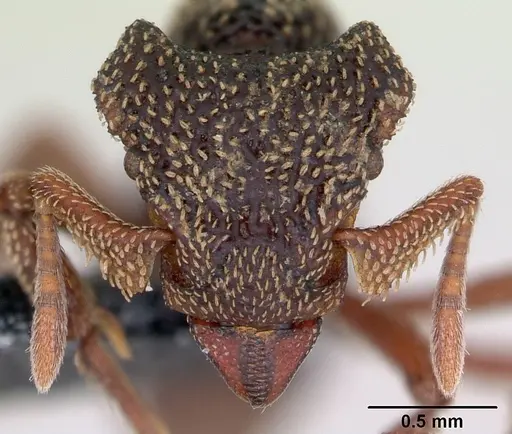
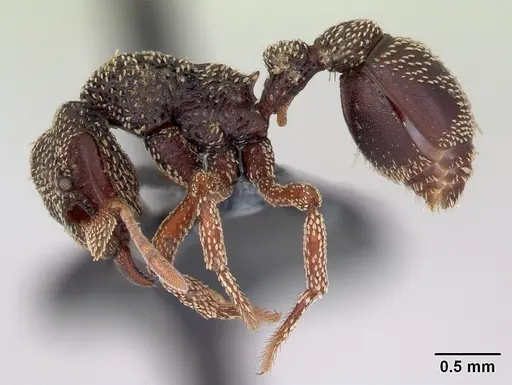
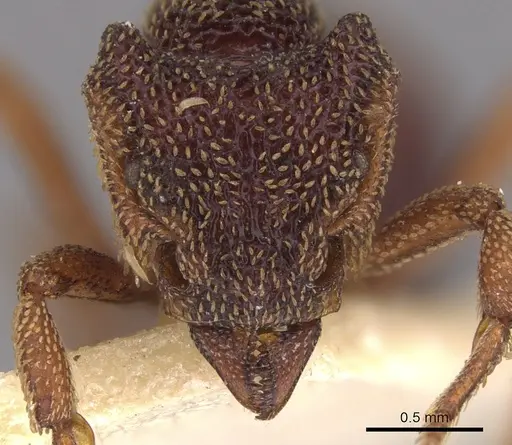
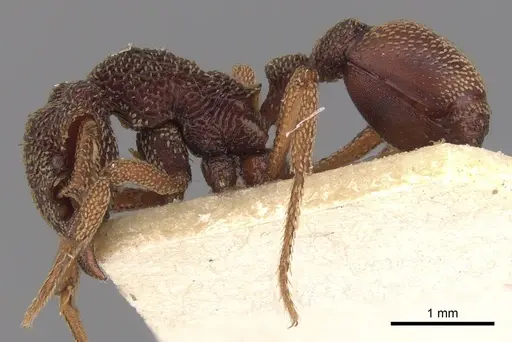
Eurhopalothrix insidiatrix is a small, cryptic ant species endemic to the Fiji islands. Workers measure 5.5-6.0mm and have a distinctive appearance with heavily sculptured, reticulated surfaces on the head and mesosoma. They belong to the tribe Attini but are not fungus-growers, instead they are predators of small invertebrates in the leaf litter layer. This species is distinguished from its closest relative Eurhopalothrix emeryi by the more random and reticulated pattern of ridges on the head and body. All known specimens have been collected by sifting through leaf litter in Fiji's forests [1][2].
This is an exceptionally rare species in the antkeeping hobby, with virtually no captive breeding records. They represent a true specialist challenge, these are not display ants but rather a collector's species for those interested in studying one of Fiji's most obscure endemic ants. Their cryptic lifestyle and specific habitat requirements make them a species best suited for experienced antkeepers willing to experiment with husbandry methods.
Quick Summary
- Difficulty: Expert
- Origin & Habitat: Endemic to Fiji islands, found on Viti Levu, Vanua Levu, Ovalau, and Kadavu. They live in tropical forest leaf litter, typically at elevations around 800m. Workers are collected by sifting through decaying organic material on the forest floor [1][2][3].
- Colony Type: Colony structure is unconfirmed. No data exists on whether they are single-queen (monogyne) or multi-queen (polygyne). Ergatoid (wingless) queen presence has not been documented for this species.
- Size & Growth:
- Queen: Approximately 6mm+ based on worker size and genus patterns
- Worker: 5.5-6.0mm
- Colony: Likely small, under 100 workers based on cryptic leaf-litter ant patterns
- Growth: Unknown, estimated Slow based on small colony size patterns
- Development: Unconfirmed, estimated 8-12 weeks based on typical Myrmicinae patterns at tropical temperatures (No direct development data exists for this species. Estimates are based on genus-level inference and typical Attini-related patterns.)
- Antkeeping:
- Temperature: Keep warm, around 24-28°C. Fiji is tropical, so they expect consistent warmth year-round. A heating cable on one side of the nest creates a suitable gradient.
- Humidity: High humidity is essential, think damp forest floor. Keep the nest substrate consistently moist but not waterlogged. Provide a water reservoir and mist occasionally, but ensure ventilation prevents mold buildup.
- Diapause: No, Fiji has no winter. They do not require hibernation or diapause. Maintain consistent tropical conditions year-round.
- Nesting: These are leaf-litter specialists. In captivity, they do best in a naturalistic setup with plenty of substrate depth (at least 5-10cm) for tunneling. A Y-tong or plaster nest with added leaf litter material works well. They need tight chambers and passages scaled to their small size. Avoid tall, open spaces.
- Behavior: Eurhopalothrix are cryptic, slow-moving ants that spend most of their time in the leaf litter layer. Workers forage individually rather than in trails. They are predators of small invertebrates (springtails, mites, tiny insects). They are not aggressive and rarely sting. Escape risk is moderate, they are small but not tiny enough to require fine mesh beyond standard precautions. They are skittish and will retreat when disturbed rather than confront.
- Common Issues: no captive breeding records means all husbandry is experimental, expect high failure rate, very small colony sizes mean any stress can be fatal, handle minimally, wild-caught colonies may have parasites that kill them in captivity, humidity control is critical, too dry causes colony collapse, too wet causes mold, finding appropriate prey is challenging, they need tiny live invertebrates, not standard ant food
Natural History and Distribution
Eurhopalothrix insidiatrix is one of only two Eurhopalothrix species known from Fiji, the other being Eurhopalothrix emeryi. This species was originally described by Taylor in 1980 based on specimens collected by W.M. Mann in 1915-16,with additional specimens collected during more recent surveys. They are found across multiple Fiji islands including Viti Levu, Vanua Levu, Ovalau, and Kadavu, typically at elevations around 800 meters. The species is distinguished from E. emeryi by the more reticulated and random appearance of the ridges on the head and mesosoma. All specimens have been collected from sifted leaf litter, indicating they are strictly cryptic forest-floor dwellers [1][2][3].
The Fiji islands provide a tropical environment with consistent temperatures and high humidity year-round. These ants live in the decomposing leaf litter layer where conditions are constantly moist and temperatures remain stable. This is a specialized microhabitat that differs significantly from the conditions most ant species prefer.
Housing and Nest Setup
Housing Eurhopalothrix insidiatrix successfully requires recreating their natural leaf-litter environment. A naturalistic setup with at least 5-10cm of substrate depth works best. Use a mixture of decomposed leaf litter, soil, and small pieces of rotting wood to create a substrate they can tunnel through. A Y-tong (acrylic) nest with narrow chambers can also work if you add some of their natural substrate material to help them feel secure.
The key is providing tight, enclosed spaces, these are not ants that will colonize large open chambers. Keep the nest area consistently moist by adding a water reservoir or sponge. However, ensure adequate ventilation to prevent mold, which can quickly kill small colonies. A small test tube setup can work for founding colonies, but be prepared to move them to a more spacious setup once the colony grows.
Because they are escape artists in the sense of being small and cryptic, use standard escape prevention (fluon on rim edges) but fine mesh is not typically required for ants this size.
Feeding and Diet
Eurhopalothrix insidiatrix are predators, not seed-eaters or sugar-seekers. In the wild, they hunt small invertebrates in the leaf litter, primarily springtails, mites, and other micro-arthropods. In captivity, their primary food should be live tiny prey such as springtails, fruit flies, and other small insects.
Do not expect them to accept standard ant foods like seeds, honey, or protein mixes. They are obligate predators that need moving prey to trigger foraging behavior. Offer small live prey 2-3 times per week, removing any uneaten prey after 24 hours. The prey items should be appropriately sized, tiny springtails and fruit fly larvae are ideal. Some keepers report success with frozen fruit flies thawed and offered, but live prey is always preferred.
Because they are slow-moving and cryptic, do not expect them to form foraging trails or compete for food. They will hunt individually and may take days to accept a prey item.
Temperature and Humidity Management
As a tropical Fiji species, Eurhopalothrix insidiatrix requires warm, stable temperatures. Aim for 24-28°C consistently. A heating cable placed on one side of the nest can create a gentle gradient, allowing the ants to choose their preferred temperature. Avoid temperature fluctuations, these ants are not adapted to seasonal changes.
Humidity is equally critical. The leaf litter layer in Fiji forests is constantly moist. Keep the nest substrate damp to the touch but not waterlogged. A water reservoir connected to the nest via a cotton wick provides constant moisture. Check substrate moisture daily and rehydrate as needed rather than on a fixed schedule.
Do not confuse Fiji's warm, humid conditions with temperate species requirements. Room temperature (20-22°C) is likely too cold. You will need active heating to maintain proper temperatures.
Colony Dynamics and Growth
Nothing is known about the colony development of Eurhopalothrix insidiatrix in captivity because no successful captive breeding has been documented. Based on related leaf-litter ants and the genus patterns, colonies are likely small, probably under 100 workers at maturity. Growth is expected to be slow, with months between each brood cycle.
Queens have been described (the original description includes both workers and queens) but colony founding behavior is unconfirmed. Like most Myrmicinae, they are likely claustral, the queen seals herself in and lives off stored fat until her first workers hatch. However, this has not been directly observed for this species.
Given the lack of captive data, expect experimentation to be necessary. Start with a small colony or queen and be prepared for a long-term commitment with uncertain outcomes. [1]
Acquisition and Legal Considerations
Eurhopalothrix insidiatrix is endemic to Fiji and has never been commonly available in the antkeeping hobby. Any specimens in captivity would likely be wild-caught imports, which carries significant risks including parasites, disease, and stress from collection and transport. Always ensure any specimens were legally collected and exported.
If you acquire this species, do not release any ants in non-native locations. They are not established in the pet trade and should never be released. Additionally, be aware that removing endemic species from Fiji can have conservation implications, only purchase from reputable sources that can verify sustainable collection practices.
Given the extreme difficulty of keeping this species, consider whether your interest is better served by supporting conservation efforts in Fiji or studying them in their natural habitat rather than attempting captive husbandry. [2][3]
Frequently Asked Questions
Is Eurhopalothrix insidiatrix suitable for beginners?
No. This is an expert-level species with no established captive care protocols. There are no breeding records in the hobby, and all husbandry is experimental. Only experienced antkeepers willing to accept high failure rates should attempt this species.
What do Eurhopalothrix insidiatrix ants eat?
They are predators of small invertebrates. Feed live springtails, fruit flies, and other tiny insects. They will not accept seeds, honey, or standard ant protein mixes. Live prey is essential, they need movement to trigger hunting behavior.
How long does it take for Eurhopalothrix insidiatrix to develop from egg to worker?
This has not been documented. Based on typical Myrmicinae patterns at tropical temperatures (24-28°C), estimates suggest 8-12 weeks, but this is purely speculative. No captive breeding has been recorded to verify this.
Do Eurhopalothrix insidiatrix ants need hibernation?
No. They are endemic to Fiji, which has no winter. They require consistent tropical conditions year-round with no diapause or hibernation period.
What temperature should I keep Eurhopalothrix insidiatrix at?
Keep them warm at 24-28°C. Use a heating cable on one side of the nest to create a gradient. Room temperature (20-22°C) is too cold. Consistent warmth is essential for this tropical species.
What humidity level do Eurhopalothrix insidiatrix ants need?
High humidity, keep the nest substrate consistently moist like a damp forest floor. The substrate should feel damp to the touch. Provide a water reservoir and mist occasionally, but ensure ventilation to prevent mold.
Can I keep multiple Eurhopalothrix insidiatrix queens together?
Unknown. No data exists on their colony structure or whether they accept multiple queens. Given the lack of information, do not attempt combining unrelated queens.
How big do Eurhopalothrix insidiatrix colonies get?
Likely small, probably under 100 workers at maturity based on cryptic leaf-litter ant patterns. No wild colony size data exists for this species.
What is the best nest type for Eurhopalothrix insidiatrix?
A naturalistic setup with 5-10cm of substrate depth works best. Use a mixture of leaf litter material, soil, and small rotting wood pieces. A Y-tong nest with added substrate material is also suitable. They need tight chambers scaled to their small size.
Where is Eurhopalothrix insidiatrix found in the wild?
Only in Fiji, specifically on the islands of Viti Levu, Vanua Levu, Ovalau, and Kadavu. They live in tropical forest leaf litter at elevations around 800 meters.
Is Eurhopalothrix insidiatrix available in the antkeeping hobby?
No. This is one of the rarest species in the hobby, with virtually no captive specimens. Any ants would be wild-caught imports with significant associated risks. This is a collector's species for those specifically interested in rare Fiji endemics.
References

This caresheet is licensed under CC BY-SA 4.0 .
CASENT0171052
View on AntWeb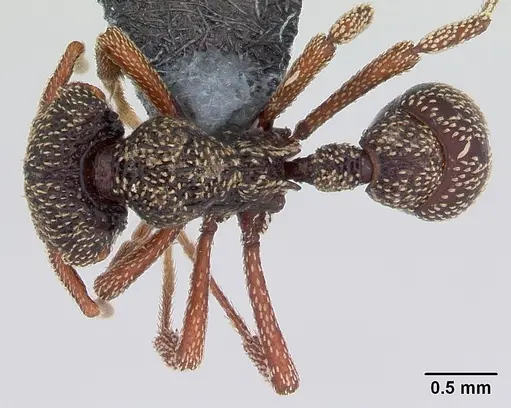
CASENT0900935
View on AntWeb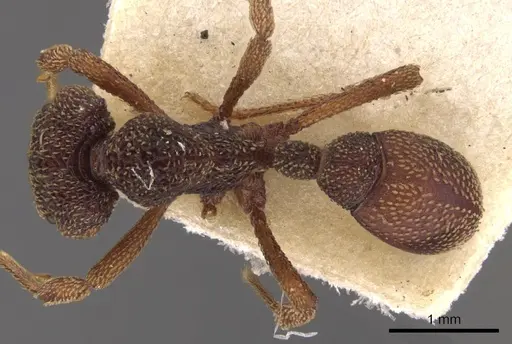
Literature
Loading...Loading products...