

Eurhopalothrix emeryi
- Scientific Name
- Eurhopalothrix emeryi
- Tribe
- Attini
- Subfamily
- Myrmicinae
- Author
- Forel, 1912
- Distribution
- Found in 1 countries
Eurhopalothrix emeryi Overview
Eurhopalothrix emeryi is an ant species of the genus Eurhopalothrix. It is primarily documented in 1 countries , including Fiji. Detailed taxonomic data and occurrence records can be further explored via authoritative databases such as AntWeb or the Global Biodiversity Information Facility (GBIF).
Eurhopalothrix emeryi
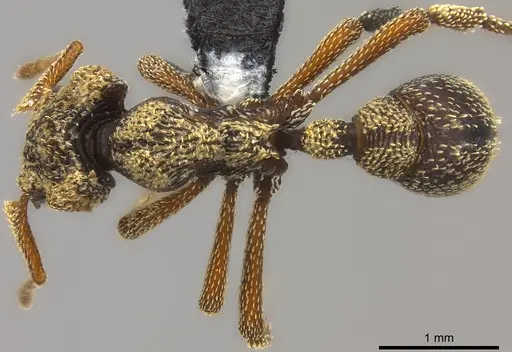
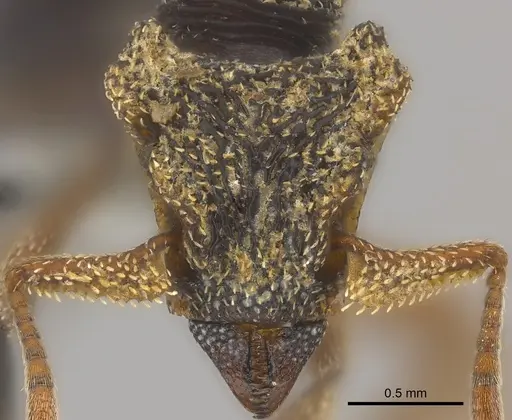
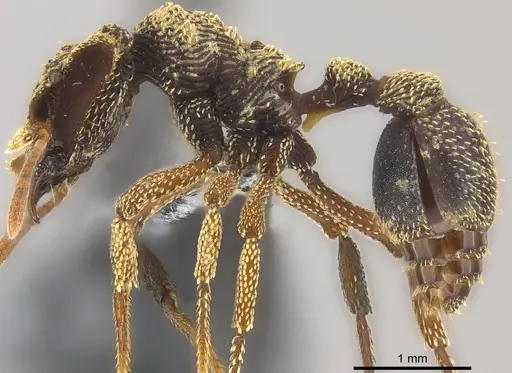
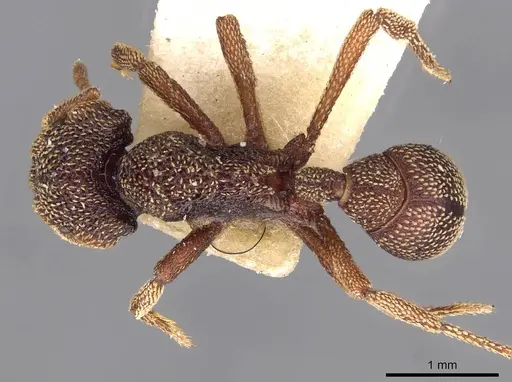
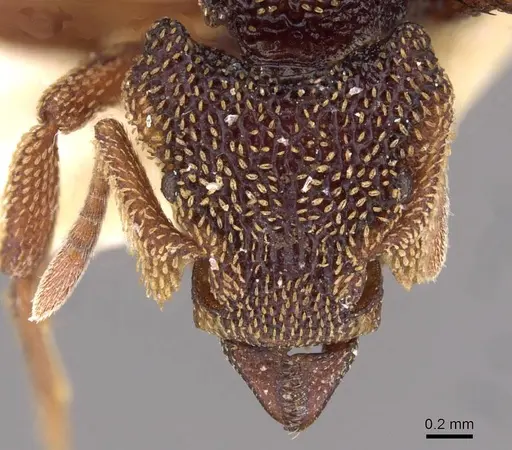
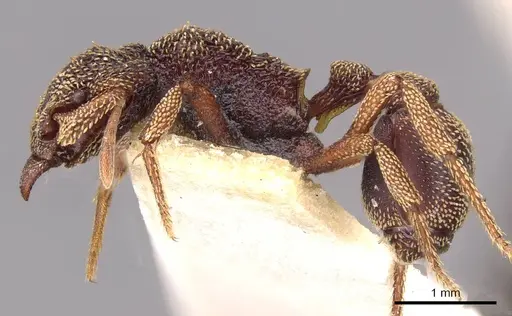
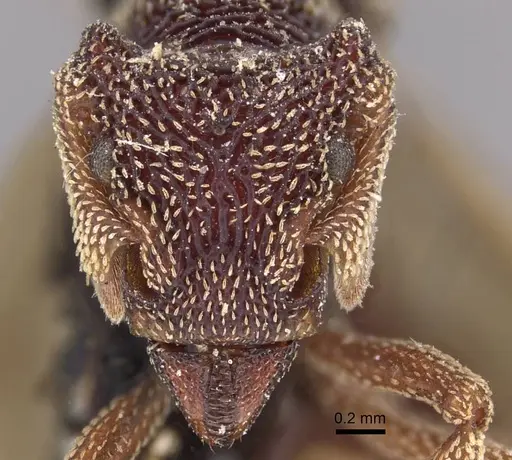
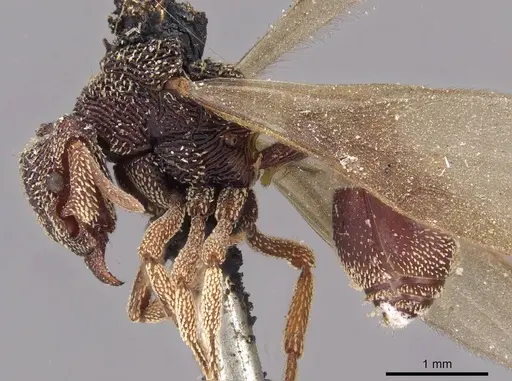
Eurhopalothrix emeryi is a small, cryptic ant endemic to Fiji, measuring about 5.0-5.5mm for workers. These ants have a distinctive appearance with coarse rugae (wrinkles) on their head and mesosoma, giving them a groomed look that distinguishes them from their only Fijian congener, Eurhopalothrix insidiatrix. Their coloration is neutral and camouflaged, making them extremely difficult to spot in their natural habitat. This species was originally described from a specimen said to be from Australia, but this locality is now considered an error, the species is only known from Fiji, specifically Viti Levu, Vanua Levu, and Ovalau. Unlike many Myrmicinae, these ants are remarkably still when disturbed, freezing in place rather than fleeing, which adds to their cryptic nature.
Quick Summary
- Difficulty: Expert
- Origin & Habitat: Fiji Islands (Viti Levu, Vanua Levu, Ovalau), endemic. In the wild, these ants nest in small colonies beneath stones or logs deep in forested areas, typically found in sifted leaf litter [1][2].
- Colony Type: Small colonies in the wild. Colony structure is not well-documented in scientific literature, likely monogyne (single queen) based on small colony sizes observed.
- Colony: Monogyne
- Size & Growth:
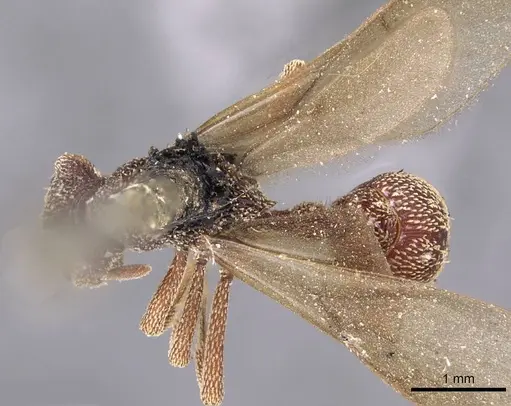
- Queen: Similar dimensions to workers (approximately 5mm+), with specialized hairs differentiated even less strongly than in workers
- Worker: 5.0-5.5mm total length, HL 1.24-1.35mm, HW 1.20-1.27mm
- Colony: Small colonies, exact maximum unknown but Mann described them as small colonies [1]
- Growth: Unknown, no development data available
- Development: Unknown, no direct development studies exist for this species (Development timeline has not been studied. Related Basicerotini species typically show moderate development periods, but specific data is unavailable for this genus.)
- Antkeeping:
- Temperature: Based on Fijian tropical habitat, keep at 24-28°C. This is a warm-tropical species from a humid island environment.
- Humidity: High humidity required, forest floor dwellers in a tropical island setting. Keep nest substrate consistently moist but not waterlogged.
- Diapause: No, Fiji has no cold winter. These ants do not require hibernation or diapause.
- Nesting: In captivity, these tiny ants need secure housing with fine escape prevention. They naturally nest under stones and logs in forest litter. A naturalistic setup with moist substrate or a well-humidified acrylic/plaster nest works best. Their small size and cryptic nature mean they do best in setups that allow them to remain hidden.
- Behavior: These ants are extremely cryptic and docile. When disturbed, they freeze rather than flee, a notable defensive behavior. They are not aggressive and likely have minimal sting capability given their small size and cryptic lifestyle. Workers forage in leaf litter and are rarely seen. Escape prevention is critical due to their tiny size, they can squeeze through standard gaps easily. They are slow-moving and prefer to remain motionless when potential threats are detected.
- Common Issues: tiny size makes escape prevention critical, use fine mesh and tight-fitting lids, cryptic behavior means colonies can appear inactive or absent, do not assume death without careful inspection, no available development data makes timing uncertain, patience required, wild-caught colonies may be difficult to establish due to specific habitat requirements, their stillness when disturbed can be mistaken for death or colony failure
Housing and Nest Setup
Eurhopalothrix emeryi requires careful housing due to their extremely small size. Use test tubes for founding colonies or small acrylic nests with chambers appropriately scaled to their 5mm body length. The nest should have fine mesh barriers, these ants can escape through gaps that would hold larger species. Keep the nest humidified since they naturally live in moist forest litter. A naturalistic setup with a layer of moist soil/leaf litter can work well, mimicking their natural under-stone nesting habitat. Ensure the outworld has a small, secure water source and feeding area. [1]
Feeding and Diet
The tribe Attini (which includes Eurhopalothrix) are typically omnivorous or predatory, feeding on small invertebrates and honeydew in leaf litter environments. In captivity, offer small protein sources like fruit flies, springtails, or tiny pieces of mealworm. Sugar water or honey can be offered but acceptance may vary. Feed small amounts regularly and remove uneaten food to prevent mold. Given their cryptic nature and small size, prey items should be appropriately sized, no larger than their head width.
Temperature and Humidity
As a tropical Fijian species, Eurhopalothrix emeryi requires warm and humid conditions. Maintain temperatures between 24-28°C, avoiding drops below 22°C. High humidity is essential, aim for 70-80% relative humidity in the nest area. These ants live in forest floor microhabitats where moisture is constant. Use a water reservoir in test tube setups or mist regularly in naturalistic setups. Avoid both drying out and stagnant excessive moisture that could cause mold. A gentle thermal gradient allows the colony to self-regulate.
Handling and Observation
These ants present unique observation challenges. When disturbed, they freeze rather than run, this is a natural defensive behavior, not a sign of illness. Their neutral coloration makes them difficult to see against many substrates. When caring for this species, minimize disturbances and observe quietly. Check for activity during feeding times rather than constantly opening the nest. Their cryptic nature means you may see fewer ants than with more active species, this is normal. Any movement or foraging activity indicates a healthy, established colony. [1]
Colony Establishment
Establishing Eurhopalothrix emeryi colonies in captivity is challenging due to their cryptic nature and limited availability. If obtaining a wild-caught colony, collect from under stones or logs in forested areas of Fiji. Quarantine and monitor new colonies carefully as they may carry parasites. Established colonies grow slowly, patience is essential. Do not disturb founding queens unnecessarily. The small colony size in the wild suggests these ants may be sensitive to disturbance. Success requires replicating their humid, dark forest floor microhabitat as closely as possible. [1][2]
Legal and Ethical Considerations
Eurhopalothrix emeryi is endemic to Fiji and protected within that country's ecosystem. It should not be collected from the wild in significant numbers. If keeping this species, ensure your source is from a reputable breeder who maintains ethically-sourced colonies. Never release this or any non-native ant species outside their natural range, they could become invasive or disrupt local ecosystems. This species is not established in antkeeping hobby trade and remains a specialist species for experienced keepers. [2]
Frequently Asked Questions
How long does it take for Eurhopalothrix emeryi to produce first workers?
The development timeline for this species is unknown, no scientific studies have documented their egg-to-worker development. Based on related Basicerotini species, expect several months, but this is an estimate. Patience is essential as these cryptic ants develop slowly.
What do Eurhopalothrix emeryi ants eat?
While not directly studied, Eurhopalothrix likely accepts small live prey like springtails and fruit flies, plus sugar sources. Offer tiny prey items appropriately sized to their 5mm workers. Remove uneaten food promptly to prevent mold in their humid setup.
Are Eurhopalothrix emeryi good for beginners?
No, this species is rated Expert difficulty. They are extremely cryptic, require specific humid tropical conditions, have no available development data, and their small size creates significant escape prevention challenges. They are best suited for experienced antkeepers interested in rare species.
Do Eurhopalothrix emeryi need hibernation?
No, as a tropical species from Fiji, they do not require hibernation or diapause. Maintain warm temperatures (24-28°C) year-round. Fiji has no cold season, so these ants are active throughout the year in captivity.
How big do Eurhopalothrix emeryi colonies get?
In the wild, Mann described them as small colonies. The exact maximum is unknown, but based on field observations, colonies likely remain relatively small, possibly under 100 workers. This is a cryptic, litter-dwelling species rather than one that produces large colonies.
Can I keep multiple Eurhopalothrix emeryi queens together?
The colony structure is not well-documented. Field observations describe small colonies, suggesting single-queen (monogyne) colonies. Without specific data on multi-queen founding or tolerance, keeping multiple unrelated queens together is not recommended.
Why are my Eurhopalothrix emeryi always frozen or still?
This is normal behavior, when disturbed, Eurhopalothrix emeryi freezes rather than fleeing. This is a documented defensive adaptation. They are cryptic ants that naturally remain motionless. Do not mistake this stillness for death. Check for activity during feeding times instead.
Where is Eurhopalothrix emeryi found in the wild?
Eurhopalothrix emeryi is endemic to Fiji, found only on the islands of Viti Levu, Vanua Levu, and Ovalau. Despite being originally described as from Australia, this locality is now considered an error. They live in small colonies beneath stones or logs in forested areas, found in sifted leaf litter.
References

This caresheet is licensed under CC BY-SA 4.0 .
Literature
Loading...Loading products...