

Euponera vohitravo
- Scientific Name
- Euponera vohitravo
- Tribe
- Ponerini
- Subfamily
- Ponerinae
- Author
- Rakotonirina & Fisher, 2013
- Distribution
- Found in 1 countries
Euponera vohitravo Overview
Euponera vohitravo is an ant species of the genus Euponera. It is primarily documented in 1 countries , including Madagascar. Detailed taxonomic data and occurrence records can be further explored via authoritative databases such as AntWeb or the Global Biodiversity Information Facility (GBIF).
Euponera vohitravo
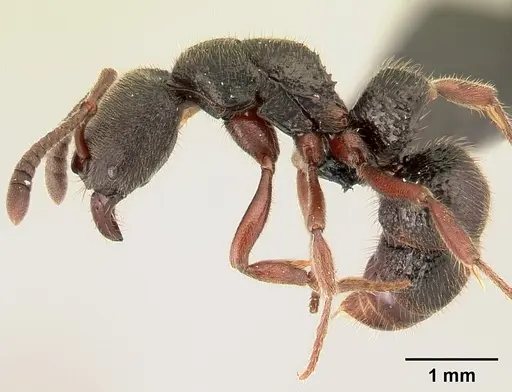
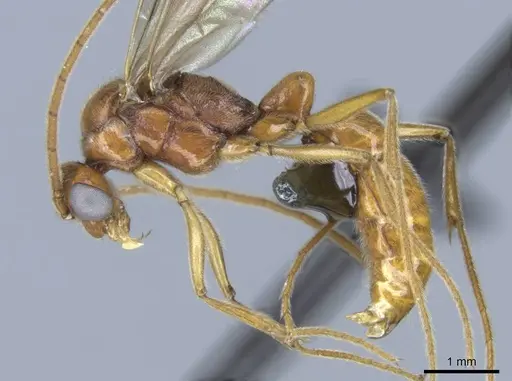
Euponera vohitravo is a small Ponerine ant species endemic to Madagascar, where it inhabits disjunct montane rainforest habitats in the northeastern and central-eastern regions of the island. Workers measure approximately 5-7mm in total length with a dark brown to reddish-brown body and notably abundant fine hairs covering the first two abdominal segments. The species is distinguished by a series of sharp teeth or tubercles along the posterolateral margins of the propodeum and petiole node, along with densely punctured gastral segments. This species was formerly classified as Euponera vohitravo before being moved to Euponera. The three known populations show striking morphological variation in body size, head shape, and sculpture, reflecting the isolated mountain-top habitats where they occur.
Quick Summary
- Difficulty: Medium
- Origin & Habitat: Endemic to Madagascar, found in disjunct montane rainforest habitats including RS Anjanaharibe-Sud and Makira Forest in the northeast, Andranomay Forest on the high plateau, and Ambatovy-Analamay in central-eastern Madagascar [1][2].
- Colony Type: Colony structure is unconfirmed. Workers were collected through leaf litter sampling, and one colony was found in a rotten log, suggesting small, scattered colonies in forest floor microhabitats [1][2].
- Size & Growth:
- Queen: Unconfirmed, no queen specimens have been described in the original research [1][2].
- Worker: Workers measure 1.14-1.50mm head width,1.22-1.69mm head length, with mesosoma length (WL) of 1.64-2.17mm [2]. Total body length is approximately 5-7mm.
- Colony: Unknown, only small numbers of workers have been collected, typically through leaf litter extraction [1][2].
- Growth: Unknown
- Development: Unconfirmed, no development data exists for this species. Based on typical Ponerine patterns, expect 2-4 months from egg to first worker at warm temperatures. (Development timeline is estimated from related Ponerinae species since no direct observations exist for E. vohitravo.)
- Antkeeping:
- Temperature: Based on its montane rainforest origin in Madagascar, aim for warm and humid conditions around 24-28°C with a gentle gradient. Avoid temperatures below 20°C for extended periods.
- Humidity: High humidity is essential, these ants live in rainforest leaf litter and rotting wood. Keep nest substrate consistently moist but not waterlogged. Target 70-85% humidity in the nest area.
- Diapause: Unknown for this species. Madagascar experiences mild seasonal variation, but montane populations may experience cooler periods. Observe colony behavior for signs of reduced activity during cooler months.
- Nesting: In captivity, provide a naturalistic setup with moist substrate suitable for leaf litter ants. A Y-tong or plaster nest with small chambers works well. Include plenty of decaying organic material and small hiding spaces. The species accepts narrow passages scaled to their small size.
- Behavior: Euponera vohitravo is a small rainforest ant that forages in leaf litter and decaying wood. As a Ponerine species, it likely has a potent sting for its size, though the sting may be too small to penetrate human skin effectively. Workers are relatively slow-moving compared to faster ants. Escape prevention should be good despite their small size, they are not strong climbers. Monitor for aggression if disturbed, as Ponerines can be defensive.
- Common Issues: high humidity requirements can lead to mold problems if ventilation is inadequate, small colony sizes mean losses can be devastating, start with the largest colony available, lack of documented care information means keepers must adapt from related species, wild-caught colonies may have parasites that are difficult to treat in captivity
Natural History and Distribution
Euponera vohitravo is endemic to Madagascar, where it occupies a highly fragmented distribution across isolated mountain tops in the northeastern and central-eastern regions. The three known populations, at RS Anjanaharibe-Sud and Makira Forest in the northeast, Andranomay Forest on the central high plateau, and Ambatovy-Analamay in central-eastern Madagascar, show significant morphological variation despite their relatively close geographic proximity. This variation includes differences in overall body size, the shape of the sides of the head, the presence or absence of a blunt angle on the clypeal margin, and the strength of body sculpture. Workers have been collected primarily through leaf litter extraction, and one colony was found in a rotten log, indicating this species nests in moist forest floor microhabitats among decaying organic material. [1][2]
Identification and Distinguishing Features
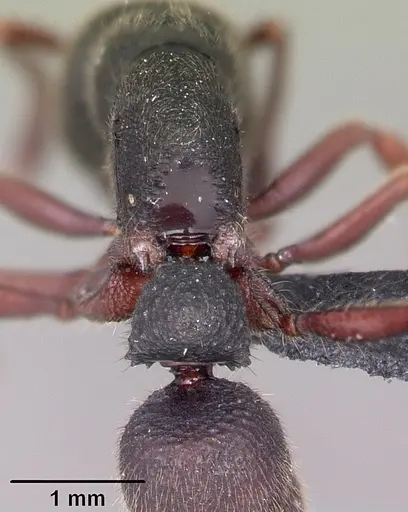
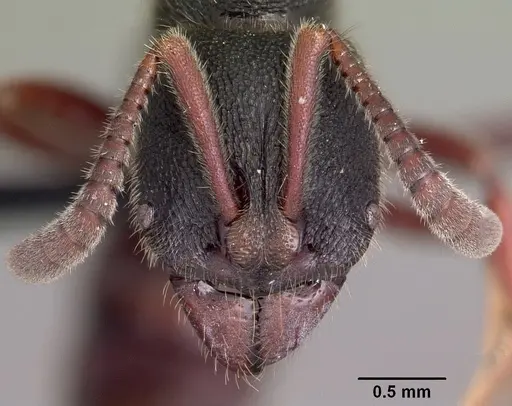
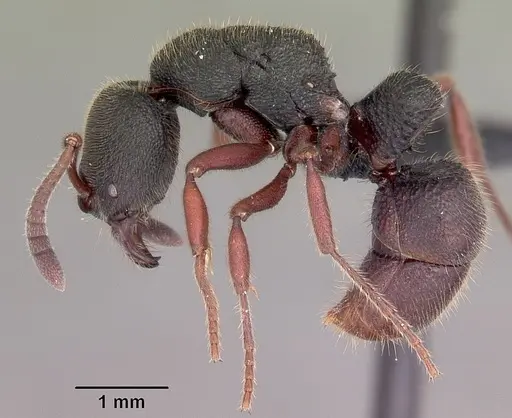
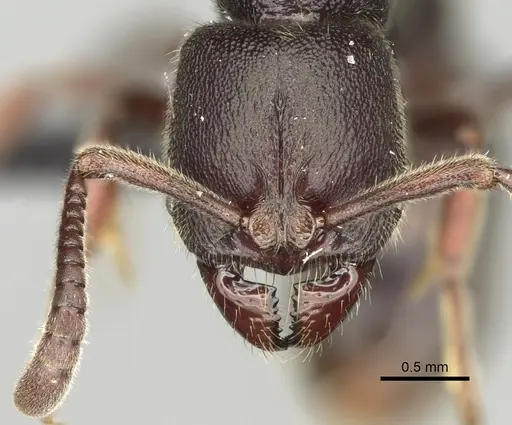
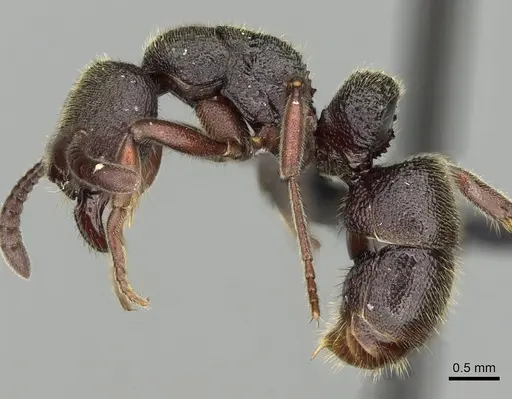
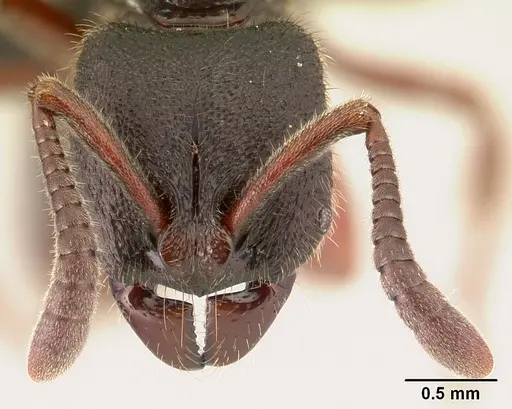
Euponera vohitravo can be identified by several distinctive features. The posterolateral margins of the propodeum and petiole node bear a series of sharp teeth or tubercles, and the dorsal face of the petiole node has blunt tubercles. The second gastral tergite is reticulate-punctate or densely and coarsely punctate with small punctures interspersed. Most notably, the first and second gastral tergites are covered with abundant pubescence (fine short hairs), which distinguishes it from similar species like Euponera antsiraka and Euponera tahary. Additionally, in E. vohitravo, the distance between punctures on the gastral segments is less than or about equal to the maximum diameter of the punctures, whereas in the similar species, the distance between punctures is about twice the diameter. [1][2]
Housing and Nest Setup
For keeping Euponera vohitravo in captivity, provide a setup that mimics their natural leaf litter and rotting wood habitat. A naturalistic terrarium-style setup with moist substrate works well, use a mixture of soil, leaf litter, and small pieces of decaying wood. Alternatively, a Y-tong or plaster nest with small, tight chambers can work if humidity is maintained properly. The key is providing consistently moist conditions without flooding. Include small hiding spots and debris since these ants are small and prefer cluttered, humid environments. Ensure excellent escape prevention despite their small size, use fine mesh and tight-fitting lids. A small water reservoir connected to the nest helps maintain humidity.
Feeding and Nutrition
As a Ponerine ant, Euponera vohitravo is likely primarily predatory, feeding on small invertebrates found in leaf litter. In captivity, offer small live prey such as fruit flies, pinhead crickets, small mealworms, and other appropriately-sized insects. The small size of workers (around 5-7mm) means prey items should be tiny, springtails and booklice are ideal. Sugar sources may be accepted occasionally, but protein-rich live prey should form the primary diet. Feed every 2-3 days, removing uneaten prey after 24 hours to prevent mold.
Temperature and Seasonal Care
Based on its montane rainforest origin in Madagascar, Euponera vohitravo requires warm and humid conditions. Maintain temperatures in the range of 24-28°C, with a slight gradient allowing workers to choose their preferred zone. A heating cable on one side of the nest can create this gradient, place it on top of the nest to warm the area gently without drying out the substrate. During cooler months, observe the colony for reduced activity, which may indicate a need for a slight temperature reduction or dormant period. However, avoid letting temperatures drop below 20°C for extended periods, as this species is adapted to consistently warm conditions.
Handling and Temperament
Euponera vohitravo is a Ponerine ant, and like most members of this subfamily, it possesses a sting. However, given the small size of workers, the sting may be too small to penetrate human skin effectively or produce significant pain. Nevertheless, treat all Ponerines as potentially capable of stinging. These ants are not aggressive toward humans when undisturbed, but they may become defensive if their nest is threatened. They are relatively slow-moving foragers rather than rapid runners. When working with the colony, use gentle movements and avoid blowing on or disturbing the nest directly.
Frequently Asked Questions
How long does it take for Euponera vohitravo to produce first workers?
The development timeline is unconfirmed for this species. Based on typical Ponerine development patterns, expect approximately 2-4 months from egg to first worker at optimal temperatures (24-28°C). The exact timing depends on temperature and feeding success.
What do Euponera vohitravo ants eat?
As a Ponerine species, they are primarily predatory on small leaf litter invertebrates. In captivity, feed small live prey such as fruit flies, tiny crickets, springtails, and small mealworms. Protein-rich prey should form the main diet. Sugar water may be occasionally accepted.
Do Euponera vohitravo ants sting?
As a Ponerine ant, they possess a sting. However, given their small size (around 5-7mm), the sting is likely too small to penetrate human skin effectively or cause significant pain. Treat them with respect and avoid disturbing the nest.
What temperature do Euponera vohitravo ants need?
Keep them at 24-28°C with a gentle gradient. A heating cable on one side of the nest can create this gradient. Avoid temperatures below 20°C for extended periods.
What humidity level do Euponera vohitravo ants need?
High humidity is essential, aim for 70-85% in the nest area. Keep the substrate consistently moist but not waterlogged. This species naturally lives in moist rainforest leaf litter and rotting wood.
Are Euponera vohitravo ants good for beginners?
This species is rated as Medium difficulty. While not the most challenging ant to keep, the lack of documented care information and specific humidity requirements make it better suited for keepers with some experience maintaining humid conditions for rainforest species.
How big do Euponera vohitravo colonies get?
Colony size is unknown. Based on collection data showing only small numbers of workers in leaf litter samples, colonies are likely small, probably dozens to low hundreds of workers at maturity.
Can I keep multiple Euponera vohitravo queens together?
The colony structure is unconfirmed. Combining unrelated queens is not recommended since this has not been documented and could result in aggression.
What type of nest is best for Euponera vohitravo?
A naturalistic setup with moist substrate, leaf litter, and small decaying wood pieces works best. Alternatively, a Y-tong or plaster nest with small chambers can work if humidity is carefully maintained. Provide tight chambers scaled to their small size.
Do Euponera vohitravo ants need hibernation?
Diapause requirements are unknown. Madagascar has mild seasonal variation, but montane populations may experience cooler periods. Observe colony behavior, if they become less active during cooler months, a slight temperature reduction may be appropriate.
Why are my Euponera vohitravo ants dying?
Common causes include: low humidity (they require consistently moist conditions), improper temperature (too cold), mold from overwatering with poor ventilation, or stress from too much disturbance. Ensure proper humidity, adequate but not excessive moisture, and minimal nest disturbance.
Where is Euponera vohitravo found in the wild?
This species is endemic to Madagascar, found only in isolated montane rainforest habitats in the northeastern and central-eastern regions, including RS Anjanaharibe-Sud, Makira Forest, Andranomay Forest, and Ambatovy-Analamay.
References

This caresheet is licensed under CC BY-SA 4.0 .
CASENT0034499
View on AntWeb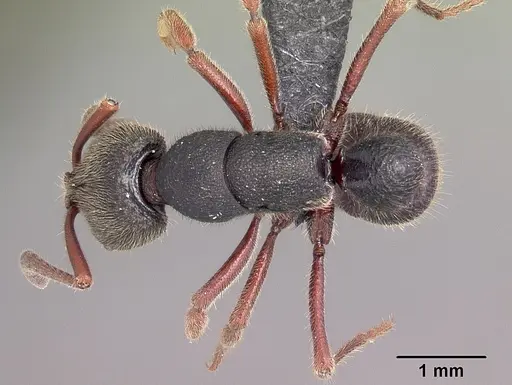
CASENT0050524
View on AntWeb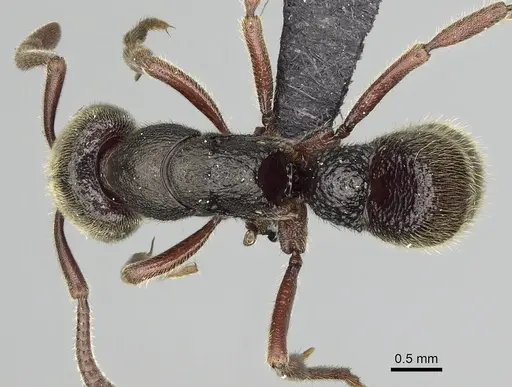
CASENT0141616
View on AntWeb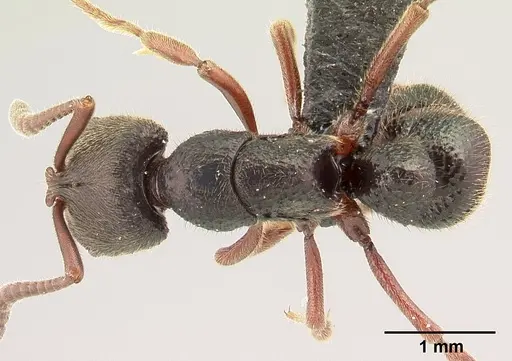
CASENT0740599
View on AntWeb
CASENT0740600
View on AntWeb
CASENT0740615
View on AntWeb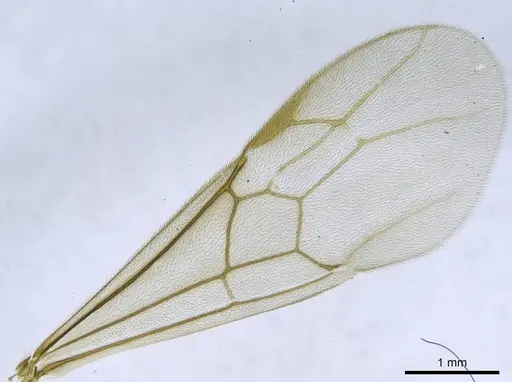
CASENT0740617
View on AntWeb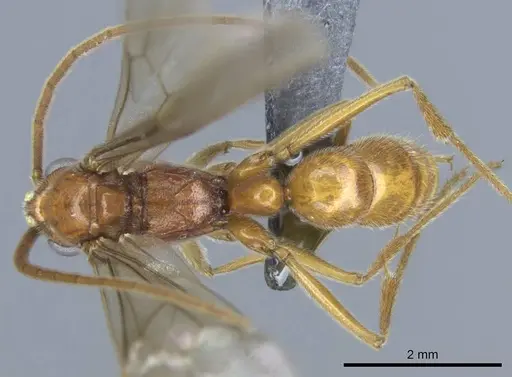
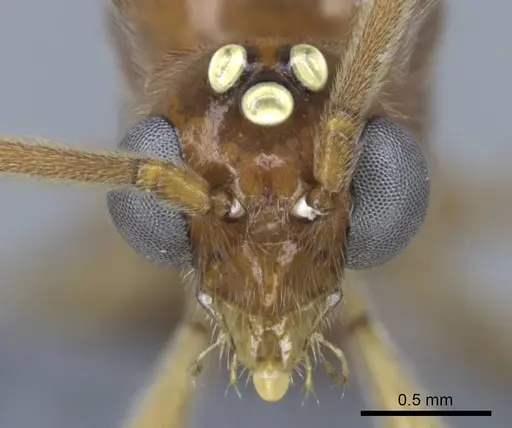
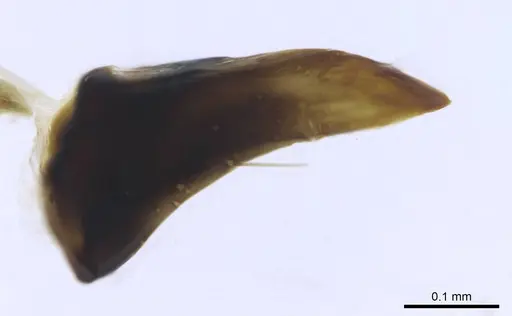
Literature
Loading...Loading products...