

Euponera antsiraka
- Scientific Name
- Euponera antsiraka
- Tribe
- Ponerini
- Subfamily
- Ponerinae
- Author
- Rakotonirina & Fisher, 2013
- Distribution
- Found in 1 countries
Euponera antsiraka Overview
Euponera antsiraka is an ant species of the genus Euponera. It is primarily documented in 1 countries , including Madagascar. Detailed taxonomic data and occurrence records can be further explored via authoritative databases such as AntWeb or the Global Biodiversity Information Facility (GBIF).
Euponera antsiraka
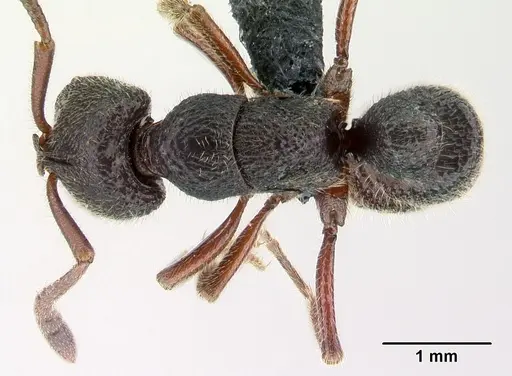
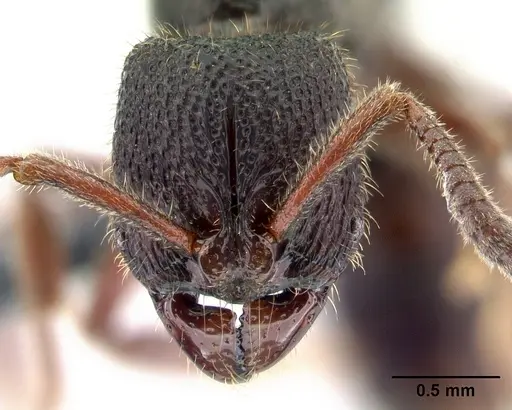
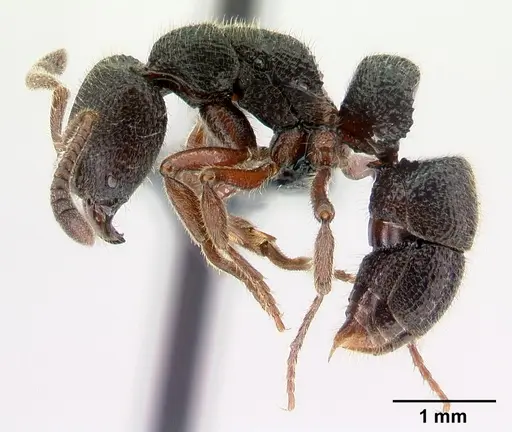
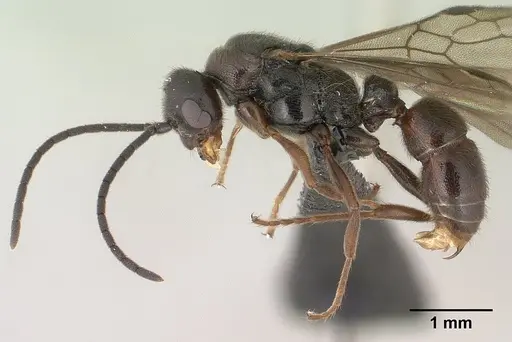
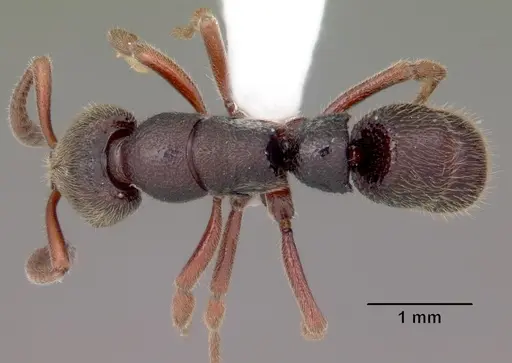
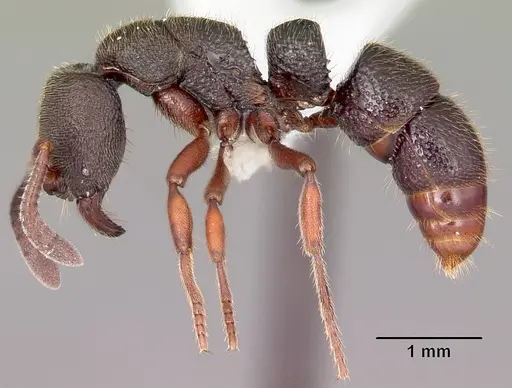
Euponera antsiraka is a small, ground-dwelling ant species endemic to Madagascar. Workers measure 1.03-1.25mm in head width and have a distinctive dark brown to reddish-brown coloration with lighter appendages. They are characterized by small eyes with 13 or fewer ommatidia, sharp teeth along the propodeum and petiolar node, and a densely textured head. This species inhabits the lowland and littoral forests of central east Madagascar, where they live primarily in leaf litter and soil. Due to their hypogaeic (ground-dwelling) habits, their biology remains poorly studied in the wild.
Quick Summary
- Difficulty: Medium
- Origin & Habitat: Lowland and littoral forests of central east Madagascar at elevations around 450m [1][2]. This is a tropical rainforest environment with high humidity year-round.
- Colony Type: Colony structure is unconfirmed. Only worker caste has been documented.
- Size & Growth:
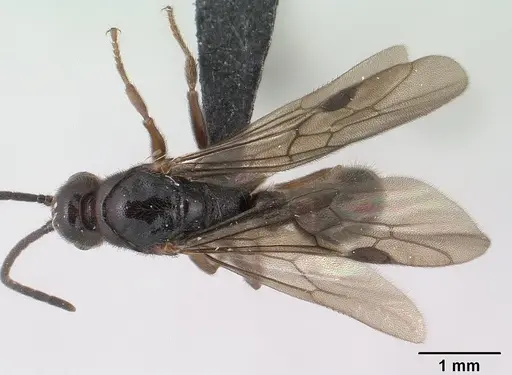
- Queen: Unknown, queen caste has not been described
- Worker: 1.03-1.25mm head width,1.16-1.30mm head length [2]
- Colony: Unknown, colony size has not been documented
- Growth: Unknown
- Development: Unconfirmed, no development data exists for this species. Based on typical Ponerinae patterns, estimate 6-10 weeks at tropical temperatures. (Estimate based on genus-level inference, no direct measurements available)
- Antkeeping:
- Temperature: Keep warm at 24-28°C. Madagascar lowland forests are tropical with year-round warmth. A gentle gradient allows workers to self-regulate.
- Humidity: High humidity is essential, aim for 70-85%. These ants come from humid rainforest leaf litter, so the nest substrate should remain consistently moist but not waterlogged.
- Diapause: No, this is a tropical Madagascar species without a true hibernation period. They may show reduced activity during cooler months.
- Nesting: Naturalistic setup with moist substrate works well. Given their hypogaeic nature, they prefer enclosed spaces. Test tubes with a dark cover or a Y-tong/plaster nest with high humidity suits them. Avoid dry, exposed setups.
- Behavior: This species is shy and not aggressive. Workers forage quietly through leaf litter and soil, hunting small prey. They have small eyes and are likely more active in dim light or darkness. Escape prevention is important, while not extremely small, they can slip through gaps. They are not known to sting significantly.
- Common Issues: high humidity maintenance is critical, drying out quickly kills colonies, poorly understood biology means keepers must experiment with care conditions, slow colony development is likely given limited data on this species, wild-caught colonies may be stressed from collection and transport, their secretive nature means you may not see them often, this is normal, not a sign of problems
Natural History and Distribution
Euponera antsiraka is known only from the lowland and littoral forests of central east Madagascar, particularly around the Toamasina region at approximately 450m elevation [1]. Workers are found almost exclusively in sifted leaf litter samples, indicating a hypogaeic lifestyle where they forage beneath the forest floor rather than openly on the surface [2]. This preference for hidden, dark microhabitats explains why their biology remains poorly understood, they are difficult to observe in the wild and rarely encountered by researchers. The species was originally described in 2013 as Euponera antsiraka before being moved to the genus Euponera [1].
Identification and Morphology
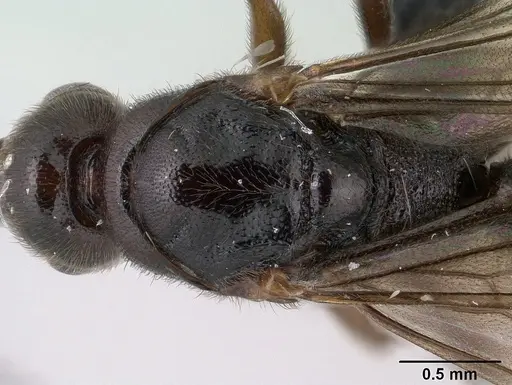
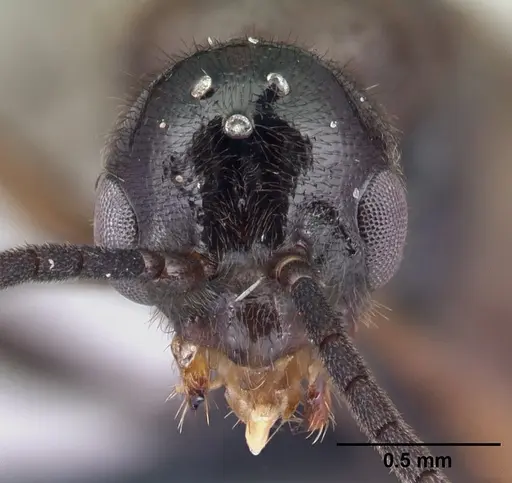
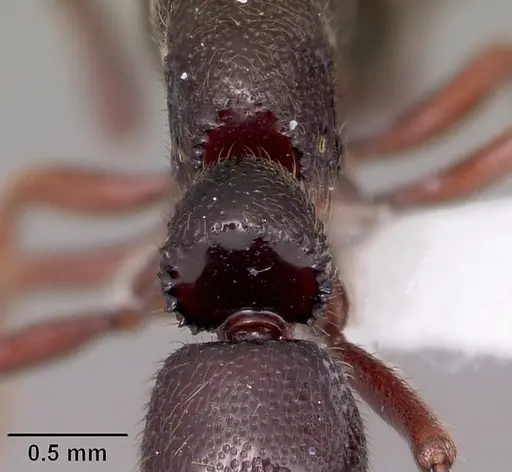
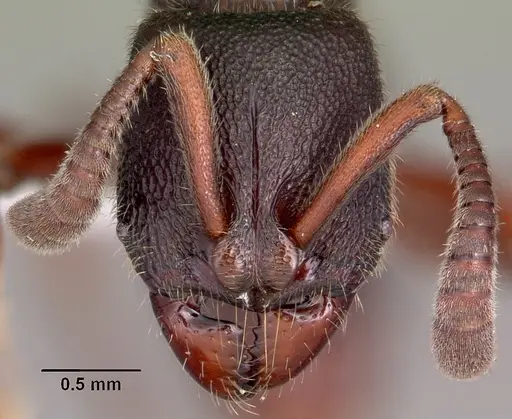
Workers of Euponera antsiraka are small but robust ants with distinctive morphological features. The head is rectangular with fine reticulate-rugulose to reticulate-punctate sculpture, and the small eyes contain 13 or fewer ommatidia [2]. The most characteristic features are the series of sharp teeth or tubercles along the posterolateral margins of both the propodeum and the petiolar node [1]. The body is dark brown to reddish brown with lighter-colored appendages. The antennal scape is short, not reaching the posterior margin of the head. These morphological traits help distinguish them from related species in the sikorae species-group.
Housing and Nesting
Given their hypogaeic nature, Euponera antsiraka prefers dark, enclosed nesting spaces with high humidity. A naturalistic setup with moist soil and leaf litter works well, or you can use a test tube setup with the outer portion covered to create darkness. Y-tong (AAC) nests or plaster nests with high humidity chambers are also suitable options. The key is maintaining consistent moisture without flooding, the substrate should feel damp to the touch. Avoid dry setups or nests with large open areas. Provide some darkness by covering the nest, as these ants likely prefer dim conditions.
Feeding and Diet
As a Ponerinae ant, Euponera antsiraka is likely predatory, feeding on small invertebrates found in leaf litter. Based on related Ponerinae species, they probably accept small live prey such as springtails, fruit flies, and other tiny arthropods. Offer protein sources regularly and sugar water or honey occasionally. Start with small live prey and observe acceptance. Remove uneaten prey after 24-48 hours to prevent mold issues. Given their small size and secretive nature, prey items should be appropriately sized, very small portions are best.
Temperature and Humidity Requirements
This is a tropical Madagascar species requiring warm, humid conditions. Maintain temperatures between 24-28°C, avoiding drops below 22°C. A heating cable on one side of the nest creates a temperature gradient allowing self-regulation. Humidity should remain high at 70-85%, mist the outworld occasionally and ensure the nest substrate stays moist. Use a water reservoir in test tube setups to maintain humidity over time. These ants come from humid rainforest environments and will not tolerate dry conditions. Good ventilation is still necessary to prevent mold, but avoid excessive airflow that dries the nest.
Behavior and Temperament
Euponera antsiraka workers are shy and not aggressive. They are quiet foragers that move slowly through leaf litter and soil, hunting small prey rather than scavenging openly. Their small eyes suggest they are adapted to low-light conditions and may be more active in darkness. They are not known to sting significantly, and their small size means any sting would be minimal. Expect to see them less frequently than more surface-active species, this is normal behavior for a hypogaeic species. They are not escape artists in the traditional sense, but can slip through small gaps, so ensure your setup is secure.
Frequently Asked Questions
How long does it take for Euponera antsiraka to produce first workers?
The egg-to-worker timeline is unconfirmed for this species. Based on typical Ponerinae development at tropical temperatures, estimate 6-10 weeks, but this is an educated guess rather than documented data.
What do Euponera antsiraka ants eat?
They are likely predatory like other Ponerinae ants. Offer small live prey such as springtails, fruit flies, and tiny arthropods. Sugar water or honey may be accepted occasionally. Start with small live prey and adjust based on what they accept.
Do Euponera antsiraka ants need hibernation?
No, this is a tropical Madagascar species without a true hibernation period. They may show slightly reduced activity during cooler months but do not require a diapause cycle.
Are Euponera antsiraka good for beginners?
This species is rated Medium difficulty. While not extremely demanding, their biology is poorly understood and they require specific humid, warm conditions. Beginners may struggle with the high humidity requirements and limited available care information.
What size colony does Euponera antsiraka reach?
Colony size is unknown, this species has not been well studied in the wild or captivity. Based on related Ponerinae species, colonies likely reach several hundred workers at most.
Can I keep multiple Euponera antsiraka queens together?
Unknown, the colony structure of this species has not been documented. Only workers have been observed. Do not attempt combining unrelated queens without documented evidence they can coexist.
What temperature do Euponera antsiraka need?
Keep them warm at 24-28°C. This matches their native Madagascar lowland forest habitat. A gentle gradient allowing self-regulation is ideal.
Why can't I see my Euponera antsiraka ants often?
This is normal, they are hypogaeic (ground-dwelling) ants that prefer dark, hidden spaces. They will venture out to forage but spend most of their time in the nest chamber or beneath substrate. This secretive behavior is typical for the species, not a sign of problems.
What humidity level do Euponera antsiraka need?
High humidity at 70-85% is essential. Their native leaf litter habitat is consistently moist. The nest substrate should feel damp but not be waterlogged.
References

This caresheet is licensed under CC BY-SA 4.0 .
Literature
Loading...Loading products...