

Euponera nosy
- Scientific Name
- Euponera nosy
- Tribe
- Ponerini
- Subfamily
- Ponerinae
- Author
- Rakotonirina & Fisher, 2013
- Distribution
- Found in 1 countries
Euponera nosy Overview
Euponera nosy is an ant species of the genus Euponera. It is primarily documented in 1 countries , including Madagascar. Detailed taxonomic data and occurrence records can be further explored via authoritative databases such as AntWeb or the Global Biodiversity Information Facility (GBIF).
Euponera nosy
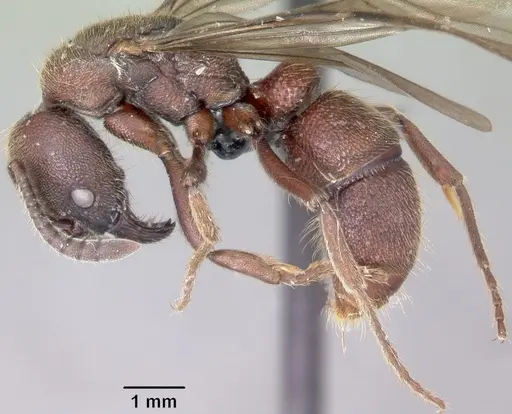
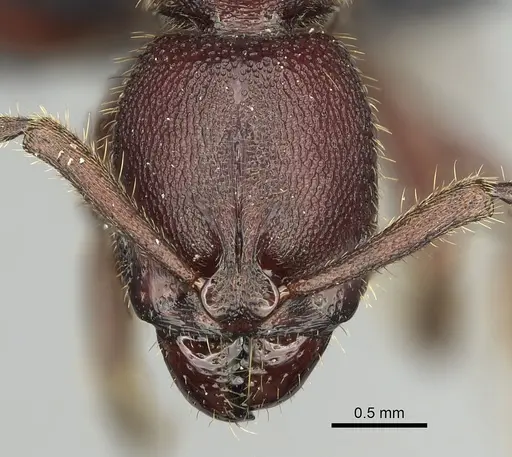
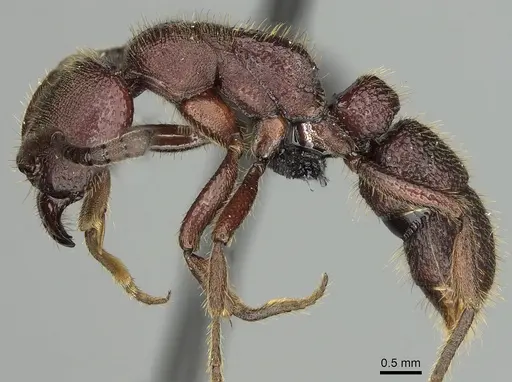
Euponera nosy is a medium-sized Ponerine ant native to northeastern Madagascar. Workers measure around 1.44mm in head width with a body length of approximately 2.34mm, making them moderately sized among Ponerinae. The species has a distinctive dark red body with a brown tip on the gaster, and sports long erect hairs on their antennae and leg surfaces, a notable identifying feature. Queens are larger at 1.65-1.68mm head width and were found as winged alates in montane rainforest habitats. This species belongs to the Euponera sikorae species-group and is known from just three locations in Madagascar: Makirovana Forest, Montagne d'Ambre National Park, and Andasibe National Park. The few colonies documented have been found nesting in rotten logs, indicating they prefer moist, forested microhabitats.
Quick Summary
- Difficulty: Expert
- Origin & Habitat: Northeastern Madagascar, specifically Makirovana Forest, PN Montagne d'Ambre, and PN Andasibe, all montane rainforest locations with high humidity [1][2].
- Colony Type: Colony structure is unconfirmed, only a single wild colony has been documented, found nesting in a rotten log [1][2].
- Size & Growth:
- Queen: 1.65-1.68mm head width [2]
- Worker: 1.44mm head width [2]
- Colony: Unknown, only one wild colony documented [1]
- Growth: Unknown, no captive breeding data available
- Development: Unconfirmed, no development studies exist for this species (Development timeline is unconfirmed. Based on typical Ponerine patterns, expect 6-10 weeks at optimal temperature, but this is an estimate.)
- Antkeeping:
- Temperature: Keep at 22-26°C, this is a montane rainforest species from Madagascar, so moderate temperatures with high humidity are essential. Avoid overheating.
- Humidity: High humidity required, they nest in rotten logs in humid forests. Keep nest substrate consistently moist but not waterlogged. Provide a water reservoir.
- Diapause: No, this is a tropical species from Madagascar and does not require hibernation. Maintain stable warm conditions year-round.
- Nesting: Rotten log nesting in nature translates well to naturalistic setups with moist wood/soil combinations, or Y-tong/plaster nests with high humidity. They need tight, humid chambers.
- Behavior: Ponerine ants are typically predatory and somewhat defensive. Workers are moderately large and likely capable of stinging if threatened. They are not escape artists due to their size, but standard escape prevention still applies. Foraging style is likely predatory on small invertebrates. No specific behavioral studies exist for this species.
- Common Issues: Very limited availability, this species is rarely available in the antkeeping hobby, No captive breeding data means care is largely experimental, High humidity requirements can lead to mold issues if ventilation is poor, Tropical species cannot tolerate cool temperatures, keep above 20°C, Wild-caught colonies may have parasites that are poorly understood in captivity
Natural History and Distribution
Euponera nosy is endemic to northeastern Madagascar, known from just three locations across approximately 400km: Makirovana Forest (the type locality at 415m elevation), Montagne d'Ambre National Park in the far north, and Andasibe National Park in central-eastern Madagascar. All collection sites are montane rainforests with high humidity. The species was originally described as Euponera nosy in 2013 by Rakotonirina and Fisher before being transferred to Euponera in 2014. Only one colony has ever been documented in the wild, found nesting in a rotten log in Makirovana Forest. Winged queens (alates) have been captured in malaise traps, indicating nuptial flights occur but the exact timing is unknown. [1][2]
Identification and Morphology
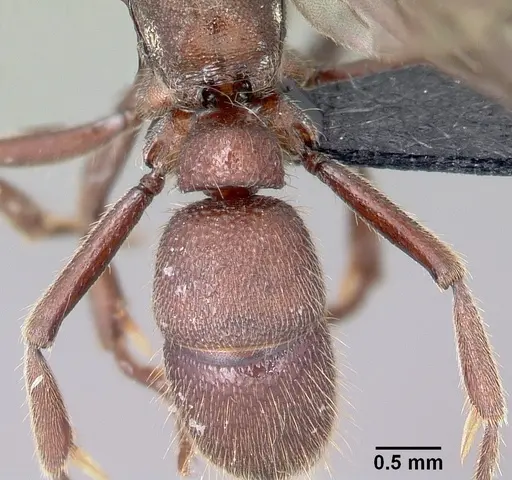
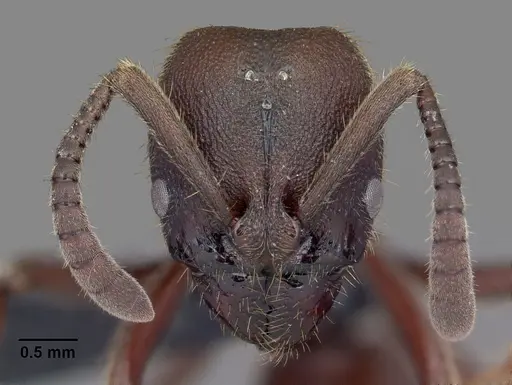
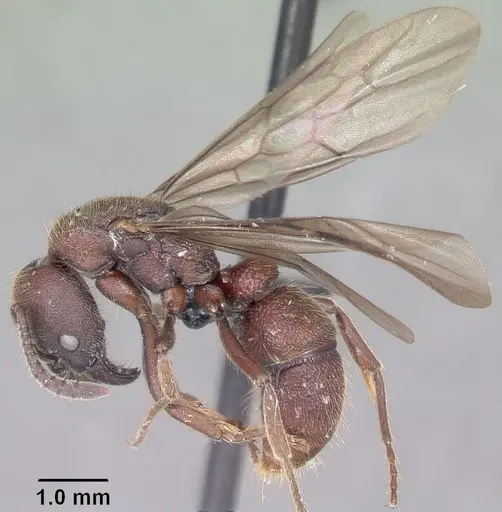
Workers of Euponera nosy can be identified by several distinctive features: the anterior margin of the clypeus is wide and straight with a weak median notch, eyes are medium-sized with about 14 ommatidia, and the metanotal groove appears as an incomplete dotted line. Most notably, the antennal scape and outer surface of each tibia are covered with long erect hairs, a trait shared with others in the sikorae species-group. The body is dark red with a brown tip on the gaster and brownish appendages. Queens are larger (1.65-1.68mm head width) with the typical alate queen features: three ocelli, developed thoracic sclerites, and a broader head. The petiolar node in queens is wider and more flattened anteroposteriorly than in workers. [1][2]
Housing and Nest Preferences
In the wild, Euponera nosy nests in rotten logs, a typical microhabitat for many Ponerine species. For captive care, this translates to needing a naturalistic setup with moist, decaying wood material or a well-humidified formicarium. Y-tong (AAC) nests or plaster nests work well, provided humidity is maintained high. The nest should have chambers scaled to their moderate size, not too large, not too small. A water reservoir is essential to maintain humidity. Because they come from forested habitats, they benefit from some cover and darkness in the nest area. Outworld setup should allow for hunting/foraging opportunities. [1][2]
Feeding and Diet
As a Ponerine ant, Euponera nosy is likely primarily predatory, feeding on small invertebrates like springtails, tiny beetles, and other micro-arthropods. This aligns with typical Ponerinae diet preferences. While not directly studied for this species, related Ponerines accept live prey readily. Sugar sources may be accepted but should not be relied upon as a primary food. Offer a variety of small live prey items and occasional sugar water or honey, but monitor acceptance. Feed every 2-3 days with prey items appropriate to colony size. [1][2]
Temperature and Humidity Requirements
Being a montane rainforest species from Madagascar, Euponera nosy requires moderate temperatures (22-26°C) and high humidity. Avoid temperatures above 30°C or below 18°C. The humidity requirement is critical, they naturally live in rotting wood in humid forests, so the nest substrate should remain consistently moist. Use a water reservoir in test tube setups or mist regularly in formicariums. However, balance humidity with adequate ventilation to prevent mold. A heating cable on one side of the nest can create a gentle gradient if room temperature is below their preferred range. [1][2]
Colony Development and Growth
No captive breeding data exists for Euponera nosy, making colony development an unknown area for keepers. Based on typical Ponerine development patterns, expect 6-10 weeks from egg to first worker at optimal temperature, but this is purely an estimate. The single documented wild colony provides no colony size data. Growth rate is likely moderate, typical of Ponerinae. Beginners should be prepared for potentially slow growth and understand that this species may have specific requirements not yet understood by the hobby. Patience is essential with rare, poorly-studied species like this. [1][2]
Frequently Asked Questions
Is Euponera nosy good for beginners?
No. This is an expert-level species due to very limited availability, lack of captive breeding data, and specific humidity requirements. Only experienced antkeepers should attempt this species.
How long does it take for Euponera nosy to produce first workers?
The egg-to-worker timeline is unconfirmed for this species. Based on typical Ponerine development, expect approximately 6-10 weeks at optimal temperature, but this is an estimate.
What do Euponera nosy ants eat?
They are likely predatory like other Ponerines. Feed small live prey such as springtails, tiny beetles, and other micro-arthropods. Sugar sources may be accepted but are not a primary food.
Do Euponera nosy ants sting?
As a Ponerine ant, they likely have a functional stinger and can sting if threatened. Ponerine stings are typically painful to humans.
What temperature should I keep Euponera nosy at?
Keep them at 22-26°C. This is a montane rainforest species from Madagascar that requires moderate temperatures and high humidity. Avoid temperatures above 30°C or below 18°C.
Do Euponera nosy need hibernation?
No. This is a tropical species from Madagascar and does not require hibernation or diapause. Maintain stable warm conditions year-round.
What type of nest is best for Euponera nosy?
Naturalistic setups with moist rotting wood work best, or Y-tong/plaster nests with high humidity. They need tight, humid chambers that mimic their natural rotten log habitat.
How big do Euponera nosy colonies get?
Colony size is unknown, only one wild colony has ever been documented. Related Ponerines typically reach several hundred workers, but this is an estimate.
Can I keep multiple Euponera nosy queens together?
Not enough is known about their colony structure. Only one wild colony has been documented, and its queen number is unknown. Combining unrelated queens is not recommended.
Where is Euponera nosy found in the wild?
Northeastern Madagascar, specifically Makirovana Forest, Montagne d'Ambre National Park, and Andasibe National Park. All locations are montane rainforests.
References

This caresheet is licensed under CC BY-SA 4.0 .
CASENT0082630
View on AntWeb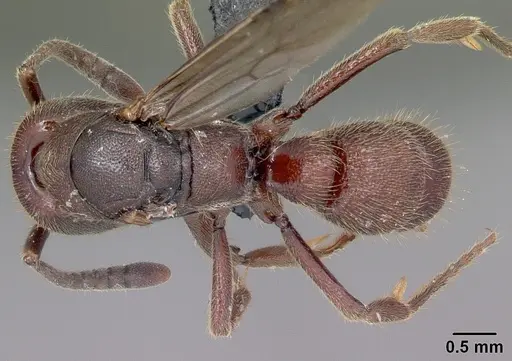
CASENT0231239
View on AntWeb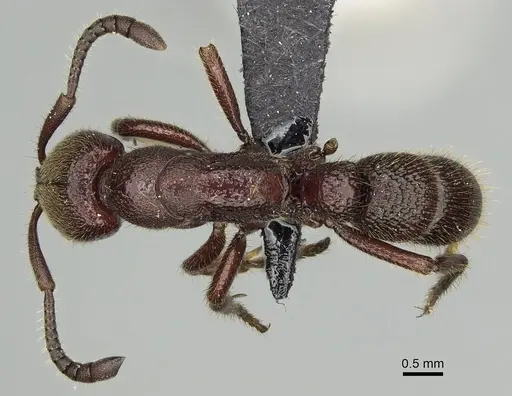
Literature
Loading...Loading products...