

Euponera sikorae
- Scientific Name
- Euponera sikorae
- Tribe
- Ponerini
- Subfamily
- Ponerinae
- Author
- Forel, 1891
- Distribution
- Found in 1 countries
Euponera sikorae Overview
Euponera sikorae is an ant species of the genus Euponera. It is primarily documented in 1 countries , including Madagascar. Detailed taxonomic data and occurrence records can be further explored via authoritative databases such as AntWeb or the Global Biodiversity Information Facility (GBIF).
Euponera sikorae
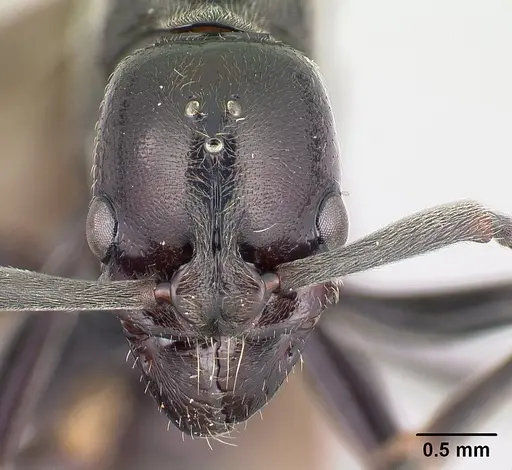
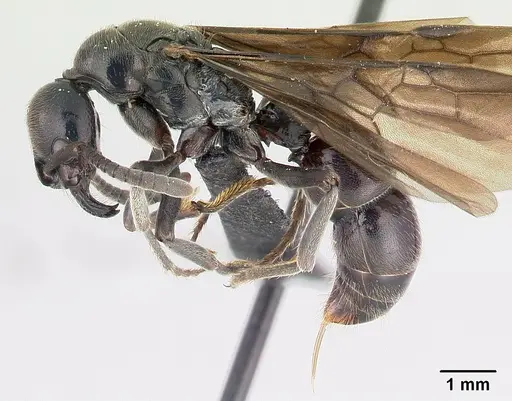
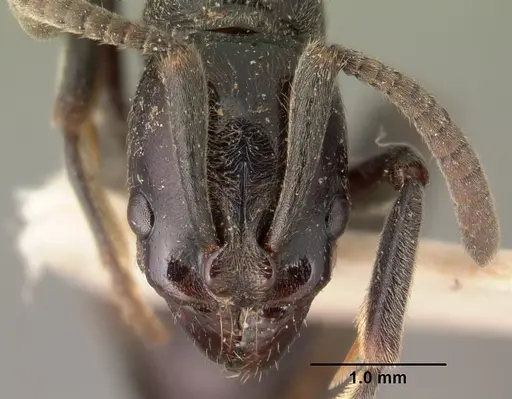
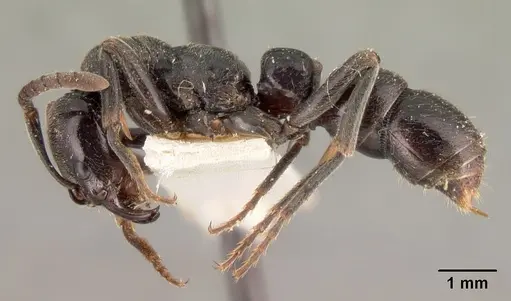
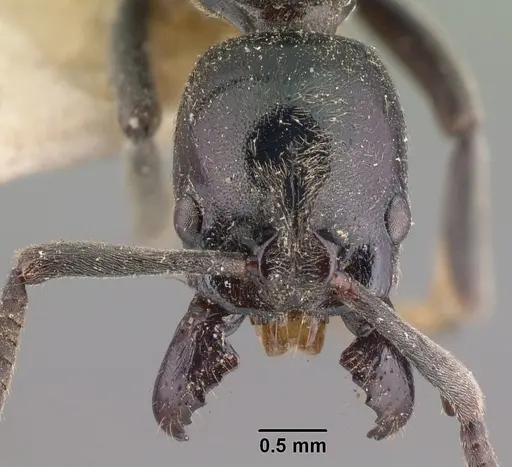
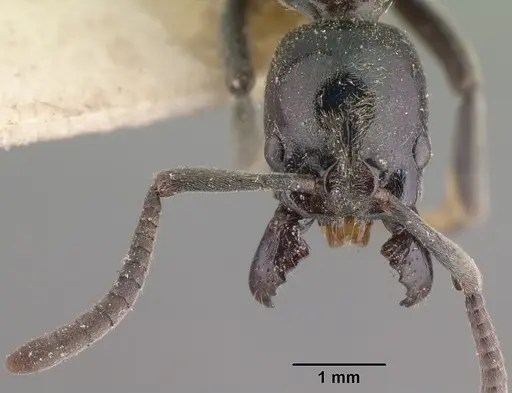
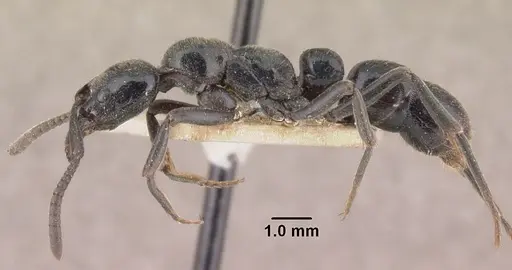
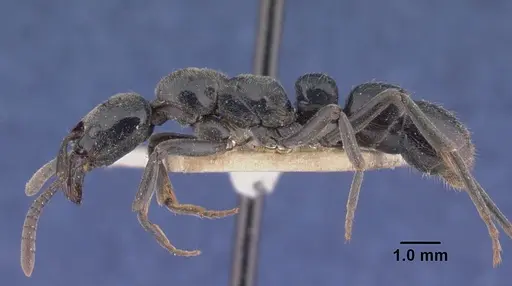
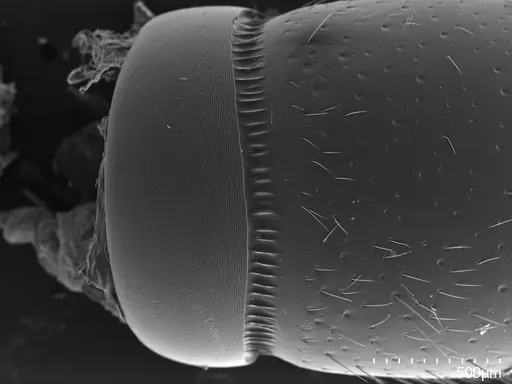
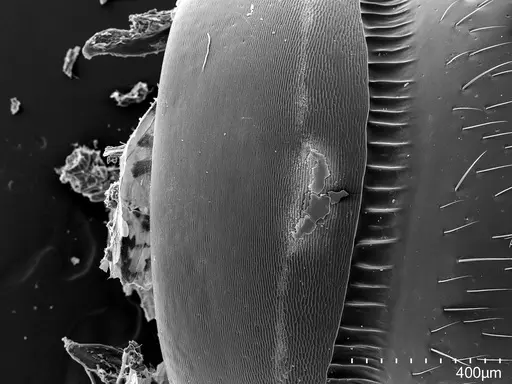
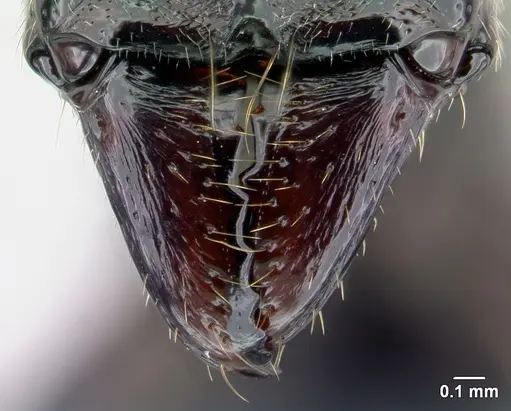
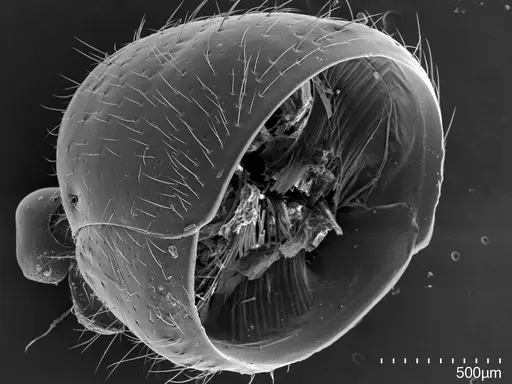
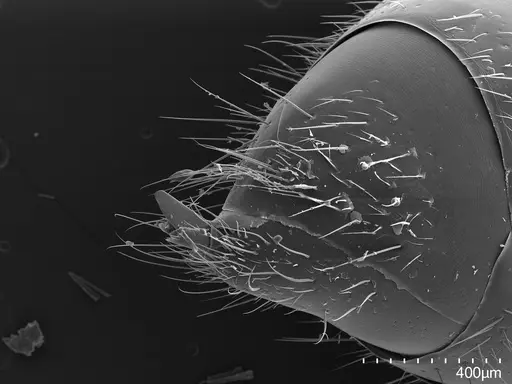
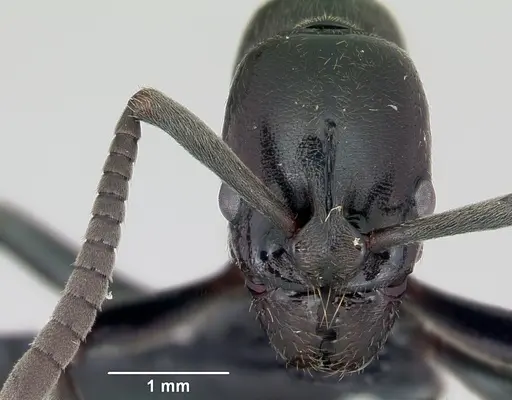
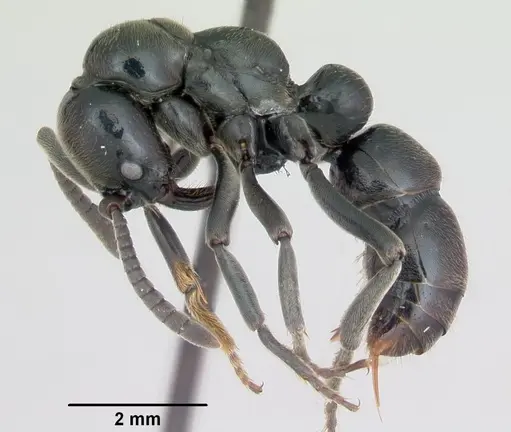
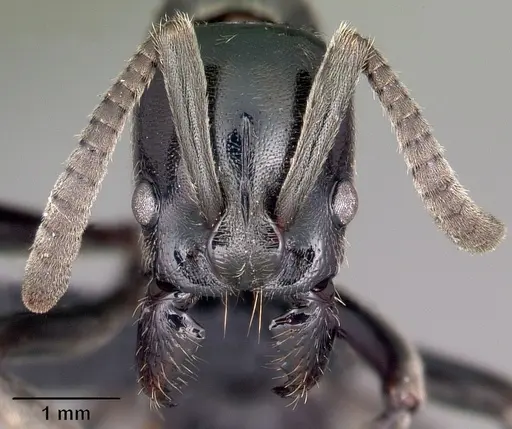
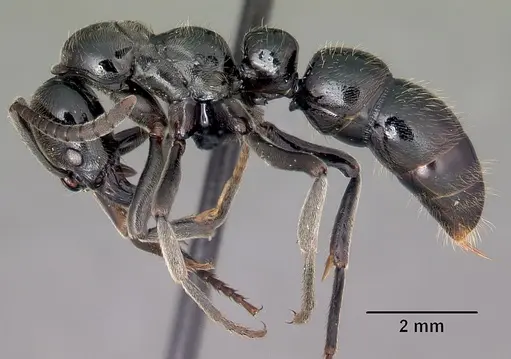
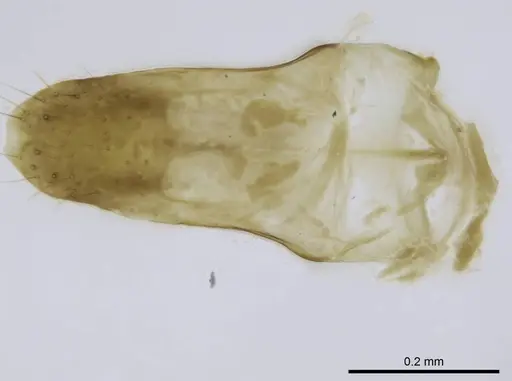
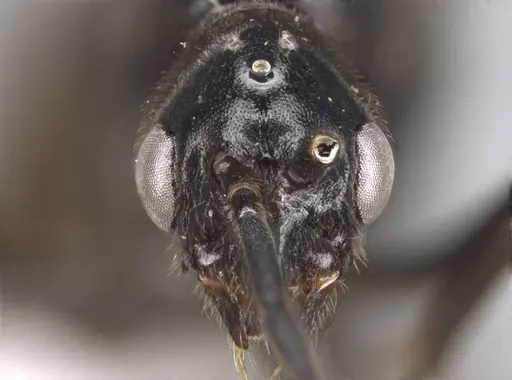
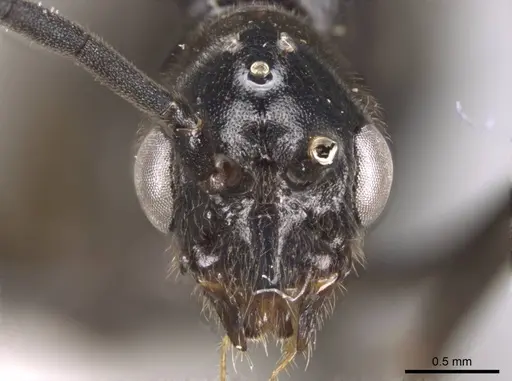
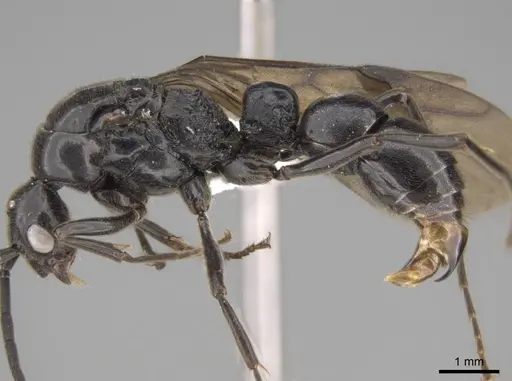
Euponera sikorae is a large, glossy black ant endemic to Madagascar. Workers measure 1.63-1.98mm in head width and have a smooth, shiny black body with a subtle bluish reflection and golden pubescence [1]. They are among the larger Ponerinae species and are easily recognized by their glossy appearance. These ants nest in rotten logs and dead branches on the forest floor, with workers foraging primarily on the ground and in leaf litter [1].
What makes Euponera sikorae fascinating is their unique reproductive system. Queens and workers are nearly identical in size, and if the founding queen dies, specialized workers called gamergates (mated egg-laying workers) take over reproduction [2]. This means your colony has a built-in backup system if something happens to the queen. They are also specialized predators, one colony had remains of 27 staphylinid beetle adults, showing they hunt these beetles specifically [2].
Quick Summary
- Difficulty: Medium
- Origin & Habitat: Madagascar, endemic to humid forest habitats in eastern Madagascar, from lowland areas to high mountains. Found in protected areas from RS Manongarivo in the north to PN Andohahela in the south [1][2].
- Colony Type: Monogynous (single-queen) colonies with gamergate replacement reproductives. Either a dealate queen OR a gamergate serves as the sole reproductive, they never occur together [2]. Colonies contain 1-3 inseminated workers, but only one becomes the active gamergate if needed.
- Colony: Monogyne
- Founding: Semi-claustral
- Special: Gamergates
- Size & Growth:
- Queen: Almost identical to workers, only distinguishable by thorax segmentation differences [2]. Head width approximately 1.63-1.98mm [1].
- Worker: 1.63-1.98mm head width,2.85-3.29mm Weber's length [1].
- Colony: Up to approximately 30 workers (19.9 ± 8.7 workers average in wild colonies) [2].
- Growth: Moderate
- Development: Estimated 8-12 weeks based on typical Ponerinae development patterns. (Wild colonies contained up to 27 cocoons, suggesting batch development [2]. No specific temperature-controlled studies available.)
- Antkeeping:
- Temperature: Keep at 22-26°C. This species inhabits humid forests across a wide elevation range in Madagascar, so moderate temperatures with some flexibility work well. A slight gradient allows workers to self-regulate.
- Humidity: High humidity required, these are forest floor ants from humid Madagascar habitats. Keep nest substrate consistently moist but not waterlogged. Provide a water tube for drinking.
- Diapause: Unknown, not documented in available research. As a tropical species from Madagascar, hibernation is likely not required, but seasonal temperature fluctuations may be beneficial.
- Nesting: In nature, they nest in rotten logs and dead branches on the forest floor [1]. In captivity, a naturalistic setup with rotten wood pieces or a Y-tong/plaster nest with wood material works well. They prefer dark, humid conditions with minimal disturbance.
- Behavior: These are relatively docile Ponerinae ants with moderate activity. Workers forage on the ground and in leaf litter, hunting small invertebrates. They are specialized predators on beetles but will accept various small live prey. Escape risk is moderate, they are not tiny but can squeeze through small gaps. Use standard barrier methods. Queens and workers are similar in size, and the colony can continue if a gamergate takes over after queen loss [2].
- Common Issues: specialized diet, they may refuse standard ant foods and require live prey, especially small beetles, small colony size in wild means colonies develop slowly and need patience, high humidity requirements mean mold can be an issue if ventilation is poor, queen loss doesn't mean colony death thanks to gamergates, but the transition period may cause temporary decline, wild-caught colonies may have parasites that kill them in captivity
Housing and Nest Setup
Euponera sikorae nests in rotten wood on the forest floor, so your setup should mimic these conditions. A naturalistic terrarium with moist substrate and pieces of rotting wood works well, they will nest inside the wood just like in the wild. Alternatively, a Y-tong or plaster nest with a section of added rotten wood provides the darkness and humidity they prefer. The key is maintaining consistently damp (but not soggy) conditions with minimal light exposure inside the nest chamber. These ants are not climbers, so a simple horizontal setup works fine. Keep the outworld simple with a shallow water dish and offer prey in a small feeding area. [1][2]
Feeding and Diet
This species is a specialized predator. In the wild, they actively hunt staphylinid beetles (rove beetles), with one nest containing remains of 29 beetle heads [2]. In captivity, offer small live prey regularly, fruit flies, small crickets, mealworms, and especially small beetles if available. They are likely better hunters than many captive ant species, so live prey is important for their hunting instincts. You can also offer small pieces of insects, but acceptance may vary. Sugar water is unlikely to be accepted, these are strict predators. Feed every 2-3 days with prey items, adjusting based on colony size and consumption.
Temperature and Humidity
As a Madagascar forest species, Euponera sikorae needs warm, humid conditions. Aim for 22-26°C with humidity around 70-80%. A small heat cable on one side of the nest creates a gentle gradient without drying things out. Mist the outworld occasionally but focus on maintaining moisture in the nest substrate itself. These ants are from humid forests, so dry conditions will stress them. A water tube attached to the nest helps maintain humidity through evaporation. Avoid placing the nest near air conditioning or heating vents that cause rapid drying. [1][2]
The Gamergate System
One of the most interesting aspects of Euponera sikorae is their backup reproductive system. In the wild, colonies contain 1-3 inseminated workers (workers with stored sperm) [2]. If the founding queen dies or becomes infertile, one of these workers transforms into a gamergate and begins laying eggs. The colony is always either queen-right OR gamergate-led, they never have both simultaneously [2]. This means if your queen dies, don't give up on the colony immediately. The workers may sort out their social structure and a gamergate could take over. Watch for a few weeks before deciding the colony is doomed. This also means introducing a new queen to an established colony won't work, the existing gamergate or workers will likely reject her.
Colony Development
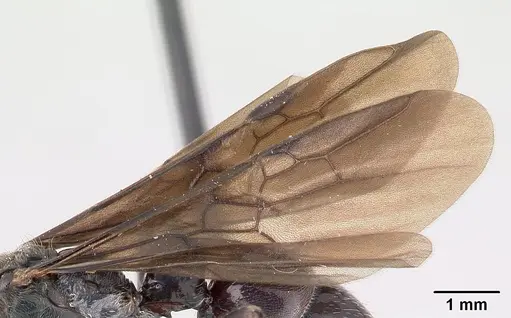
Wild colonies average about 20 workers with up to 27 cocoons observed in a single nest [2]. This is a relatively small colony size compared to many common ant species, so don't expect rapid population explosions. Growth is moderate, expect 6-12 months from founding to a modest colony of 15-30 workers. The queen is nearly worker-sized and both castes have the same number of ovarioles (6), indicating similar reproductive potential [2]. Winged reproductives (both gynes and males) appear in colonies around February-March in Madagascar, though captive timing may vary.
Behavior and Temperament
These are ground-dwelling Ponerinae that spend most of their time foraging in leaf litter and on the soil surface. Workers are moderately aggressive when defending the nest but won't actively hunt you like some larger species. They have functional stings but are not considered dangerous to humans. The sting is primarily for prey subduction rather than defense. Workers are active hunters, you may observe them actively searching for prey rather than waiting for food to be discovered. They are not escape artists like tiny ants, but standard barrier methods (Fluon, petroleum jelly on rim edges) still help prevent escapes. [1][2]
Frequently Asked Questions
How long does it take for Euponera sikorae to produce first workers?
Development time is estimated at 8-12 weeks from egg to worker based on typical Ponerinae patterns. Exact timing depends on temperature and feeding. Be patient, this species grows moderately compared to faster species like some Formicinae.
What do Euponera sikorae ants eat?
They are specialized predators. Offer small live prey like fruit flies, small crickets, mealworms, and especially small beetles. They likely won't accept sugar water or honey. Live prey is important to satisfy their hunting instincts.
Can I keep multiple queens together?
No. This species is monogynous, colonies have either ONE queen OR one gamergate, never both. Introducing unrelated queens will likely result in fighting. If you want to start a colony, you need a single mated queen.
What happens if my queen dies?
Don't give up immediately! This species has gamergates, workers that can become reproductive if the queen dies. Look for one of the workers to start laying eggs. The colony may continue through this backup system, though there may be a brief transition period.
Are Euponera sikorae good for beginners?
They are rated Medium difficulty. The main challenges are their specialized diet (requiring live prey), high humidity needs, and slower colony growth. If you have experience with other Ponerinae or predatory ants, this species is manageable.
What temperature and humidity do they need?
Keep temperatures at 22-26°C with humidity around 70-80%. They need consistently moist substrate and a humid environment. A water tube connected to the nest helps maintain humidity.
How big do Euponera sikorae colonies get?
Wild colonies reach around 20 workers on average, with up to approximately 30 workers in established colonies. They are not large colony producers like some Formicinae species.
When do Euponera sikorae alates (reproductives) appear?
Winged reproductives (both queens and males) have been found in colonies collected in February-March in Madagascar. In captivity, expect sexuals to develop in mature colonies during warmer months.
Do they need hibernation or diapause?
Unknown, not documented in available research. As a tropical Madagascar species, formal hibernation is likely not required. However, slight seasonal temperature variations may be beneficial. Monitor colony activity to determine what works best.
What type of nest is best?
They naturally nest in rotten wood, so a naturalistic setup with moist substrate and rotting wood pieces works well. Alternatively, a Y-tong or plaster nest with added wood material provides the dark, humid conditions they prefer.
Why are my Euponera sikorae dying?
Common causes include: too dry conditions (they need high humidity), wrong diet (they need live prey, not just commercial ant food), mold from poor ventilation, or stress from too much light in the nest area. Check humidity levels first and ensure you're offering appropriate live prey.
References

This caresheet is licensed under CC BY-SA 4.0 .
CASENT0063893
View on AntWeb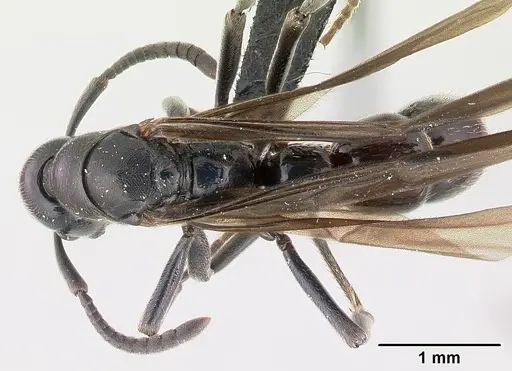
CASENT0065480
View on AntWeb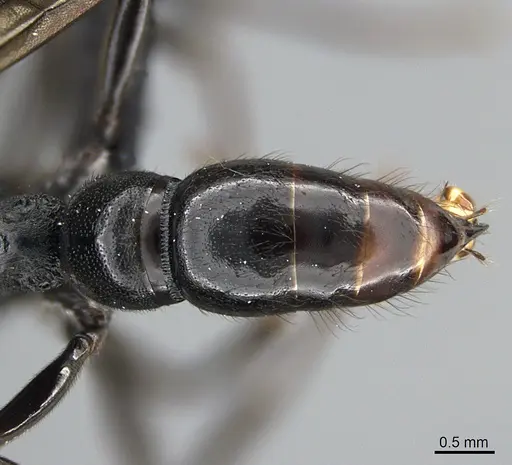
CASENT0101403
View on AntWeb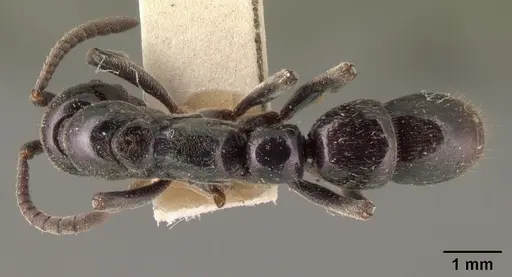
CASENT0101862
View on AntWeb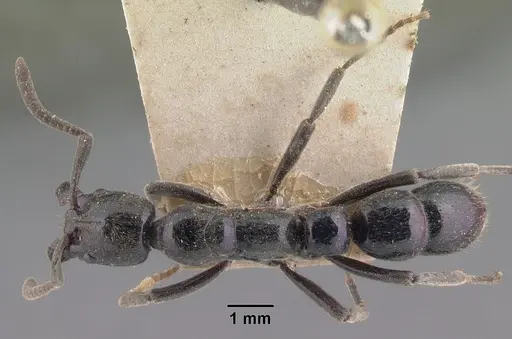
CASENT0134248
View on AntWeb
CASENT0134370
View on AntWeb
CASENT0267648
View on AntWeb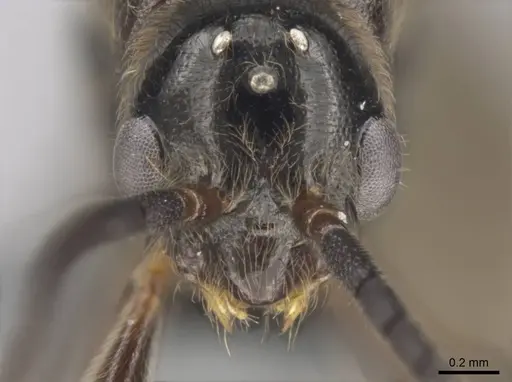
CASENT0274027
View on AntWeb
CASENT0300904
View on AntWeb
CASENT0456069
View on AntWeb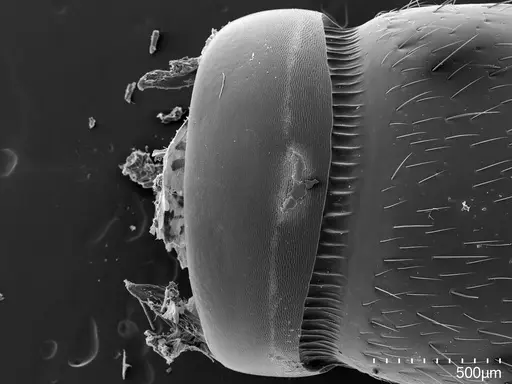
CASENT0487847
View on AntWeb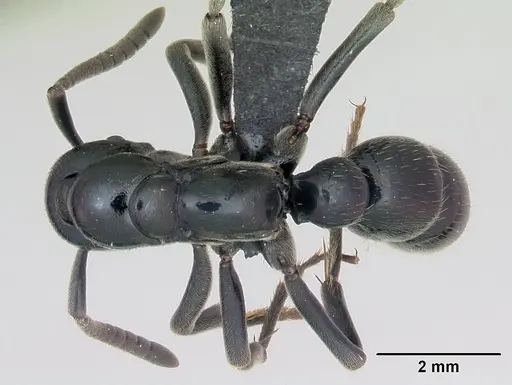
CASENT0497109
View on AntWeb
CASENT0497198
View on AntWeb
CASENT0497202
View on AntWeb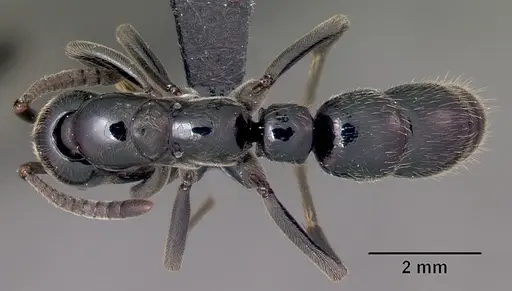
CASENT0746990
View on AntWeb
CASENT0746992
View on AntWeb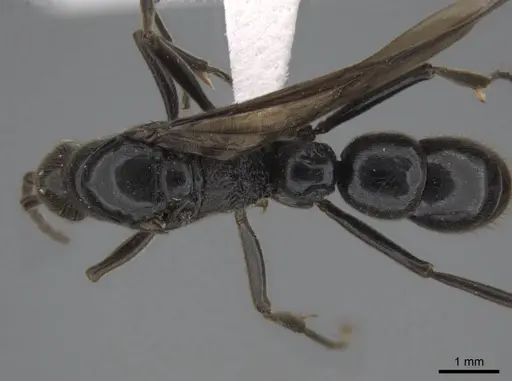
CASENT0810243
View on AntWeb
Literature
Loading...Loading products...