

Epopostruma monstrosa
- Scientific Name
- Epopostruma monstrosa
- Tribe
- Attini
- Subfamily
- Myrmicinae
- Author
- Viehmeyer, 1925
- Distribution
- Found in 1 countries
Epopostruma monstrosa Overview
Epopostruma monstrosa is an ant species of the genus Epopostruma. It is primarily documented in 1 countries , including Australia. Detailed taxonomic data and occurrence records can be further explored via authoritative databases such as AntWeb or the Global Biodiversity Information Facility (GBIF).
Epopostruma monstrosa
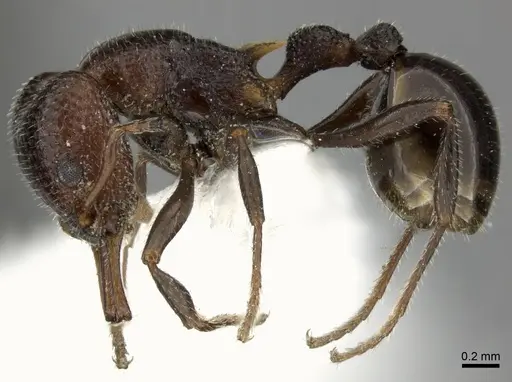
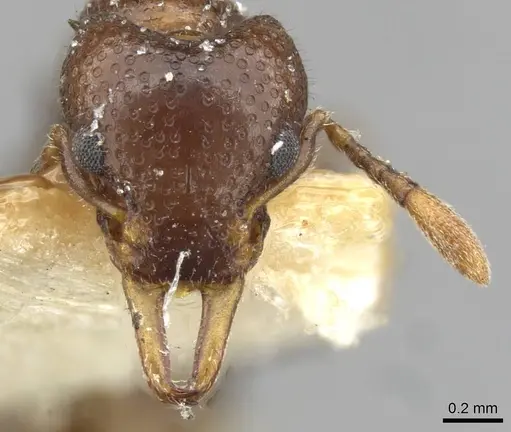
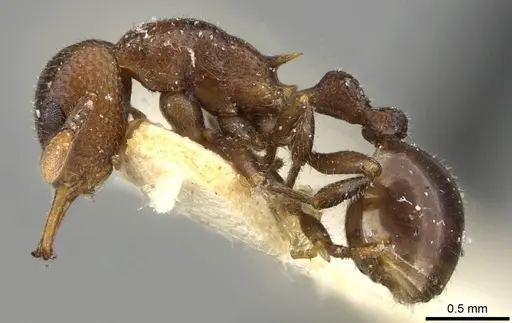
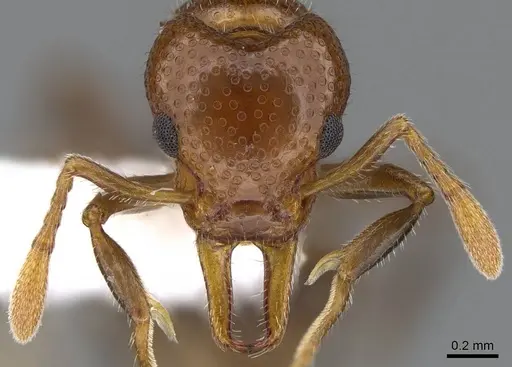
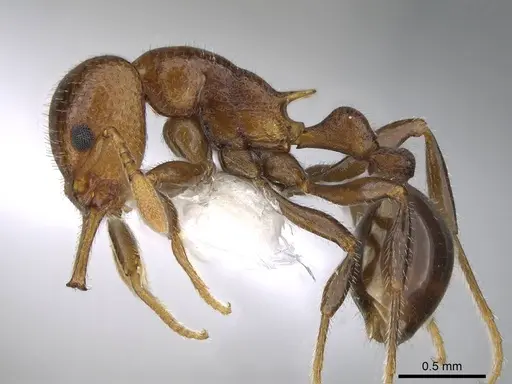
Epopostruma monstrosa is a small, distinctive Australian ant known for its unusual appearance. Workers measure 3.3-4.4mm and feature prominent spines on the pronotum, petiole, and postpetiole, along with distinctive foveae (deep pits) on their body [1]. Their coloration ranges from yellow-red to red-brown, with the gaster being a uniform red-brown. This species belongs to the Myrmicinae subfamily and the Attini tribe, which includes fungus-growing ants, though Epopostruma are not cultivators themselves. The name 'monstrosa' reflects their somewhat monstrous appearance with their spiny morphology. They are found across eastern Australia from northern Queensland down to Victoria, inhabiting various environments from heathlands to sclerophyll forests [1].
Quick Summary
- Difficulty: Hard
- Origin & Habitat: Eastern Australia, found in northern Queensland, southeastern Queensland, south-coastal New South Wales, and the Melbourne area of Victoria. They inhabit diverse environments including heath on sandy soil, swamps, open and dry sclerophyll forests, coastal scrub, and paperbark scrub [1]. Nests are typically found under stones, in leaf litter, and in bare soil patches.
- Colony Type: Colony structure is unconfirmed. The genus Epopostruma is poorly studied, and specific information about queen number and colony organization for this species is not available.
- Size & Growth:
- Queen: Unconfirmed, queen was described by Viehmeyer in 1925 but detailed measurements are not readily available [1]
- Worker: 3.3-4.4mm [1]
- Colony: Unknown, no colony size data is available for this species
- Growth: Unknown, no development data exists for this species
- Development: Unknown, no direct development studies exist. Based on typical Attini patterns and similar small Myrmicinae, estimate 6-10 weeks at optimal temperature, but this is a rough guess. (Development timeline is unconfirmed. Related Attini species typically develop in 6-10 weeks at warm temperatures.)
- Antkeeping:
- Temperature: Based on their Australian distribution spanning subtropical Queensland to temperate Victoria, they likely tolerate a range from roughly 18-28°C. Start around 22-25°C and observe colony activity. Provide a temperature gradient so ants can self-regulate.
- Humidity: Found in diverse habitats from heath to swamps, suggesting moderate to high humidity needs. Keep the nest substrate consistently moist but not waterlogged. Provide some drier areas for escape if needed.
- Diapause: Likely, Australian temperate ants typically require a winter rest period. Given their southern distribution into Victoria, expect a diapause requirement of 2-3 months at roughly 10-15°C during the Southern Hemisphere winter (roughly June-August).
- Nesting: In nature they nest under stones, in leaf litter, and in soil. In captivity, a naturalistic setup with moist substrate and hiding structures works well. Test tubes can work but may need modification to maintain humidity. Y-tong or plaster nests with good moisture retention are suitable.
- Behavior: This species is poorly documented in captivity. They are foragers and have been observed foraging on tree trunks. Their small size (3.3-4.4mm) means escape prevention should be a priority, use fine mesh and secure barriers. Temperament is unconfirmed but related Epopostruma species are generally non-aggressive. They likely forage individually or in small groups rather than forming large trails.
- Common Issues: very limited captive care information makes proper husbandry challenging, escape prevention is critical due to their small size, slow growth and lack of data may frustrate keepers expecting quick colony development, humidity control can be tricky, they need moisture but not saturation, winter diapause requirements are uncertain and may cause issues if not provided
Natural History and Distribution
Epopostruma monstrosa is endemic to eastern Australia, with confirmed populations in northern Queensland, southeastern Queensland, south-coastal New South Wales, and the Melbourne area of Victoria [1]. This wide distribution across multiple climate zones suggests some adaptability. They inhabit diverse environments including heath on sandy soil, swamps, various sclerophyll forest types, coastal scrub, and paperbark scrub [1]. Nests have been found under stones near Eucalyptus trees, in leaf litter, under rocks in areas dominated by other ant species (including Notoncus gilberti), and in bare patches of soil. Foragers have been observed on tree trunks up to 4 feet off the ground. The northern populations show slightly more pronounced foveae (pits) on the petiole and postpetiole compared to southern populations, but this is considered intraspecific geographic variation due to the large distance (over 1300km) between collection sites [1].
Identification and Morphology
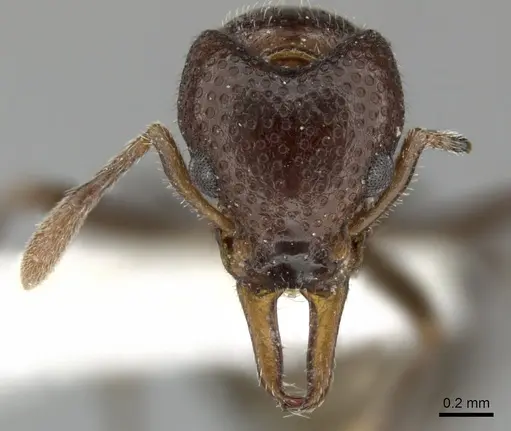
Workers of E. monstrosa are distinctive among Australian ants due to their spiny morphology. They measure 3.3-4.4mm in total length [1]. Key identification features include distinct pronotal spines, short thin petiolar spines, and a uniquely shaped postpetiole with a relatively long and flat anterior face compared to the dorsal face [1]. The body is covered with numerous very short erect hairs. The first gastral tergite is smooth or nearly so, with at most very weak sculpturing, and the area immediately behind the attachment to the gaster has short longitudinal rugae. Coloration varies from yellow-red to red-brown, with the gaster being a uniform red-brown [1]. The genus Epopostruma is sometimes called the 'strange ant' genus due to their unusual morphology, and this species lives up to that reputation with its spiny appearance.
Housing and Nesting
In the wild, E. monstrosa nests under stones, in leaf litter, and in soil. They appear to prefer moist microhabitats given their association with swampy areas and leaf litter. For captive care, a naturalistic setup with moist substrate works well, use a mixture of soil and sand that holds moisture without becoming waterlogged. Provide hiding structures like small stones, pieces of bark, or cork. Test tubes can work but may require a cotton reservoir to maintain humidity, and you may need to wrap the tube to create a dark environment that encourages the colony to settle. Y-tong (acrylic) nests or plaster nests with good moisture retention are also suitable options. Ensure the nest area stays consistently moist but not saturated. Given their small size, excellent escape prevention is essential, use fine mesh and check all connections regularly. [1]
Feeding and Diet
The specific diet of E. monstrosa is not documented, but as a member of the Attini tribe, they likely have omnivorous habits similar to other small Myrmicinae. They probably consume small insects, honeydew, and nectar. In captivity, offer small protein sources like fruit flies, pinhead crickets, and small mealworms. Sugar water or honey can be offered occasionally, though acceptance may vary. Given their small forager size (3.3-4.4mm), prey items should be appropriately sized, very small insects and arthropods are more appropriate than large prey. Feed small amounts of protein 2-3 times per week and provide a constant sugar source. Remove uneaten prey after 24-48 hours to prevent mold issues.
Temperature and Seasonal Care
Given their broad distribution from subtropical Queensland to temperate Victoria, E. monstrosa likely tolerates a range of temperatures. Start around 22-25°C and provide a temperature gradient so the colony can self-regulate. You can achieve this with a heating cable on one side of the nest (placed on top to avoid evaporation) or by positioning the nest in a room with natural temperature variation. For the Australian winter (roughly June-August in the Southern Hemisphere), expect a diapause period. Based on their southern distribution into Victoria, provide 2-3 months at roughly 10-15°C. During diapause, reduce feeding frequency and avoid disturbing the colony. If kept in the Northern Hemisphere, you may need to adjust their seasonal cycle to match local conditions or artificially maintain summer conditions year-round. [1]
Frequently Asked Questions
How long does it take for Epopostruma monstrosa to produce first workers?
The exact development timeline is unknown, no studies have documented their development from egg to worker. Based on typical Attini patterns and similar small Myrmicinae, expect roughly 6-10 weeks at optimal temperature (around 22-25°C), but this is a rough estimate.
What do Epopostruma monstrosa ants eat?
Their specific diet is not documented, but they likely eat small insects, honeydew, and nectar. In captivity, offer small protein sources like fruit flies, pinhead crickets, and small mealworms. Sugar water or honey can be offered occasionally.
Are Epopostruma monstrosa good for beginners?
No, this species is not recommended for beginners. There is very limited captive care information available, making proper husbandry challenging. Their specific temperature, humidity, and dietary requirements are not well understood.
How big do Epopostruma monstrosa colonies get?
Colony size is unknown, no colony size data exists for this species. Based on their small worker size (3.3-4.4mm) and typical Attini patterns, colonies are likely modest, probably under a few hundred workers.
Do Epopostruma monstrosa need hibernation?
Likely yes, given their distribution into temperate Victoria, they probably require a winter rest period. Provide 2-3 months at roughly 10-15°C during the Southern Hemisphere winter (June-August). If kept in the Northern Hemisphere, adjust accordingly.
Can I keep multiple Epopostruma monstrosa queens together?
Not documented. Colony structure (monogyne vs polygyne) has not been studied for this species. Combining unrelated queens is not recommended given the lack of information about their social structure.
What is the best nest type for Epopostruma monstrosa?
A naturalistic setup with moist substrate works well given their natural nesting under stones and in leaf litter. Y-tong or plaster nests with good moisture retention are suitable alternatives. Ensure excellent escape prevention due to their small size.
Why is this ant called 'monstrosa'?
The name 'monstrosa' (meaning monstrous) refers to their unusual spiny appearance. Workers have prominent spines on the pronotum, petiole, and postpetiole, along with distinctive foveae (pits) giving them a somewhat monstrous or bizarre appearance compared to typical ants.
References

This caresheet is licensed under CC BY-SA 4.0 .
CASENT0235851
View on AntWeb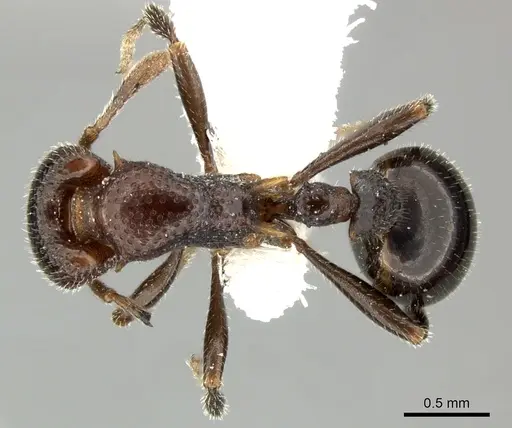
CASENT0911156
View on AntWeb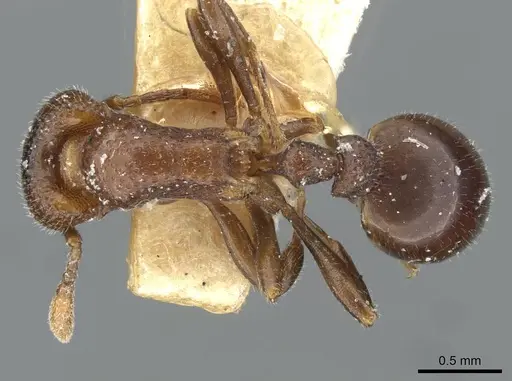
CASENT0914666
View on AntWeb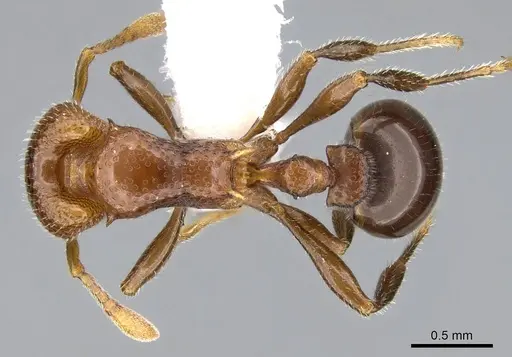
FOCOL2142
View on AntWeb
Literature
Loading...Loading products...