

Notoncus gilberti
- Scientific Name
- Notoncus gilberti
- Tribe
- Melophorini
- Subfamily
- Formicinae
- Author
- Forel, 1895
- Distribution
- Found in 1 countries
Notoncus gilberti Overview
Notoncus gilberti is an ant species of the genus Notoncus. It is primarily documented in 1 countries , including Australia. Detailed taxonomic data and occurrence records can be further explored via authoritative databases such as AntWeb or the Global Biodiversity Information Facility (GBIF).
Notoncus gilberti
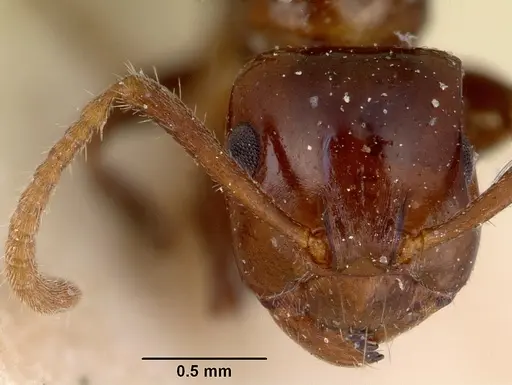
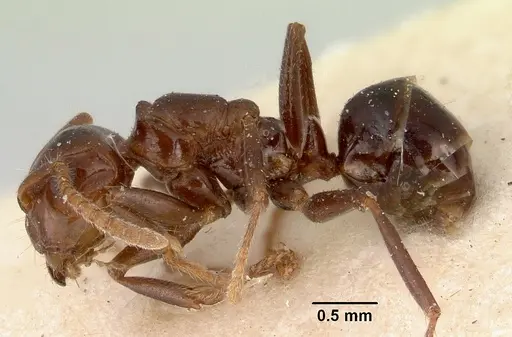
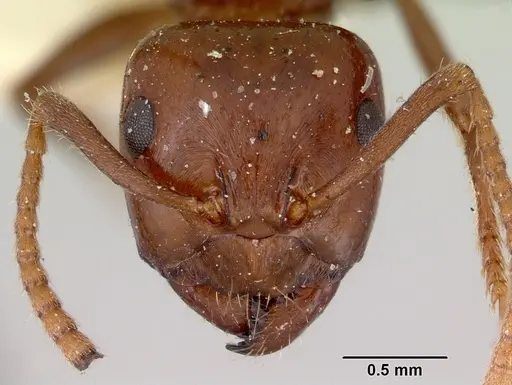
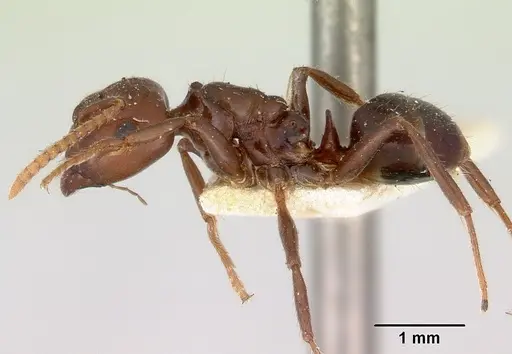
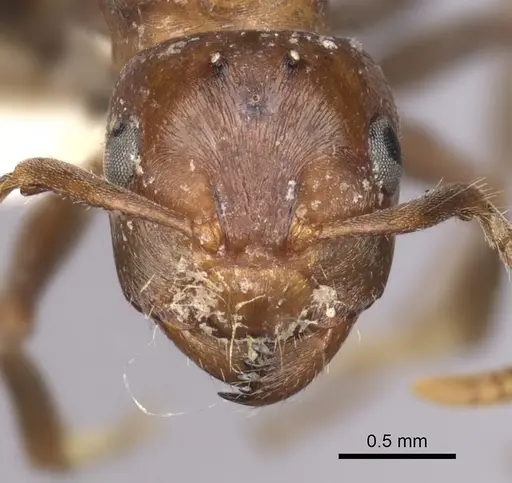
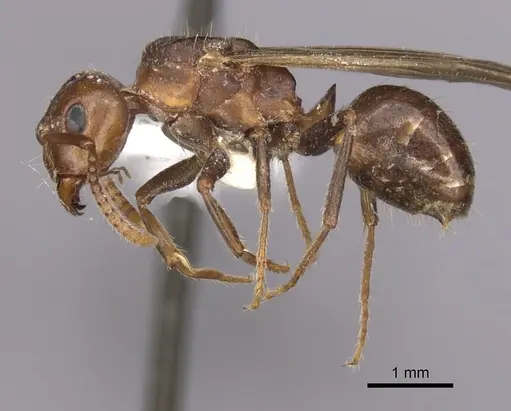
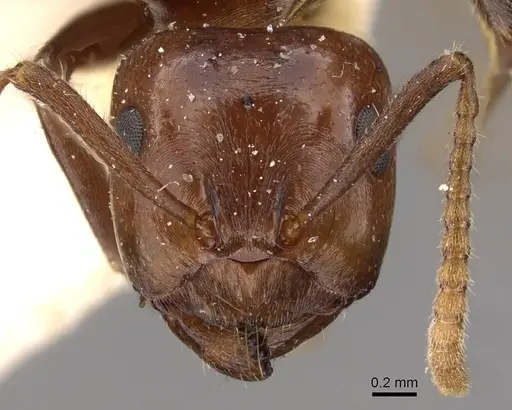
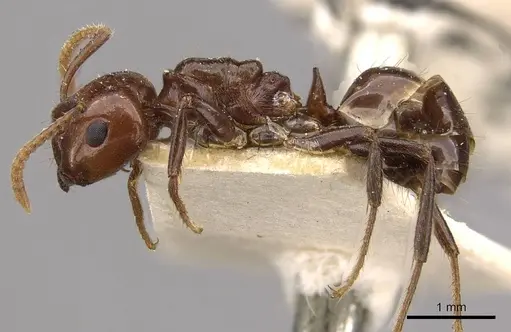
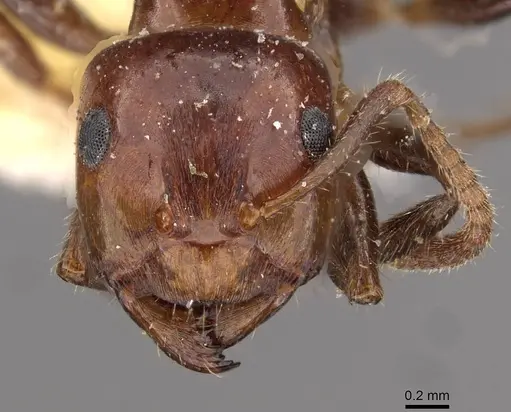
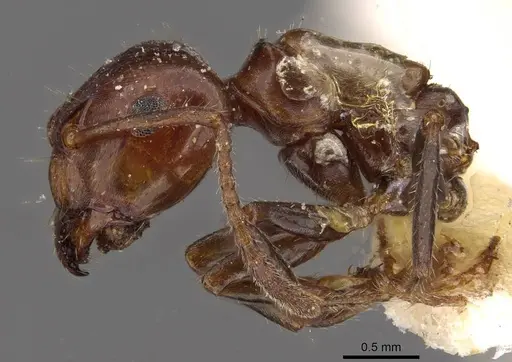
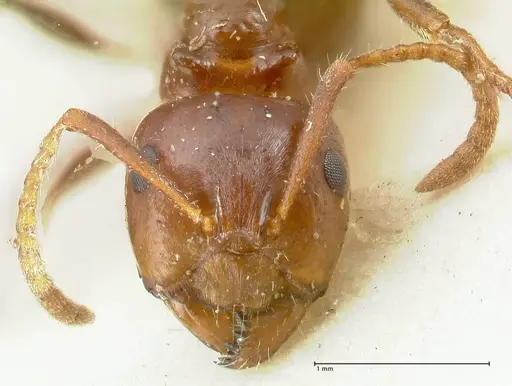
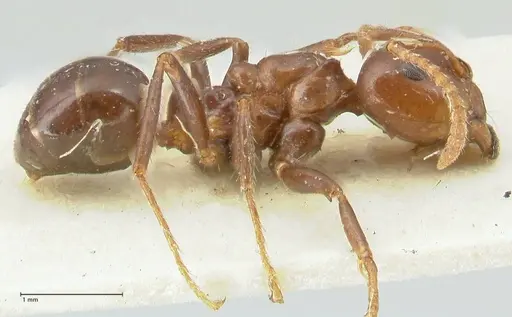
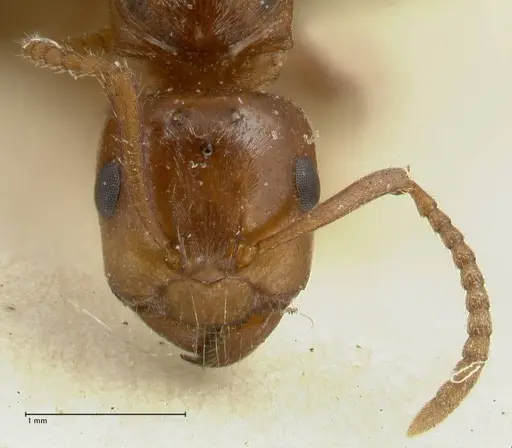
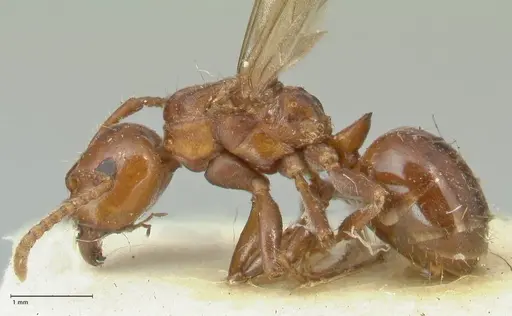
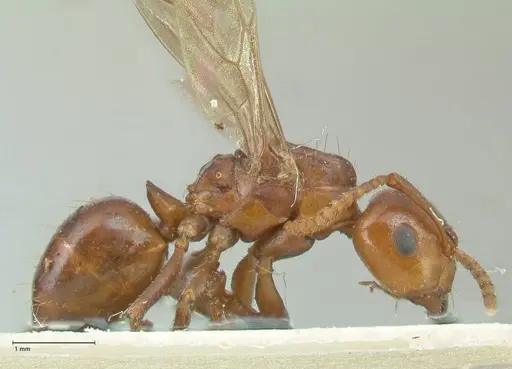
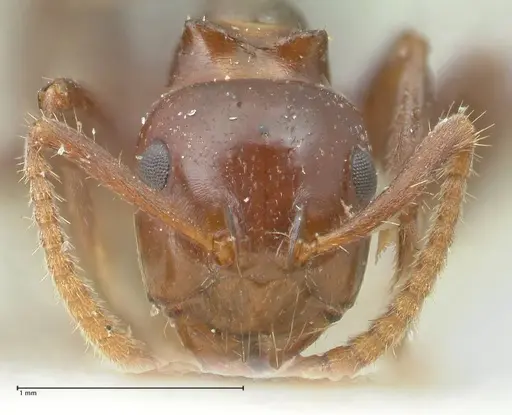
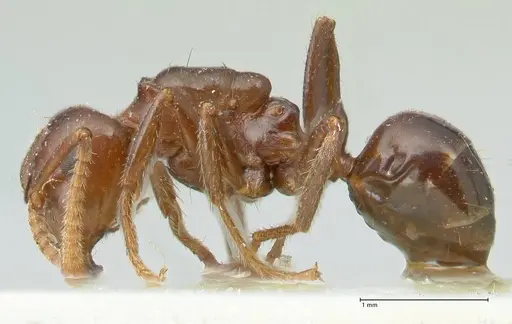
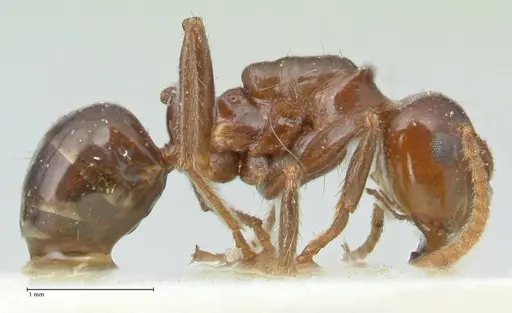
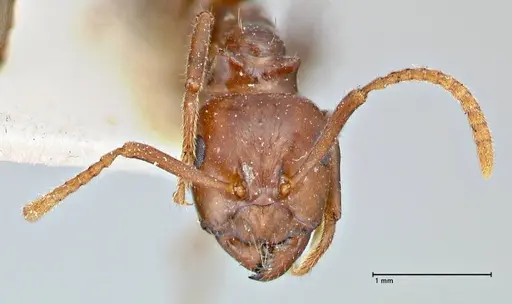
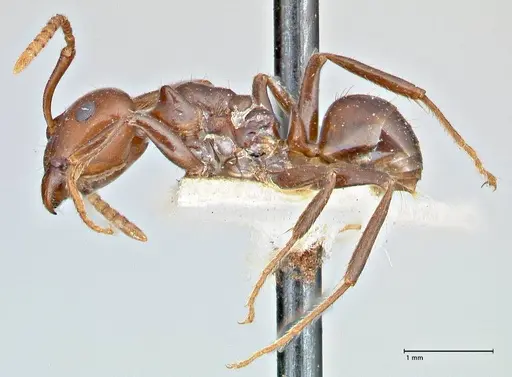
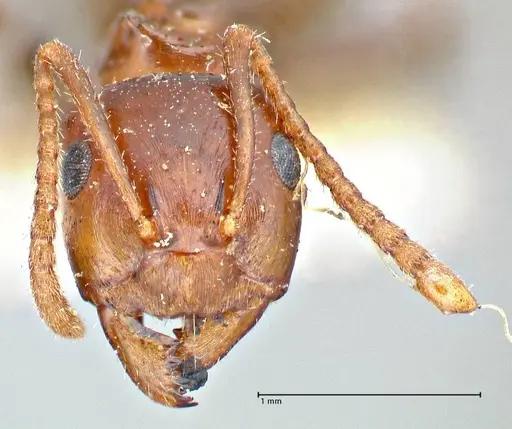
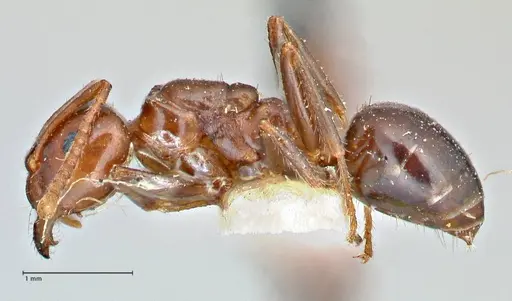
Notoncus gilberti is a small ant species native to Australia and New Guinea, measuring 3-4mm in worker length [1]. This is the only species in the genus Notoncus known to occur outside Australia. Workers have a distinctive appearance with a brownish-red head and thorax, a blackish to dark brown gaster (abdomen), and yellowish markings on the thoracic sutures, knees, and gastric segment borders. The species is identified by its cornicles on the humeral angles and a raised, posteriorly lobate metanotum that sits above the level of the propodeum. These ants are nocturnal foragers, building small soil granule mounds in suburban gardens as their only daytime sign, making them a common but often unnoticed resident in Western Australian gardens.
Quick Summary
- Difficulty: Easy
- Origin & Habitat: Native to Australia (Western Australia, New South Wales, Queensland) and New Guinea. Found in wetter parts of the southwest but also occurs across eastern Australia. These ants commonly colonize suburban gardens and are often found nesting under stones in disturbed areas [2][1].
- Colony Type: Colony structure is unconfirmed. Workers and a queen have been collected from nests under stones [1].
- Size & Growth:
- Queen: Unconfirmed size, queens were described by Forel in 1895 but specific measurements not available [1]
- Worker: 3-4mm [1]
- Colony: Unknown, no colony size data available
- Growth: Unknown, no development data available
- Development: Unconfirmed, no direct development data for this species (Based on typical Formicinae patterns, expect 6-10 weeks at warm temperatures. Related Melophorini species suggest moderate growth rates.)
- Antkeeping:
- Temperature: Keep at room temperature around 20-26°C. Their range includes both southwestern Australia and warmer eastern regions, suggesting they tolerate a broad temperature range [1].
- Humidity: Prefers moderate to slightly moist conditions. In their natural habitat of wetter southwestern Australia and suburban gardens, they likely tolerate variable humidity but benefit from some moisture in the nest substrate.
- Diapause: Unknown, no specific data on overwintering requirements. Australian temperate ants typically benefit from a cool period in winter.
- Nesting: Nests under stones in nature [1]. A naturalistic setup with flat stones or a Y-tong/plaster nest works well. Provide some soil or substrate material for them to manipulate, as they naturally build small soil granule mounds.
- Behavior: Nocturnal foragers, they remain hidden during the day and become active at night [2]. Workers are not particularly aggressive and are small enough that escape prevention is manageable. They are not known to sting and are considered peaceful colony residents. Their small size and nocturnal habits make them a low-maintenance species for antkeepers.
- Common Issues: nocturnal activity means you may not see much during daylight hours, this is normal behavior, not a problem, colony size data is unknown so growth expectations are uncertain, diapause requirements are unconfirmed, monitor colony behavior during winter months, wild-caught colonies may have parasites that affect captive survival
Housing and Nest Preferences
Notoncus gilberti naturally nests under stones, which gives you good options for captive housing. A Y-tong (acrylic) nest or plaster nest works well for this species. In the wild, they build small amorphous clumps from soil granules as their only daytime sign, so providing some loose substrate or fine soil in an outworld gives them natural enrichment. They are nocturnal, so placing the nest in a location with natural light cycles helps maintain their natural activity patterns. A small water tube connected to the nest provides humidity without flooding the colony. [2][1]
Feeding and Diet
As a Formicinae species, Notoncus gilberti likely has a varied diet similar to related ants in the Melophorini tribe. They probably accept sugar sources (honey water, sugar water) and protein (small insects like fruit flies, mealworms, crickets). Their small size means prey items should be appropriately sized, tiny insects and arthropods work better than large prey. In suburban gardens, they likely forage for honeydew from aphids and small insects. Offer sugar water continuously and protein prey 2-3 times per week. [1]
Temperature and Seasonal Care
This species tolerates a broad temperature range given its distribution across both southwestern Australia (temperate) and eastern Australia (warmer). Keep them at room temperature, ideally between 20-26°C. A heating cable on one side of the nest can create a temperature gradient if your room runs cool. Since they are from Australia, a light winter cool period is likely beneficial, but specific diapause requirements are unconfirmed. Reduce feeding and keep them in a cool room (around 15-18°C) for 2-3 months during winter if the colony shows reduced activity. [2][1]
Behavior and Observation
Notoncus gilberti is a nocturnal species, meaning you'll see most activity in the evening and night hours [2]. During the day, the colony remains quietly in the nest, which can make them seem inactive, this is normal behavior, not a problem. Workers are small and relatively docile, making them easy to house with standard escape prevention. They are not known to be aggressive or to sting. Their distinctive appearance with the raised metanotum and cornicles makes them interesting to observe. The workers have a bicolored appearance: brownish-red head and thorax with a dark gaster.
Frequently Asked Questions
How long does it take for Notoncus gilberti to produce first workers?
The egg-to-worker timeline is unconfirmed for this species. Based on typical Formicinae development patterns, expect 6-10 weeks at warm temperatures (around 24-26°C).
What do Notoncus gilberti ants eat?
They likely accept sugar sources (honey water, sugar water) and small protein prey like fruit flies, pinhead crickets, and small mealworms. Feed sugar water continuously and protein 2-3 times per week.
Are Notoncus gilberti good for beginners?
Yes, they are considered an easy species to keep. They are small, docile, and adapt well to suburban-like conditions. Their nocturnal habits may be less engaging than diurnal species, but they are low-maintenance.
What temperature do Notoncus gilberti need?
Keep them at room temperature, ideally 20-26°C. They tolerate a broad range given their distribution across both temperate and warmer regions of Australia.
When are Notoncus gilberti most active?
They are nocturnal foragers, meaning they are most active during evening and night hours. During the day, they remain in the nest, this is normal behavior.
Do Notoncus gilberti need hibernation?
Diapause requirements are unconfirmed, but Australian temperate ants typically benefit from a cool winter period. Reduce feeding and keep them at 15-18°C for 2-3 months during winter if the colony shows reduced activity.
How big do Notoncus gilberti colonies get?
Colony size is unknown, no data is available on maximum colony size for this species. Expect moderate-sized colonies based on their small worker size.
Can I keep multiple Notoncus gilberti queens together?
Colony structure (monogyne vs polygyne) is unconfirmed. It is not recommended to combine unrelated queens as this has not been documented for this species.
References

This caresheet is licensed under CC BY-SA 4.0 .
CASENT0172021
View on AntWeb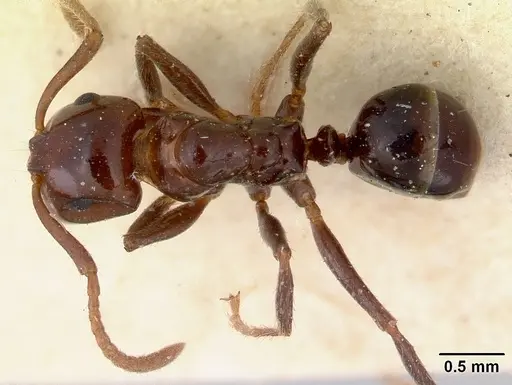
CASENT0172022
View on AntWeb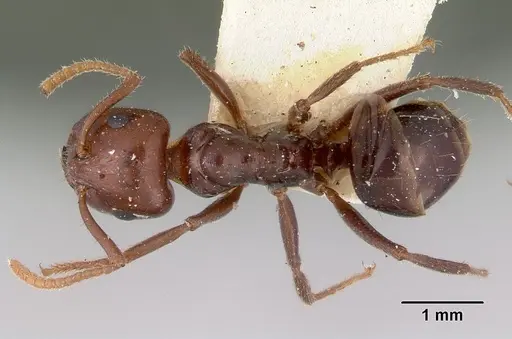
CASENT0280559
View on AntWeb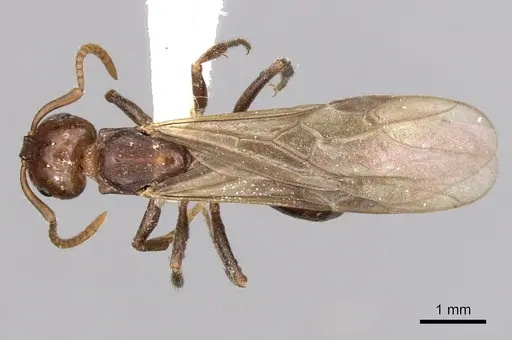
CASENT0909837
View on AntWeb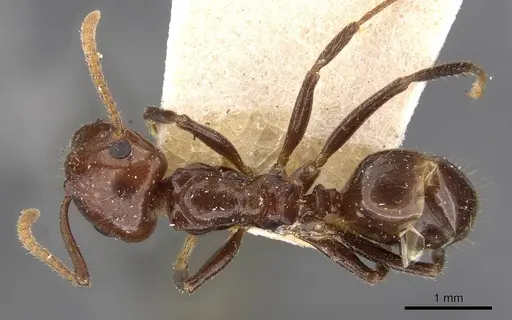
CASENT0909838
View on AntWeb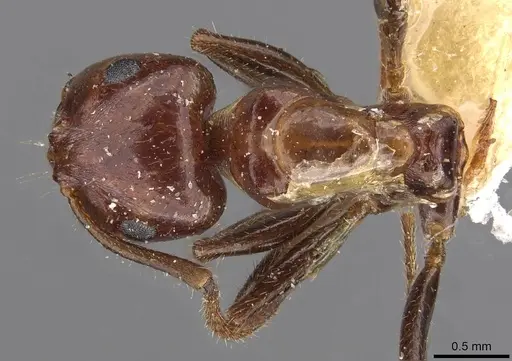
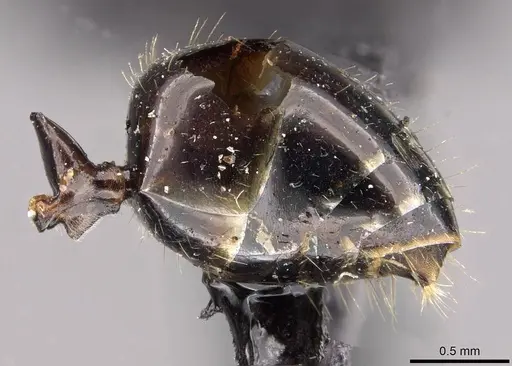
CASENT4036276
View on AntWeb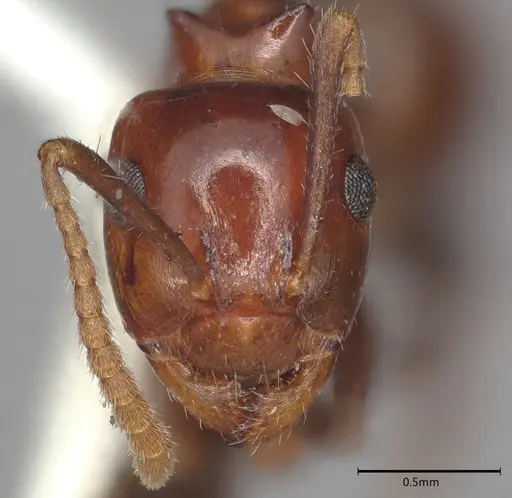
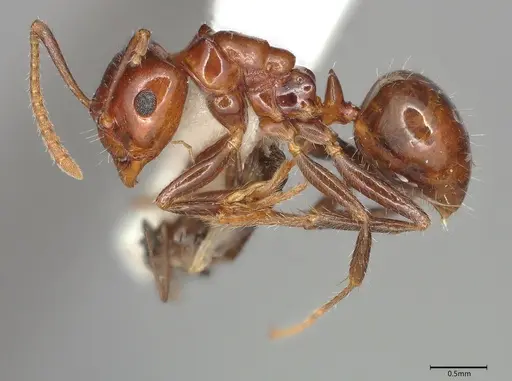
FOCOL2217
View on AntWeb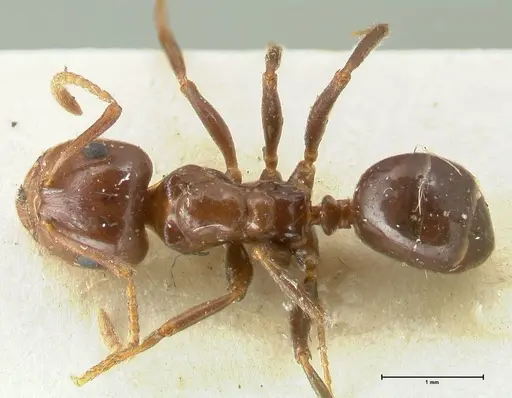
FOCOL2218
View on AntWeb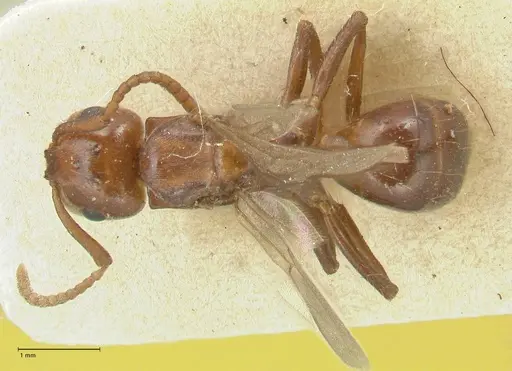
FOCOL2219
View on AntWeb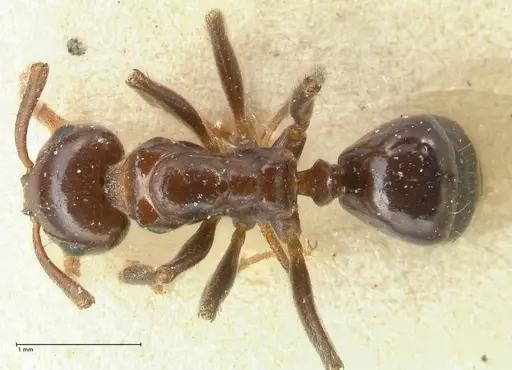
FOCOL2963
View on AntWeb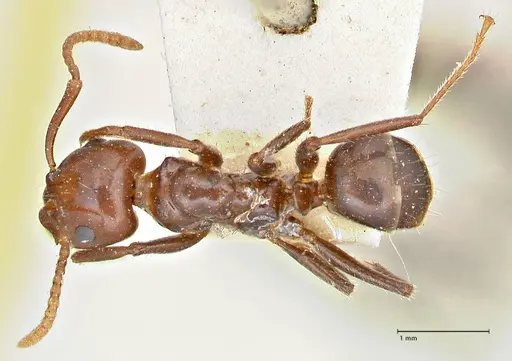
FOCOL2964
View on AntWeb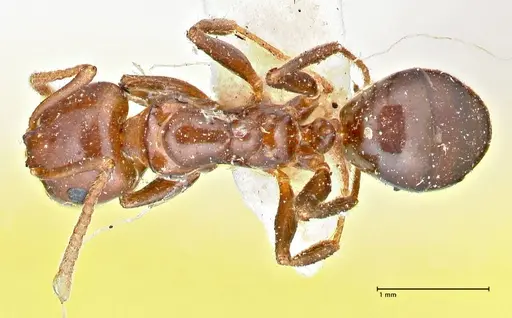
Literature
Loading...Loading products...