

Ectomomyrmex striatulus
- Scientific Name
- Ectomomyrmex striatulus
- Tribe
- Ponerini
- Subfamily
- Ponerinae
- Author
- Karavaiev, 1935
- Distribution
- Found in 2 countries
Ectomomyrmex striatulus Overview
Ectomomyrmex striatulus is an ant species of the genus Ectomomyrmex. It is primarily documented in 2 countries , including Australia, Papua New Guinea. Detailed taxonomic data and occurrence records can be further explored via authoritative databases such as AntWeb or the Global Biodiversity Information Facility (GBIF).
Ectomomyrmex striatulus
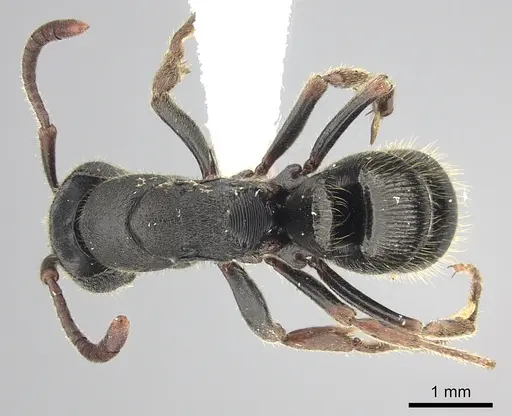
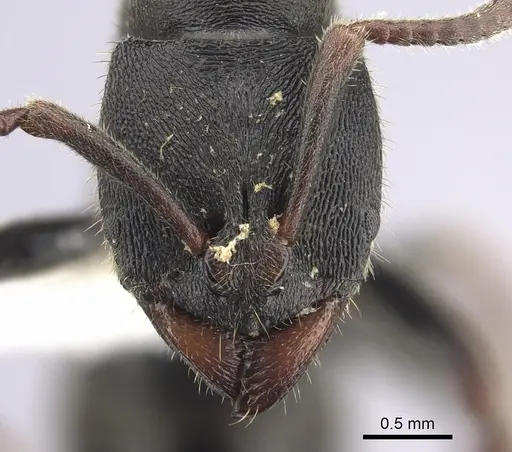
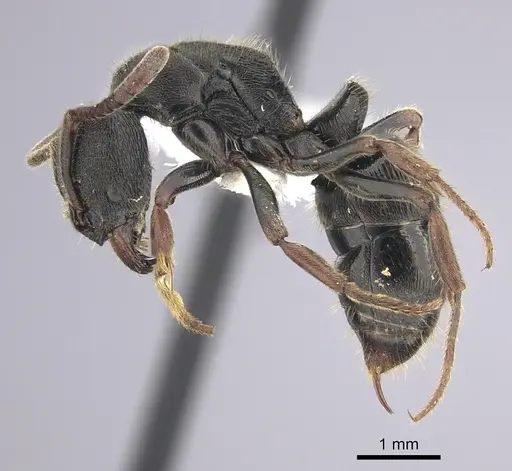
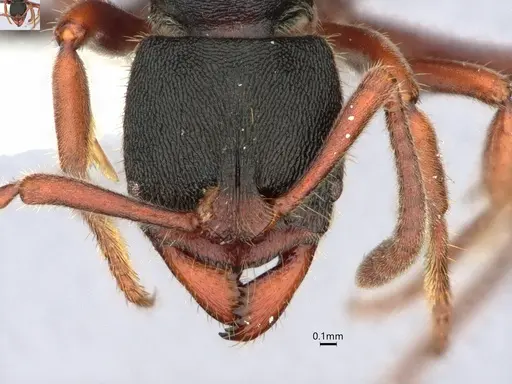
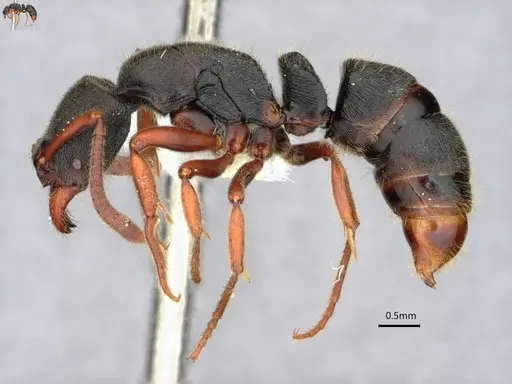
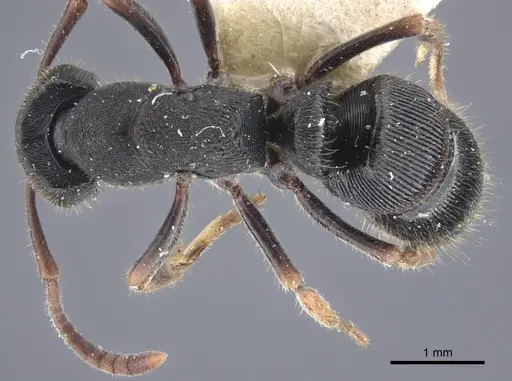
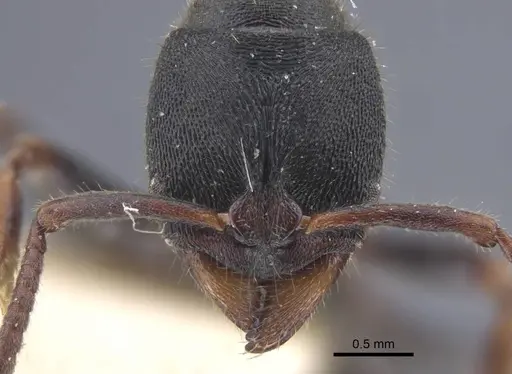
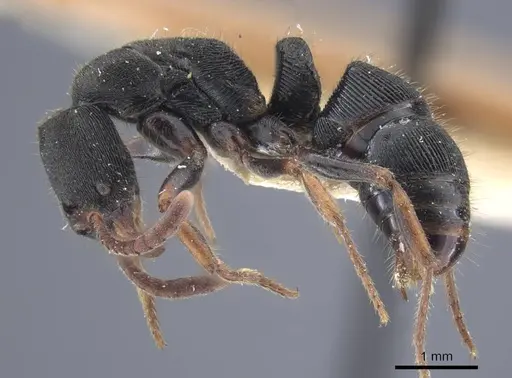
Ectomomyrmex striatulus is a medium-sized ponerine ant native to the Australasian and Indomalayan regions, found throughout Indonesia and New Guinea [1]. Workers measure around 6-8mm with the characteristic robust, powerful mandibles typical of the Ponerini tribe. The species was originally described as Pachycondyla striata in 1927 but had to be renamed striatulus in 1935 due to a naming conflict [2]. These ants inhabit undisturbed tropical forests where they likely nest in soil or rotting wood [1]. As a Ponerinae species, they possess a functional sting capable of delivering painful defense. This species remains poorly studied in the scientific literature, with most available information derived from museum specimens collected in the early 1900s.
Quick Summary
- Difficulty: Medium
- Origin & Habitat: Tropical Indonesia and New Guinea, found in undisturbed forest habitats [1]. The species was originally described from specimens collected on Ambon Island in 1913 [2].
- Colony Type: Likely monogyne (single queen) based on typical Ponerinae patterns. Colony size is unknown but likely moderate, similar ponerines typically reach a few hundred workers.
- Colony: Monogyne
- Founding: Semi-claustral
- Size & Growth:
- Queen: Approximately 8-10mm, estimated from related Ponerinae species
- Worker: 6-8mm [2]
- Colony: Unknown, likely a few hundred workers based on genus patterns
- Growth: Moderate, Ponerinae typically develop slower than many common ant genera
- Development: Estimated 6-10 weeks at tropical temperatures (25-28°C) based on related Ponerinae species (Direct development data unavailable, estimates based on genus-level patterns for Ponerinae in tropical environments)
- Antkeeping:
- Temperature: Keep at 24-28°C (tropical warmth). A slight gradient allowing cooler areas around 22°C is beneficial. These ants come from warm, humid tropical forests [1].
- Humidity: High humidity required, aim for 70-80% relative humidity. Keep the nest substrate consistently moist but not waterlogged. Ponerinae ants typically require damp conditions matching their forest floor origins.
- Diapause: No, this is a tropical species that does not experience true hibernation. However, slight temperature reduction during dry seasons may occur naturally.
- Nesting: Provide a humid nest with multiple chambers. Y-tong (AAC) nests or plaster nests work well. The nest should retain moisture well. Given their forest origin, include some damp substrate and ensure good humidity control.
- Behavior: Ponerinae ants are typically more defensive than many common ant genera. Ectomomyrmex striatulus likely has an active sting and workers will respond aggressively to perceived threats. They are probably primarily predatory or omnivorous, hunting small invertebrates. Escape prevention should be moderate, while not extremely small, they are active and may explore. Watch for potent defensive behavior if the nest is disturbed.
- Common Issues: tropical humidity requirements mean drying out is a common problem, monitor substrate moisture regularly, poorly documented species means care is based on genus inference rather than specific studies, Ponerinae stings can be painful, handle with care and use appropriate escape prevention, wild-caught colonies may have parasites or diseases that can cause colony failure, slower development than common ant species may frustrate beginners
Natural History and Distribution
Ectomomyrmex striatulus is native to the tropical regions of Indonesia and New Guinea. The species was originally described from specimens collected on Ambon Island (part of the Maluku Islands in Indonesia) in February 1913 [2]. It has since been recorded across the Australasian and Indomalayan regions, with documented populations in New Guinea and various Indonesian islands [1]. These ants inhabit undisturbed tropical forests, suggesting they prefer natural, humid environments with ample ground cover. The original type specimen was collected from a lowland forest environment typical of the region. Like other Ponerinae, they likely play a role in forest ecosystems as predators of small invertebrates.
Housing and Nest Preferences
For captive care, provide a humid nest environment that mimics their tropical forest floor origins. Y-tong (AAC) nests or plaster nests work well because they retain moisture effectively. The nest should have multiple chambers connected by narrow passages. Keep the nest substrate consistently moist, these ants do not tolerate dry conditions. A water reservoir attached to the nest helps maintain humidity. The outworld should be simple with minimal decorations, a foraging area with a water test tube and protein food dish is sufficient. Because they come from tropical forests, avoid any drafts or temperature fluctuations. Escape prevention should be standard, while not extremely small, they are active foragers.
Feeding and Diet
Like most Ponerinae ants, Ectomomyrmex striatulus is likely primarily predatory or omnivorous. Feed them small live prey such as fruit flies, small crickets, mealworms, and other appropriately-sized insects. They likely accept protein-rich foods as their primary nutrition. Sugar sources may be accepted but are not a primary food source for most ponerines, offer occasional sugar water or honey but do not rely on it as a staple. Feed protein prey 2-3 times per week, adjusting based on colony size and consumption. Remove uneaten prey after 24-48 hours to prevent mold. Fresh water should always be available.
Temperature and Seasonal Care
Maintain warm tropical temperatures of 24-28°C. These ants come from Indonesia and New Guinea where temperatures remain consistently warm year-round. A slight temperature gradient (22-28°C) allows the colony to self-regulate. Use a heating cable or mat on one side of the nest if room temperature is below 24°C. Place heating on top of the nest, not underneath, to avoid excessive drying. As a tropical species, they do not require hibernation. However, slight seasonal variations may occur naturally, some keepers report reduced activity during simulated dry seasons. Keep humidity high to complement the warm temperatures.
Behavior and Defense
Ectomomyrmex striatulus belongs to the Ponerini tribe, which is known for potent defensive capabilities. These ants possess a functional sting and will use it when threatened. Workers are likely to be more aggressive and defensive than many common ant species. When the nest is disturbed, expect rapid mobilization of workers to defend the colony. Handle the nest setup with care and avoid vibrations or sudden movements near the colony. The sting is reported to be painful in related species. Escape prevention should be standard, while not tiny, these ants are active and will explore any gaps in their enclosure.
Frequently Asked Questions
How long does it take for Ectomomyrmex striatulus to produce first workers?
Direct data is unavailable, but based on typical Ponerinae development at tropical temperatures (25-28°C), expect approximately 6-10 weeks from egg to first worker. Ponerine ants generally develop slower than many common ant genera.
What do Ectomomyrmex striatulus eat?
They are likely primarily predatory or omnivorous. Feed small live prey such as fruit flies, small crickets, mealworms, and other insects. Protein should be the primary food source. They may occasionally accept sugar water or honey but do not rely on sweet foods as a staple.
Are Ectomomyrmex striatulus good for beginners?
This species is rated as Medium difficulty. While not the most challenging ant species, they have specific humidity and temperature requirements typical of tropical Ponerinae. The potent sting and slower development may challenge beginners. If you are new to ants, consider starting with a more documented species.
How big do Ectomomyrmex striatulus colonies get?
Colony size is not well documented, but based on typical Ponerinae patterns, colonies likely reach several hundred workers. This is smaller than many common ant species like Camponotus or Formica.
Do Ectomomyrmex striatulus need hibernation?
No. This is a tropical species from Indonesia and New Guinea that does not experience cold winters. Maintain warm temperatures year-round (24-28°C). They do not require a diapause period.
Can I keep multiple Ectomomyrmex striatulus queens together?
This has not been documented for this specific species. Based on typical Ponerinae behavior, they likely form single-queen colonies. Combining unrelated queens is not recommended as it often leads to fighting.
What humidity level do Ectomomyrmex striatulus need?
High humidity is essential, aim for 70-80% relative humidity. Keep the nest substrate consistently moist but not waterlogged. These tropical forest ants do not tolerate dry conditions. Monitor moisture levels regularly.
When should I move Ectomomyrmex striatulus to a formicarium?
Wait until the colony has at least 20-30 workers and is actively foraging in the outworld. For this species, that typically means several months to a year after founding. Ensure the formicarium can maintain high humidity, Y-tong or plaster nests work well.
Why is my Ectomomyrmex striatulus colony dying?
The most common causes are: drying out (they need high humidity), temperatures too cold (keep above 24°C), or poor nutrition. Wild-caught colonies may also carry parasites. Review your humidity, temperature, and feeding regimen. If conditions are correct, the colony may have been stressed from collection.
References

This caresheet is licensed under CC BY-SA 4.0 .
Literature
Loading...Loading products...