

Pachycondyla striata
- Scientific Name
- Pachycondyla striata
- Tribe
- Ponerini
- Subfamily
- Ponerinae
- Author
- Smith, 1858
- Distribution
- Found in 6 countries
Pachycondyla striata Overview
Pachycondyla striata is an ant species of the genus Pachycondyla. It is primarily documented in 6 countries , including Argentina, Brazil, Colombia. Detailed taxonomic data and occurrence records can be further explored via authoritative databases such as AntWeb or the Global Biodiversity Information Facility (GBIF).
Pachycondyla striata
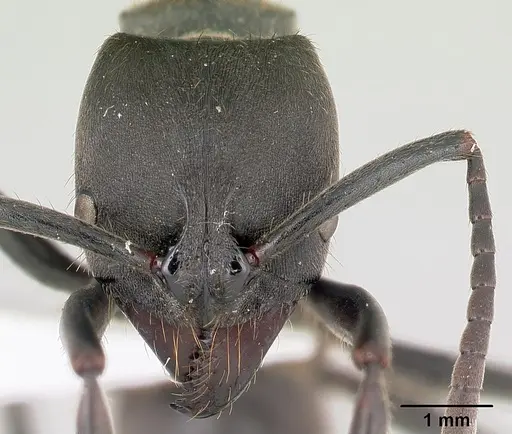
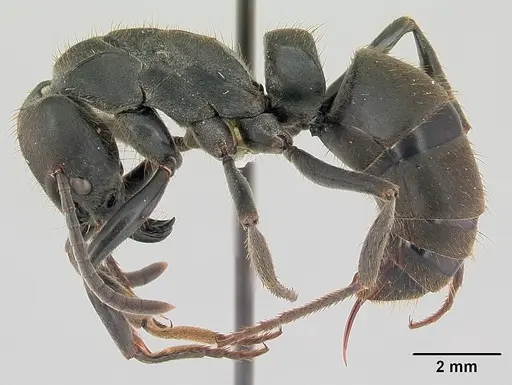
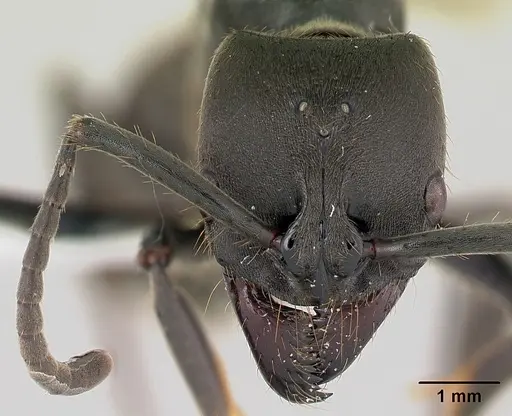
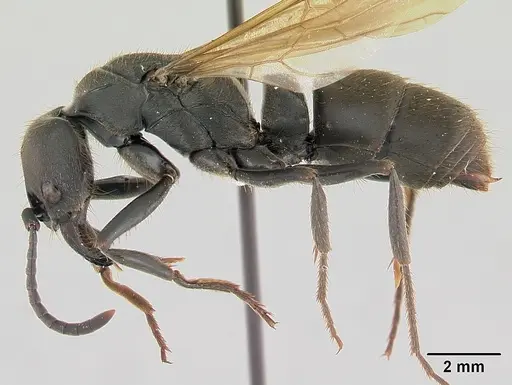
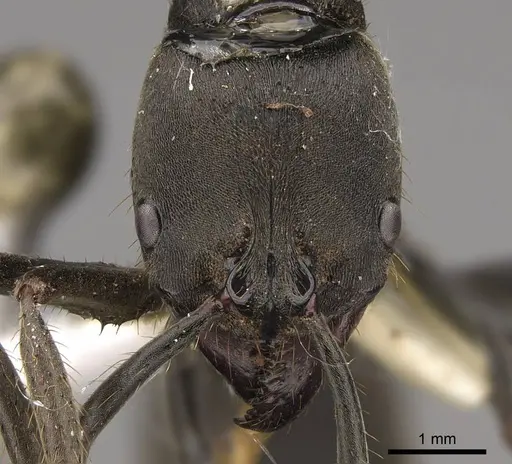
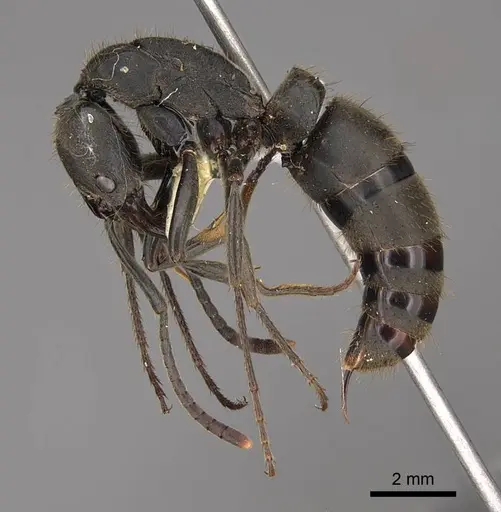
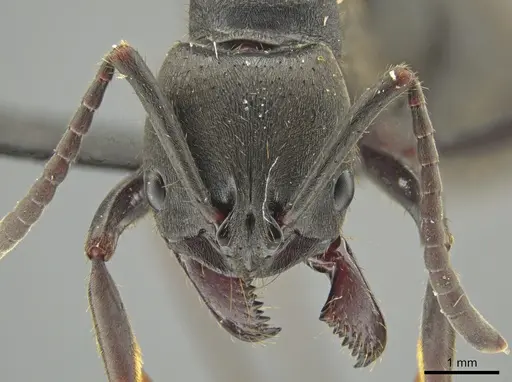
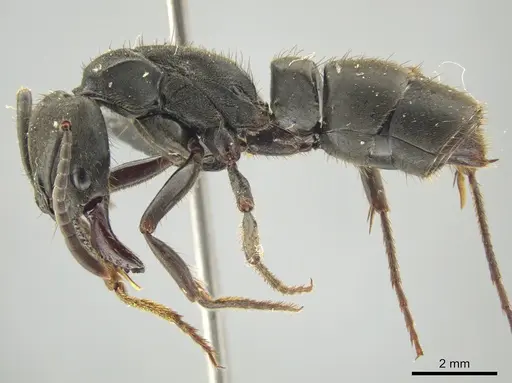
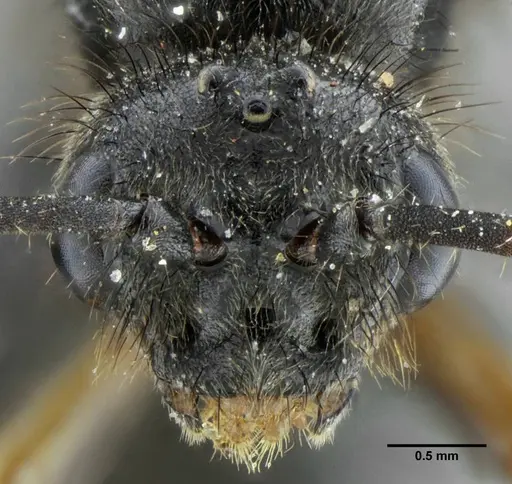
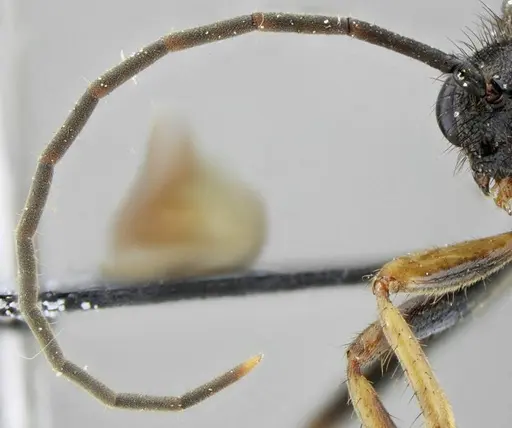
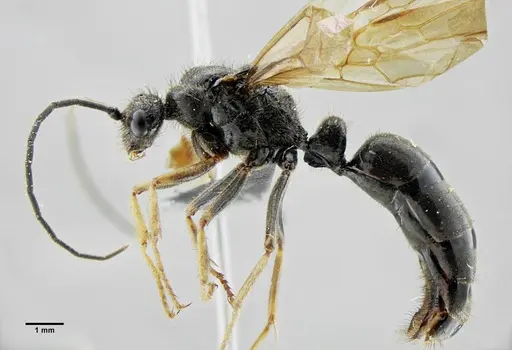
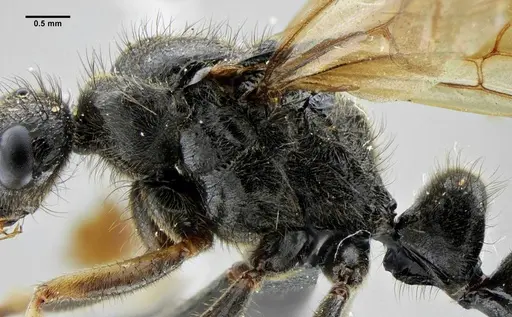
Pachycondyla striata is a large, bulky black ant native to southern South America, ranging from Brazil through Paraguay and Uruguay into northern Argentina [1]. Workers measure 13-17mm in length, making them one of the larger ponerine ants you'll encounter [2]. The species gets its name from the distinctive fine striations (grooves) running along the dorsal surfaces of the head and mesosoma [1]. These ants are ground-dwelling predators commonly found in Atlantic forests, cerrado savanna, and surrounding grasslands, typically nesting in shallow soil chambers or under logs and rotting wood [3][4]. What makes P. striata particularly interesting is their flexible social structure, colonies can have a single queen or multiple queens, and they use tandem running to recruit nestmates to food sources [5][6].
Quick Summary
- Difficulty: Medium
- Origin & Habitat: Southern South America (Brazil, Bolivia, Paraguay, Uruguay, northern Argentina), from sea level to 1300m elevation. Found in wet myrtaceous forest, rain forest, riparian rain forest, open grassy areas, and cerrado [4].
- Colony Type: Facultatively polygynous, colonies can be monogyne (single queen) or polygynous (multiple queens). Polygynous colonies typically have 2-10 queens and are often in the founding phase. Colonies can also be polydomous, with multiple physically separated nest entrances forming a single colony [5][2].
- Colony: Optionally polygyne
- Founding: Semi-claustral, Pleometrosis
- Size & Growth:
- Queen: 15 mm [4]
- Worker: 13-17 mm [2][1]
- Colony: 20-384 workers [7]
- Growth: Moderate
- Development: 6-10 weeks (estimated based on typical Ponerinae development at warm temperatures) (First workers emerged in November in artificial rearing, approximately 3 months after colony establishment [2]. Development likely faster in warmer conditions given their tropical distribution.)
- Antkeeping:
- Temperature: Keep at 24-28°C. They are adapted to warm Neotropical conditions and show increased foraging activity at temperatures above 25°C [6]. Avoid temperatures below 20°C as this significantly reduces worker activity.
- Humidity: High humidity required, they naturally occur in humid forests. Keep nest substrate consistently moist but not waterlogged. Their shallow nests (20-60cm deep) are found in shaded areas near trees where soil remains damp [7].
- Diapause: No, this is a tropical/subtropical species. However, activity decreases significantly during cooler, drier months (roughly May-September in their range) when they reduce foraging and stay deeper in the nest [8].
- Nesting: Shallow subterranean nests with multiple entrances work best. Provide a naturalistic setup with soil substrate deep enough for 20-30cm of tunnels, or a Y-tong/plaster nest with chambers. They prefer shaded locations near 'trees' and will use space between roots for chambers. Multiple entrance holes (2-8) should be provided as they naturally have multiple nest orifices [7].
- Behavior: Pachycondyla striata is a diurnal forager with a generally aggressive temperament, they will defend their nest vigorously and deliver a painful sting backed by potent venom [1]. Workers forage individually on the ground surface, primarily scavenging dead arthropods (over 80% of diet) but also hunting termites and other small invertebrates [8]. They use tandem running to recruit help with large prey items, with about 16% of foraging trips involving this behavior [6]. Despite their size, they are not particularly escape-prone compared to smaller species, but their powerful sting makes them a handling risk. They show low aggression toward nearby colonies (less than 1m apart) suggesting polydomous colony structure [5].
- Common Issues: Sting risk, their potent venom causes painful stings, handle with caution, Large colony size requires spacious setups, shallow nests may need expansion as colonies grow, Activity drops significantly in cool/dry conditions, don't mistake natural seasonal reduction for illness, Founding colonies are slow, queen may take 3+ months to produce first workers, Polygynous colonies have fewer workers than monogynous ones, don't expect rapid growth if you catch a multiple-queen colony
Housing and Nest Setup
Pachycondyla striata needs ground-level housing that accommodates their shallow, horizontally-organized nests. In the wild, they build simple nests with 2-12 chambers located 20-60cm below the soil surface, with tunnels running parallel to the ground and connecting to multiple entrance orifices (2-20 per nest) [7]. For captivity, a Y-tong (AAC) nest or plaster nest with multiple connected chambers works well. The chambers should be horizontally arranged rather than stacked vertically. Provide a water reservoir to keep the substrate consistently moist, these ants naturally nest in shaded, humid areas near tree roots. Include a generous outworld space as workers forage on the ground surface and need room to hunt and scavenge. Multiple fake nest entrances can be created to mimic their natural multi-entrance structure. Avoid completely dry conditions or deep vertical setups that don't match their natural architecture.
Feeding and Diet
Pachycondyla striata is a generalist predator with a strong scavenging preference. In the wild, over 80% of their foraging involves scavenging dead arthropods, primarily termites and other ants, with the remainder being plant material including seeds and fruits [8][9]. They are effective predators of soft-bodied litter insects, especially termites, and will hunt live prey when available. For captive feeding, offer a varied diet: protein sources like mealworms, crickets, and other small insects should form the bulk of their nutrition. They also readily accept sugar water or honey, though this makes up a smaller portion of their natural diet. Their large size means they can take down prey items that would overwhelm smaller ants. Feed every 2-3 days, removing uneaten prey within 24 hours. Their venom allows them to paralyze prey efficiently, and they often recruit nestmates via tandem running for larger prey items [6].
Temperature and Seasonal Care
As a Neotropical species from southern Brazil and surrounding regions, Pachycondyla striata prefers warm conditions. Keep the nest area at 24-28°C for optimal activity and development [6]. They show clear seasonal patterns in the wild, during the rainy/hot season (roughly October-April), worker activity peaks with 4+ workers visible foraging during most daylight hours, while the dry/cold season (roughly May-September) sees dramatically reduced activity with only 1-2 workers per hour even at peak times [8]. This seasonal reduction is natural, not a sign of problems. In captivity, maintain warm temperatures year-round but expect reduced activity during 'winter' months if your room temperature drops. They do not require true hibernation. Avoid temperatures below 20°C as this causes workers to become sluggish and may increase mortality. A heating cable on one side of the nest can create a temperature gradient, allowing workers to choose their preferred zone.
Defense and Venom
Pachycondyla striata has a potent sting backed by complex venom, they are not an ant to handle casually. When threatened, workers release a foamy substance from their abdomen as a defensive mechanism, produced by the venom gland [5]. The venom contains at least 43 identified proteins including phospholipase A, hyaluronidase, and aminopeptidase N, giving it significant inflammatory potential. In encounters with other ant species, they are aggressive competitors and can dominate resources. They are known to intercept and rob prey from other foragers (including Odontomachus chelifer) and will fight to defend food sources [8]. When working with this species, use proper escape prevention and avoid handling them directly, their sting is medically significant and can cause significant pain and swelling.
Colony Structure and Behavior
One of the most fascinating aspects of P. striata is their flexible social structure. Colonies can be monogyne (single queen) or polygynous (multiple queens), with both types existing in the same population [5]. Polygynous colonies typically have 2-10 queens and tend to have fewer workers (around 17 on average) compared to monogynous colonies (around 51 workers) [10]. This suggests polygynous colonies are often in earlier developmental stages. Queens can exhibit pleometrosis, multiple queens founding a colony together, which may reduce founding risks. Workers show clear age-based division of labor: younger workers (7-56 days old) perform brood care and cleaning inside the nest, while older workers (65+ days) take on foraging and defense roles [11]. They communicate about food sources through tandem running, where one worker leads another to a food item, this occurs in about 16% of foraging trips, especially for larger or distant food items [6].
Growth and Development
Colony growth is moderate. In the wild, colonies range from 20-384 workers, with larger nests found in late summer months [7]. In captivity, first workers typically appear about 3 months after colony establishment under good conditions [2]. The nest architecture itself is simple but well-adapted, chambers are arranged horizontally near the soil surface, with tunnels connecting to tree root systems where the largest chambers are located [7]. Pupae are placed in isolated chambers separate from eggs and larvae, a derived trait. Workers live an average of 74 days, with highest mortality in young individuals (first 85 days) [11]. A mature colony of 100-200 workers represents substantial growth and will require expanded housing. The colony's polydomous nature in the wild (multiple nest entrances forming one colony) suggests they appreciate having multiple connected chambers or fake nest options.
Frequently Asked Questions
How long does it take for Pachycondyla striata to produce first workers?
Expect first workers within 2-4 months after a mated queen establishes in your setup. In one study, first workers emerged approximately 3 months after colony establishment [2]. Development is faster at warmer temperatures (24-28°C), so maintaining proper heat can speed this up.
What do Pachycondyla striata eat?
They are generalist predators with a strong preference for scavenging. About 80% of their diet is dead arthropods, primarily termites and other ants. They also eat seeds, fruits, and will hunt live insects [8][9]. Feed them a mix of small insects (mealworms, crickets) as protein and sugar water or honey as a carbohydrate source.
Can I keep multiple Pachycondyla striata queens together?
Yes, this species is facultatively polygynous, they naturally form both single-queen and multiple-queen colonies [5]. However, polygynous colonies tend to have fewer workers than monogynous ones. If you're starting from scratch with a wild-caught colony, you may find either structure. If combining unrelated queens, monitor for aggression initially.
How big do Pachycondyla striata colonies get?
Wild colonies reach 20-384 workers, with most falling in the 150-250 worker range [7][3]. This is a moderately large colony size. A well-established captive colony of 100-200 workers represents successful keeping.
Do Pachycondyla striata need hibernation?
No, they don't require true hibernation. As a Neotropical species, they don't enter winter dormancy. However, they do show seasonal activity reduction during cooler, drier months, this is natural behavior, not hibernation. Keep them warm year-round (24-28°C) for best activity [8].
Are Pachycondyla striata good for beginners?
This species is rated as medium difficulty. They are rewarding due to their large size and interesting behaviors (tandem running, seed dispersal), but their potent sting and specific humidity/temperature needs make them better suited for keepers with some ant-keeping experience. Their large size and powerful sting also require careful handling.
References

This caresheet is licensed under CC BY-SA 4.0 .
CASENT0178185
View on AntWeb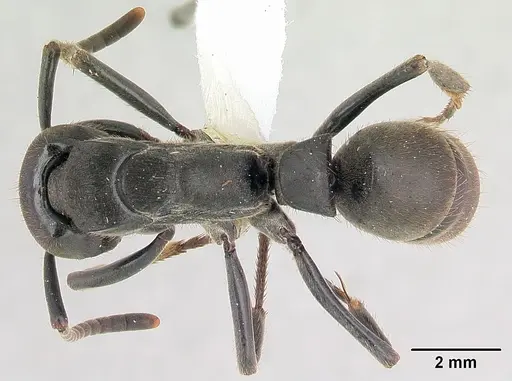
CASENT0178186
View on AntWeb
CASENT0249158
View on AntWeb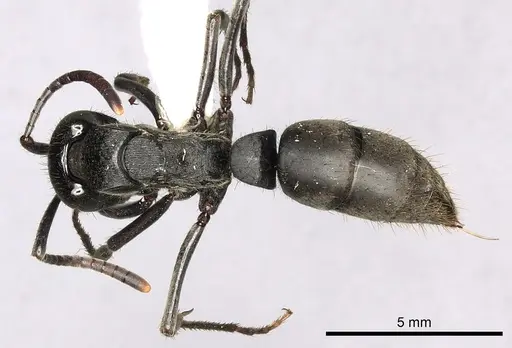
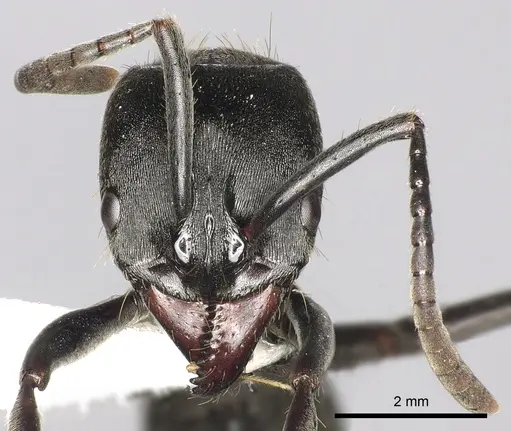
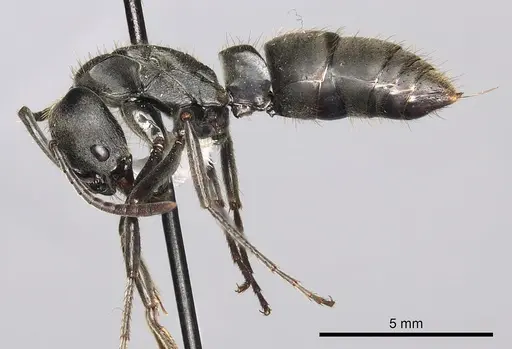
CASENT0901359
View on AntWeb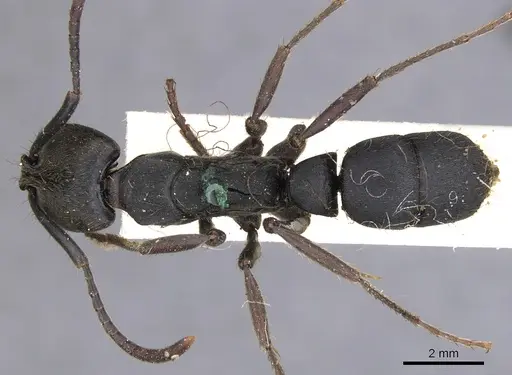
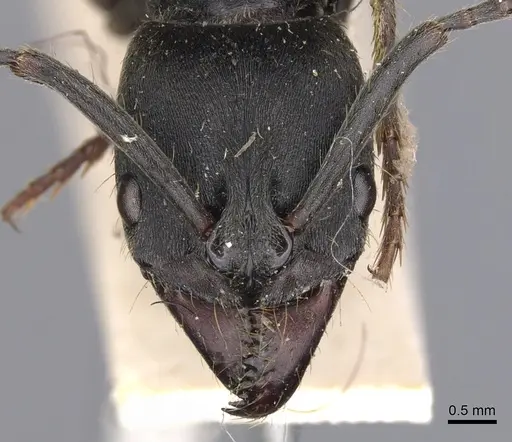
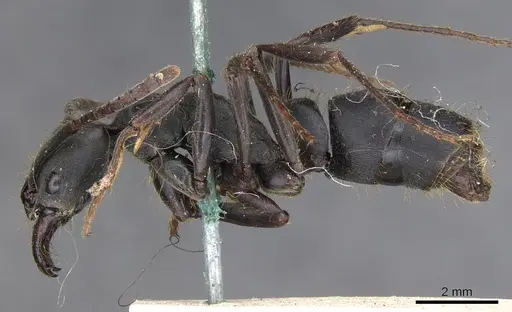
CASENT0902514
View on AntWeb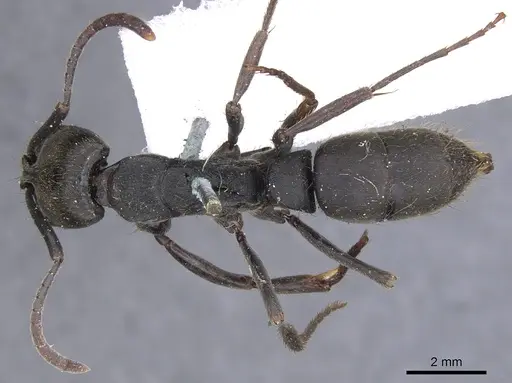
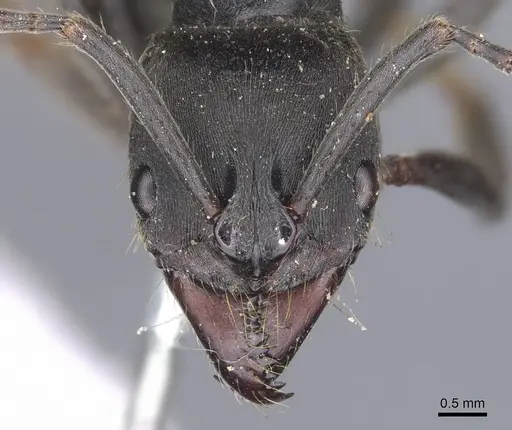
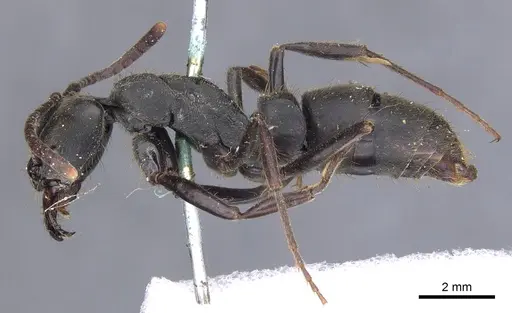
CASENT0915275
View on AntWeb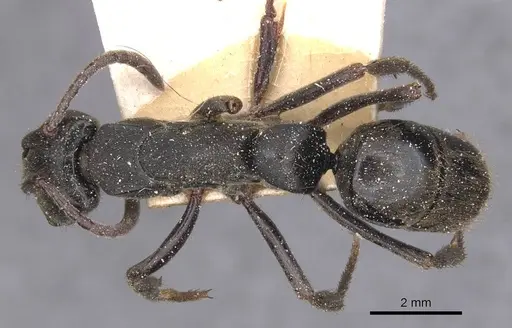
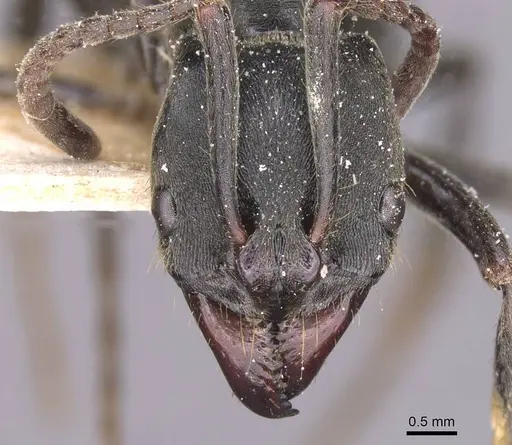
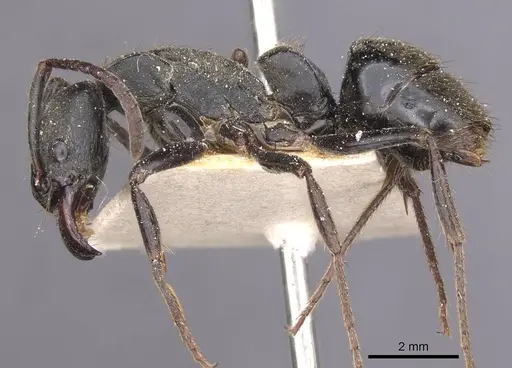
CASENT0923096
View on AntWeb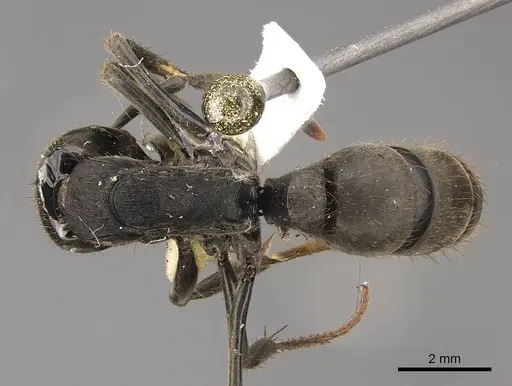
UFV-LABECOL-000291
View on AntWeb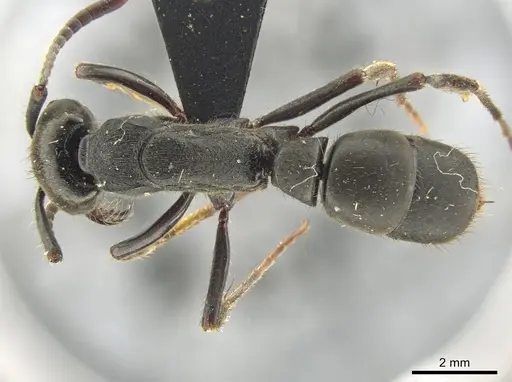
UFV-LABECOL-001933
View on AntWeb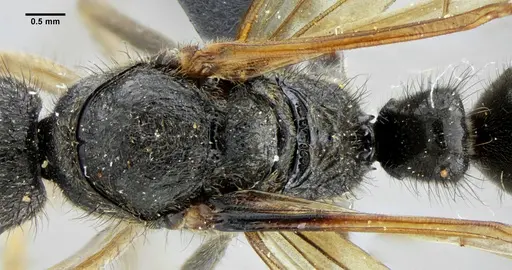
Literature
Loading...Loading products...