
Ectatomma tuberculatum exhibits a clear seasonal activity window. Peak activity is concentrated in April, with the overall period spanning January to November. This extended season suggests multiple flight events or varying conditions across its range.
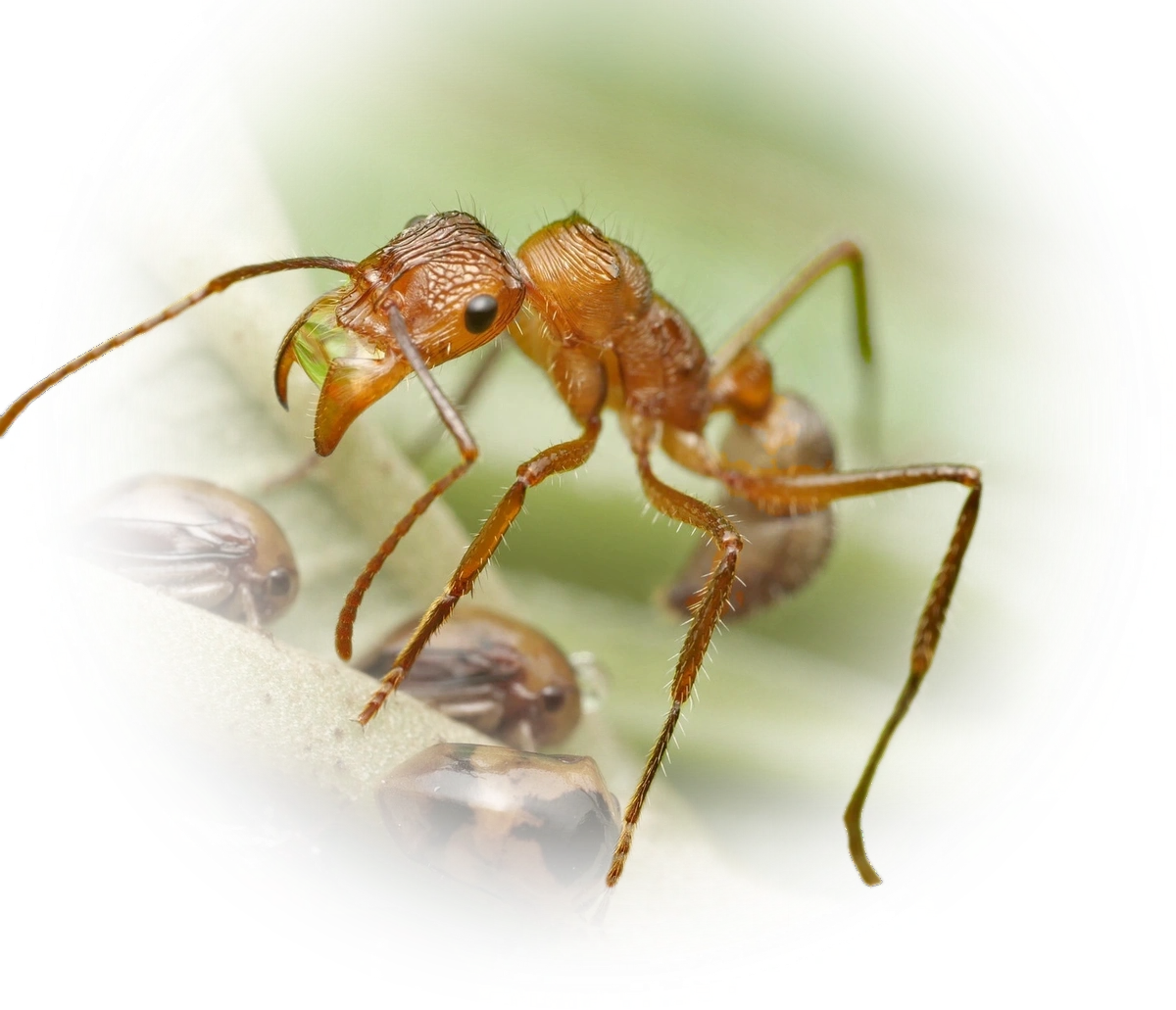
Ectatomma tuberculatum
- Scientific Name
- Ectatomma tuberculatum
- Tribe
- Ectatommini
- Subfamily
- Ectatomminae
- Author
- Olivier, 1792
- Common Name
- Ant
- Distribution
- Found in 14 countries
- Nuptial Flight
- from January to November, peaking in April
AI Identifiable
try →
Ectatomma tuberculatum Overview
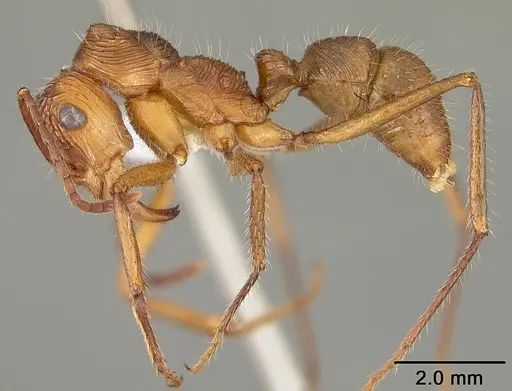
Ectatomma tuberculatum (commonly known as the Ant) is an ant species of the genus Ectatomma. It is primarily documented in 14 countries , including Bolivia, Plurinational State of, Brazil. Detailed taxonomic data and occurrence records can be further explored via authoritative databases such as AntWeb or the Global Biodiversity Information Facility (GBIF).
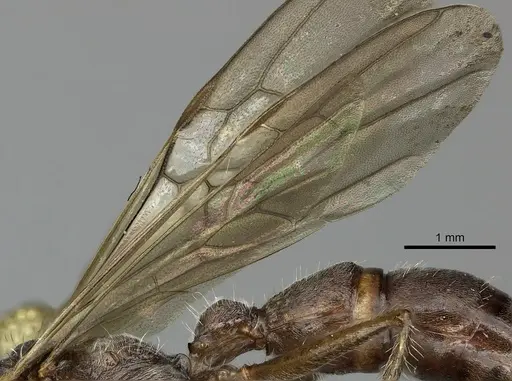
The nuptial flight of Ectatomma tuberculatum is a significant biological event, typically occurring from January to November, peaking in April. During this time, winged queens and males leave the nest to mate and establish new colonies.
Ectatomma tuberculatum - "Ant"
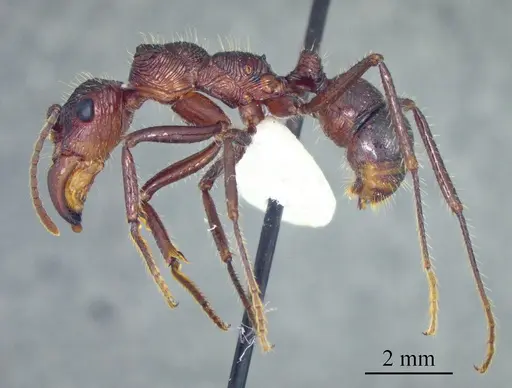
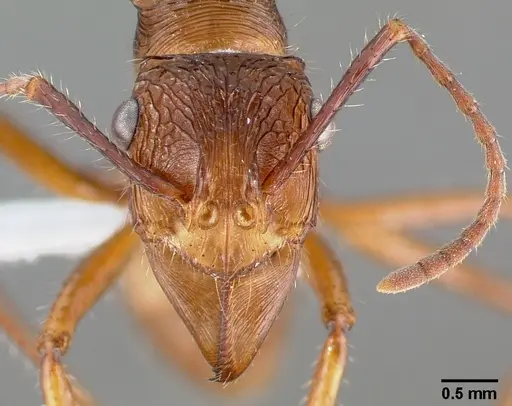
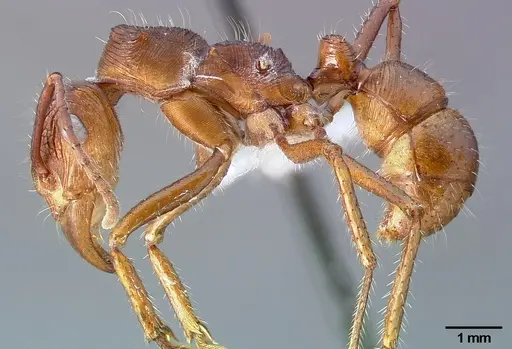
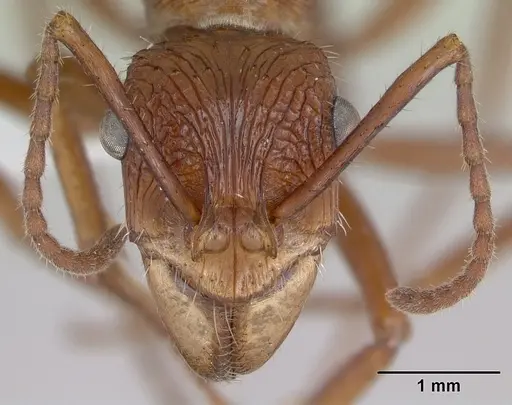
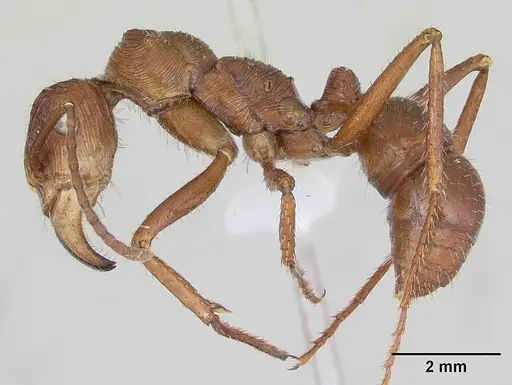
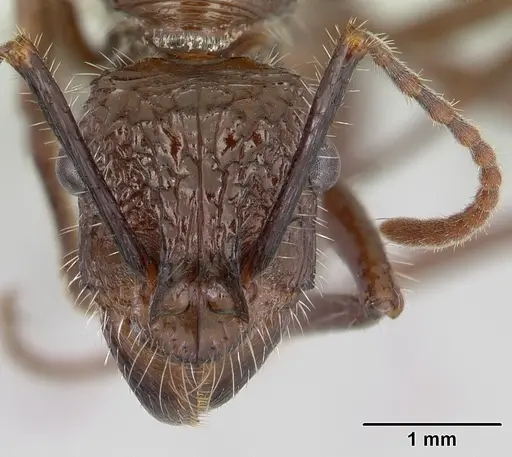
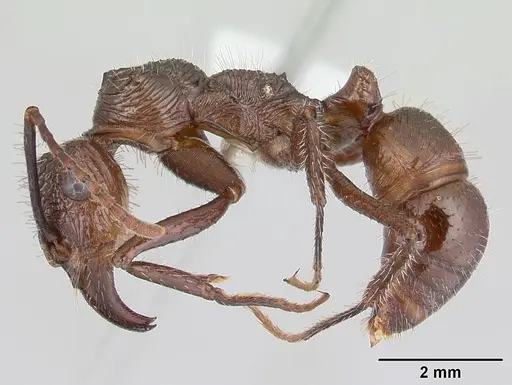
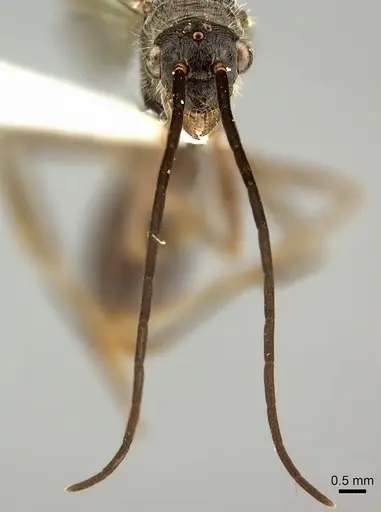
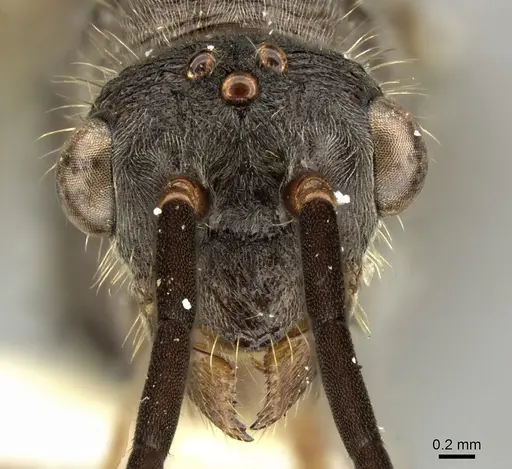
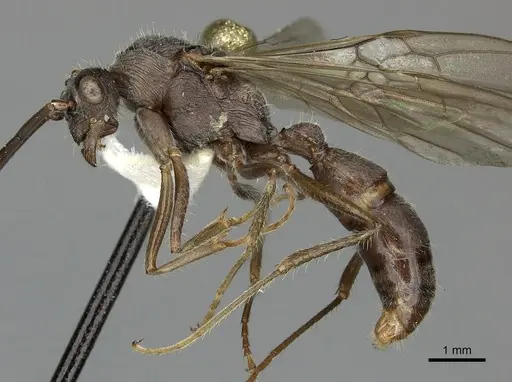
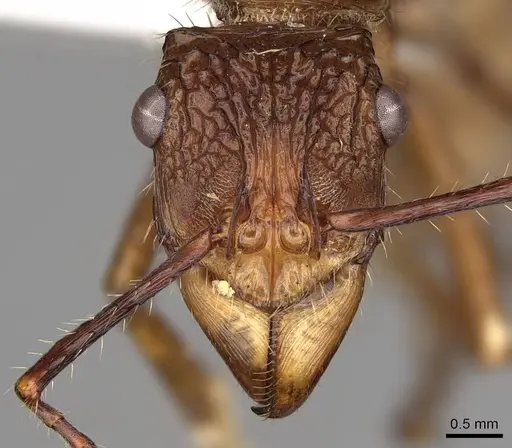
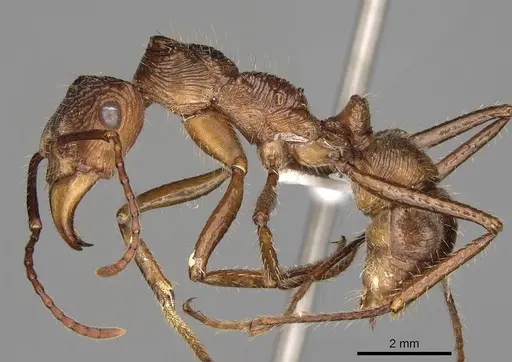
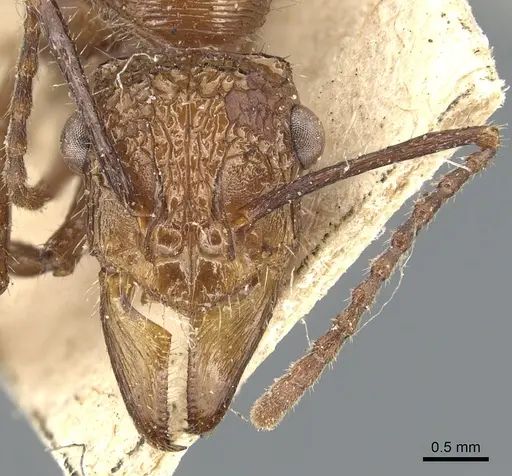
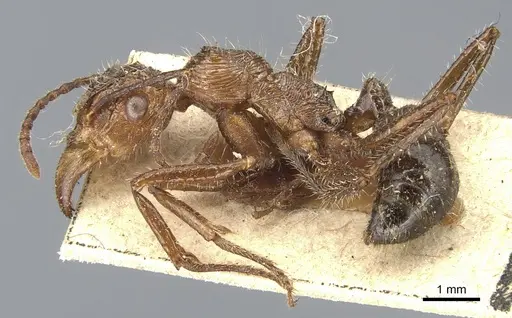
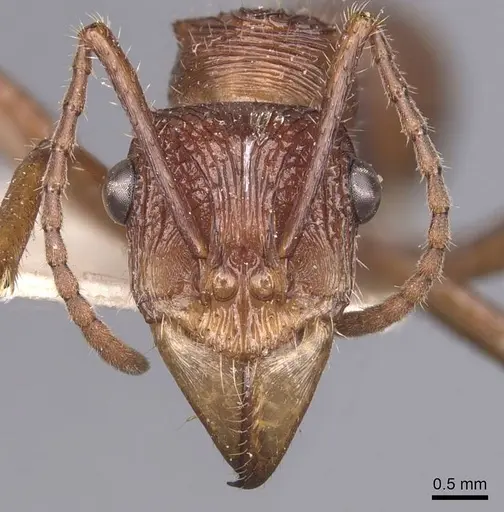
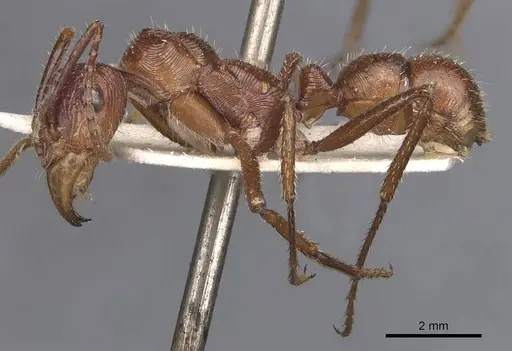
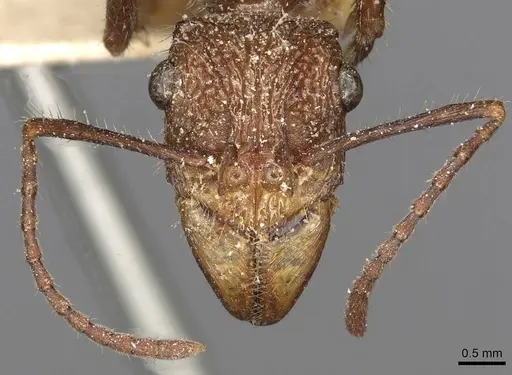
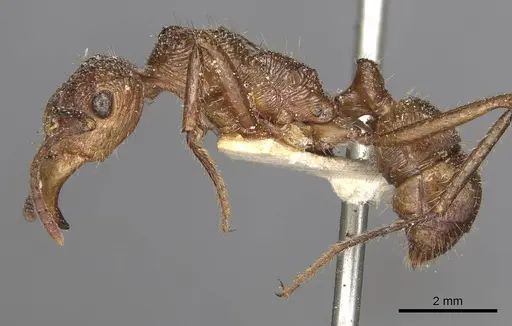
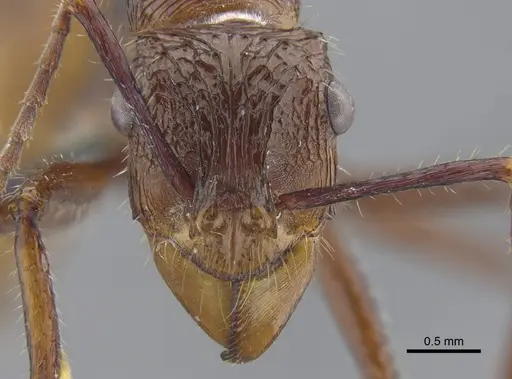
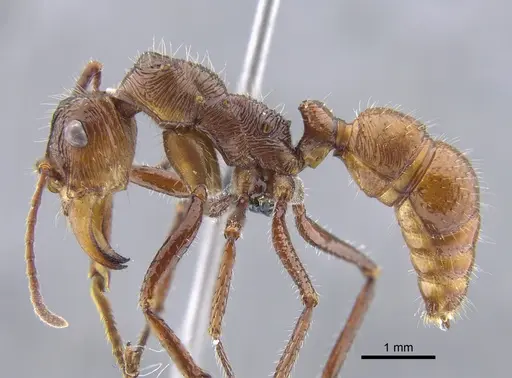
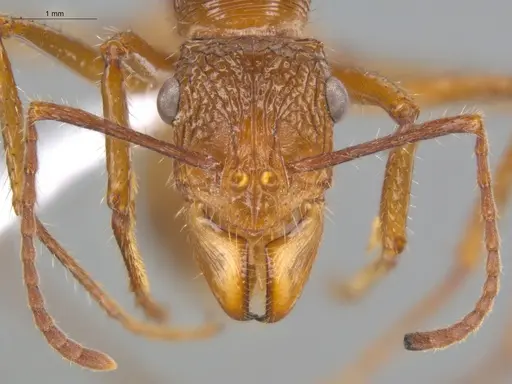
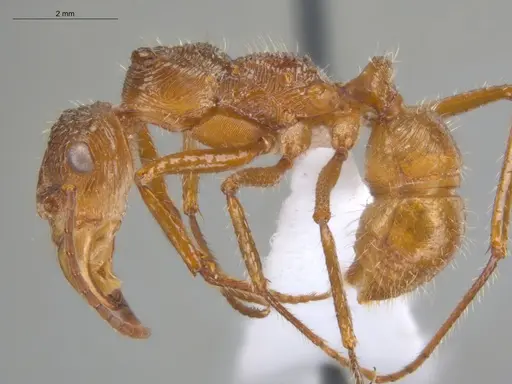
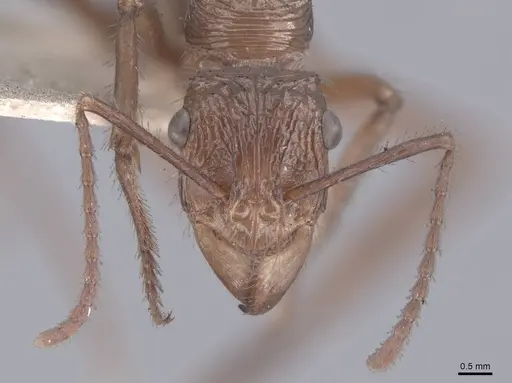
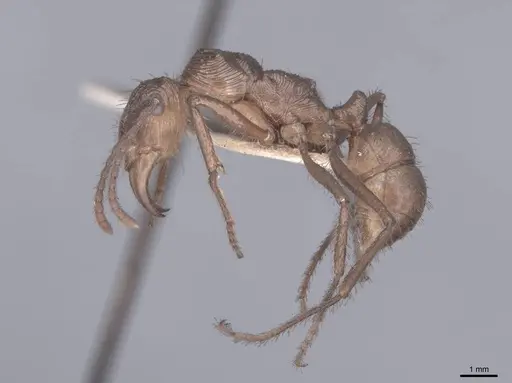
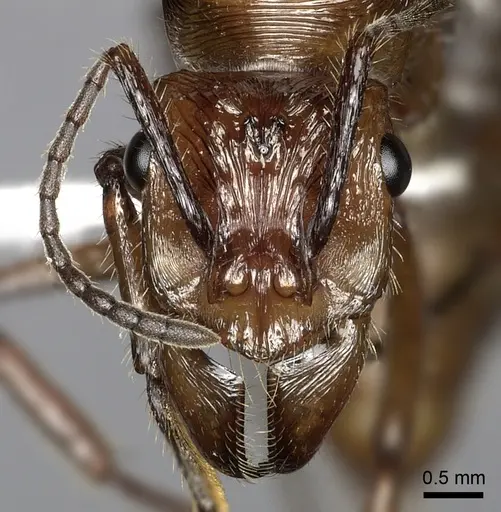
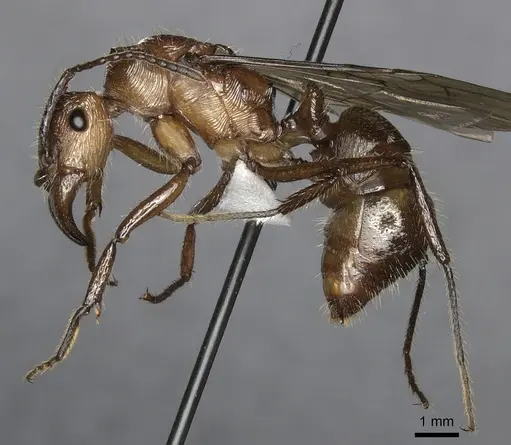
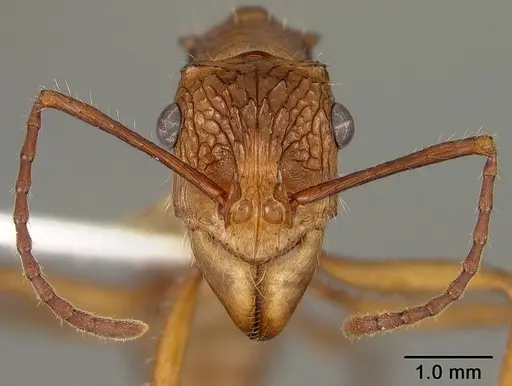
Ectatomma tuberculatum is a large predatory ant native to the Neotropical region, ranging from southern Mexico to Argentina. Workers measure around 8-11mm with a robust, dark reddish-brown body and distinctive pronotal tubercles. This species is known for its aggressive temperament and painful sting, earning names like 'hormiga tigre' (tiger ant) in Honduras. Colonies nest at the base of trees, constructing a characteristic chimney-like entrance made of soil and plant material that can extend up to 1 meter up the trunk. Unlike many ponerine ants, E. tuberculatum forages extensively in vegetation and is a common visitor of extrafloral nectaries, where it both defends plants from herbivores and sometimes attacks pollinators. The species shows remarkable social flexibility, with colonies capable of functioning with either a single queen or multiple reproductive queens. [1][2][3]
Quick Summary
- Difficulty: Medium
- Origin & Habitat: Neotropical region from southern Mexico to Argentina, found in Brazil, Colombia, Costa Rica, Guatemala, Panama, and many other Central and South American countries. Inhabits tropical rainforests, seasonally dry forests, cerrado savanna, and cacao plantations. Nests at the base of trees in humid forests and savanna edges. [1][4][5]
- Colony Type: Facultatively polygynous, colonies can have either a single queen (monogyne) or multiple queens (polygyny, typically 2-26 queens). Brazilian populations show 43.8% polygynous colonies while Mexican populations are mostly monogyne. Queens can be either normal-sized (macrogynes) or tiny parasitic microgynes (Ectatomma parasiticum). Colony reproduction occurs through budding or colony fission. [1][6]
- Colony: Optionally polygyne
- Founding: Semi-claustral
- Size & Growth:
- Queen: Approximately 5.40mm mesosoma length (WL) [7]
- Worker: 8-11mm [2][8]
- Colony: Typically 50-400 workers, can reach up to 1200 workers in mature colonies [9][3]
- Growth: Moderate, colonies reach moderate sizes over time
- Development: Unconfirmed, no direct development data available for this species (Based on related Ectatomma species and ponerine ant patterns, development likely takes 2-4 months at tropical temperatures. Nanitic workers are smaller and less efficient at capturing prey than normal workers.)
- Antkeeping:
- Temperature: Keep at 24-28°C. As a tropical species, they require warm conditions. Room temperature within this range is suitable, or use a heating cable on one side of the nest to create a gradient.
- Humidity: High humidity preferred, maintain moist substrate in nest chambers. These ants nest in humid forest environments and the soil should not dry out completely. Provide a water tube as a primary moisture source.
- Diapause: No, as a tropical species, they do not require hibernation. Maintain consistent warm temperatures year-round.
- Nesting: Ground-nesting at base of trees. In captivity, use a naturalistic setup with a deep soil layer or a formicarium with soil chambers. The nest should allow for vertical tunnels reaching 1-1.5m depth in the wild, so provide adequate depth. A Y-tong or plaster nest with soil chambers works well. The outworld should have climbing structures (branches, plants) to accommodate their arboreal foraging behavior. [6][10]
- Behavior: Highly aggressive and territorial. Workers will actively defend the nest and attack intruders, including pollinators. They have a painful sting (rating 1.5 on the Schmidt scale) and will feign death when alarmed. Forages individually during the day with peak activity at night, especially during dry season. Uses a 'sit-and-wait' ambush hunting strategy on vegetation, waiting at extrafloral nectaries and flowers for prey. Individual foragers do not use chemical trails. Shows low intercolonial aggression in some populations, allowing workers from different nests to share foraging areas. [3][2][11][10]
- Common Issues: colonies can be aggressive toward keepers, use caution when opening nests as workers will attack and sting, escape prevention is important, workers are large and strong, but can climb glass and smooth surfaces, tropical temperature requirements mean they cannot tolerate cool temperatures, wild-caught colonies may harbor parasites including eucharitid wasps and mermithid nematodes that can kill the colony, they may attack and kill pollinators in captive plant setups, reducing plant reproduction success, facultatively polygynous colonies may have queen adoption behavior, introducing new queens is possible but monitor for aggression
Queen Ant Activity Analysis 324 observations
Queen Activity by Hour 324 observations
Ectatomma tuberculatum queen activity peaks around 11:00 during the late morning to early afternoon. Activity is spread across a 14-hour window (08:00–21:00). A secondary activity peak occurs around 09:00. Times may be influenced by human observation patterns.
Housing and Nest Setup
Ectatomma tuberculatum requires a setup that accommodates both their ground-nesting behavior and arboreal foraging tendencies. Use a terrarium or formicarium with a deep soil layer (at least 10-15cm) to allow for natural tunnel construction. The nest chamber should be positioned at the base of the setup, simulating their natural nesting at tree bases. Provide climbing structures in the outworld such as branches, cork bark, or live plants, these ants spend significant time foraging in vegetation. A Y-tong nest with soil chambers or a plaster/acrylic nest with deep chambers works well. Always include a water tube for humidity. Escape prevention should be excellent, these large ants can grip surfaces well and will escape through small gaps. Apply fluon or use a barrier tape on the rim of the enclosure. [6][10]
Feeding and Diet
Ectatomma tuberculatum is a generalist predator with a varied diet. Workers actively hunt small invertebrates including ants, wasps, bee pupae, butterfly larvae, termites, small snails, and centipedes. They also visit extrafloral nectaries on plants and collect honeydew from membracids and aphids. In captivity, offer a protein-rich diet including live insects (fruit flies, small crickets, mealworms, waxworms), frozen insects, and occasionally small pieces of raw meat or fish. They will also accept sugar water or honey as an energy source. Feed protein prey 2-3 times per week, and keep a constant supply of sugar water. Their hunting strategy involves ambush behavior, they wait motionless at locations with potential prey rather than actively searching. This means placing prey near their foraging paths is more effective than releasing it in open spaces. [12][13][2]
Temperature and Humidity
As a tropical species, E. tuberculatum requires warm temperatures between 24-28°C. They are active year-round without any diapause requirement. Maintain the nest area at the warmer end of this range, with the outworld slightly cooler. Use a heating cable placed on top of the nest (never under it, as this causes excessive drying) to create a gentle temperature gradient. High humidity is essential, these ants naturally live in humid forest environments. Keep the nest substrate consistently moist but not waterlogged. A water tube should provide constant humidity, and you may lightly mist the outworld occasionally. The characteristic chimney nests in the wild help maintain humidity in the nest chambers. Avoid both stagnant air (causes mold) and excessive airflow (causes drying).
Behavior and Temperament
This species is known for its aggressive behavior and strong defensive responses. Workers will readily sting when threatened, and the sting is painful (rated 1.5 on the Schmidt pain scale). When disturbed or alarmed, workers may feign death by remaining motionless. They are highly territorial and will defend their nest vigorously against intruders. Foraging occurs individually during daylight hours with peak activity at night, especially during dry seasons. Workers use a distinctive 'sit-and-wait' hunting strategy, positioning themselves at extrafloral nectaries and flowers to ambush prey. They do not use chemical recruitment trails like some ant species, each forager operates independently. Despite their aggressive nature, they show remarkably low intercolonial aggression in some populations, with workers from different colonies sharing foraging areas without conflict. This allows for polydomous colony structures where multiple nests are connected. [3][2][11][10]
Colony Structure and Reproduction
Ectatomma tuberculatum exhibits remarkable flexibility in colony structure. Colonies can be either monogynous (single queen) or polygynous (multiple queens), with the proportion varying by population, Brazilian populations show about 44% polygynous colonies while Mexican populations are mostly monogynous. Polygynous colonies typically contain 2-26 reproductive queens, all of which can lay eggs with no apparent dominance hierarchy. Queens in polygynous colonies show no agonistic behavior toward each other and share reproduction equally. Colony reproduction occurs through budding, where queens and workers leave to establish new colonies, rather than through nuptial flights alone. Inseminated alate queens have been found, suggesting mating may occur near the nest entrance rather than during flight. The species also hosts the social parasite Ectatomma parasiticum (tiny microgynes) in some Mexican populations. [1][6]
Defense and Sting
Workers possess a functional stinger and are capable of delivering a painful sting rated 1.5 on the Schmidt scale. The venom contains ectatomin, a potent neurotoxic peptide that acts on calcium channels and forms pores in cell membranes. This makes the sting medically significant, while not lethal to healthy humans, it causes significant pain and swelling. When threatened, workers will raise their front legs and stand their ground rather than flee. They also feign death as a defensive strategy. Colonies effectively defend against army ant raids by grouping together at the nest entrance chimney. Their aggressive defense of extrafloral nectaries makes them effective plant protectors but can negatively impact pollination when they attack pollinators visiting flowers. Keepers should exercise caution when working with this species and use appropriate protective equipment when necessary. [11][6][10]
Frequently Asked Questions
How long does it take for Ectatomma tuberculatum to produce first workers?
The exact egg-to-worker development time is unconfirmed for this species. Based on related Ectatomma species and typical ponerine development, expect first workers (nanitics) within 2-4 months at optimal tropical temperatures (26-28°C). Nanitics will be smaller than normal workers and less efficient at hunting.
Can I keep multiple queens together in one colony?
Yes, this species is facultatively polygynous, colonies can have either a single queen or multiple queens (typically 2-26). In the wild, about 44% of Brazilian colonies are polygynous. Queens show no agonistic behavior toward each other and all can lay eggs. However, if you are combining unrelated foundress queens, introduce them carefully and monitor for aggression. [1][6]
Do Ectatomma tuberculatum ants sting?
Yes, they have a functional stinger and will sting when threatened. The sting is painful, rated 1.5 on the Schmidt pain scale. The venom contains ectatomin, a neurotoxic peptide. Keepers should exercise caution when opening nests or disturbing colonies. [11]
What do Ectatomma tuberculatum eat?
They are generalist predators that eat small invertebrates including ants, wasps, bee pupae, butterfly larvae, termites, snails, and centipedes. They also visit extrafloral nectaries and collect honeydew from aphids and membracids. In captivity, feed live insects (fruit flies, small crickets, mealworms), frozen insects, and occasionally sugar water or honey. [12][13]
Are Ectatomma tuberculatum good for beginners?
No, this species is not recommended for beginners. They require tropical temperatures, have painful stings, are aggressive, and need specific housing that accommodates their arboreal foraging behavior. They are better suited for experienced antkeepers who can provide proper care and handle their defensive behavior safely.
Do they need hibernation or diapause?
No, as a tropical species they do not require hibernation or diapause. Maintain consistent warm temperatures (24-28°C) year-round. They are active throughout the year in their native tropical habitats.
How big do colonies get?
Colonies typically reach 50-400 workers, with mature colonies potentially reaching up to 1200 workers. Polygynous colonies tend to have more workers than monogynous ones. Colony growth is moderate, expect several months to reach significant numbers. [9][3]
Why are my ants dying?
Common causes include: temperatures below 24°C (tropical species, cannot tolerate cool conditions), low humidity causing desiccation, improper feeding (they need live prey), or parasites (eucharitid wasps and mermithid nematodes are common in wild colonies). Also ensure escape prevention is adequate, these large ants are strong climbers.
When should I move them to a formicarium?
Move to a larger setup when the colony reaches 30-50 workers or when the test tube setup becomes cramped. They need vertical space for their characteristic chimney-like nest structure and climbing opportunities in the outworld for arboreal foraging. A naturalistic terrarium with soil depth works best. [6]
References

This caresheet is licensed under CC BY-SA 4.0 .
ANTWEB1008524
View on AntWeb
ANTWEB1041428
View on AntWeb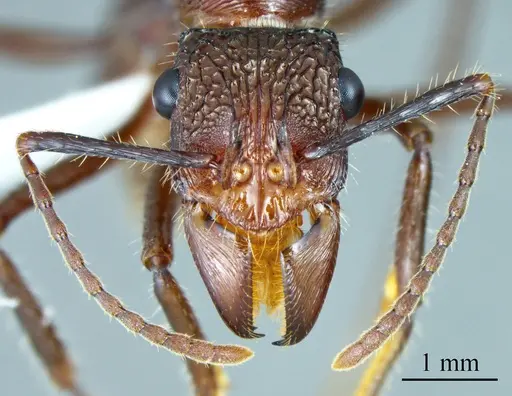
CASENT0006085
View on AntWeb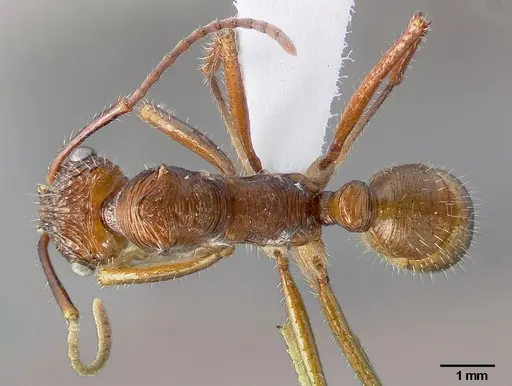
CASENT0173380
View on AntWeb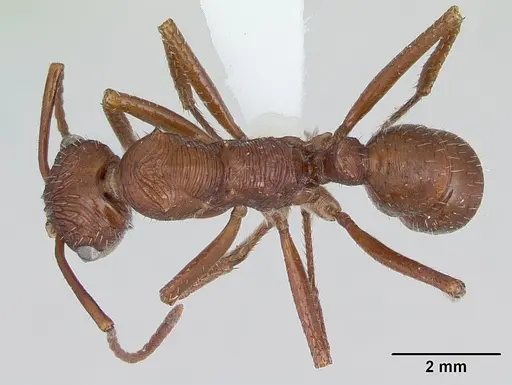
CASENT0178661
View on AntWeb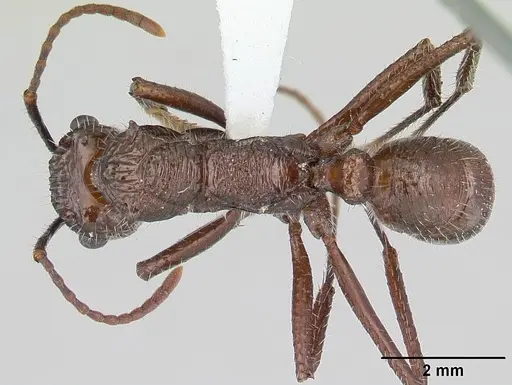
CASENT0249601
View on AntWeb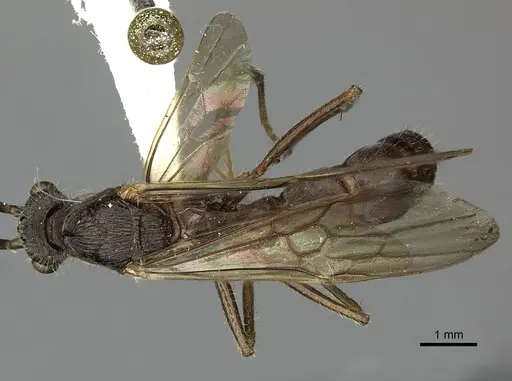
CASENT0281510
View on AntWeb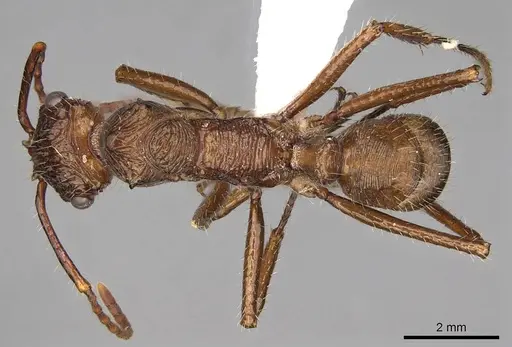
CASENT0903840
View on AntWeb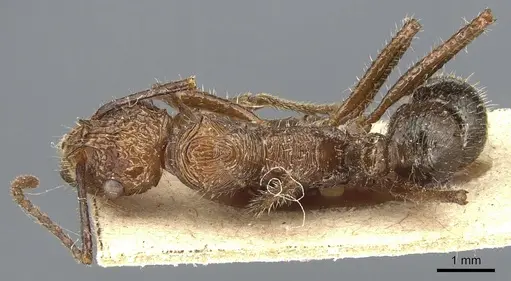
CASENT0907185
View on AntWeb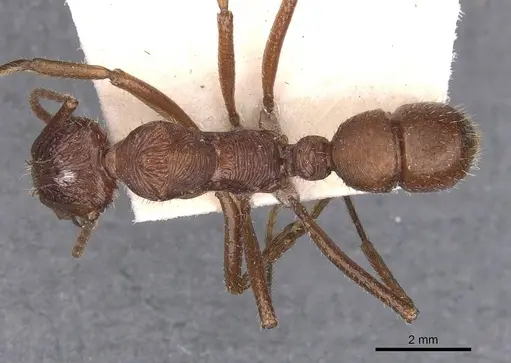
CASENT0915108
View on AntWeb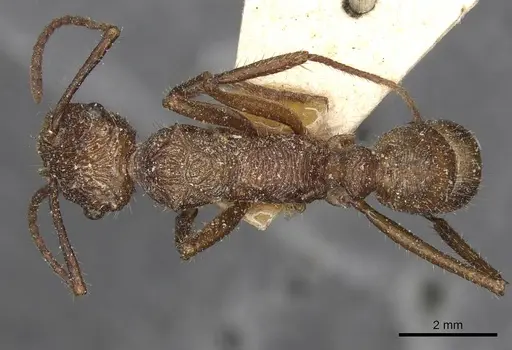
CBUMAGENT41743
View on AntWeb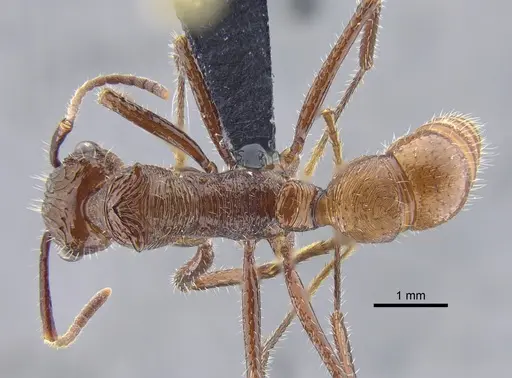
ECOFOG-TR13-0006-04
View on AntWeb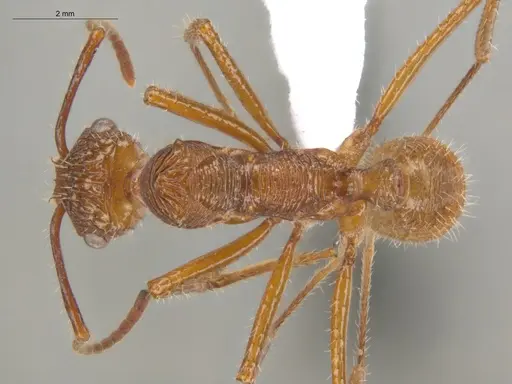
FMNHINS0000045645
View on AntWeb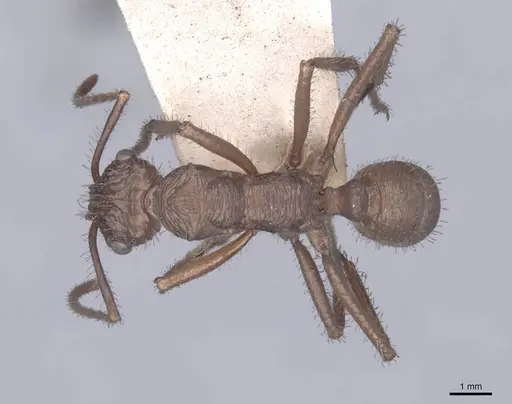
JTLC000006505
View on AntWeb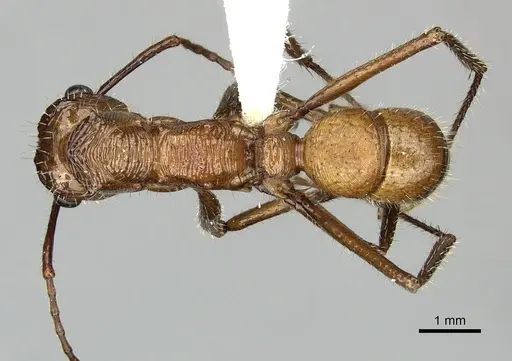
JTLC000014186
View on AntWeb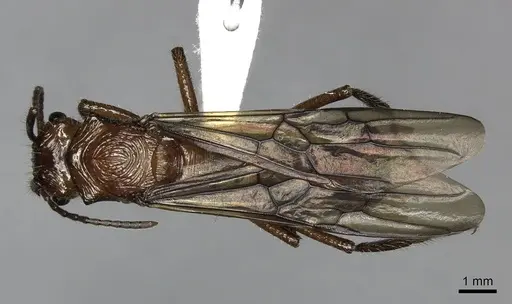
USNMENT00412867
View on AntWeb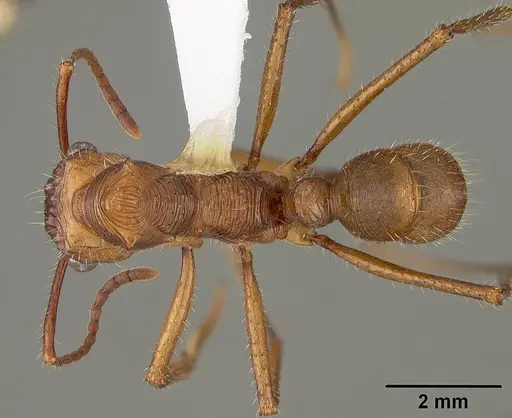
Literature
Loading...Loading products...