

Ectatomma gibbum
- Scientific Name
- Ectatomma gibbum
- Tribe
- Ectatommini
- Subfamily
- Ectatomminae
- Author
- Kugler & Brown, 1982
- Distribution
- Found in 6 countries
Ectatomma gibbum Overview
Ectatomma gibbum is an ant species of the genus Ectatomma. It is primarily documented in 6 countries , including Colombia, Costa Rica, Honduras. Detailed taxonomic data and occurrence records can be further explored via authoritative databases such as AntWeb or the Global Biodiversity Information Facility (GBIF).
Ectatomma gibbum
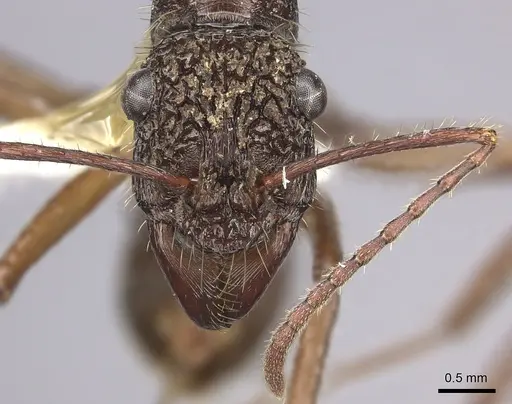
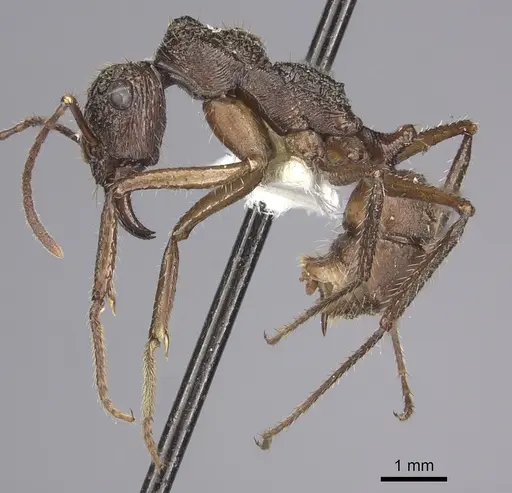
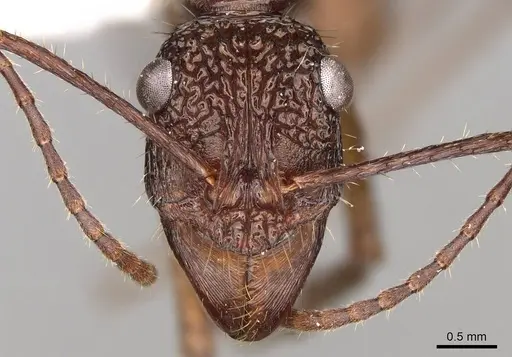
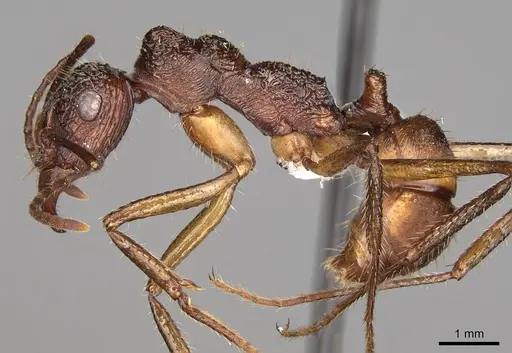
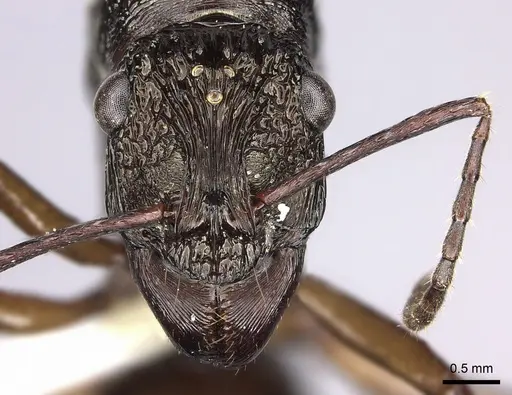
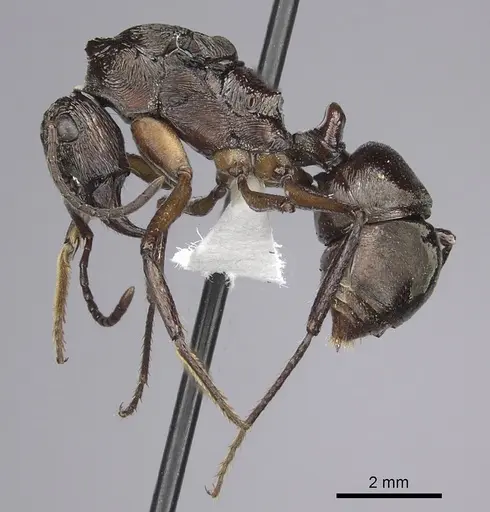
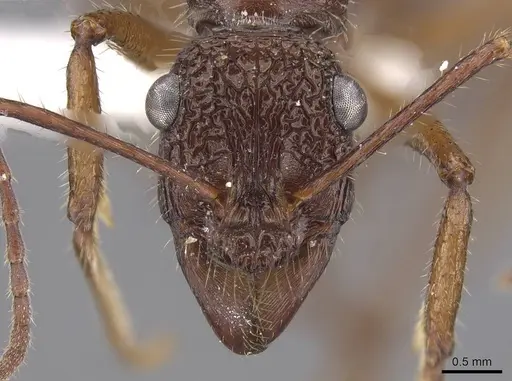
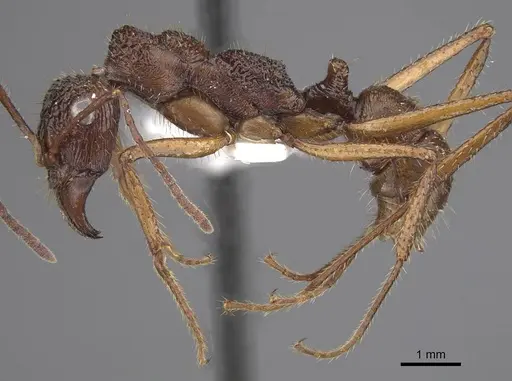
Ectatomma gibbum is a medium-sized ant belonging to the subfamily Ectatomminae. Workers are robust ants with distinctive morphological features including an elevated and rounded pronotal hump, reduced lateral tubercles, and a strongly rounded head that arches from eye to eye [1][2]. The species is native to Central America and neighboring northern South America, found in Honduras, Costa Rica, Nicaragua, and Colombia [3][4]. This ant is closely related to Ectatomma ruidum and was historically confused with that species due to their very similar morphology [3][1]. In Colombia, they inhabit lowland areas between 6-900 meters elevation, typically nesting in forest soil [1][2]. As a Poneromorph ant, they are predatory by nature and possess a functional stinger, making them more advanced than basic ant keeping species.
Quick Summary
- Difficulty: Medium
- Origin & Habitat: Central America (Honduras, Costa Rica, Nicaragua) and northern South America (Colombia). Found in lowland tropical forests at elevations of 6-900 meters. Assumed to nest in forest soil [1][2].
- Colony Type: Likely monogyne (single queen) based on typical Ectatomma patterns, though colony structure has not been directly studied. Poneromorph ants often have more primitive colony structures with ergatoid (wingless) replacement queens possible.
- Colony: Monogyne
- Founding: Semi-claustral
- Size & Growth:
- Queen: Estimated 10-12mm based on genus Ectatomma typical sizes
- Worker: Estimated 6-8mm based on genus Ectatomma typical sizes
- Colony: Likely moderate colonies of several hundred workers based on related Ectatomma species
- Growth: Moderate, typical for tropical Poneromorph ants
- Development: Estimated 6-8 weeks at optimal tropical temperatures based on related Ectatomma species (Development time is estimated from genus-level data since species-specific studies are unavailable. Tropical Poneromorphs typically develop faster than temperate species.)
- Antkeeping:
- Temperature: Keep at 24-28°C. As a tropical Central American species, they need warm conditions. A heating cable on one side of the nest can create a temperature gradient [3].
- Humidity: Keep substrate consistently moist but not waterlogged. Tropical forest soil dwellers need high humidity around 70-80%. Provide a water tube for drinking water.
- Diapause: No, this is a tropical species that does not require hibernation. Maintain warm temperatures year-round.
- Nesting: Natural nesting is in forest soil. In captivity, a naturalistic setup with moist substrate (like a dirt farm formicarium) works well. They prefer dark, humid nest chambers. Y-tong or acrylic nests with moisture reservoirs are also suitable.
- Behavior: As Poneromorph ants, they are predatory and will hunt small invertebrates. They have a functional stinger and can deliver a painful sting if provoked. Workers are active foragers that search for prey. They are not aggressive toward humans but will defend the nest. Escape prevention is important, use standard barrier methods. They are medium-sized ants so standard mesh barriers work well.
- Common Issues: tropical species requires year-round warmth, cold temperatures can suppress activity and slow development, predatory diet means you need a constant supply of live prey like mealworms, crickets, or fruit flies, high humidity requirements can lead to mold if ventilation is poor, limited availability in the antkeeping hobby due to rare collection, wild-caught colonies may have parasites that can be difficult to treat
Housing and Nest Setup
Ectatomma gibbum naturally nests in forest soil in tropical Central America. For captivity, a naturalistic setup with moist substrate works best, think dirt farm formicarium or a acrylic nest with a soil chamber. They prefer dark, humid conditions and will nest in the moist areas of their enclosure. Provide a water tube or small water dish since they need drinking water. Outworld space should include substrate for foraging and hunting. Because they are medium-sized ants, standard escape prevention with fluon on container edges works well. Avoid dry conditions, these tropical ants quickly decline in arid setups. [1][2]
Feeding and Diet
As predatory Poneromorph ants, they need a protein-rich diet. Offer live prey such as small crickets, mealworms, fruit flies, and other small insects. They are active hunters that will chase down moving prey. Some keepers report that they also accept sugar water or honey as an energy source, though protein should be the primary food. Feed prey 2-3 times per week, adjusting based on colony size and consumption. Remove uneaten prey after 24 hours to prevent mold. A varied diet helps ensure healthy colonies.
Temperature and Humidity
These are tropical ants requiring warm, humid conditions. Maintain temperatures between 24-28°C year-round, they do not tolerate cold well. A heating cable placed on one end of the nest creates a temperature gradient allowing ants to self-regulate. Humidity should be high, around 70-80%, mimicking their natural forest floor habitat. Keep the substrate consistently moist but not waterlogged. A water tube attached to the nest provides drinking water and helps maintain humidity through evaporation. Never let the nest dry out. [3]
Behavior and Temperament
Ectatomma gibbum is a predatory ant with a functional stinger. Workers are active foragers that hunt individually rather than recruiting large groups to food sources. They are not typically aggressive toward keepers but will sting if threatened or if the nest is disturbed. The sting is reported as painful for their size, similar to other Poneromorph ants. Workers are medium-sized and can be handled with care, though tongs are recommended for any ant with a stinger. They are diurnal and most active during daylight hours.
Colony Development
Colony growth is moderate, typical for tropical Poneromorph ants. The queen lays eggs which develop through larval and pupal stages before emerging as workers. Based on related Ectatomma species, expect 6-8 weeks from egg to first worker at optimal temperatures. Colonies likely reach several hundred workers over time. Unlike some advanced ant species, they do not form supercolonies and typically maintain a single queen. The founding period is likely semi-claustral, meaning the queen must leave the nest to hunt for food during the early colony stages.
Frequently Asked Questions
How long does it take for Ectatomma gibbum to produce first workers?
Based on related Ectatomma species, expect 6-8 weeks from egg to first worker at optimal temperatures of 24-28°C. This is typical for tropical Poneromorph ants.
Do Ectatomma gibbum ants sting?
Yes, they have a functional stinger and can deliver a painful sting if threatened. While not aggressive, they will defend their nest. Handle with care and use tongs if needed.
What do Ectatomma gibbum ants eat?
They are predatory ants that need live protein. Feed small live insects like crickets, mealworms, and fruit flies. Some colonies accept sugar water or honey as a supplemental energy source.
Can I keep Ectatomma gibbum in a test tube?
A test tube can work for founding colonies, but they prefer naturalistic setups with moist soil substrate. If using test tubes, ensure high humidity and consider moving to a dirt formicarium once the colony grows.
Do Ectatomma gibbum need hibernation?
No, they are tropical ants that do not require hibernation. Keep them warm year-round at 24-28°C. Cold temperatures can suppress activity and harm the colony.
How big do Ectatomma gibbum colonies get?
Based on related species, colonies likely reach several hundred workers. They are not among the largest ant species but maintain moderate-sized colonies.
Are Ectatomma gibbum good for beginners?
They are rated as medium difficulty. While not as challenging as some exotic species, they do require specific conditions (warmth, humidity, live prey) that make them better suited for keepers with some experience.
Can I keep multiple Ectatomma gibbum queens together?
This has not been studied for E. gibbum specifically. Based on typical Ectatomma patterns, they likely form single-queen colonies. Combining unrelated queens is not recommended without documented success.
What temperature is best for Ectatomma gibbum?
Keep them at 24-28°C. A heating cable on one side of the nest creates a gradient. They are tropical and need consistent warmth, avoid temperatures below 22°C.
Why is my Ectatomma gibbum colony declining?
Common causes include: temperatures too cold, low humidity drying out the nest, lack of live prey, or mold from poor ventilation. Check all husbandry parameters and ensure fresh prey is available.
References

This caresheet is licensed under CC BY-SA 4.0 .
CASENT0249600
View on AntWeb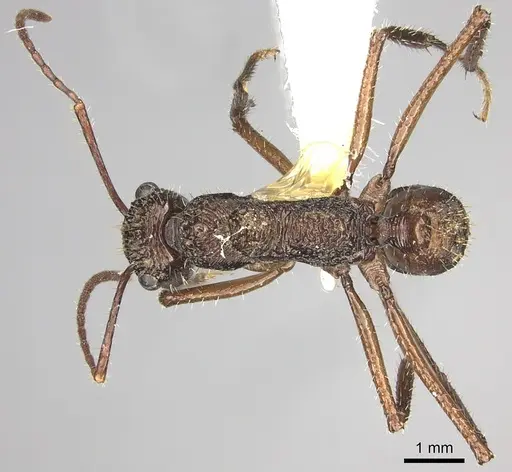
CASENT0281503
View on AntWeb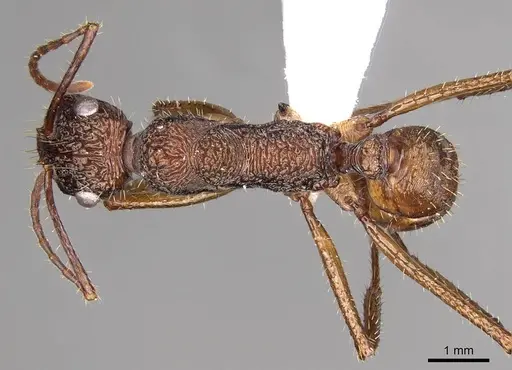
CASENT0612173
View on AntWeb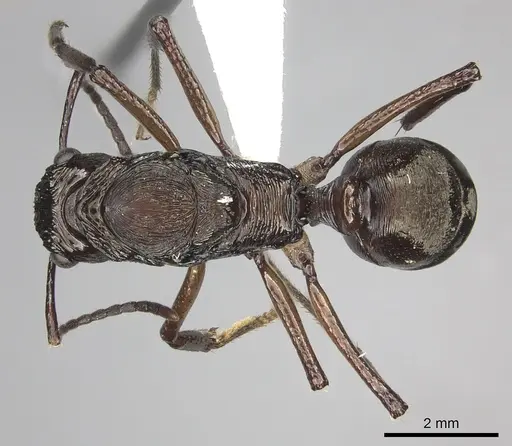
CASENT0915348
View on AntWeb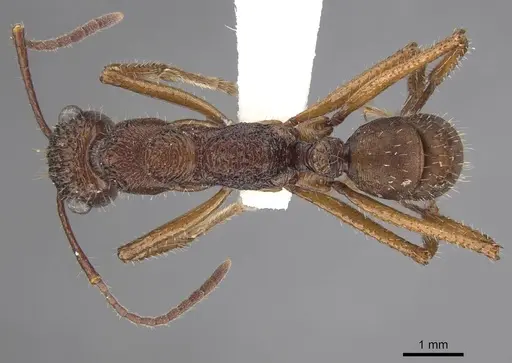
Literature
Loading...Loading products...