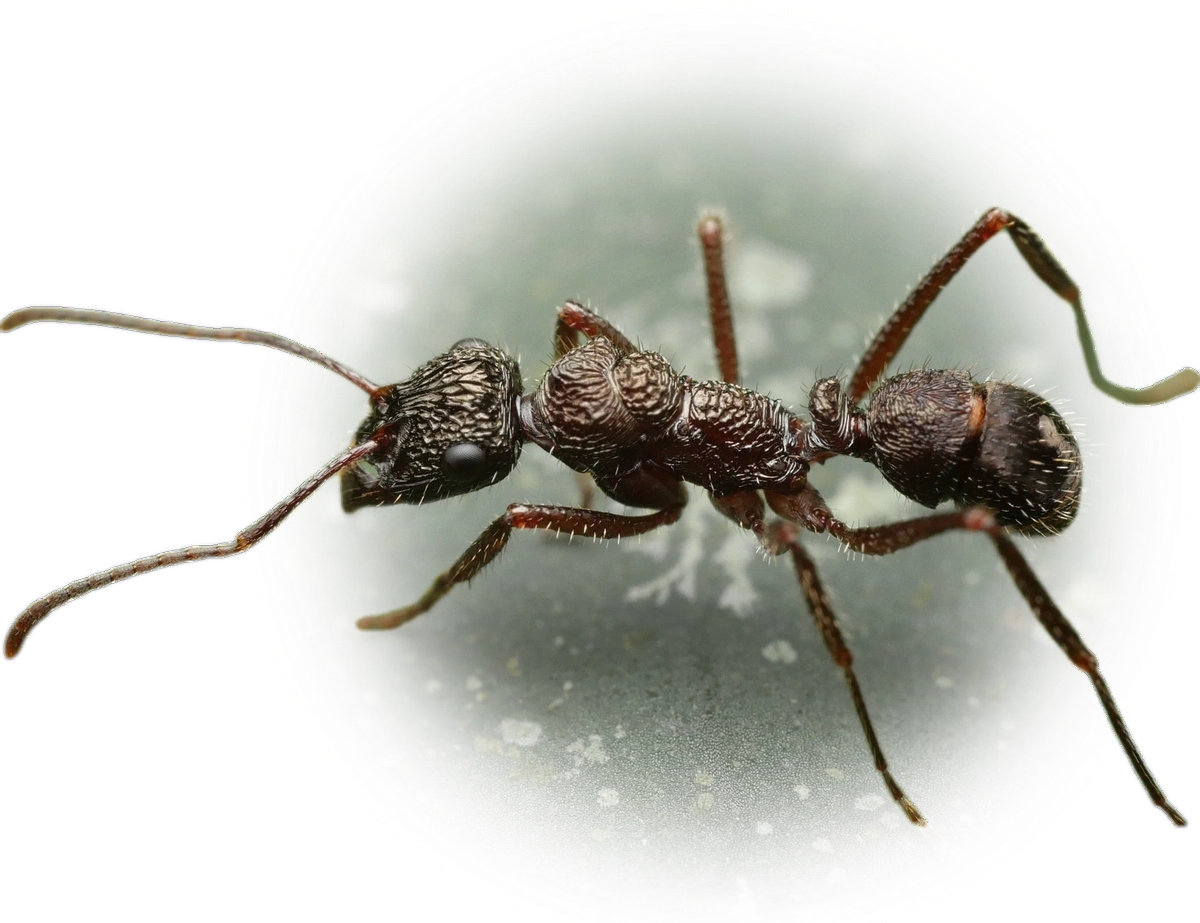

Ectatomma ruidum
- Scientific Name
- Ectatomma ruidum
- Tribe
- Ectatommini
- Subfamily
- Ectatomminae
- Author
- Roger, 1860
- Distribution
- Found in 6 countries
Ectatomma ruidum Overview
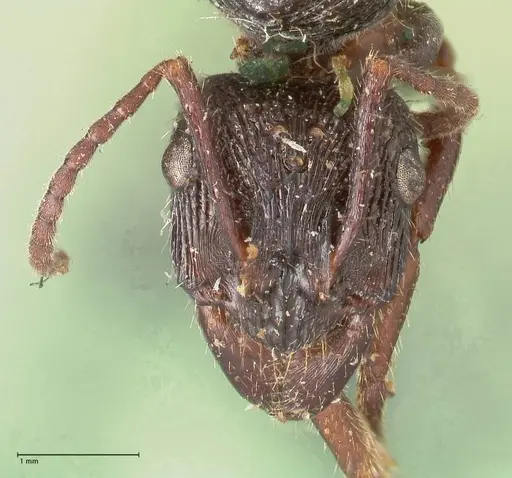
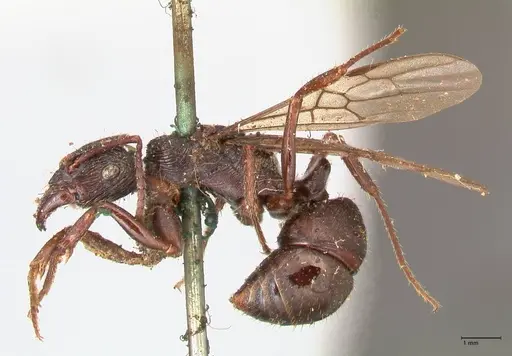
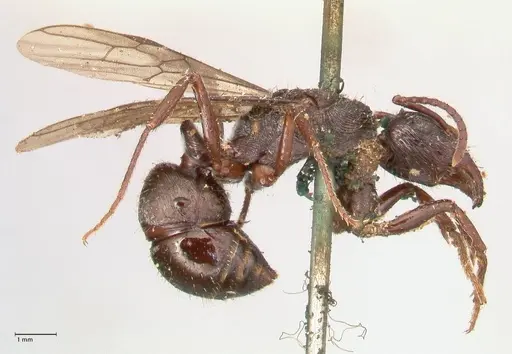
Ectatomma ruidum is an ant species of the genus Ectatomma. It is primarily documented in 6 countries , including Colombia, Costa Rica, Ecuador. Detailed taxonomic data and occurrence records can be further explored via authoritative databases such as AntWeb or the Global Biodiversity Information Facility (GBIF).
Ectatomma ruidum
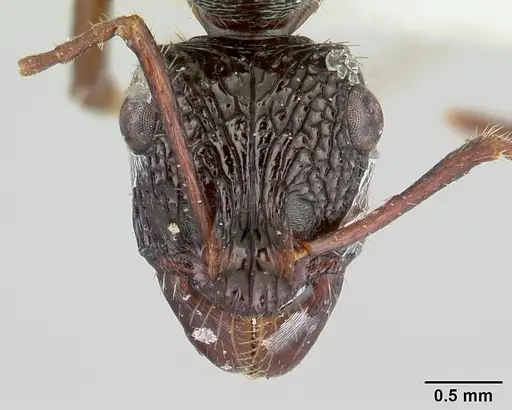
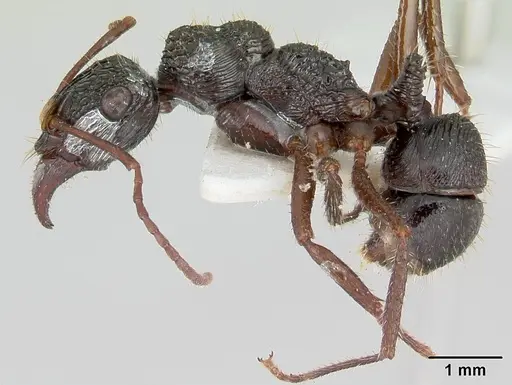
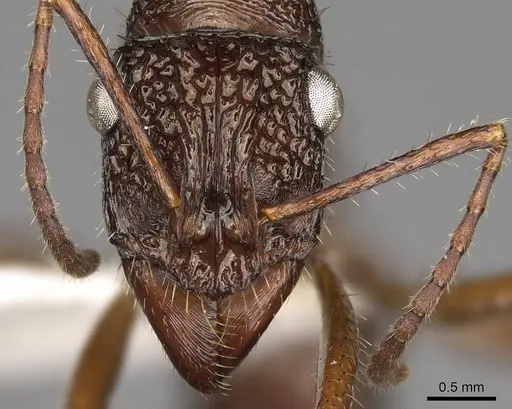
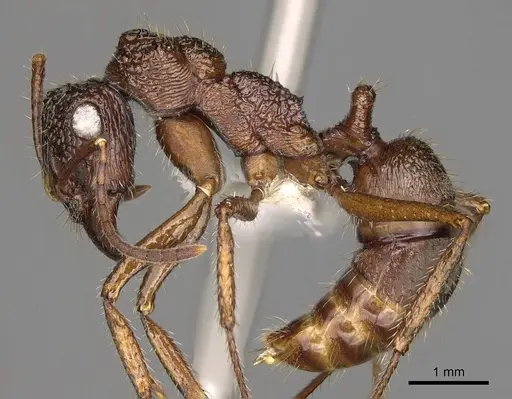
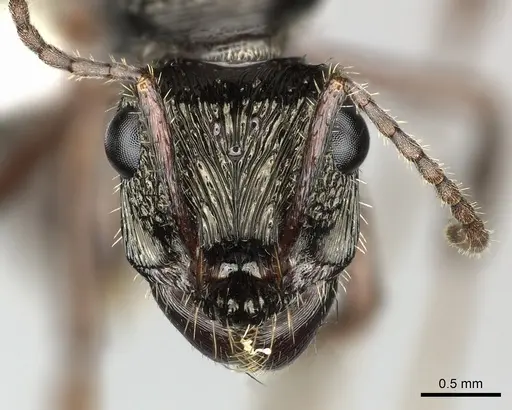
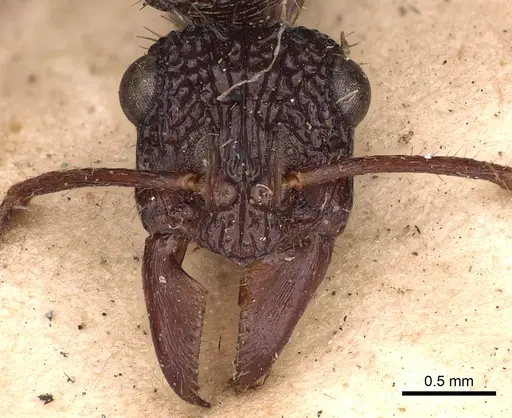
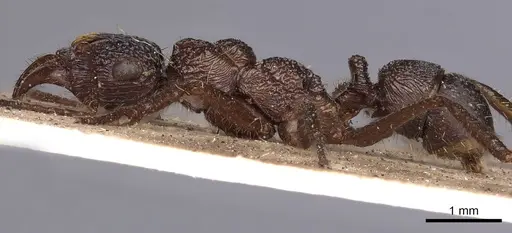
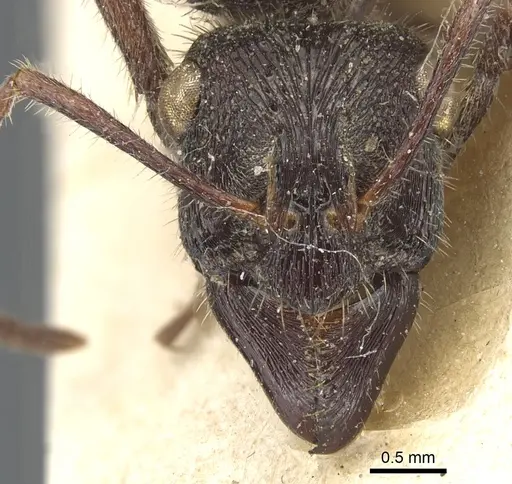
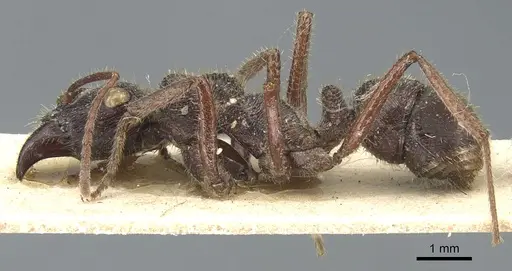
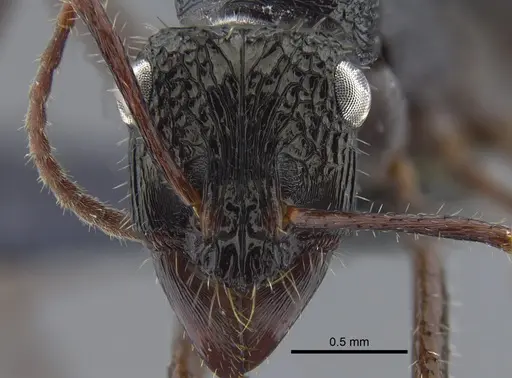
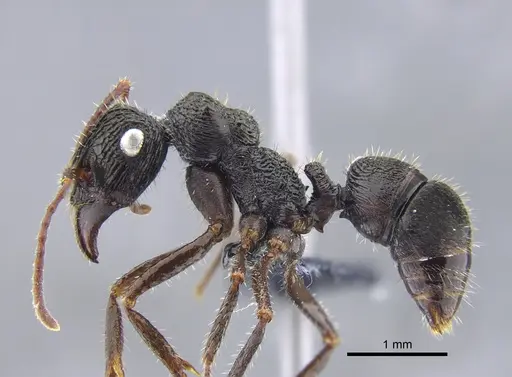
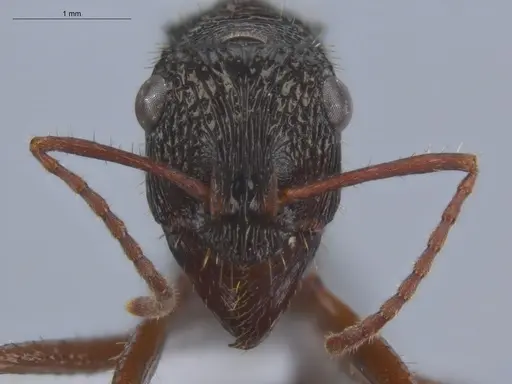
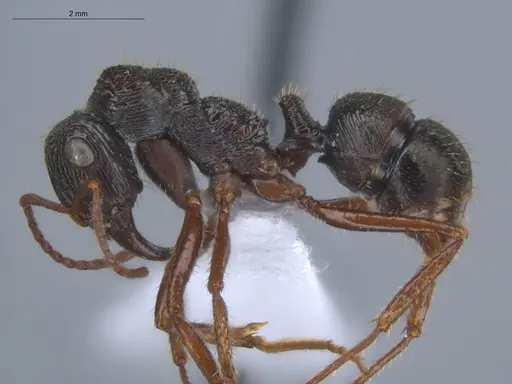
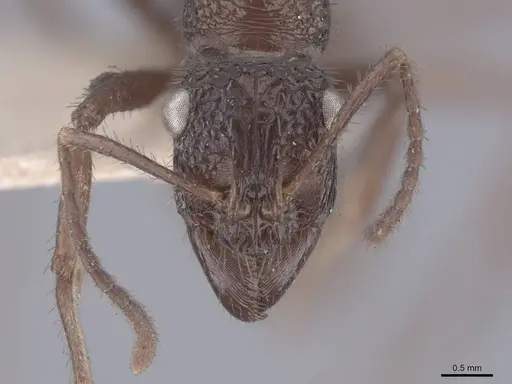
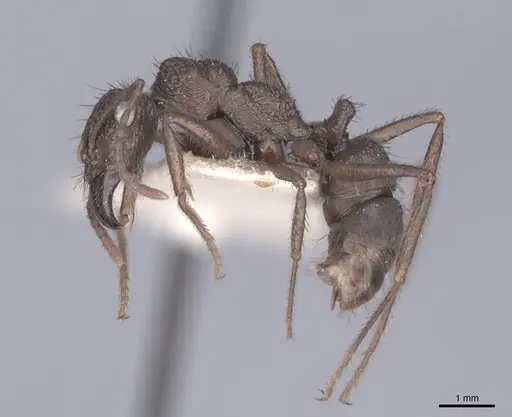
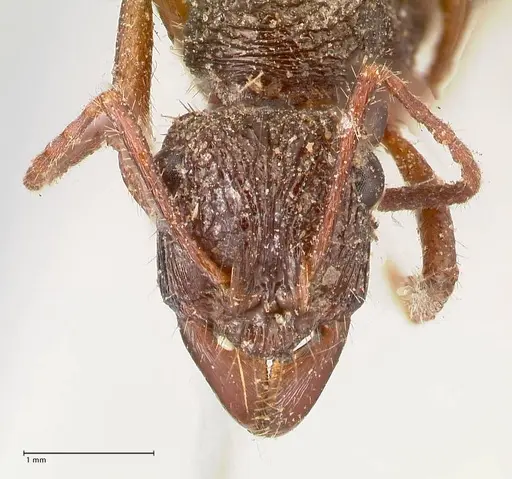
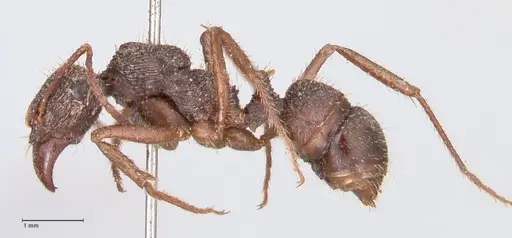
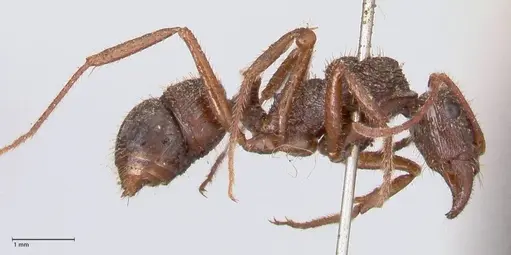
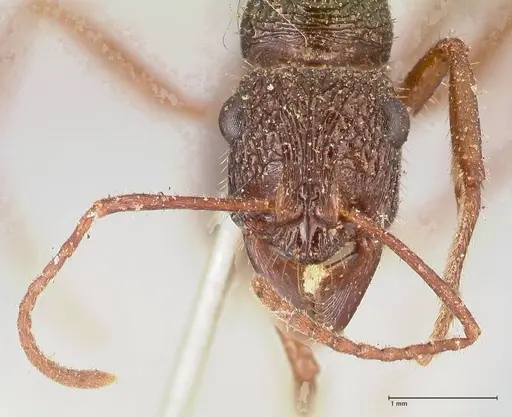
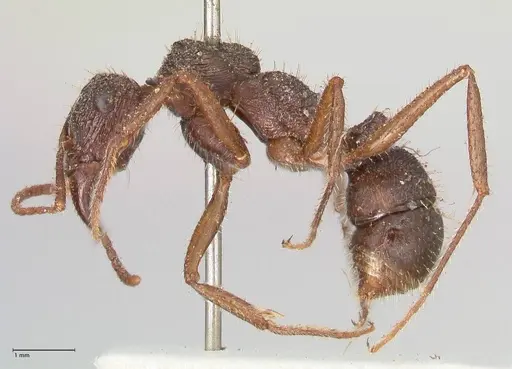
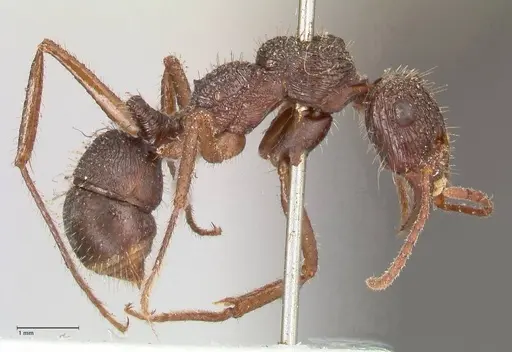
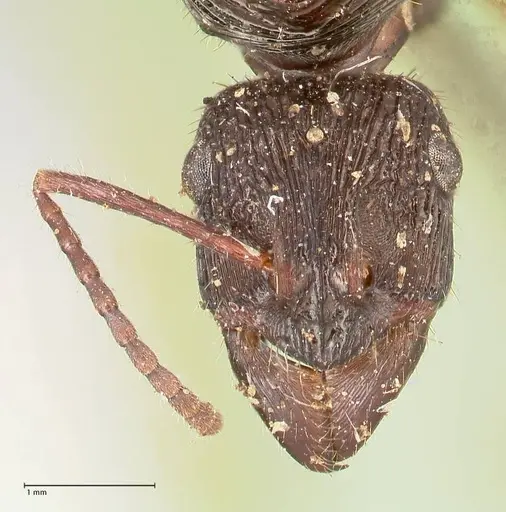
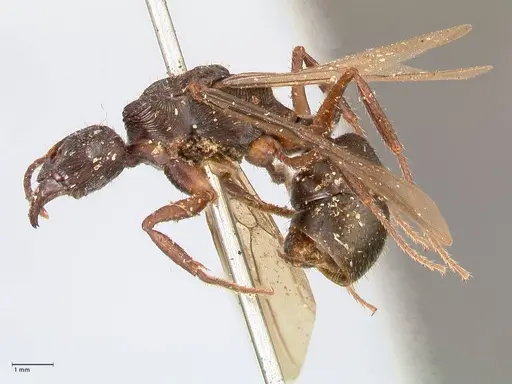
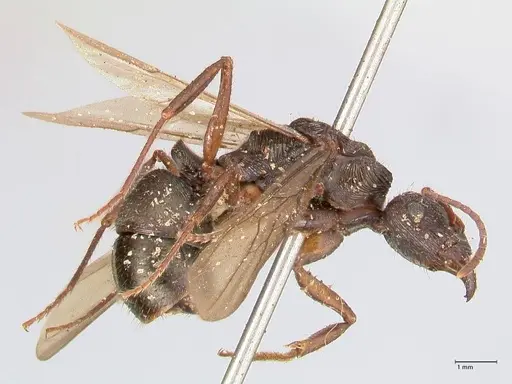
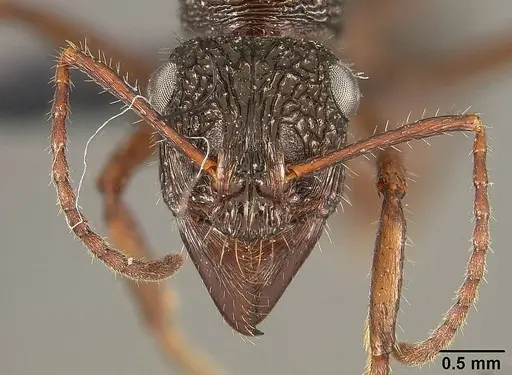
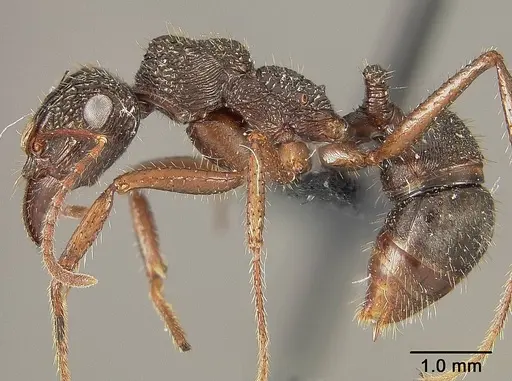
Ectatomma ruidum is a large, ground-dwelling ant native to the Neotropics, ranging from southern Mexico to Brazil. Workers measure about 7-8mm with a robust, dark brown body and distinctive triangular propodeal teeth. This species forms colonies of typically 50-300 workers with a single entrance nest dug into the soil. What makes E. ruidum truly unique is its remarkable intraspecific thievery behavior, some workers specialize in stealing food from neighboring colonies, carrying cuticular hydrocarbon profiles that are chemically intermediate between their home colony and target colony to avoid detection [1][2]. Colonies can reach extremely high densities in suitable habitat, sometimes exceeding 11,000 nests per hectare, with neighboring colonies showing remarkably low aggression toward each other [3][4]. This is one of the most common and studied ant species in Central American coffee and cacao plantations, where it serves as a natural pest control agent [5][6].
Quick Summary
- Difficulty: Medium
- Origin & Habitat: Neotropical region from southern Mexico through Central America to Brazil, including Colombia, Ecuador, Costa Rica, Panama, and other countries. Found from sea level to 2200m altitude in diverse habitats including tropical wet and dry forests, coffee/cacao plantations, and disturbed areas [7][5][8].
- Colony Type: Facultatively polygynous, most colonies have a single queen (monogynous) but polygyny occurs in 17-40% of colonies depending on location. Two queen morphs exist: normal macrogynes and smaller microgynes (20% body size reduction) found primarily in Mexican populations. Colonies are monodomous with a single nest entrance [2][9][5].
- Colony: Optionally polygyne
- Founding: Semi-claustral
- Size & Growth:
- Queen: 8-10mm (macrogynes),6-7mm (microgynes), estimated from genus data [5]
- Worker: 7-8mm [1][10]
- Colony: Typically 50-300 workers, average ~90 workers [4][2]
- Growth: Moderate
- Development: Estimated 6-10 weeks based on related Ponerine species, direct development data not available (Development occurs year-round in tropical conditions without diapause)
- Antkeeping:
- Temperature: Keep at 24-28°C. This is a tropical species that prefers warm conditions. Provide a temperature gradient allowing workers to self-regulate [11]
- Humidity: Moderate humidity (60-80%). Keep nest substrate consistently moist but not waterlogged. These ants nest in soil and prefer damp conditions but avoid stagnant water [7]
- Diapause: No, being a tropical species, they do not require hibernation. Maintain warm conditions year-round [7]
- Nesting: Ground-nesting species requiring soil or soil-like substrate. Use naturalistic setups with damp soil or a plaster/acrylic nest with soil chamber. Nest entrance is small (3-4mm) so provide appropriately sized passages. They prefer shaded nesting sites and will relocate nests under experimental shade apparatuses [12][13]
- Behavior: Generally calm temperament but capable of defending vigorously when threatened. Workers have a painful sting though difficulty stinging humans. When disturbed, workers may feign death by curling up and remaining motionless. Forages individually during daylight hours, primarily on the ground but also on low vegetation. Uses sophisticated recruitment, can hunt solo, cooperatively, or with group recruitment depending on prey size. Notably exhibits time-place learning, remembering specific feeding locations at different times of day. Workers can distinguish nestmates from non-nestmates based on cuticular hydrocarbons, though inter-colony aggression is remarkably low. Escape risk is moderate, workers are large enough to be contained by standard barriers but active and alert [1][2][14].
- Common Issues: colonies may fail if kept too cold, maintain warm temperatures year-round, high nest density in the wild means colonies are accustomed to neighbors, isolated colonies may be stressed, queen polymorphism (microgynes vs macrogynes) can cause confusion when establishing colonies, parasitoid wasps (Kapala species) can parasitize colonies, wild-caught colonies may already be infested, thief worker behavior may appear as aggression or confusion in captive settings, this is normal species behavior
Housing and Nest Setup
Ectatomma ruidum is a ground-nesting species that requires access to soil or soil-like substrate. For captive colonies, use a naturalistic setup with a soil chamber or a formicarium with a deep soil area. The nest entrance is naturally small (3-4mm diameter), so ensure passages and tubes are appropriately sized. These ants prefer warm, stable conditions with moderate humidity. Provide a water reservoir connected to the nest area to maintain substrate moisture. Since they are a 'thermophile in the shade' species, position the nest away from direct heat sources while maintaining ambient warmth. A heating cable on one side of the outworld (not directly on the nest) can create a temperature gradient. Escape prevention is important, while not tiny, these ants are active and determined, so use standard barriers like fluon on tube openings [12][4][2].
Feeding and Diet
E. ruidum is an omnivorous generalist with a varied diet. They primarily consume arthropods (flies, crickets, membracids, termites) and also exploit sugary liquids from extrafloral nectaries and honeydew from aphids and other hemipterans. In captivity, offer a varied diet including live insects (fruit flies, small crickets, mealworms), dead insects, and sugar sources (honey water, sugar water). They will also attend to honeydew-producing insects if present. Workers can employ different recruitment strategies depending on prey size, small prey is taken individually while larger prey may trigger cooperative hunting or group recruitment with pheromone trails. They are known to steal food from other ant colonies (cleptobiosis), so this behavior may be observed in multi-species setups. Feed protein prey 2-3 times per week and provide constant access to sugar water [17][18][19][20].
Temperature and Seasonal Care
As a Neotropical species, E. ruidum does not undergo hibernation or diapause. Maintain temperatures in the range of 24-28°C for optimal colony health and activity. Studies show workers have upper thermal limits around 42-44°C, with diurnal foragers having slightly higher heat tolerance than nocturnal foragers. They are active year-round in captivity and do not require cooling periods. However, avoid temperature extremes and sudden changes. Room temperature within this range is acceptable, if your room is cooler, use a heating cable on one side of the outworld to create a gentle gradient. The colony will be most active during 'daylight' hours (simulated day/night cycle) [11][21][7].
Unique Behaviors: Thievery and Foraging
One of the most fascinating aspects of E. ruidum is its intraspecific kleptoparasitism. Within each colony, there are two types of foragers: normal foragers who collect food within their territory, and specialized 'thieves' who enter neighboring colonies to steal food. Thieves have reduced quantities of cuticular hydrocarbons on their exoskeleton, giving them a chemical profile intermediate between their home colony and the target colony, this 'chemical camouflage' helps them avoid detection. Thieves walk more slowly, pause frequently, avoid encounters with other ants, and are more likely to drop their stolen food when grabbed. This behavior is not learned but appears to be a fixed specialization, thieves do not switch to non-thieving foraging habits. In captivity, you may observe this behavior if multiple colonies are housed in proximity [22][2][23].
Defense and Temperament
When threatened, E. ruidum workers exhibit several defense strategies. They can deliver a painful sting (though stinging humans is difficult due to their small stinger relative to human skin). More commonly, when disturbed, workers may 'feign death', curling up and remaining motionless for several seconds before recovering. Workers will also stand their ground with jaws open, legs planted, and stinger ready when facing potential predators. They have well-developed compound eyes and can recognize and return the gaze of predators. Despite this defensive capability, inter-colony aggression is remarkably low, neighboring colonies often show no hostility and may even exchange workers and food through trophallaxis [1][14][2].
Colony Structure and Reproduction
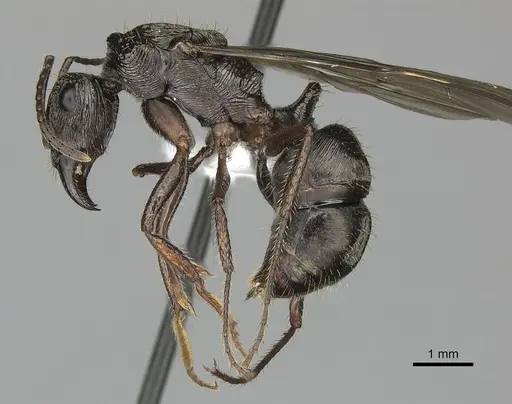
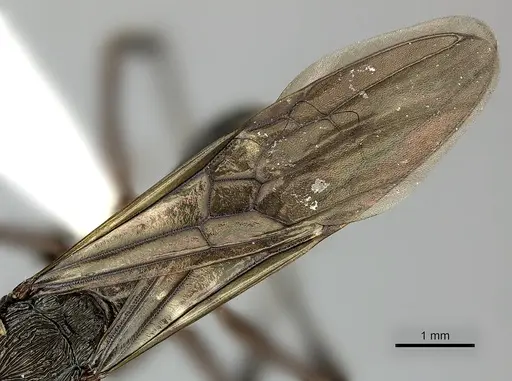
E. ruidum colonies typically contain 50-300 workers with a single nest entrance. The colony structure is monodomous (one nest per colony) and usually monogynous (one queen), though polygyny occurs in 17-40% of colonies. There are two queen morphs: macrogynes (normal-sized) and microgynes (about 20% smaller). Microgynes are primarily found in northern populations (Mexico) and represent an alternative reproductive strategy, they have a higher wing surface to body weight ratio, suggesting better dispersal ability. Both queen types can produce workers, males, and both queen morphs. Males and females typically mate inside the nest rather than in nuptial flights. The colony reproduces through 'swarming' where workers, larvae, and winged queens are transferred among nests [1][16][5][9].
Frequently Asked Questions
How long does it take for Ectatomma ruidum to produce first workers?
Development from egg to worker is estimated at 6-10 weeks based on related Ponerine species, as specific development data for this species is not available. As a non-claustral founding species, the queen must leave the nest to forage during founding, which may affect development times compared to claustral species.
Can I keep multiple Ectatomma ruidum queens together?
While polygyny (multiple queens) does occur naturally in about 17-40% of wild colonies, combining unrelated foundress queens in captivity is not recommended as it has not been documented and may result in aggression. If you acquire a polygynous colony, keep the queens together as they have already established their social structure.
Do Ectatomma ruidum ants sting?
Yes, they have a stinger and can deliver a painful sting, though their sting is considered mild (pain rating of 1 on the Schmidt scale) and they are not considered dangerous to humans. They typically try to escape and hide rather than sting when disturbed.
What do Ectatomma ruidum eat?
They are omnivorous generalists. Their diet consists primarily of arthropods (flies, crickets, membracids, termites) plus sugary liquids from extrafloral nectaries and honeydew from aphids. In captivity, feed live insects, dead insects, and sugar water. They will also scavenge on small pieces of fruit or other organic matter.
Are Ectatomma ruidum good for beginners?
This species is rated as medium difficulty. They require warm, humid conditions year-round (no hibernation) and need a ground-nesting setup. Their unique thievery behavior and potential for high colony density in the wild make them interesting but not ideal for complete beginners. Experienced antkeepers should have no issues.
How big do Ectatomma ruidum colonies get?
Colonies typically reach 50-300 workers, with an average of around 90 workers. Some colonies may grow larger, but this is the typical range. They are not considered large colonies compared to some Myrmicinae species.
Do Ectatomma ruidum need hibernation?
No, as a Neotropical (tropical) species, they do not require hibernation or diapause. Maintain warm temperatures (24-28°C) year-round. They are active throughout the year in both the wild and captivity.
Why are some workers acting strangely around other colonies?
This is normal species behavior! E. ruidum has specialized 'thief' workers that enter neighboring colonies to steal food. These thieves have reduced cuticular hydrocarbons that make them chemically similar to both their home colony and target colony, allowing them to blend in. This intraspecific kleptoparasitism is a defining characteristic of this species.
References

This caresheet is licensed under CC BY-SA 4.0 .
ANTWEB1041401
View on AntWeb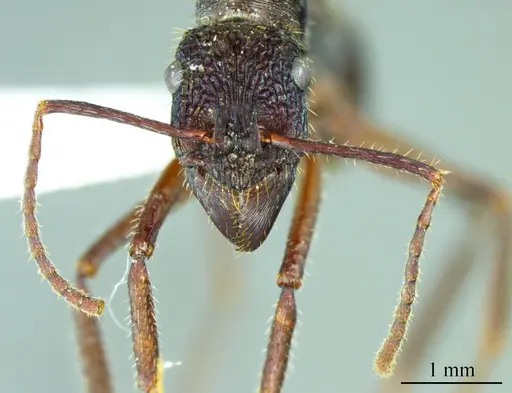
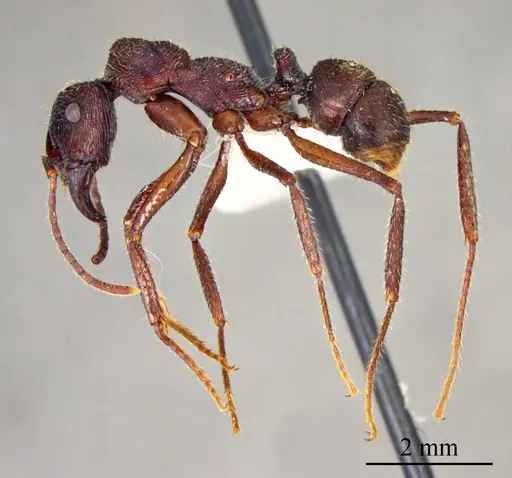
CASENT0178705
View on AntWeb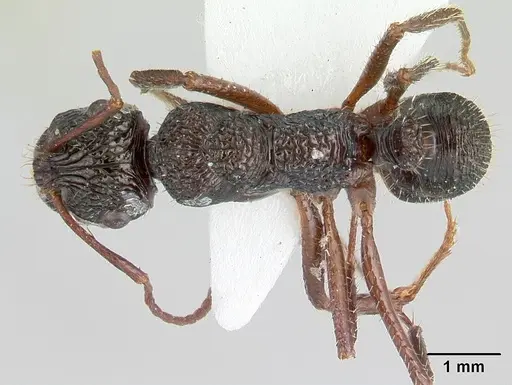
CASENT0281509
View on AntWeb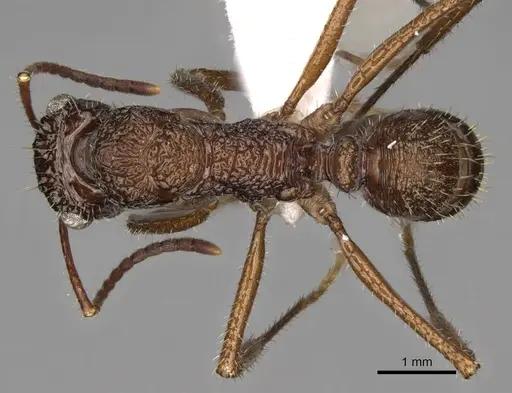
CASENT0614453
View on AntWeb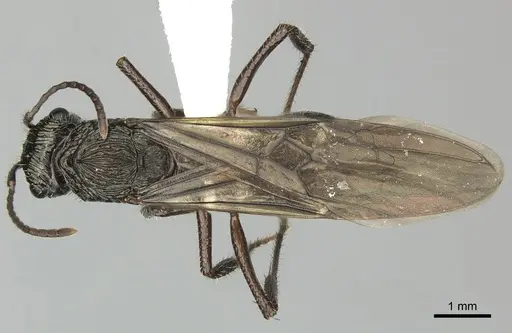
CASENT0900513
View on AntWeb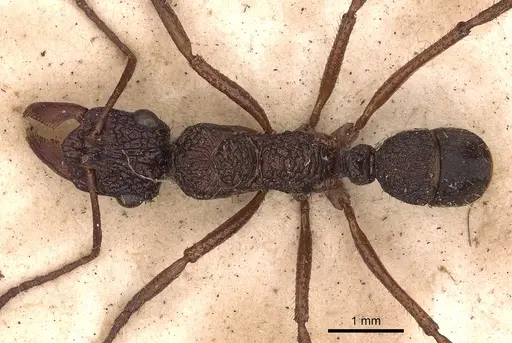
CASENT0903841
View on AntWeb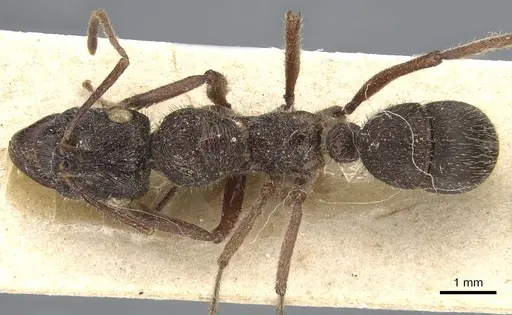
CBUMAGENT41742
View on AntWeb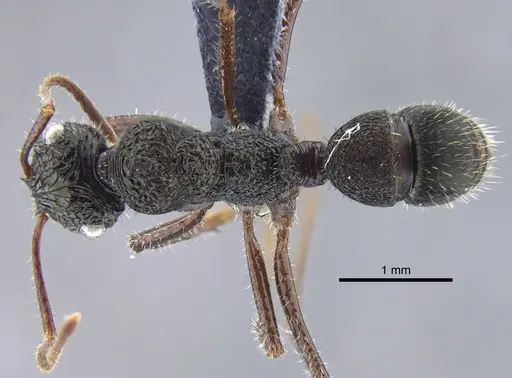
ECOFOG-BOUM-0502-02
View on AntWeb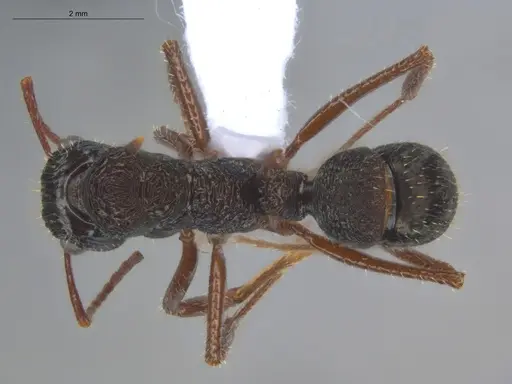
FMNHINS0000045631
View on AntWeb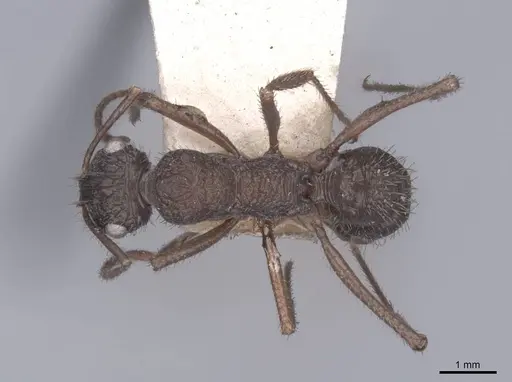
FOCOL0875
View on AntWeb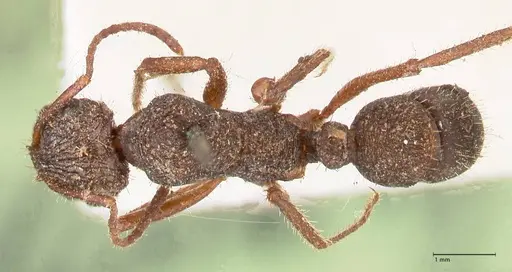
FOCOL0876
View on AntWeb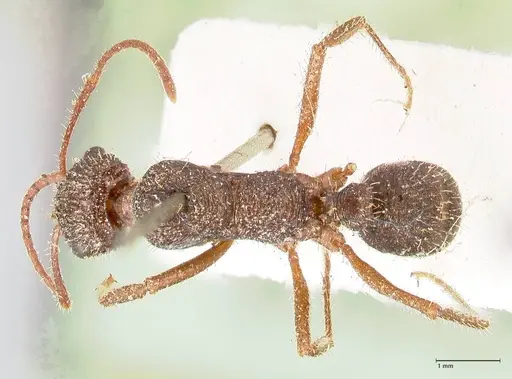
FOCOL0877
View on AntWeb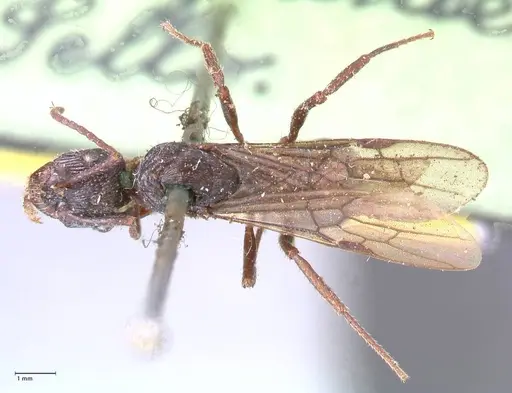
FOCOL0878
View on AntWeb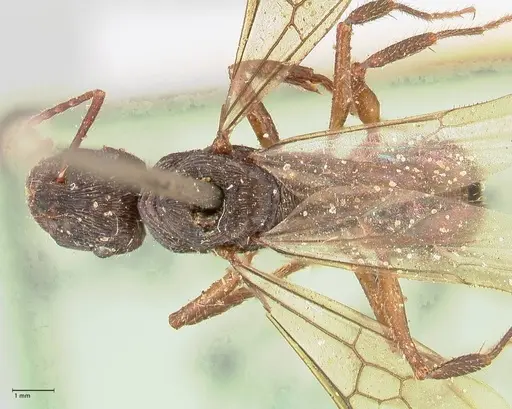
USNMENT01124232
View on AntWeb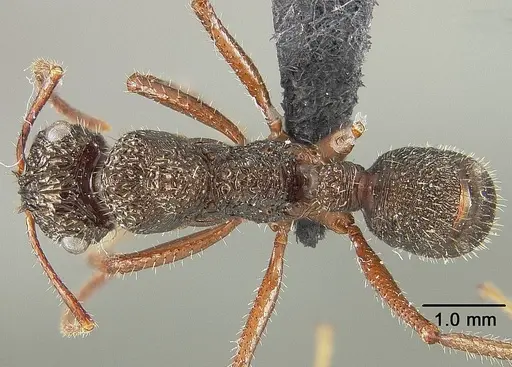
Literature
Loading...Loading products...