
Ectatomma brunneum shows a January to December activity window. Peak activity occurs in November, with queen sightings distributed across 6 months. This extended season suggests multiple flight events or varying conditions across its range.
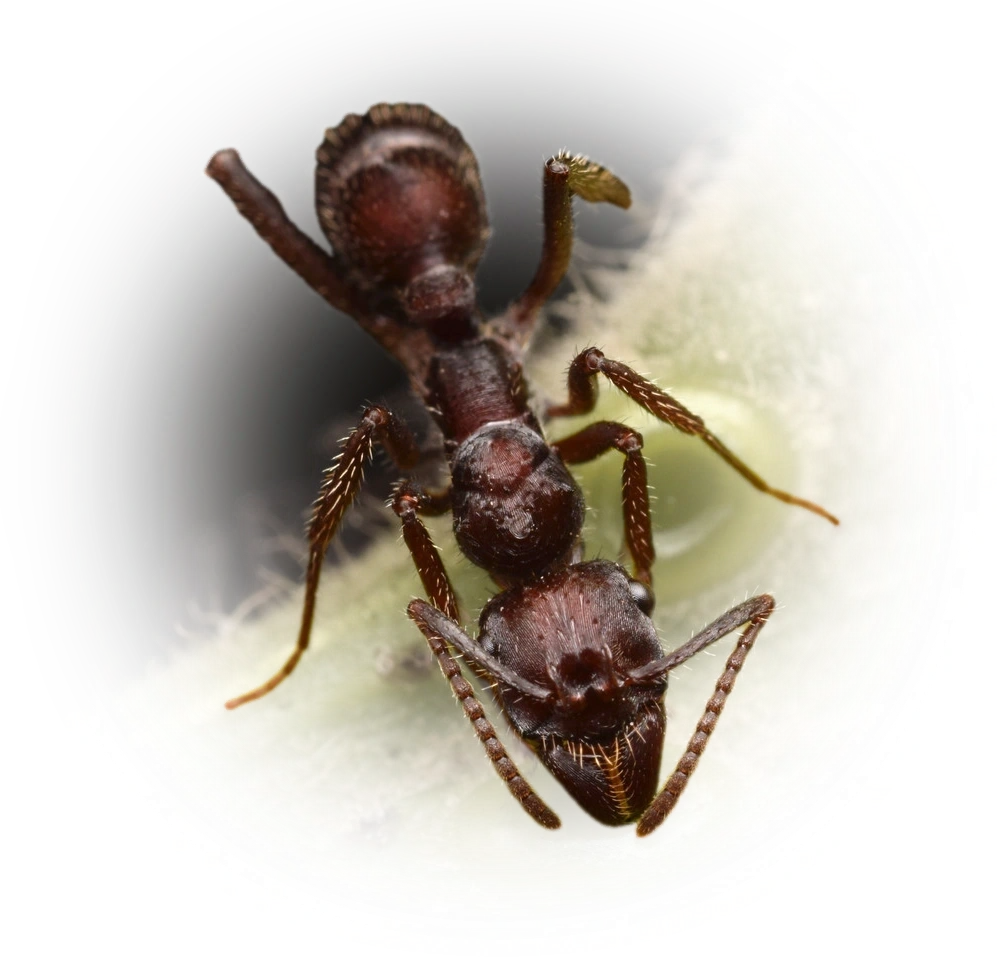
Ectatomma brunneum
- Scientific Name
- Ectatomma brunneum
- Tribe
- Ectatommini
- Subfamily
- Ectatomminae
- Author
- Smith, 1858
- Distribution
- Found in 7 countries
- Nuptial Flight
- from January to December, peaking in November
AI Identifiable
try →
Ectatomma brunneum Overview
Ectatomma brunneum is an ant species of the genus Ectatomma. It is primarily documented in 7 countries , including Argentina, Bolivia, Plurinational State of. Detailed taxonomic data and occurrence records can be further explored via authoritative databases such as AntWeb or the Global Biodiversity Information Facility (GBIF).
The nuptial flight of Ectatomma brunneum is a significant biological event, typically occurring from January to December, peaking in November. During this time, winged queens and males leave the nest to mate and establish new colonies.
Ectatomma brunneum
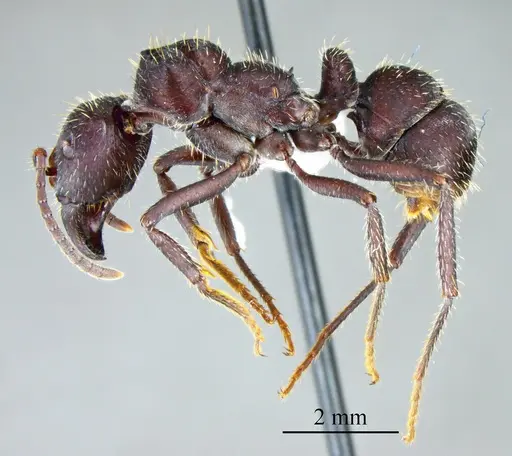
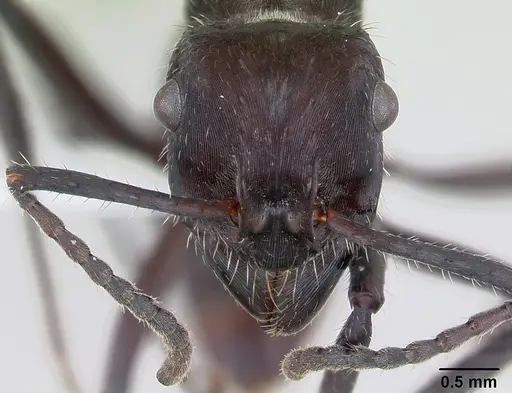
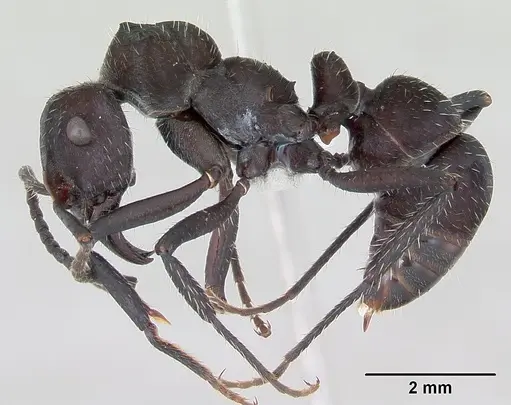
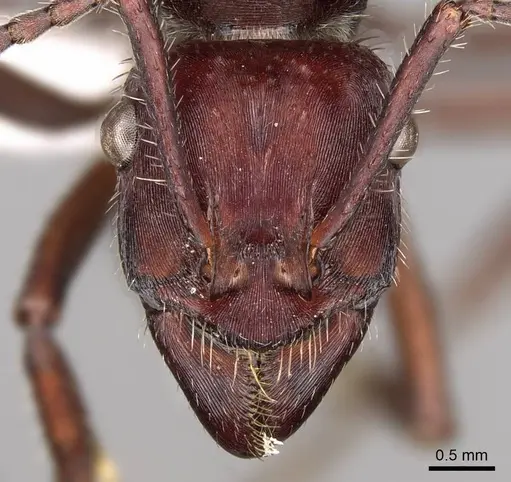
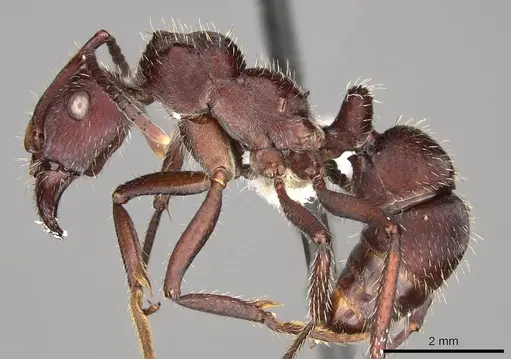
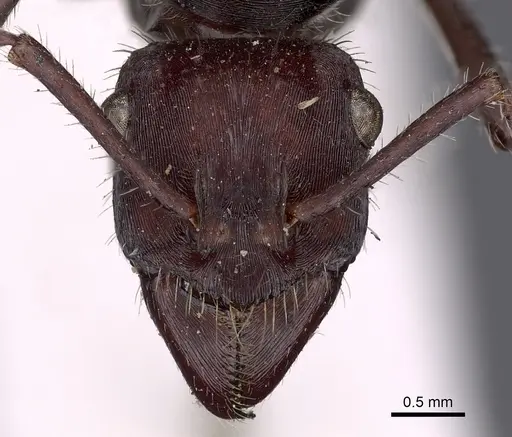
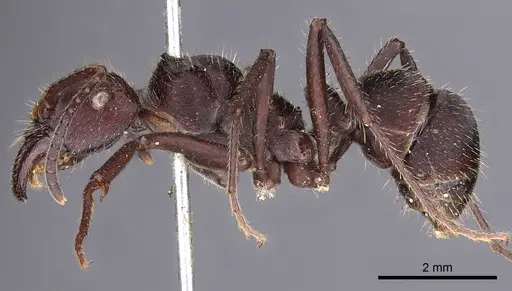
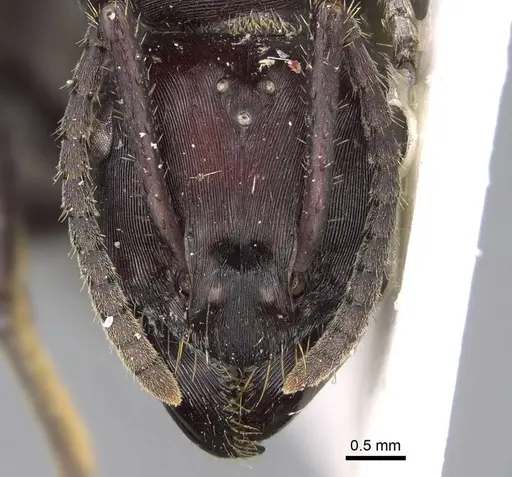
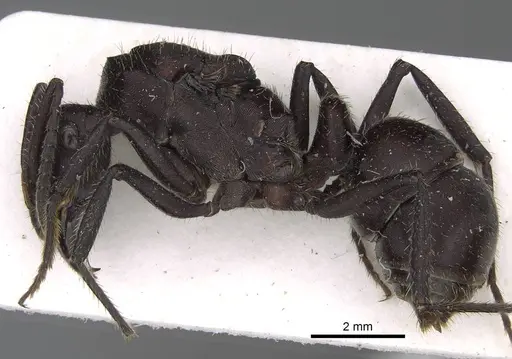
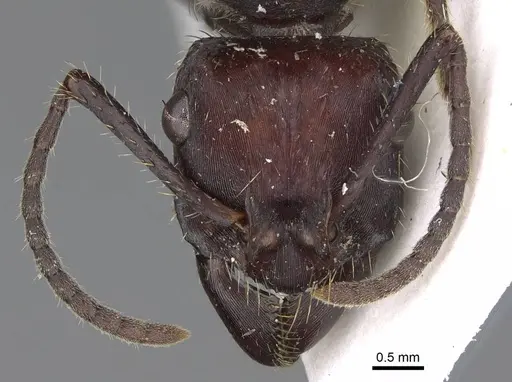
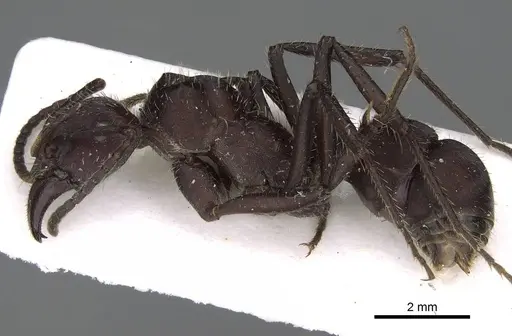
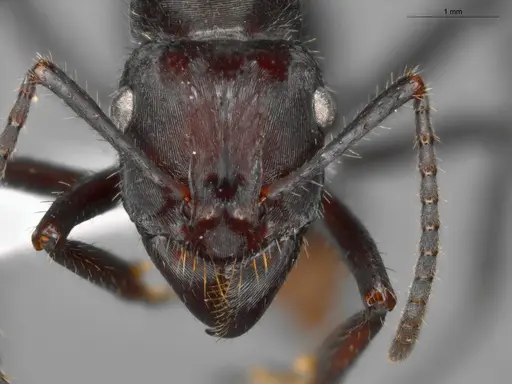
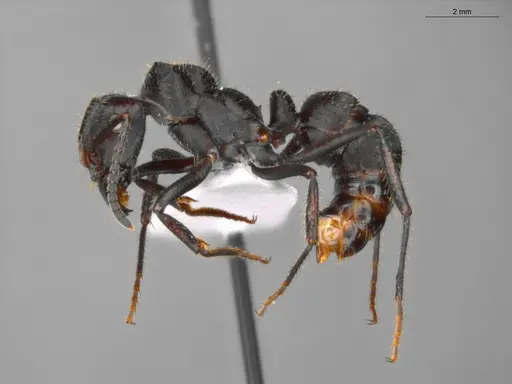
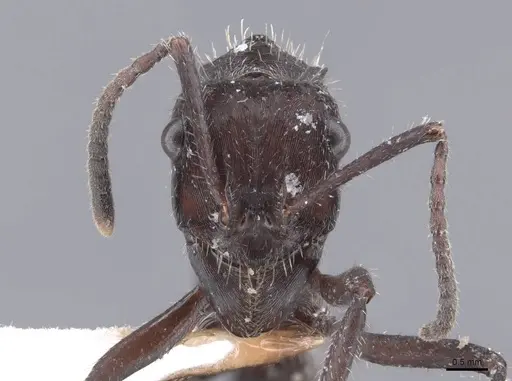
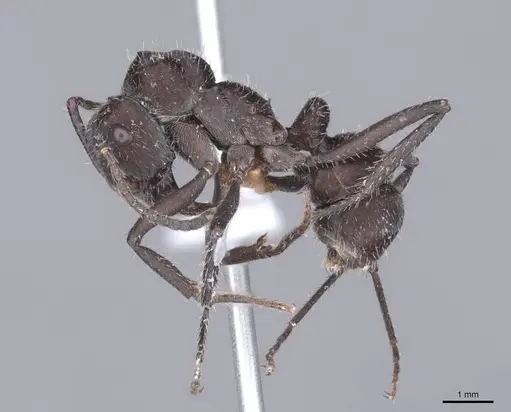
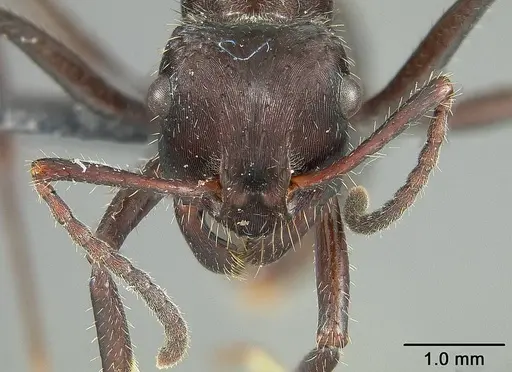
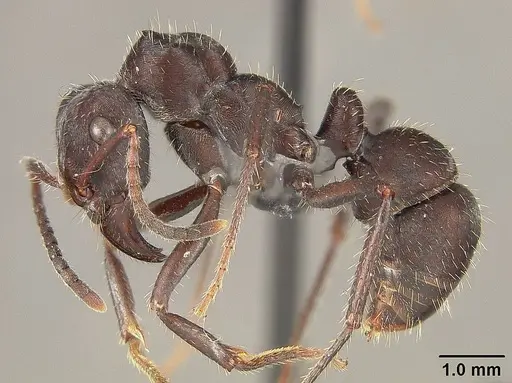
Ectatomma brunneum is a large predatory ant native to Central and South America, ranging from Panama down to southeastern Brazil, Argentina, and Paraguay [1][2]. Workers measure 10-14mm with a distinctive dark brown to black body that is uniformly and finely striated, while their mandibles, antennae, and legs are a reddish-ferruginous color [1]. This species belongs to the subfamily Ectatomminae (formerly Ponerinae) and is known for its aggressive defense of food sources and territories. Unlike many ants, E. brunneum is polydomous, meaning colonies maintain multiple nest entrances across their territory, and polygynous colonies with multiple queens have been documented [3][4]. Workers are long-lived, surviving over 600 days in laboratory conditions, and they forage both day and night, though activity peaks during daylight hours [3][5].
Quick Summary
- Difficulty: Medium
- Origin & Habitat: Native to Central and South America, found from Panama to southeastern Brazil, including Trinidad, Suriname, French Guiana, Colombia, Peru, Bolivia, Argentina, and Paraguay. Inhabits various ecosystems including cerrado, pantanal, amazon rainforest, caatinga, and atlantic forest, typically in lowlands up to 2,840m elevation [1][2].
- Colony Type: Polygynous colonies with multiple queens have been documented. Colonies are polydomous, maintaining multiple nest entrances. Simple nests with relatively few individuals per colony [3][4].
- Colony: Polygyne
- Size & Growth:
- Queen: Approximately 10.5mm (5 lines) [6], estimated from original description
- Worker: 10-14mm [7][1]
- Colony: Colonies have relatively few individuals, simple nests with few individuals [1]. Nest density can reach 750-950 nests/ha in some areas [8].
- Growth: Moderate, workers have high longevity (600+ days) but colony growth is gradual
- Development: Unknown, no direct development data available for this species (Development timeline has not been directly studied. Based on related Ectatomma species and tropical ant patterns, expect several months from egg to worker at warm temperatures.)
- Antkeeping:
- Temperature: Keep at 22-26°C. Laboratory colonies were maintained at 23°C±1.8 with success [3]. As a tropical species, they prefer warm conditions but can tolerate typical room temperatures.
- Humidity: Moderate humidity around 60-80%. Found in various Brazilian ecosystems from seasonally dry to humid forests. Provide a moisture gradient with a damp nest area and slightly drier areas for foraging.
- Diapause: No true diapause required, being tropical, they do not need hibernation. However, activity may reduce slightly during cooler periods.
- Nesting: Hypogean (underground) nester. In captivity, they do well in plaster nests or naturalistic setups with soil. They adapt to various soil types from soft soil to hard lateritic stones [1]. Provide a nest with chambers connected by tunnels, and expect them to create multiple entrances (polydomous behavior).
- Behavior: Ectatomma brunneum is an aggressive ant species that actively defends food sources and territories. Workers forage solitarily during both day and night, with peak activity during daylight hours [5][3]. They are predatory on small invertebrates but also consume extrafloral nectar and honeydew from hemipterans. This species is known to block competing ant species from food sources and will aggressively expel other ants from liquid food sources [9]. They have a painful sting (pain rating 1.5 on the Schmidt scale) [10]. Escape prevention should be moderate, while large, they are active foragers.
- Common Issues: colonies can be slow to establish, patience is needed during founding phase, aggressive behavior means they may attack keepers if handled roughly, use caution during nest maintenance, polydomous colonies may try to establish secondary nests outside the main formicarium, workers live 600+ days but reproduction is slow, don't expect rapid colony growth, venom can cause irritation, sting pain rating 1.5 [10]
Queen Ant Activity Analysis 96 observations
Queen Activity by Hour 96 observations
Ectatomma brunneum queen activity peaks around 10:00 during the late morning to early afternoon. Activity is spread across a 18-hour window (05:00–22:00). Times may be influenced by human observation patterns.
Housing and Nest Preferences
Ectatomma brunneum is a ground-nesting species that naturally creates hypogean (underground) nests. In the wild, they nest in forest soils and are less common in open savannas. Their nests are simple structures with few individuals, adaptable from very soft soils to hard lateritic stones [1]. In captivity, provide a naturalistic setup with soil or a plaster nest with multiple chambers connected by tunnels. Because they are polydomous, expect the colony to potentially establish multiple entrances, this is normal behavior. A nest size of 10-15cm x 10cm with multiple chambers works well for starting colonies. Keep the nest substrate consistently moist but not waterlogged, with some drier areas available for the ants to regulate their own humidity.
Feeding and Diet
Ectatomma brunneum is an omnivorous predator with a varied diet. In nature, they prey on small invertebrates including termites, moth larvae, and other arthropods. They also consume extrafloral nectar from plants like Turnera subulata and Crotalaria pallida, and attend honeydew-producing hemipterans, especially membracids [11][12][5]. Workers are liquid-feeders, they do not ingest solid particles, which are filtered in the infrabuccal pocket and eliminated as pellets [3]. In captivity, offer sugar water or honey as a constant carbohydrate source, and provide small live prey such as fruit flies, small crickets, or mealworm pieces. They will also readily accept protein sources like Tenebrio larvae. Feed protein 2-3 times per week and keep sugar water available at all times. Remove uneaten prey after 24 hours.
Temperature and Seasonal Care
As a tropical ant species from Central and South America, Ectatomma brunneum prefers warm conditions. Laboratory colonies have been successfully maintained at 23°C±1.8 [3], so aim for temperatures between 22-26°C. They can tolerate typical room temperatures but may become less active below 20°C. No true diapause or hibernation is required, being tropical, they do not have a winter dormancy period. However, you may notice reduced activity during cooler periods. If your room temperature is below 22°C, use a heating cable on one side of the nest to create a temperature gradient. Place the heating element on top of the nest to avoid excessive drying.
Behavior and Temperament
This is an aggressive ant species that actively defends its territory and food sources. Workers forage solitarily during both day and night, though activity is greater during daylight hours [5][3]. They are known to block competing ant species from food sources and will aggressively expel other ants from extrafloral nectaries and hemipteran trophobionts [9]. When confronted by army ants (Eciton burchellii), they defend their nests by plugging small entrance tunnels with guard workers, no colonies were ever invaded in studies [13]. They have a painful sting rated 1.5 on the Schmidt pain scale, with venom containing antimicrobial peptides [10][14]. Handle with caution during nest maintenance. Workers are long-lived, surviving over 600 days in laboratory conditions, which contributes to colony stability [3].
Colony Structure and Reproduction
Ectatomma brunneum forms polygynous colonies with multiple queens working together [4]. The colony structure is polydomous, meaning they maintain multiple nest entrances that may be connected underground, this is normal behavior and should be expected in captivity. Nests are simple with relatively few individuals per colony [1]. In some areas like French Guiana, nest density can reach 750-950 nests per hectare, suggesting significant territorial expansion through polydomous growth [8]. Queens have been observed with developed ovaries, and both mated and virgin queens have been documented in studies [15]. The chromosome count is 2n=44 with a karyotype of 22 metacentric and 22 acrocentric chromosome pairs [16].
Defense and Venom
Ectatomma brunneum possesses a functional stinger with a pain rating of 1.5 on the Schmidt sting pain scale, relatively mild compared to many ponerine ants but still capable of causing discomfort [10]. The venom contains proteins and peptides that show antimicrobial activity, and the chemical composition varies between individuals from different environments, apparently due to dietary differences [17]. Studies have identified ectatomins (Eq-1 and Eq-2) in the venom, which are dimeric peptides linked by interchain disulfide bonds [14]. When threatened, workers will aggressively defend the colony. Their nest defense includes small entrance tunnels that can be easily guarded, studies showed they successfully defended against army ant raids by plugging entrances with guard workers [13].
Frequently Asked Questions
How long does it take for Ectatomma brunneum to produce first workers?
The exact egg-to-worker development time has not been directly studied for this species. Based on related Ectatomma species and typical tropical ant development, expect several months (possibly 3-6 months) from founding to first workers at optimal temperatures around 24-26°C.
Can I keep multiple queens together in one colony?
Yes, Ectatomma brunneum is polygynous, meaning colonies naturally have multiple queens. Unlike many ant species where multiple queens fight, this species can have multiple reproductive queens working together in the same colony [4].
Do Ectatomma brunneum ants sting? How painful is it?
Yes, they can sting. The pain rating is 1.5 on the Schmidt scale, which is relatively mild, comparable to a minor bee sting. The venom contains antimicrobial peptides but is not considered dangerous to healthy humans [10].
What do Ectatomma brunneum eat?
They are omnivorous predators. Offer sugar water or honey as a constant carbohydrate source, and small live prey (fruit flies, small crickets, mealworms) as protein 2-3 times per week. They also consume extrafloral nectar and honeydew in the wild [11][3].
Do they need hibernation or diapause?
No, as a tropical species from Central and South America, they do not require hibernation. They may reduce activity slightly during cooler periods, but no special winter care is needed [1].
Are Ectatomma brunneum good for beginners?
They are rated as medium difficulty. They are more challenging than common beginner species like Lasius or Tetramorium due to their larger size, aggressive temperament, specific humidity needs, and slower colony growth. However, they are adaptable to various conditions and can be kept successfully by intermediate antkeepers.
How big do colonies get?
Colonies are relatively small with few individuals per nest. The species is polydomous, meaning colonies spread across multiple connected nests rather than growing extremely large in a single location. Nest density in the wild can reach 750-950 nests per hectare [8].
Why are my ants not eating solid food?
This is normal, adult workers only ingest liquids. They filter solid particles in their infrabuccal pocket and eliminate them as pellets [3]. Offer liquid sugar sources and small prey items that they can consume as liquids or pre-digest.
Are they active day and night?
Yes, workers forage both during the day and at night, though activity is greater during daylight hours [5][3]. You may see more activity in your formicarium during the day.
References

This caresheet is licensed under CC BY-SA 4.0 .
ANTWEB1041399
View on AntWeb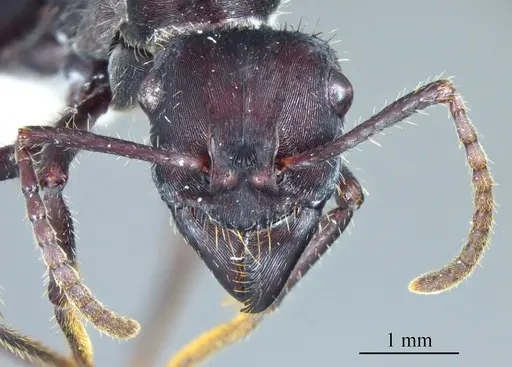
CASENT0173375
View on AntWeb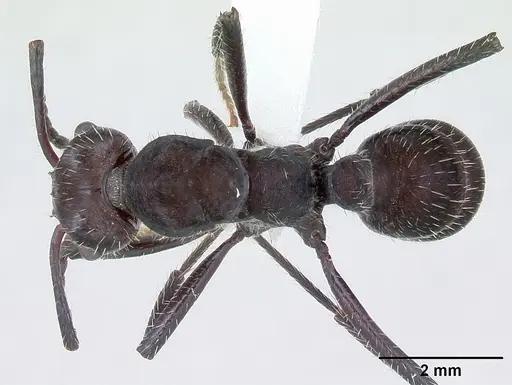
CASENT0281500
View on AntWeb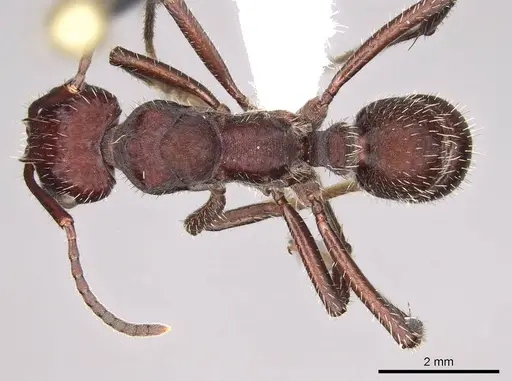
CASENT0900515
View on AntWeb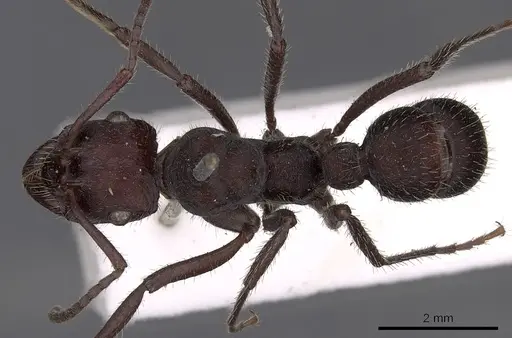
CASENT0922398
View on AntWeb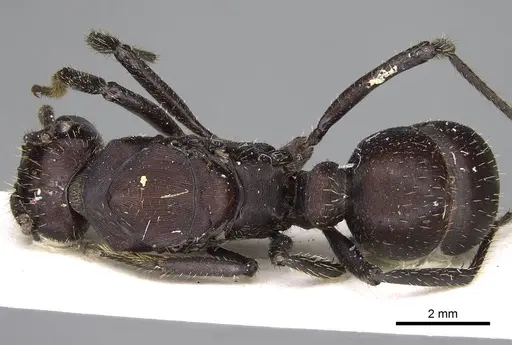
CASENT0922399
View on AntWeb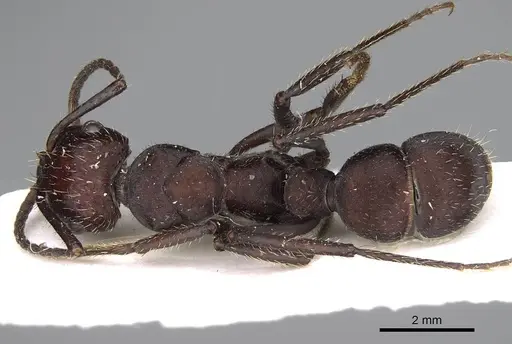
ECOFOG-SAV18-0001-02
View on AntWeb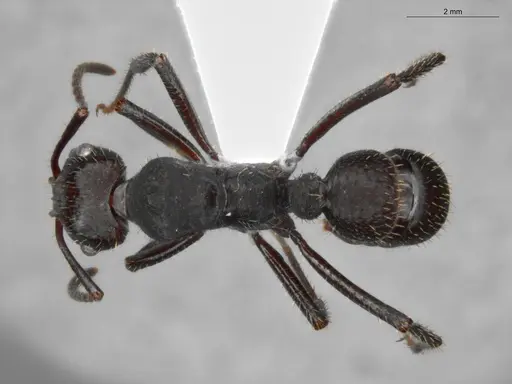
FMNHINS0000047530
View on AntWeb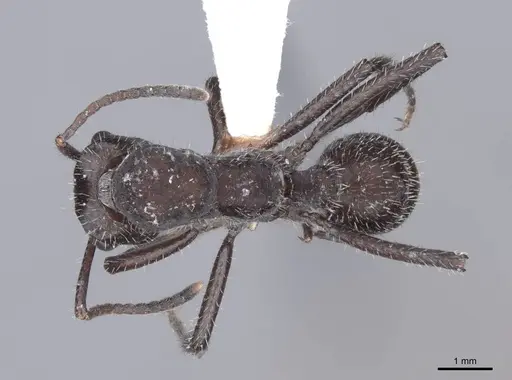
USNMENT01124231
View on AntWeb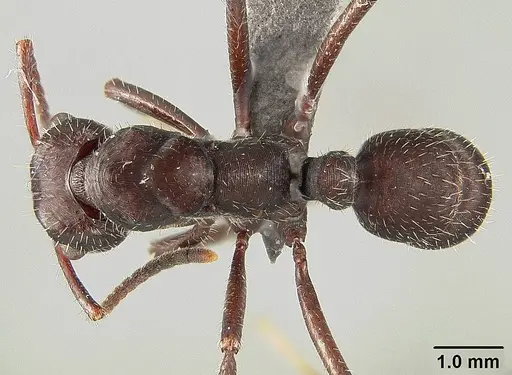
Literature
Loading...Loading products...