

Eciton mexicanum
- Scientific Name
- Eciton mexicanum
- Subfamily
- Dorylinae
- Author
- Roger, 1863
- Distribution
- Found in 11 countries
Eciton mexicanum Overview
Eciton mexicanum is an ant species of the genus Eciton. It is primarily documented in 11 countries , including Brazil, Costa Rica, Ecuador. Detailed taxonomic data and occurrence records can be further explored via authoritative databases such as AntWeb or the Global Biodiversity Information Facility (GBIF).
Eciton mexicanum
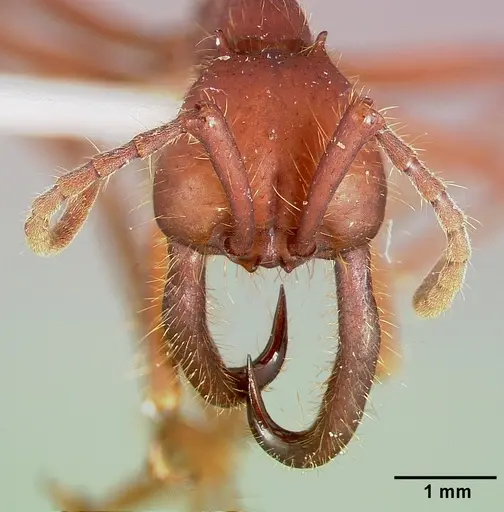
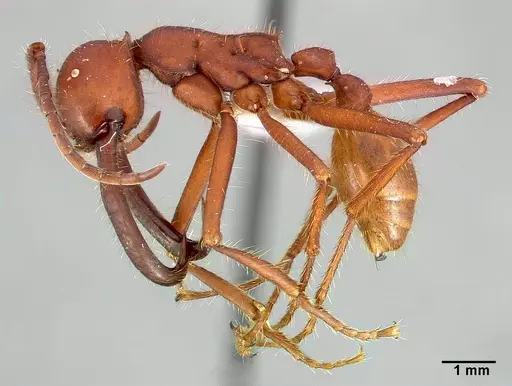
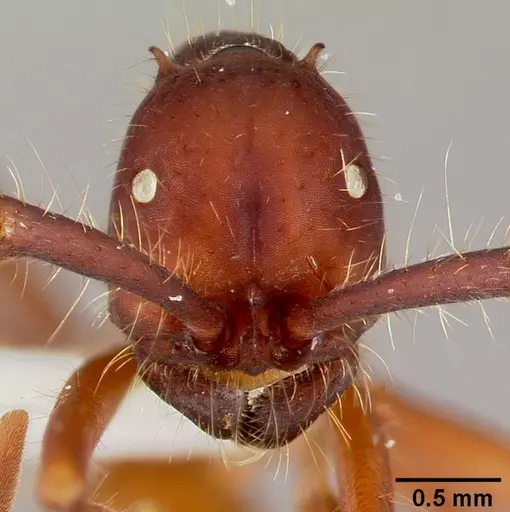
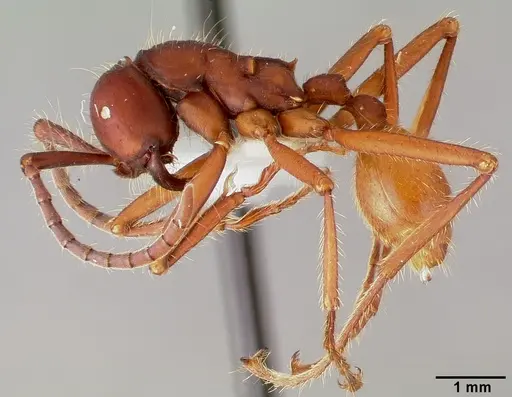
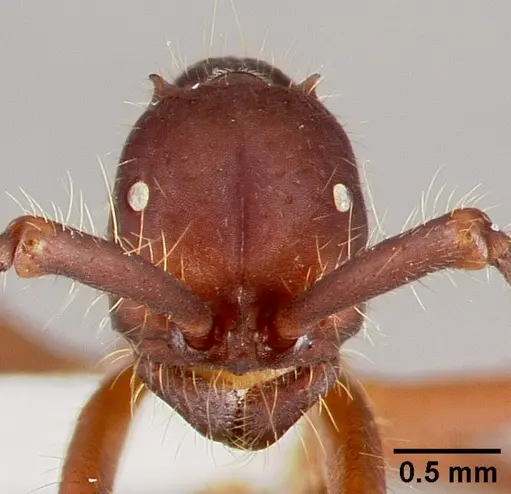
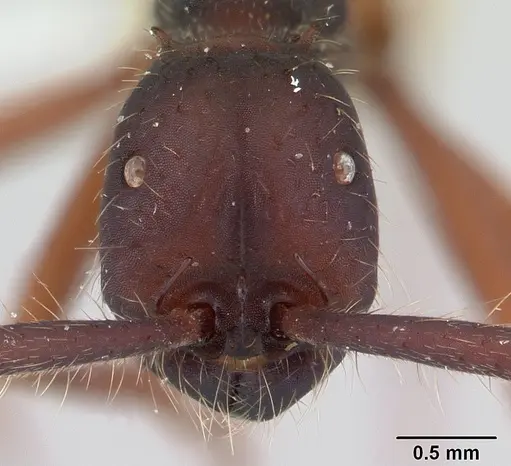
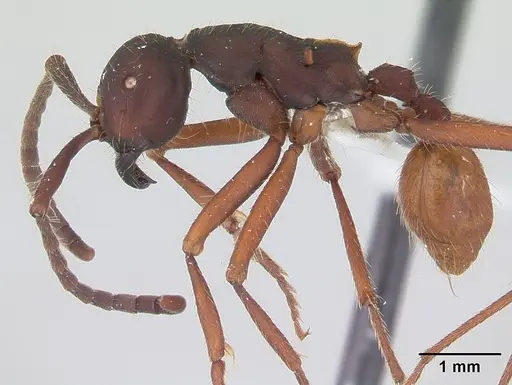
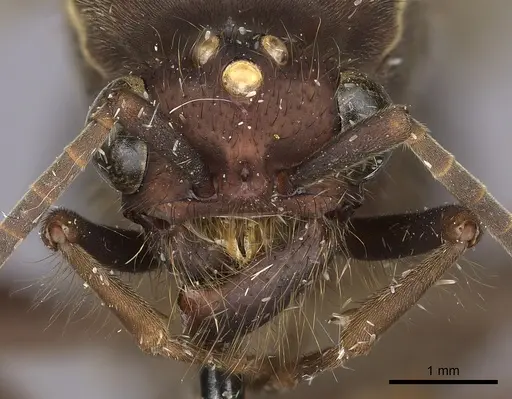
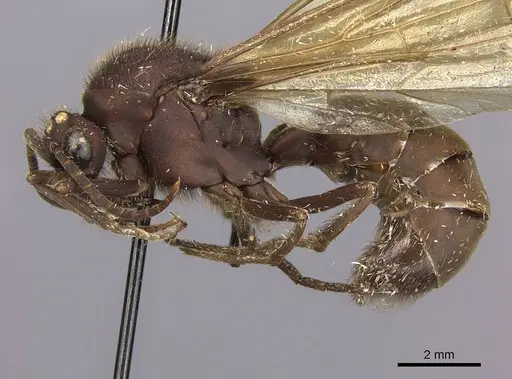
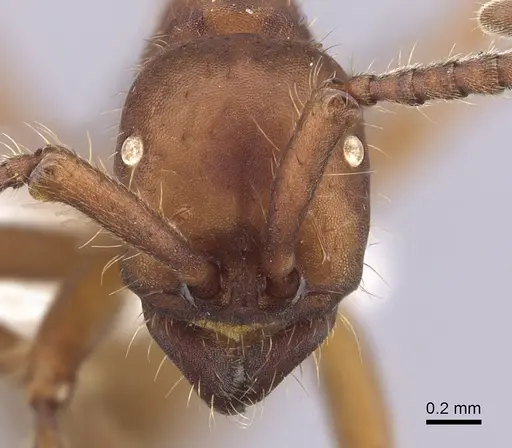
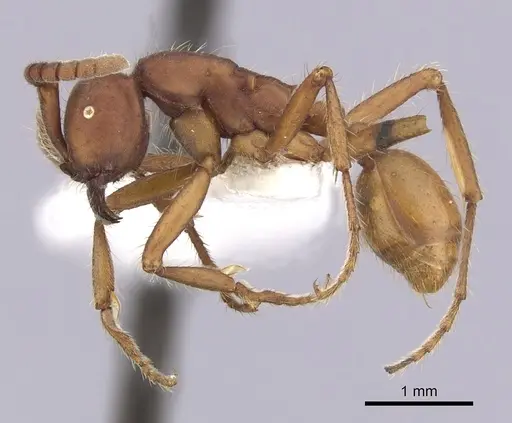
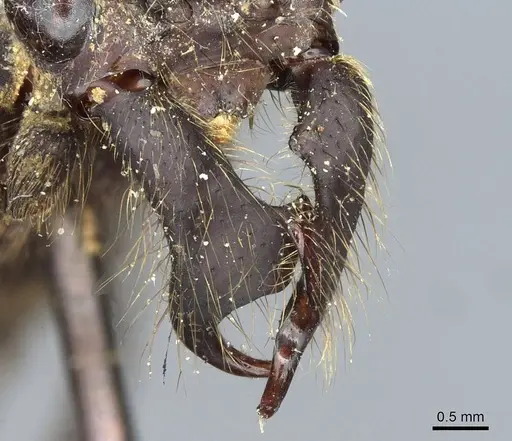
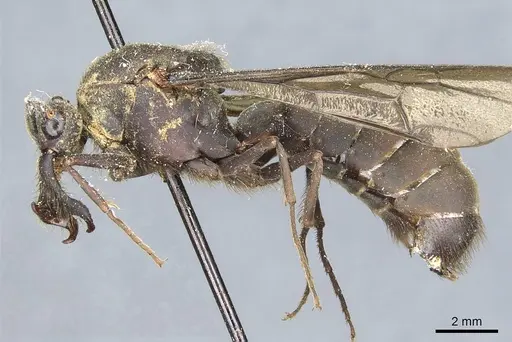
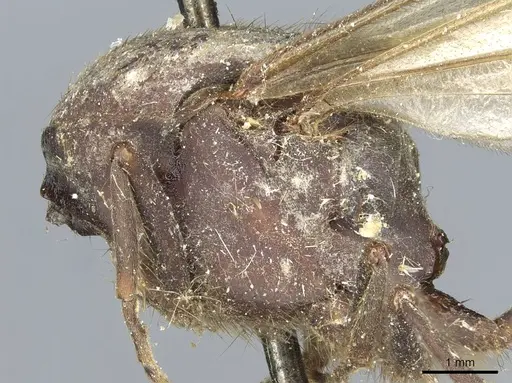
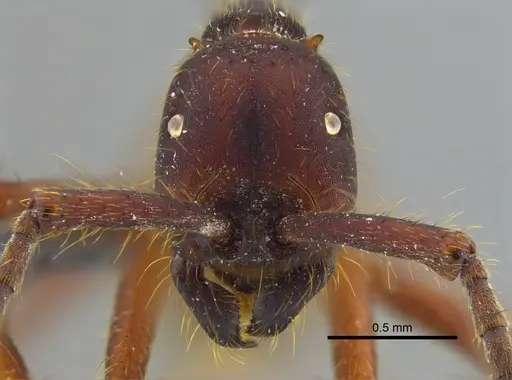
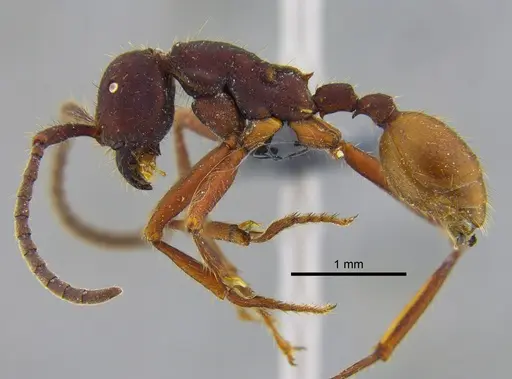
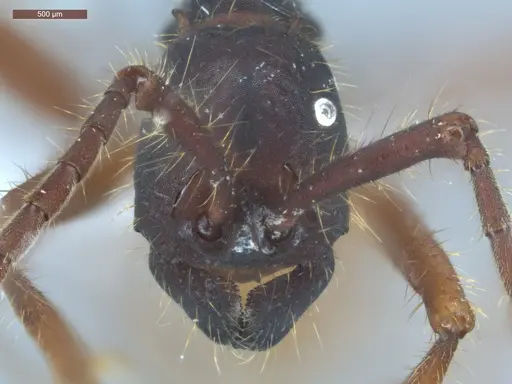
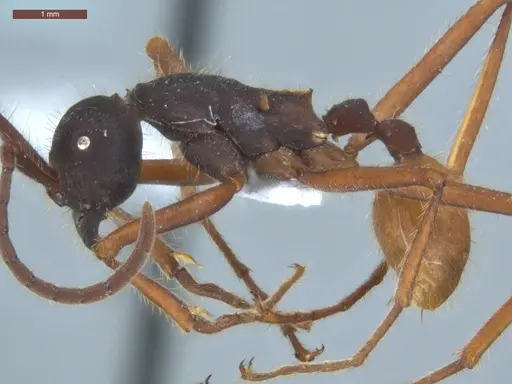
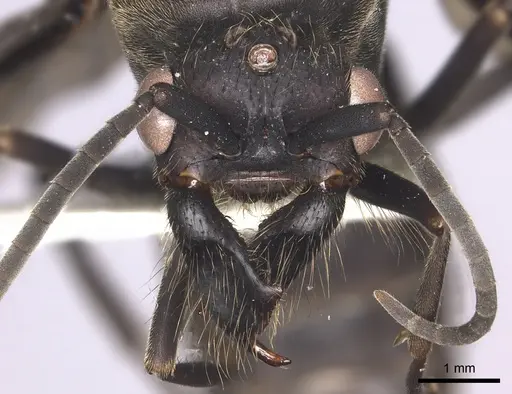
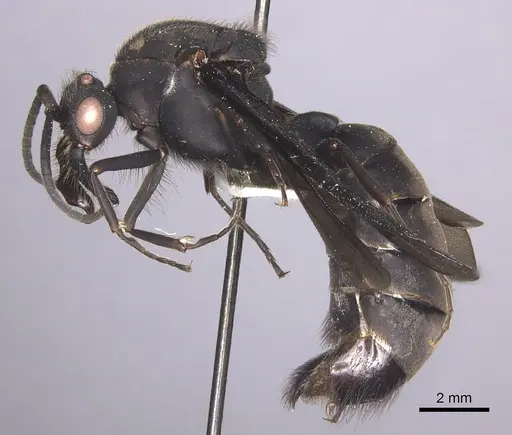
Eciton mexicanum is a medium-sized army ant found throughout the Neotropics, from Mexico down to Argentina. Workers are maroon to brown with a distinctive yellow-brown abdomen, measuring 11-13mm for major workers. Unlike many army ants, E. mexicanum lacks a submajor worker caste, all workers are monomorphic (same size). They are nocturnal predators that raid in columns rather than the carpet-like swarms seen in Eciton burchellii. These ants have a distinctive odor useful for field identification, especially at night. Their colonies are relatively small compared to other army ants and complete emigrations quickly. [1][2][3]
Quick Summary
- Difficulty: Expert
- Origin & Habitat: Neotropical region from Mexico to Argentina, found in both dry and wet forests from sea level to montane areas. Colonies bivouac (make temporary nests) in protected locations like garden debris, under logs, or in underground cavities. [3][4]
- Colony Type: Nomadic army ant colony, colonies are constantly on the move, establishing temporary bivouacs and raiding different areas. Unlike permanent-nesting ants, they do not maintain a fixed nest site. [4][5]
- Size & Growth:
- Queen: Queens are wingless and travel with the colony on foot [6]. Exact measurements not specified in available literature.
- Worker: Major workers: 11-13mm [1]. Workers are monomorphic (no size variation between workers), unlike most army ants which have multiple worker castes. [2][7]
- Colony: Colonies are relatively small compared to other army ant species. Exact numbers not specified in available literature.
- Growth: Moderate, colonies complete emigrations quickly [4]
- Development: Unknown, specific development timeline has not been documented for this species. (As a tropical army ant, development is likely faster than temperate species but exact timelines unconfirmed.)
- Antkeeping:
- Temperature: Keep at tropical temperatures around 24-28°C. These are warm-adapted ants native to lowland Neotropical forests. [8]
- Humidity: High humidity (70-80%) mimics their tropical forest floor habitat. Provide moisture at the bivouac site.
- Diapause: No, as a tropical species, they do not hibernate. Maintain consistent warm conditions year-round.
- Nesting: This species is NOT suitable for typical antkeeping setups. They are nomadic army ants that require: (1) Large spaces to conduct raids, (2) Ability to emigrate regularly, (3) Live ant prey (primarily Ectatomma and Pachycondyla species), (4) Dark conditions for nocturnal activity. Standard formicariums are inappropriate. [4][9]
- Behavior: Eciton mexicanum is primarily nocturnal, with most raid activity occurring at night. They raid in organized columns rather than the massive carpet swarms characteristic of E. burchellii. These ants are specialized predators that target primarily Ectatomma and Pachycondyla ant species, they are not generalist feeders. [9][4] Colonies become active at dusk and continue through the night, retreating to their bivouac at dawn. They are somewhat shy, when disturbed, raid columns stop and workers hide in vegetation. [9] Soldiers are rarely seen during raids but appear prominently during colony emigrations. [10] Workers and queens are completely wingless and can only travel on dry ground, making them unable to cross water bodies. [6]
- Common Issues: This species is NOT recommended for antkeeping, they are among the most difficult ants to keep successfully due to their nomadic lifestyle, specialized diet, and space requirements., Nomadic behavior means colonies must relocate regularly, keeping them in a fixed formicarium causes severe stress and colony failure., Specialized predation on other ants (Ectatomma, Pachycondyla) means they require live ant prey, cannot be fed typical ant foods, Colonies can become aggressive when disturbed, soldiers will flank emigration columns [10], Large colony size and roaming behavior make them impractical for home collection
Why This Species Is Not Recommended for Most Antkeepers
Eciton mexicanum is one of the most challenging ant species to keep in captivity, and honestly, it's not really suitable for typical antkeeping. These are nomadic army ants that fundamentally differ from most ant species kept in captivity. Unlike typical ants that build permanent nests, army ants establish temporary bivouacs and relocate every few days or weeks. They raid in columns across the forest floor, hunting other ants and arthropods. Replicating this lifestyle in captivity is extraordinarily difficult. [4] The specialized diet is another major hurdle, these ants primarily hunt Ectatomma and Pachycondyla ant species. [9][4] They are not generalist feeders and cannot survive on typical ant foods. You'd essentially need to maintain live colonies of prey ants to keep them fed. Additionally, they require large spaces to conduct raids, dark conditions (they're primarily nocturnal), and the ability to relocate their bivouac regularly. Most antkeepers simply cannot provide these conditions. [10] If you're interested in army ant behavior, it's far better to observe them in the wild or visit established ant zoos that have the resources to maintain them properly. [1]
Foraging and Predation Behavior
Eciton mexicanum is a specialized predator that hunts primarily at night. Unlike the famous Eciton burchellii which conducts massive carpet-like raids, E. mexicanum raids in organized columns. [3] They show a strong preference for Ectatomma ants and other large ponerine ants (Pachycondyla and relatives). [9][4] Field observations in Costa Rica found their prey consisted mainly of large ponerines in these genera. [3] Colonies become active at the start of night, with the raid front advancing through the forest and retreating to the bivouac at dawn. [4] Research shows they are significantly more active during nighttime hours, studies in Costa Rica found nearly double the raid encounter rates at night compared to day. [11] When disturbed during raids, they are somewhat shy, columns stop and workers hide in vegetation rather than attacking aggressively. [9] This makes them less dangerous to handle than some other army ant species.
Colony Movement and Emigration
Army ant colonies must relocate regularly, this is called the nomadic phase. E. mexicanum has been observed conducting a unique 'emigrating on the fly' behavior where the colony moves to a new bivouac site. [10] Observed emigrations start around 5:30 PM and continue through the night. The colony sends out a raid column that eventually connects to a new bivouac location. Unlike many army ants, E. mexicanum emigrations can be discontinuous, the advancing cluster of workers is not always connected to the new bivouac by an unbroken stream. [10] Research in Costa Rica documented an emigration where workers carried prey items in the early phase, then later carried army ant larvae. The presence of large larvae indicated the colony was in the late-nomadic phase of its cycle. [10] Soldiers that are rarely seen during raids become prominent during emigrations, flanking the column for defense. [10] This constant movement is why keeping them in captivity is so challenging, they simply won't stay in one place. [4]
Thermal Biology
As a tropical species, E. mexicanum is adapted to warm conditions. Research on thermal tolerances has been conducted, with both upper (CTmax) and lower (CTmin) thermal limits recorded in datasets. [8] They are found from sea level to montane areas in both dry and wet forests, suggesting some flexibility, but they clearly require warm temperatures year-round. [3] Unlike temperate ants that can tolerate cooler conditions, these ants would suffer in typical room temperature homes without heating. Their activity patterns are temperature-influenced, they become active at dusk when temperatures drop from daytime highs. [4] The combination of being a tropical species AND a nocturnal forager means they need consistently warm (24-28°C), humid conditions to thrive. [8]
Natural Predators and Ecological Role
Despite being formidable predators themselves, E. mexicanum workers fall prey to other animals. Research in Brazil found them in the stomach contents of worm lizards (Amphisbaena alba and A. fuliginosa), with one specimen containing 9 individuals and another containing 1. Notably, one of the prey items was a large soldier, showing these predators can handle even the most aggressive workers. [12] This documents that amphisbaenians actively hunt army ant colonies, attacking even potentially aggressive ants. Eciton mexicanum also hosts various myrmecophilous (ant-loving) organisms. They are known hosts for the mite Acotyledon mystax in Ecuador. [13] Like other army ants, they likely carry numerous commensal organisms in their bivouacs, though this aspect of their ecology is less studied. [1]
Frequently Asked Questions
Can I keep Eciton mexicanum in a test tube or formicarium?
No. This species is not suitable for any standard antkeeping setup. Army ants are nomadic, they need to relocate regularly and conduct raids across open ground. Keeping them in a fixed formicarium will cause colony failure. They require large spaces, live ant prey, and the ability to emigrate. This is an expert-only species that even professional zoos struggle to maintain. [4]
What do Eciton mexicanum eat?
They are specialized predators that primarily hunt other ants, especially Ectatomma and Pachycondyla species. They do not eat typical ant foods, sugar water, or protein foods like most ant species. Keeping them would require maintaining live colonies of appropriate prey ants, something that is extremely difficult to do. [9][4]
Are Eciton mexicanum dangerous? Do they sting?
They can deliver painful bites and stings, and soldiers will defend the colony during emigrations. However, they are considered somewhat shy compared to other army ants, when disturbed during raids, they typically stop and hide rather than attacking aggressively. [9] Still, a colony of thousands of ants capable of coordinated raids should be respected. [1]
How big do Eciton mexicanum colonies get?
Colonies are relatively small compared to other army ant species like Eciton burchellii. Exact colony sizes are not well-documented in the literature, but they complete emigrations more quickly than larger army ant species. [4]
Do they need hibernation or diapause?
No. As a tropical species from the Neotropics (Mexico to Argentina), they do not hibernate. They require consistent warm, humid conditions year-round. [3]
Are they good for beginners?
Absolutely not. This is one of the most difficult ant species to keep, requiring conditions that most antkeepers cannot provide. They need live ant prey, large spaces for roaming, the ability to relocate their bivouac regularly, and dark/nocturnal conditions. Even experienced antkeepers should not attempt this species. [4]
Why do they raid at night?
Eciton mexicanum is primarily nocturnal. Research shows significantly more foraging activity at night compared to day, nearly double the raid encounter rates. [11] This likely helps them avoid predators and compete less with diurnal predators. They become active at dusk and retreat to their bivouac at dawn. [4]
Can I find Eciton mexicanum in the United States?
No. Their range is the Neotropics, from Mexico through Central America to Argentina. They do not occur in the United States. [14][15]
What makes Eciton mexicanum different from Eciton burchellii?
E. mexicanum is much less aggressive and raids in columns rather than the massive carpet swarms that make E. burchellii famous. They are primarily nocturnal, while E. burchellii often raids during the day. E. mexicanum colonies are also smaller and complete emigrations more quickly. Additionally, E. mexicanum lacks a submajor worker caste, all workers are the same size. [3][2][7]
What's a bivouac?
A bivouac is a temporary nest that army ants create rather than a permanent colony structure. Army ants don't build permanent nests like typical ants. Instead, they form a living cluster of ants (the bivouac) in protected locations like under logs, in hollow trees, or underground. They relocate to new bivouac sites regularly as they deplete prey in an area. [4][10]
References

This caresheet is licensed under CC BY-SA 4.0 .
CASENT0006116
View on AntWeb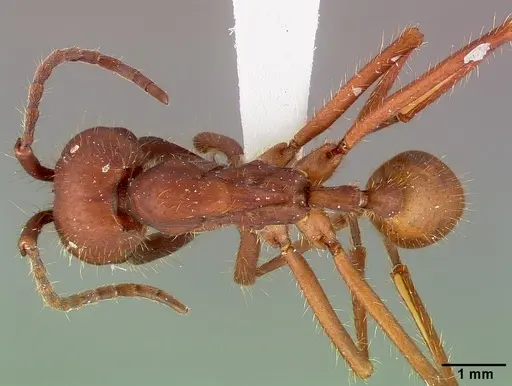
CASENT0006117
View on AntWeb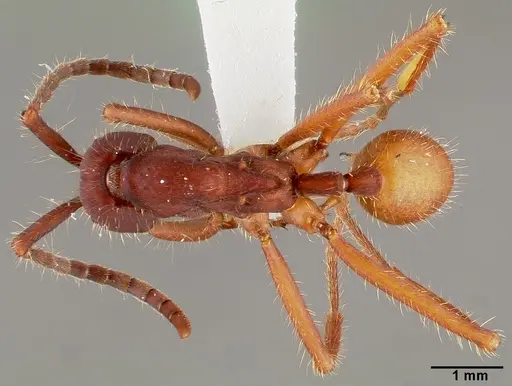
CASENT0006118
View on AntWeb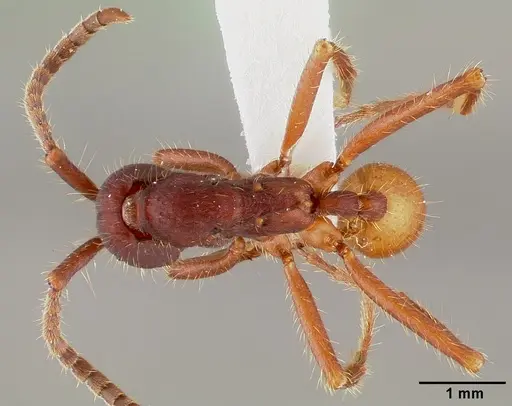
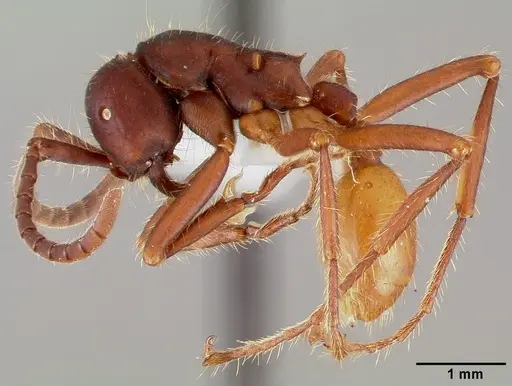
CASENT0178720
View on AntWeb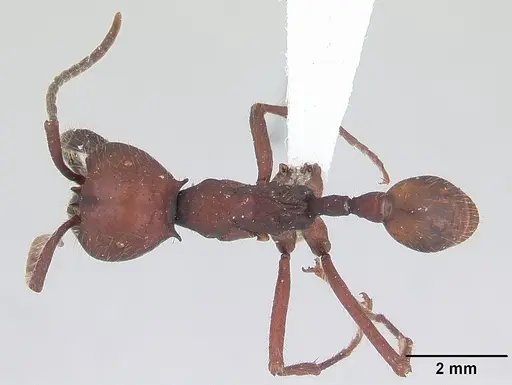
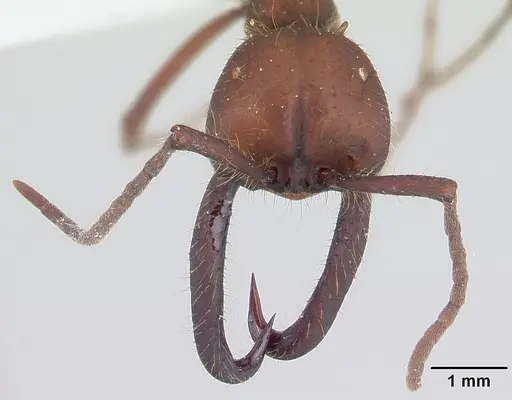
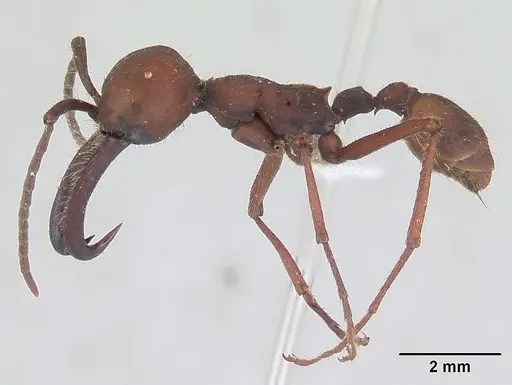
CASENT0178721
View on AntWeb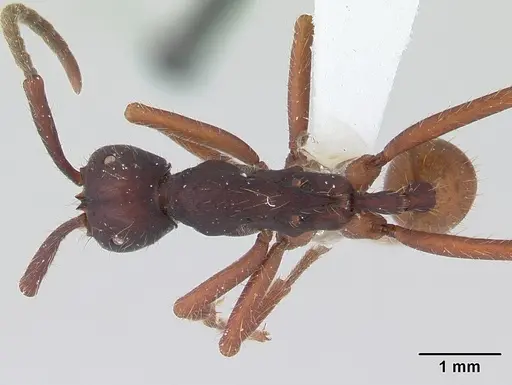
CASENT0248145
View on AntWeb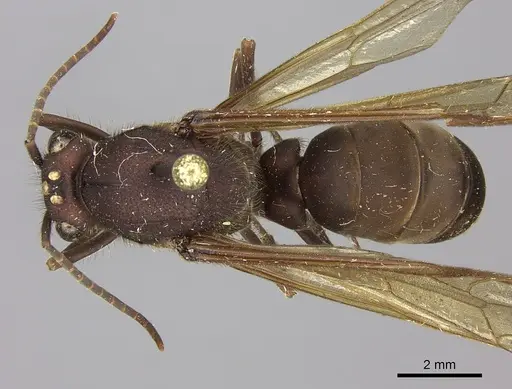
CASENT0249460
View on AntWeb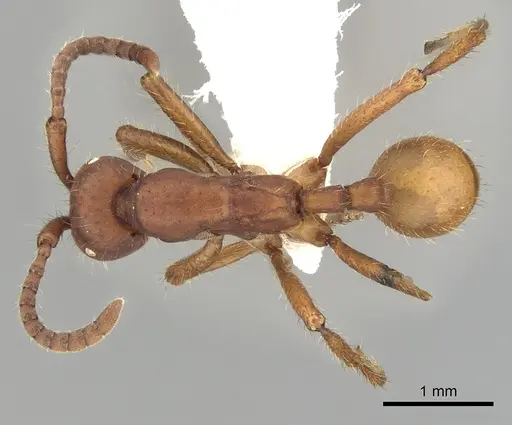
CASENT0911373
View on AntWeb
CASENT0911387
View on AntWeb
CBUMAGENT41920
View on AntWeb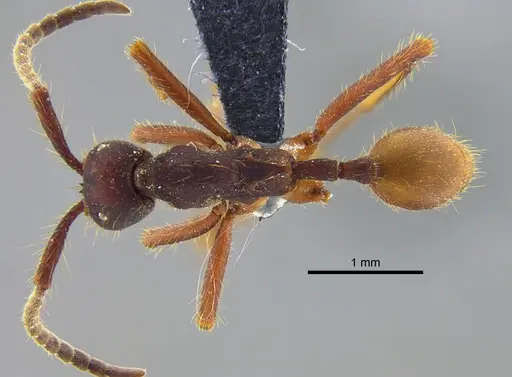
ECOFOG-BAF19-0038-02
View on AntWeb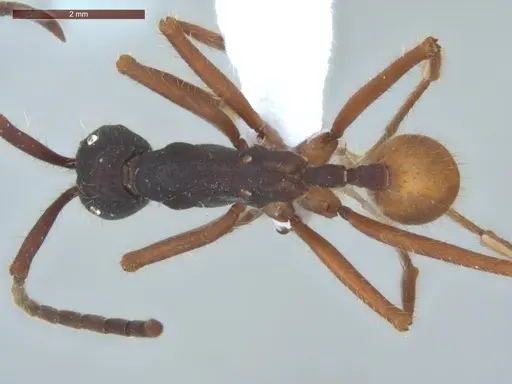
INBIOCRI002281368
View on AntWeb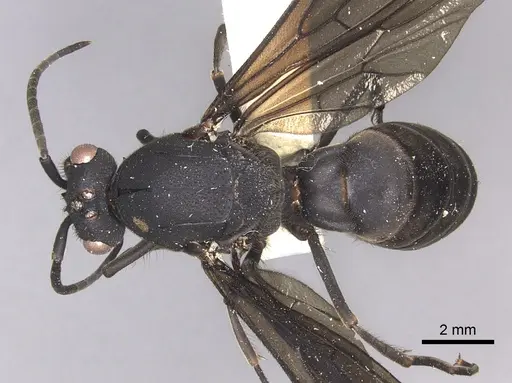
Literature
Loading...Loading products...