

Eciton dulcium
- Scientific Name
- Eciton dulcium
- Subfamily
- Dorylinae
- Author
- Forel, 1912
- Distribution
- Found in 10 countries
Eciton dulcium Overview
Eciton dulcium is an ant species of the genus Eciton. It is primarily documented in 10 countries , including Argentina, Brazil, Colombia. Detailed taxonomic data and occurrence records can be further explored via authoritative databases such as AntWeb or the Global Biodiversity Information Facility (GBIF).
Eciton dulcium
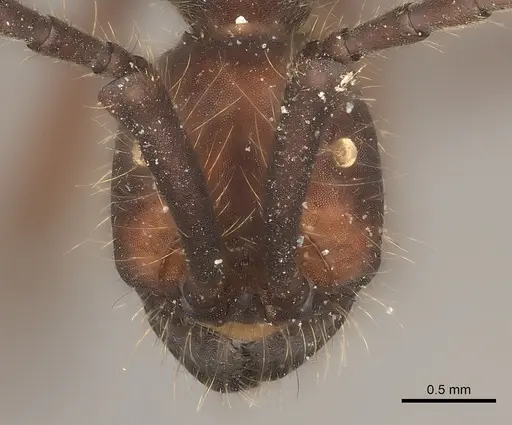
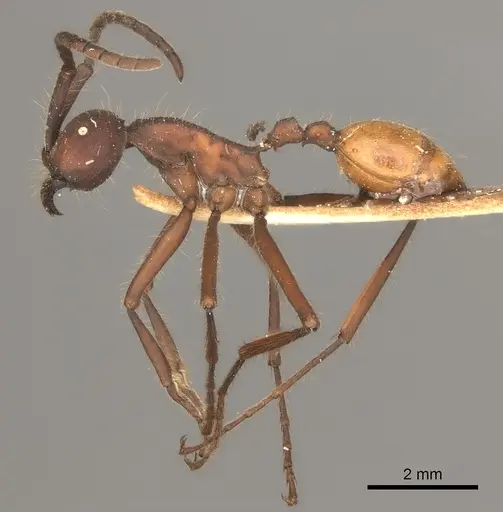
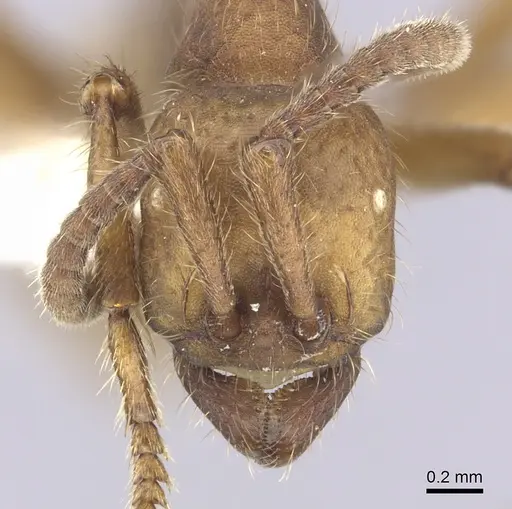
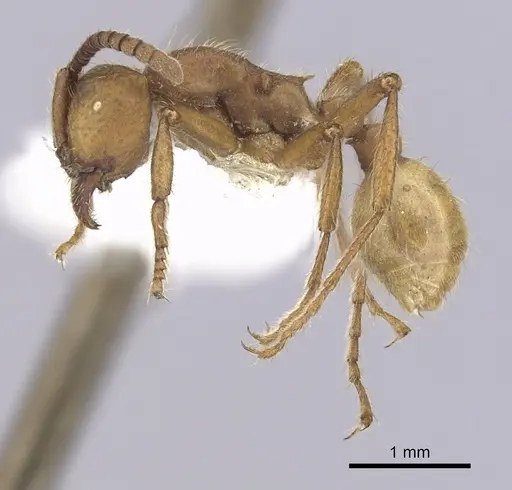
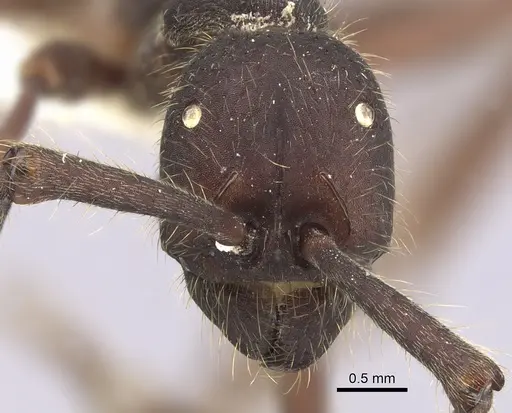
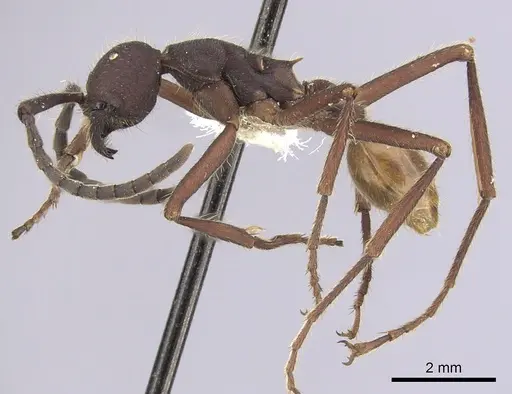
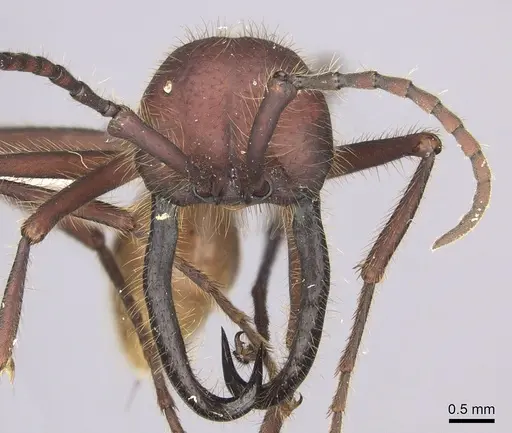
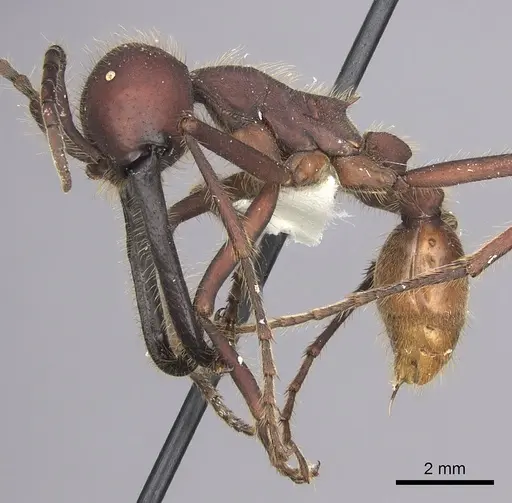
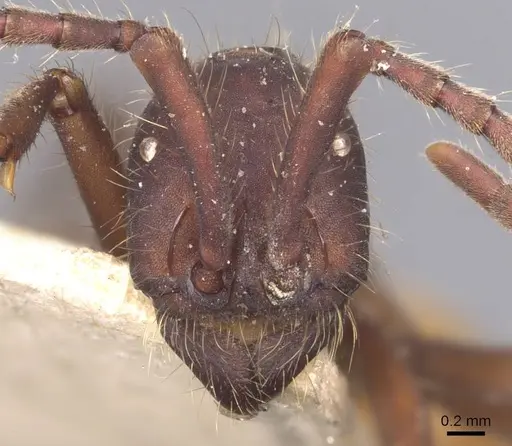
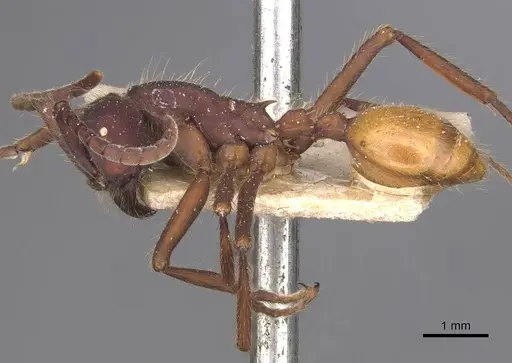
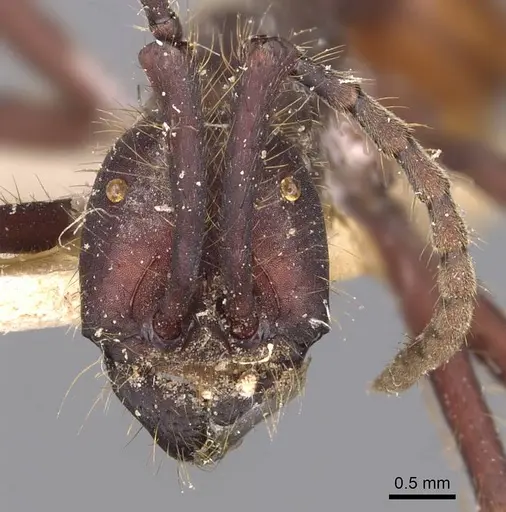
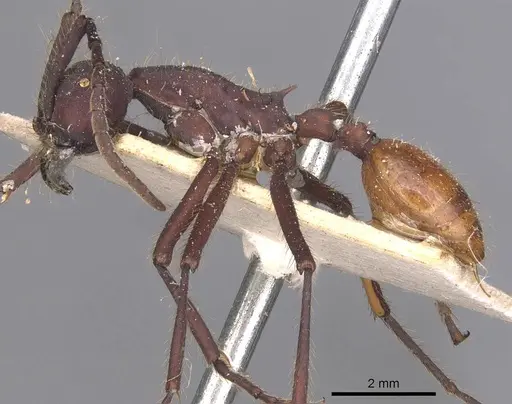
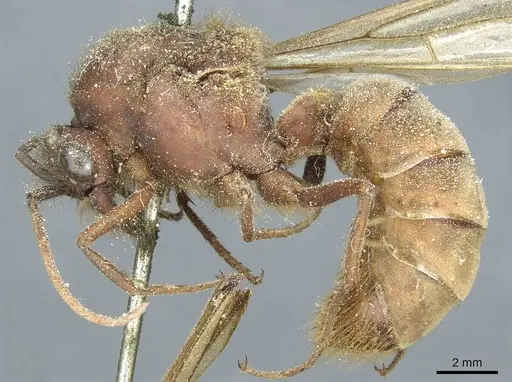
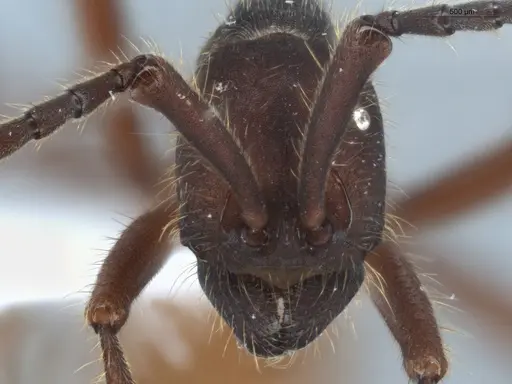
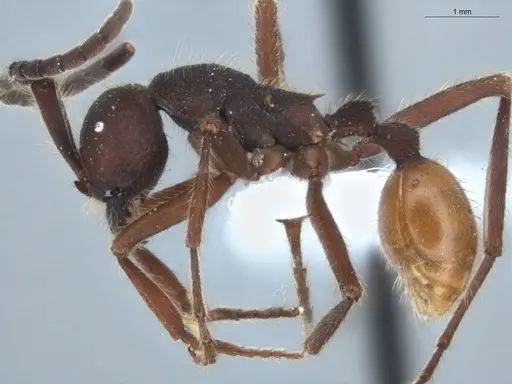
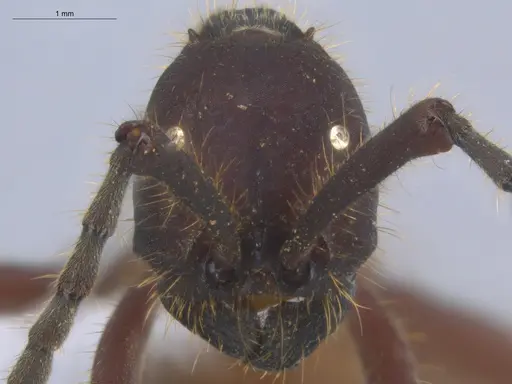
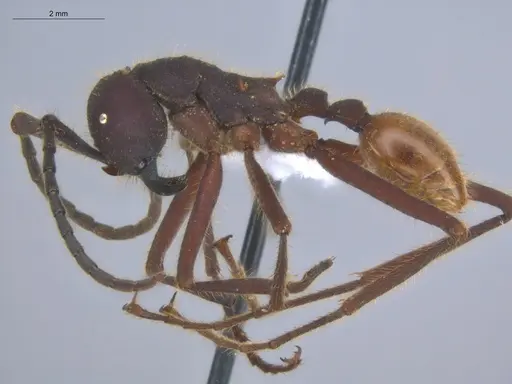
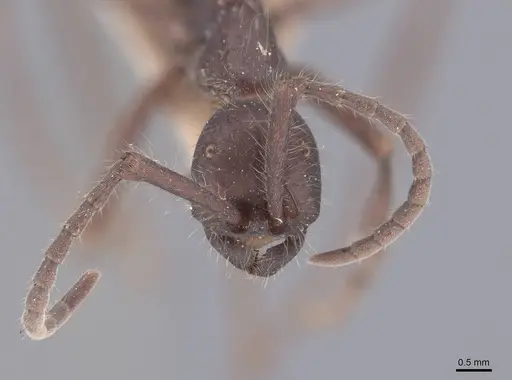
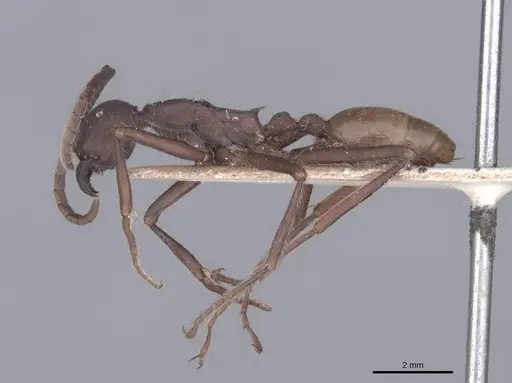
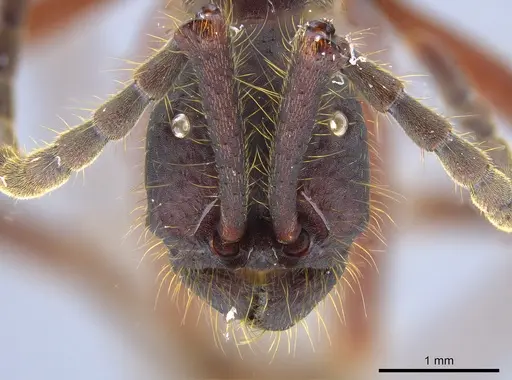
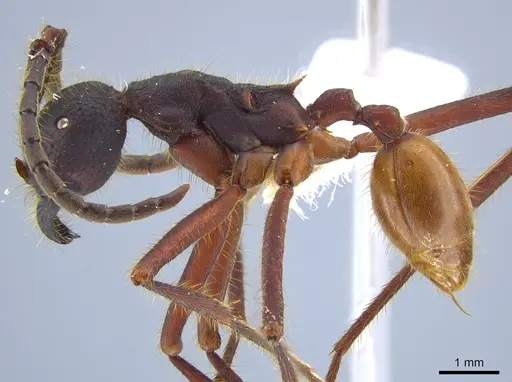
Eciton dulcium is a Neotropical army ant found across northern South America, from Panama down to Argentina. Workers are reddish-brown to dark brown, with a distinctively elongated body and large, sickle-shaped mandibles in soldiers. Unlike many army ants, E. dulcium lacks a submajor worker caste, all workers are relatively similar in size. This species is a specialized predator that exclusively hunts other ants, particularly Odontomachus and Pachycondyla species. Colonies are relatively small compared to other army ants like E. burchellii, typically containing fewer than 100,000 workers. They conduct nocturnal raids, emerging at night to form sparse raiding columns that hunt down their prey in the leaf litter and soil.
Quick Summary
- Difficulty: Expert
- Origin & Habitat: Found across the Neotropical region including Argentina, Brazil, Colombia, and Paraguay. In Colombia, recorded in Amazonas, Huila, and Valle del Cauca departments. They inhabit tropical and subtropical forests, primarily ground-dwelling in leaf litter and soil [1][2][3].
- Colony Type: Colony structure is not fully documented in scientific literature. Like other Eciton species, they likely have a single queen (monogyne) with colony sizes smaller than E. burchellii and E. hamatum [4].
- Colony: Monogyne
- Size & Growth:
- Queen: Not directly measured in available literature, estimated based on genus patterns [5].
- Worker: Non-major workers: 0.4-12.3 mg dry weight, Major caste: 15.3-18.3 mg dry weight [5]. Workers are monomorphic, no distinct submajor caste exists [6][5].
- Colony: Relatively small compared to E. burchellii and E. hamatum, likely under 100,000 workers [4].
- Growth: Moderate, unknown exact timeline
- Development: Unknown, no direct development studies available for this species (Development timeline has not been documented in scientific literature. Related Eciton species typically take 4-8 weeks at optimal temperatures.)
- Antkeeping:
- Temperature: As a Neotropical species, they likely require warm conditions around 24-28°C. No specific studies on their thermal requirements exist, infer from related species and their forest floor habitat [4].
- Humidity: Forest floor species requiring high humidity. Keep substrate consistently moist but not waterlogged. Their natural habitat in leaf litter and soil maintains high humidity [4].
- Diapause: Unknown, no documented overwintering behavior. As a tropical species, they likely do not require true diapause but may reduce activity during dry seasons [4].
- Nesting: In nature, they create bivouac nests in protected locations, often underground or under cover. They emigrate frequently (every few days during nomadic phase) and establish new bivouacs near raid fronts [4]. Captive housing requires a large outworld with multiple chambers for bivouac construction and frequent relocation capability.
- Behavior: Eciton dulcium is a specialized, aggressive predator with nocturnal raiding behavior. Colonies become active at dusk and conduct raids throughout the night, returning to bivouac by dawn. They form sparse raiding columns rarely exceeding 2 meters width, with traffic often only one ant wide. Workers have functional stings and will defend aggressively. They are excellent escape artists due to their small size and active foraging behavior. Their specialized diet of only ponerine ants (Odontomachus and Pachycondyla) makes feeding challenging in captivity [4][7][6].
- Common Issues: Specialized diet makes captive feeding extremely difficult, they only accept live ponerine ant prey, Frequent colony relocation (bivouac emigration) requires spacious housing and may stress colonies, Nocturnal activity pattern means most keeper interaction happens in evening hours, Small colony size compared to other army ants limits viewing opportunities, Escape prevention is critical, small workers can slip through standard barriers
Housing and Enclosure Setup
Eciton dulcium presents unique housing challenges due to their nomadic lifestyle and specialized predatory behavior. Unlike most ant species that settle permanently in one nest, army ants emigrate their bivouac every few days during the nomadic phase. This means you need a large outworld (at least 40x30cm minimum) with multiple potential bivouac sites. Provide dark, enclosed spaces like cardboard boxes, cork bark piles, or artificial bivouac chambers that can serve as nest sites. The outworld should be heavily cluttered with leaf litter, soil, and hiding structures to simulate their natural forest floor environment. Use a deep substrate layer (at least 5cm) of moist soil/leaf litter mixture. Escape prevention is critical, use fluon on all enclosure edges and ensure any ventilation is fine mesh. These ants are small and can squeeze through surprisingly small gaps. [4][7]
Feeding and Diet - The Critical Challenge
This is the most challenging aspect of keeping Eciton dulcium. They are extreme dietary specialists, in the wild, they exclusively prey on ponerine ants, particularly Odontomachus (trap-jaw ants) and Pachycondyla species [4][7]. This strict diet has been quantitatively confirmed in field studies showing 53% Odontomachus and 47% Pachycondyla prey [5]. In captivity, you would need to maintain cultures of these specific ant species as live prey. This makes E. dulcium essentially impossible for most hobbyists to keep long-term. They do NOT accept honey, sugar water, or dead insects, they are obligate predators of live ant brood and adults. Even if you could provide Odontomachus prey, the prey colonies would also need to be maintained. This species is truly expert-only and not recommended unless you have extensive experience maintaining multiple ant colonies simultaneously.
Nocturnal Raiding Behavior
Understanding their activity pattern is essential for observation. Eciton dulcium conducts nocturnal raids, colonies remain quiescent in their bivouac during the day, then become active at dusk around 7-10 pm [4]. The raid column extends rapidly from the bivouac, with the attack front rarely exceeding 2 meters width. Unlike the massive swarm raids of E. burchellii, E. dulcium forms sparse columns with individuals often widely spaced [4]. They hunt through leaf litter and can go underground briefly near the bivouac. At dawn, the attack retracts and the colony emigrates to a new bivouac site near the previous night's raid front. This means you'll do most of your observing in evening and night hours. The bivouac itself is a temporary structure made of interlocking worker bodies, not a permanent nest.
Colony Structure and Caste System
Unlike many Eciton species that have distinct worker castes (majors, submajors, minors), Eciton dulcium has a relatively monomorphic worker force with no true submajor caste [6][5]. The major caste (soldiers with enlarged heads and mandibles) exists but is not dramatically larger than workers. This is thought to be related to their specialized prey, since they hunt slender, cylindrical ponerine ant larvae that resemble Eciton larvae in shape, they don't need the extreme size variation for prey transport that other army ants have [6]. They achieve the highest loading efficiency of all Eciton species studied, meaning they can carry prey relative to their body size more effectively [6]. The colony size is smaller than E. burchellii or E. hamatum, likely under 100,000 workers [4].
Defense and Sting
Eciton dulcium workers possess functional stings and will use them when threatened. Their mandibles, while not as dramatically enlarged as some army ant soldiers, can still deliver a painful bite. When defending the bivouac or raiding columns, they release alarm pheromones that trigger aggressive swarming behavior. The mandibular gland secretions contain specific chemical compounds including 4-methylheptan-3-one and 4-methylheptan-3-ol, which likely play roles in alarm and defense communication [8]. When handling or working around this species, exercise caution, while the sting is not dangerous to healthy humans, it can be painful and some individuals may have allergic reactions.
Associated Species and Symbionts
Like other army ants, Eciton dulcium hosts a remarkable community of guest organisms. A notable associate is the microhisterid beetle Bacanius species, found in refuse deposits of their bivouacs [9]. Many other arthropods have evolved to mimic army ants or live in close association with their colonies. These include various beetle species (rove beetles in the genus Ecitophilus), flies, and other invertebrates that have developed chemical and behavioral adaptations to infiltrate army ant colonies. While fascinating from a biological perspective, these associations are not relevant to captive care and should not be a goal for keepers.
Frequently Asked Questions
Can I keep Eciton dulcium as a beginner antkeeper?
No. This species is not recommended for beginners or even intermediate antkeepers. Their extremely specialized diet of only live ponerine ant prey (Odontomachus and Pachycondyla) makes them nearly impossible to keep long-term in captivity. They require maintaining live prey colonies alongside the army ant colony, plus their nomadic bivouac behavior requires complex housing setups. This is an expert-only species.
What do Eciton dulcium eat in captivity?
In theory, they would need live ponerine ant prey, specifically Odontomachus and Pachycondyla species. However, maintaining these prey colonies is extremely difficult and the setup required makes this species impractical for virtually all antkeepers. They do not accept honey, sugar water, or dead insects. This species is essentially impossible to keep fed long-term in captivity.
How long does it take for first workers to emerge?
The development timeline for Eciton dulcium has not been documented in scientific literature. Based on related Eciton species, egg-to-worker development likely takes 4-8 weeks at optimal temperatures, but this is an estimate rather than confirmed data.
What size do Eciton dulcium colonies reach?
Colonies are relatively small compared to other famous army ants like E. burchellii. Based on field observations, colonies likely reach under 100,000 workers [4]. They have no true submajor caste, workers range from 0.4-12.3 mg with majors at 15.3-18.3 mg dry weight [5].
When are Eciton dulcium most active?
They are strictly nocturnal. Colonies remain inactive in their bivouac during daylight hours, then become active at dusk around 7-10 pm. Raiding continues throughout the night, and by dawn the colony emigrates to a new bivouac site. You'll need to observe them in evening and night hours.
Do Eciton dulcium need hibernation?
Unknown. As a Neotropical species from tropical and subtropical forests, they likely do not require true hibernation. They may reduce activity during certain seasons in the wild, but this is not well-documented. Do not attempt hibernation without specific guidance from experienced keepers.
Can I keep multiple queens together?
Not documented. Like other Eciton species, they likely form single-queen colonies, but colony founding behavior has not been specifically studied for this species. Do not attempt combining unrelated queens.
Is Eciton dulcium a good species for antkeeping?
No. While fascinating from a biological perspective, this species is not suitable for captive keeping due to its extreme dietary specialization. The requirement for live Odontomachus and Pachycondyla prey makes long-term maintenance essentially impossible for hobbyists. If you're interested in army ants, consider more adaptable species like Eciton burchellii or non-army ant species that accept standard diets.
References

This caresheet is licensed under CC BY-SA 4.0 .
CASENT0217478
View on AntWeb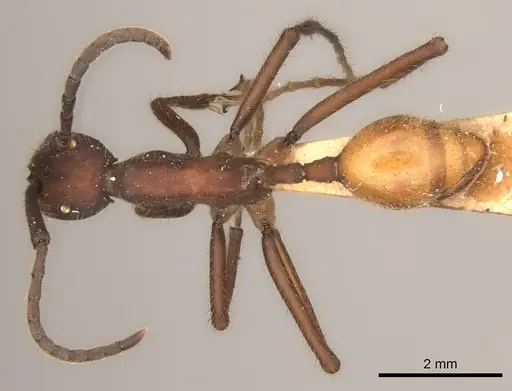
CASENT0249454
View on AntWeb
CASENT0249455
View on AntWeb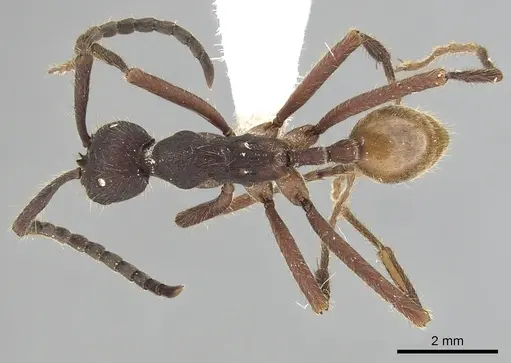
CASENT0619174
View on AntWeb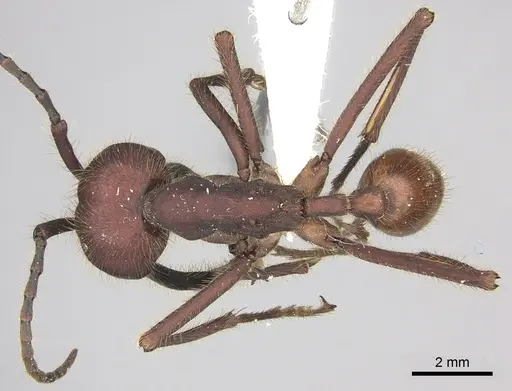
CASENT0905939
View on AntWeb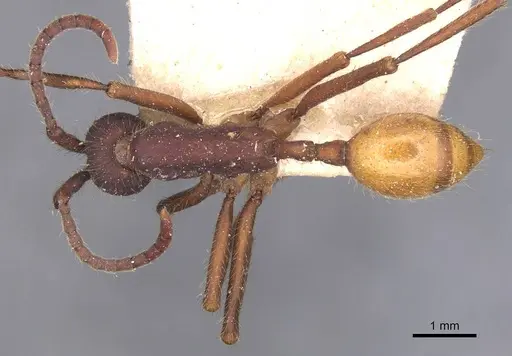
CASENT0905940
View on AntWeb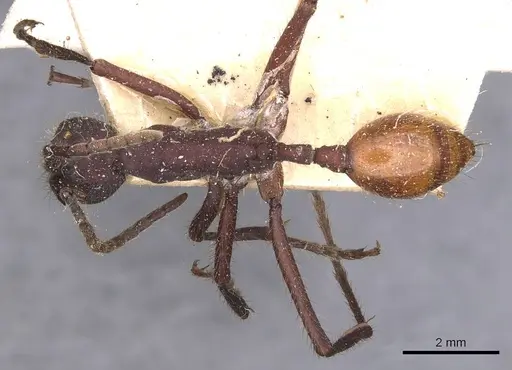
CASENT0911378
View on AntWeb
ECOFOG-BAF19-0022-02
View on AntWeb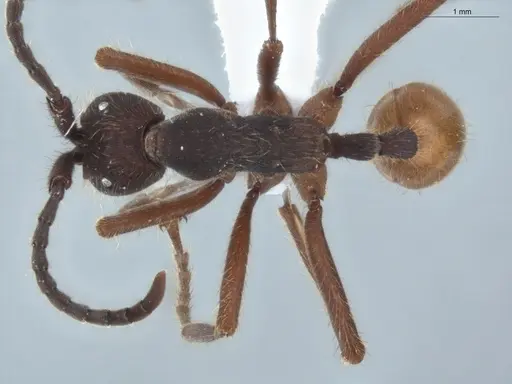
ECOFOG-KOT23-0266-10
View on AntWeb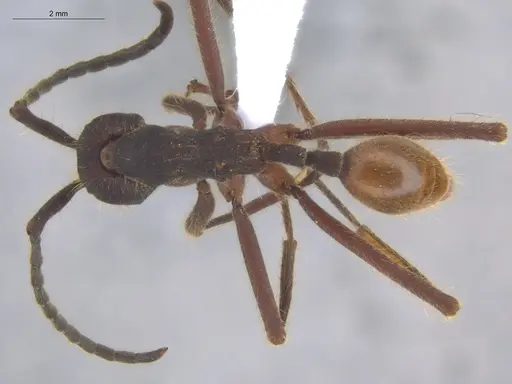
FMNHINS0000045232
View on AntWeb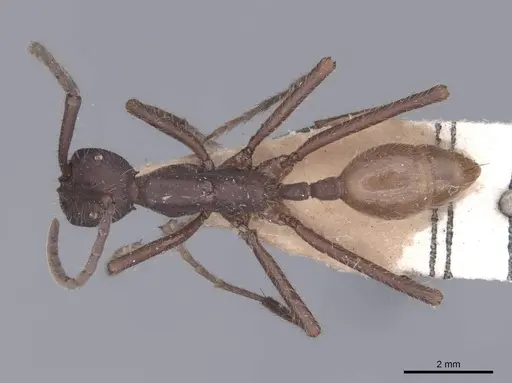
JTLC000008184
View on AntWeb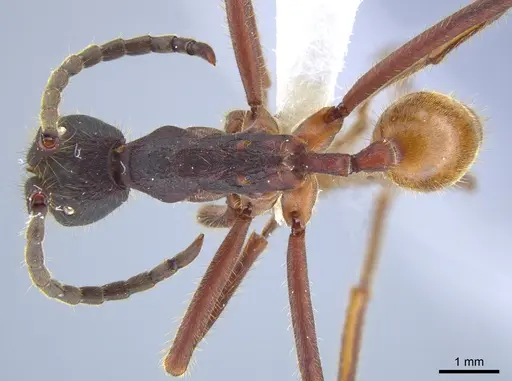
Literature
Loading...Loading products...