
Dorymyrmex flavus shows a May to September flight window. Peak activity occurs in August, with nuptial flights distributed across 5 months.
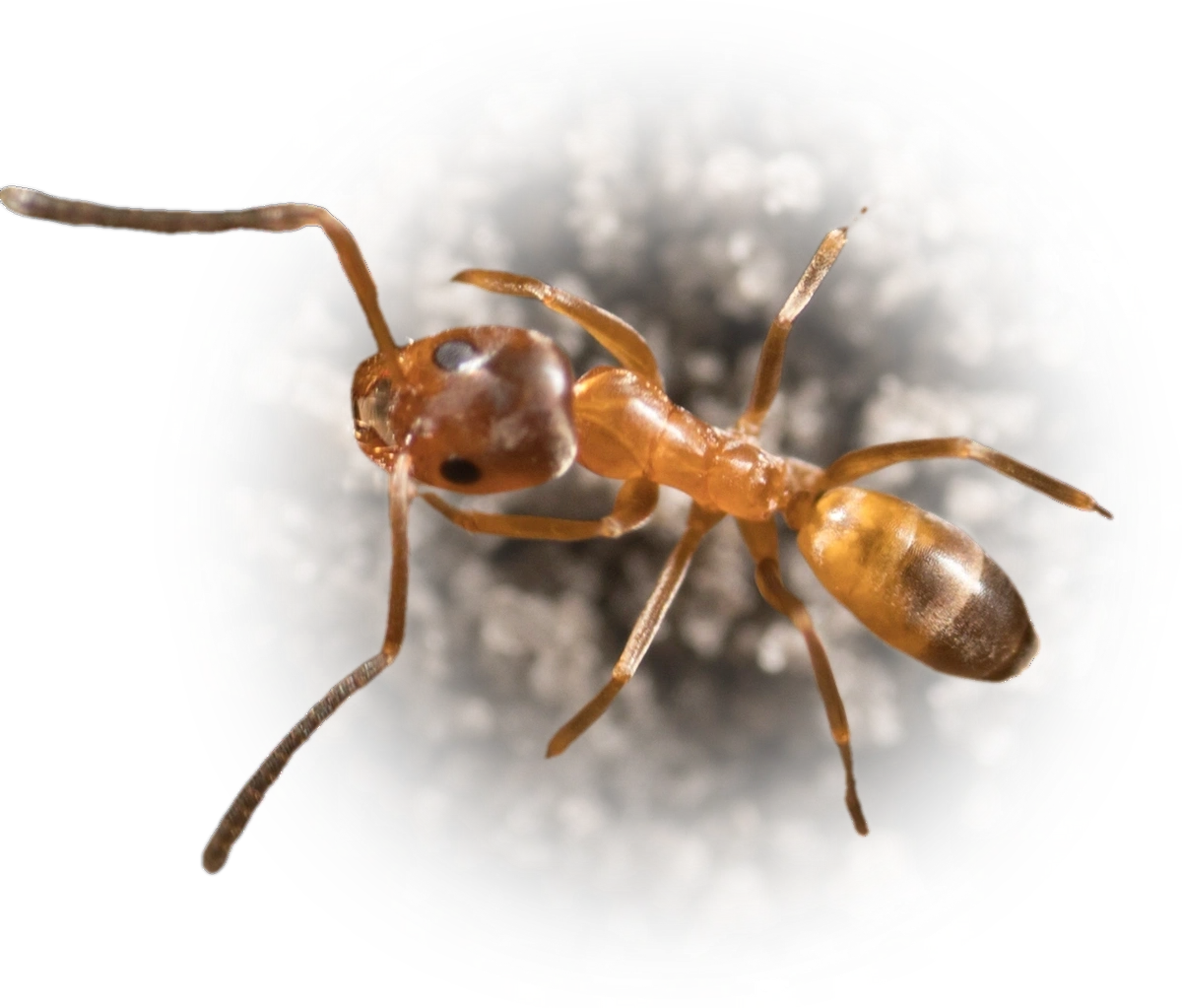
Dorymyrmex flavus
- Scientific Name
- Dorymyrmex flavus
- Tribe
- Leptomyrmecini
- Subfamily
- Dolichoderinae
- Author
- McCook, 1880
- Common Name
- Yellow Pyramid Ant
- Distribution
- Found in 2 countries
- Nuptial Flight
- from May to September, peaking in August
AI Identifiable
try →
Dorymyrmex flavus Overview
Dorymyrmex flavus (commonly known as the Yellow Pyramid Ant) is an ant species of the genus Dorymyrmex. It is primarily documented in 2 countries , including Mexico, United States of America. Detailed taxonomic data and occurrence records can be further explored via authoritative databases such as AntWeb or the Global Biodiversity Information Facility (GBIF).
The nuptial flight of Dorymyrmex flavus is a significant biological event, typically occurring from May to September, peaking in August. During this time, winged queens and males leave the nest to mate and establish new colonies.
Dorymyrmex flavus - "Yellow Pyramid Ant"
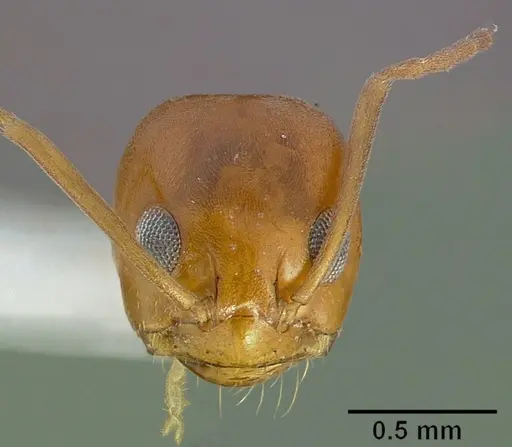
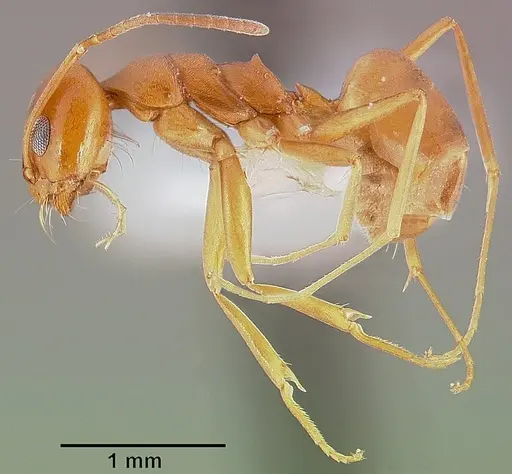
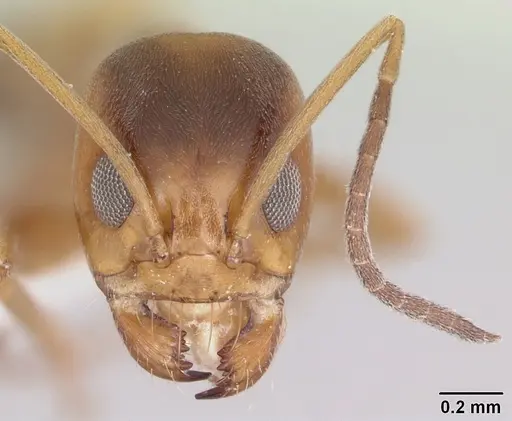
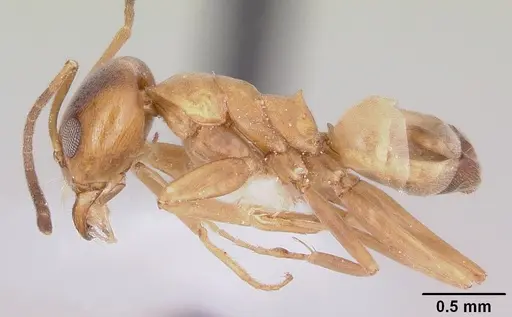
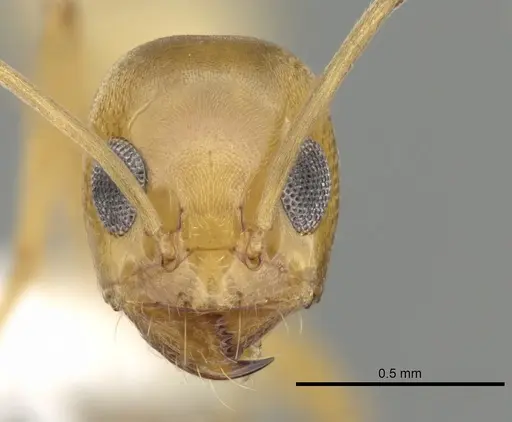
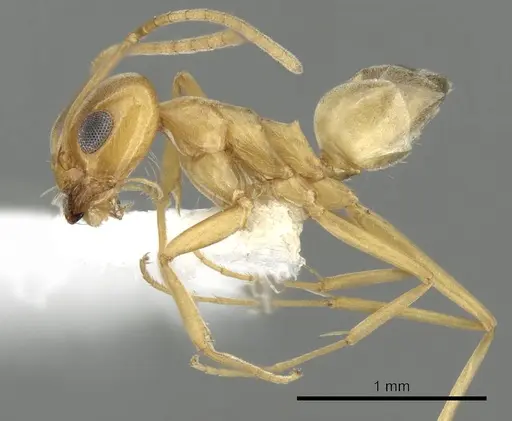
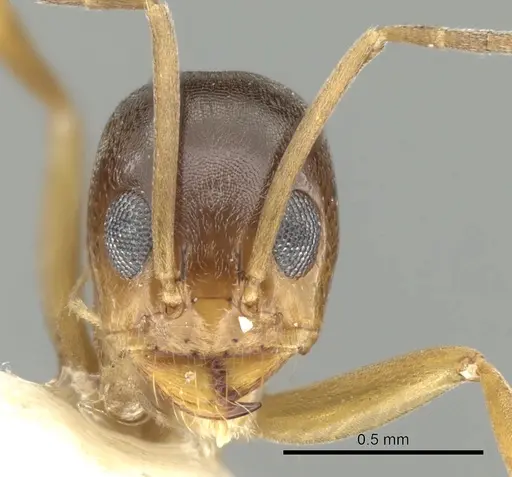
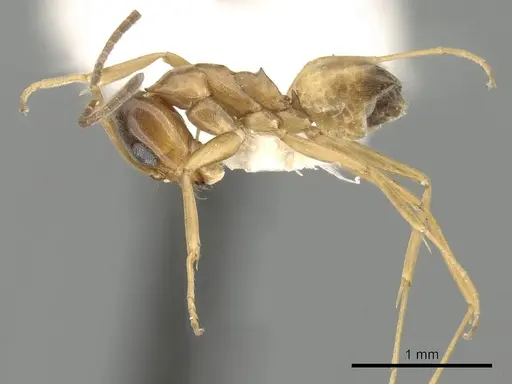
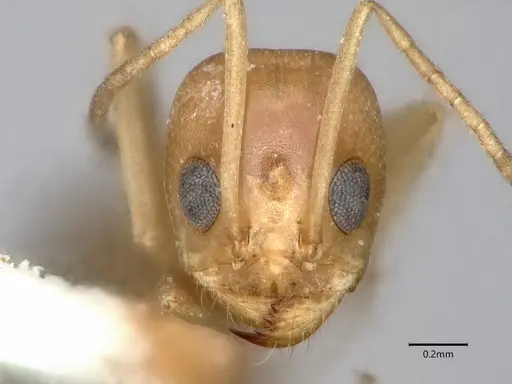
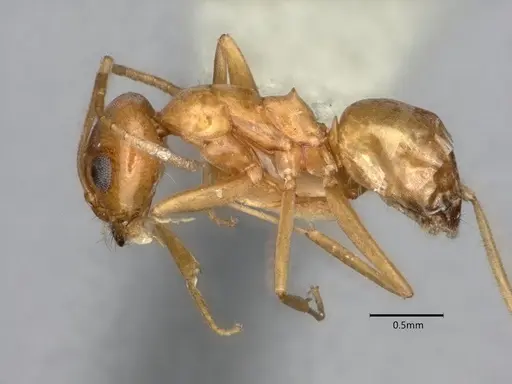
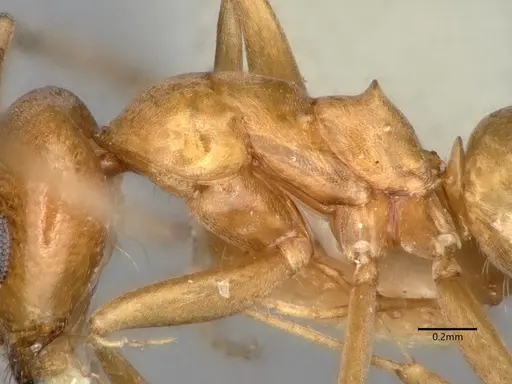
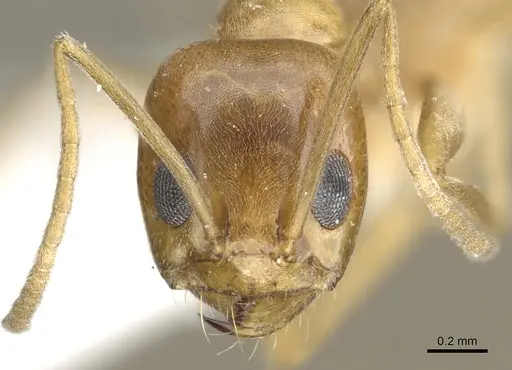
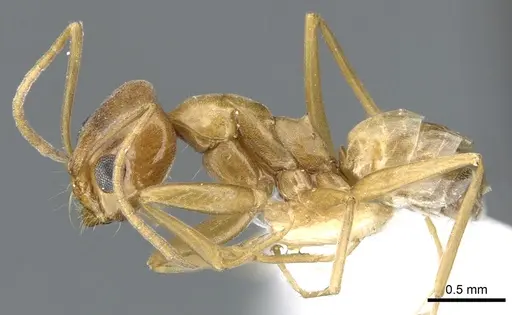
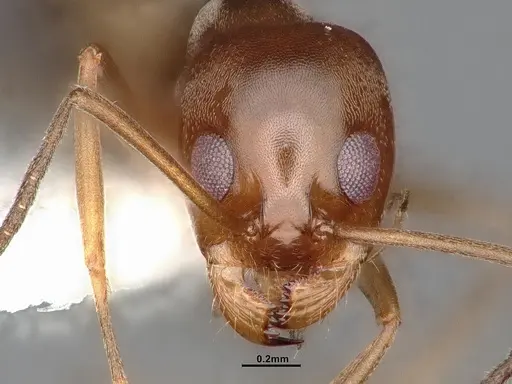
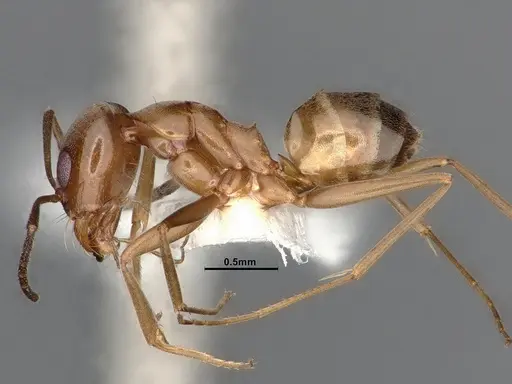
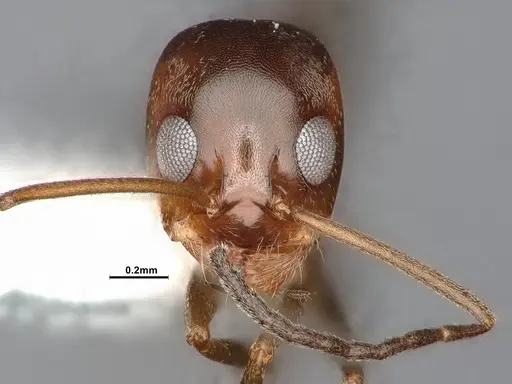
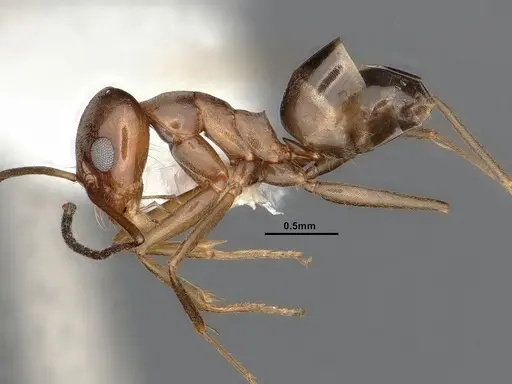
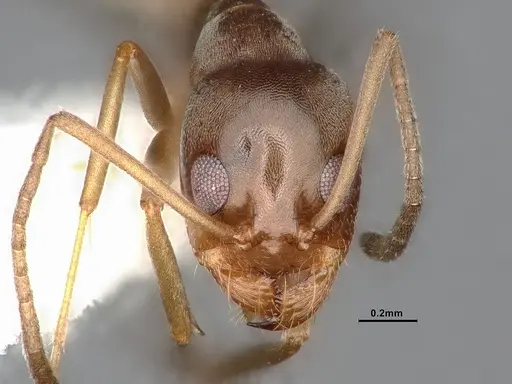
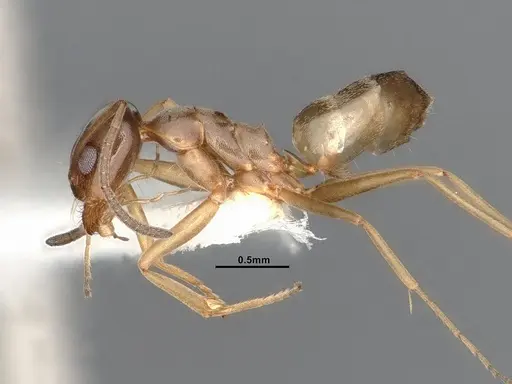
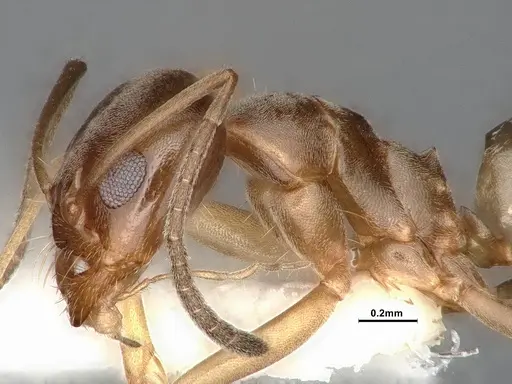
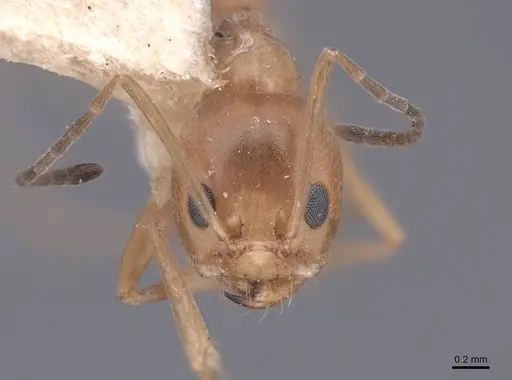
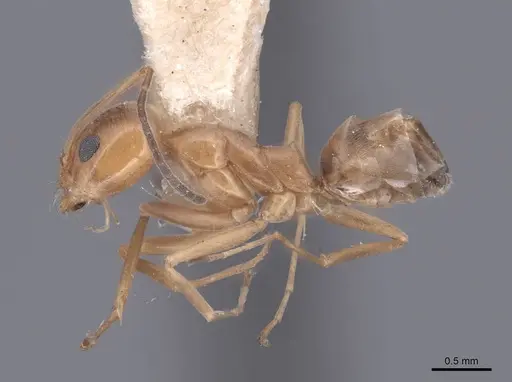
Dorymyrmex flavus is a small, yellow to reddish-yellow ant native to the southern United States and Mexico. Workers measure about 2.8-3.1mm and have a distinctive appearance with a deep reddish-yellow head and thorax, while the gaster is often darker toward the tip. This species belongs to the Dolichoderinae subfamily, commonly known as odorous ants due to the coconut or rotten coconut smell they release when disturbed. They are opportunistic foragers that thrive in open, sandy areas and are known for their ability to tolerate high temperatures, one of the most heat-tolerant ant species in North America with a critical thermal maximum exceeding 51°C. Colonies can reach around 1000 workers and often nest in multiple connected locations (polydomous nesting).
Quick Summary
- Difficulty: Easy
- Origin & Habitat: Native to the southern United States and Mexico, found in open sandy areas, desert margins, and disturbed habitats. Ranges from California (likely introduced) across the southern states to Florida and south through Mexico. They are functional opportunists that thrive in hot, open ground and can forage on very hot surfaces [1].
- Colony Type: Likely single-queen (monogyne) colonies. Colony size reaches approximately 1000 workers [2]. Polydomous, they nest in multiple connected locations [3].
- Colony: Monogyne
- Size & Growth:
- Queen: 5.74-6.13mm [4]
- Worker: 2.83-3.08mm [4]
- Colony: Up to ~1000 workers [2]
- Growth: Moderate
- Development: Unknown, no direct development data available for this species. Based on related Dolichoderinae and typical temperate ant development, estimate 6-10 weeks at optimal temperature. (Development timeline not directly studied. Related species in the genus suggest moderate growth rates.)
- Antkeeping:
- Temperature: Keep at room temperature (20-26°C). This species is thermophilic, activity increases with temperature [2]. They tolerate high temperatures well (CTmax 51.5°C) [2], so a warm setup is well-tolerated. A heating cable on one side of the nest creates a gradient for them to choose their preferred temperature.
- Humidity: Low to moderate. These are ants of open, often dry habitats. Keep nest substrate moderately dry with occasional misting. Allow areas to dry out between waterings. Avoid overly damp conditions.
- Diapause: Not required for colonies in warm climates. In temperate regions with cold winters, a brief cool period (around 10-15°C) for 2-3 months may benefit colonies, though they are active year-round in the wild.
- Nesting: Y-tong (AAC), plaster, or acrylic nests work well. They prefer干燥 conditions and will use test tubes if provided. Because they are polydomous (nest in multiple locations), providing extra chambers or connected spaces mimics their natural nesting behavior. Avoid wet substrates.
- Behavior: Generally peaceful and not aggressive toward keepers. They do not have a painful sting, their main defense is the odorous secretion they release when threatened. Workers are active foragers that search for small prey, dead insects, and honeydew from aphids or mealybugs [3]. They will tend mealybugs (Dysmicoccus spp.) in captivity for honeydew [5]. They are skilled at escaping due to their small size, use fine mesh and tight-fitting barriers. Workers are thermophilic and become more active as temperatures rise.
- Common Issues: small size means escapes are likely without fine mesh barriers, colonies can be outcompeted by aggressive ant species if housed together, test tube setups may be too small once colony reaches several hundred workers, they release a coconut-like odor when disturbed, this is normal, not a problem, overheating is unlikely given their high heat tolerance, but avoid direct sunlight on nests
Nuptial Flight Activity Analysis 136 observations
Flight Activity by Hour 136 observations
Dorymyrmex flavus nuptial flight activity peaks around 21:00 during the night. Activity is spread across a 24-hour window (00:00–23:00). Times may be influenced by human observation patterns.
Housing and Nest Setup
Dorymyrmex flavus adapts well to various captive setups. Y-tong (AAC) nests work excellently because they provide the dry conditions these ants prefer. Plaster nests or acrylic formicaria are also suitable options. Because they are polydomous (nest in multiple connected chambers in the wild), providing extra connected spaces helps mimic their natural behavior. Test tubes can work for founding colonies but may become cramped once the colony reaches a few hundred workers. Use a water test tube for humidity but keep the nest area relatively dry. Escape prevention is important, these tiny ants can squeeze through surprisingly small gaps. Use fine mesh (0.5mm or smaller) on any ventilation holes and ensure all lids fit tightly. [3]
Feeding and Diet
These ants are generalist foragers that accept a variety of foods. In captivity, they readily eat small insects like fruit flies, pinhead crickets, and mealworms. They also consume sugar sources, honey water, sugar water, and honeydew are all accepted. They will tend mealybugs (Dysmicoccus spp.) for honeydew, so allowing them to tend small sap-sucking insects can provide a natural food source [5]. Feed protein (insects) 2-3 times per week and provide a constant sugar source. Remove uneaten prey after 24-48 hours to prevent mold. Their small size means prey items should be appropriately sized, very small insects or pieces of larger insects work best.
Temperature and Heating
Dorymyrmex flavus is one of the most heat-tolerant ant species in North America, with a critical thermal maximum of 51.5°C [2]. They are thermophilic, meaning their activity increases with temperature [2]. Keep them at room temperature (20-26°C), they will be most active in the warmer end of this range. A heating cable on one side of the nest creates a temperature gradient so workers can choose their preferred spot. They can tolerate temperatures up to 51°C without harm, so overheating is rarely a concern. However, avoid placing the nest in direct sunlight, which can cause dangerous hot spots. Seasonal variation in their heat tolerance is minimal, studies show CTmax only varies from 50°C in winter to 54°C in summer [6].
Behavior and Colony Dynamics
This species is known for its characteristic coconut or rotten coconut smell when disturbed, this is a chemical defense mechanism common in Dolichoderinae ants. They are not aggressive and rarely bite. Colonies are polydomous, meaning they maintain multiple nest sites connected by trails [3]. This behavior means they may establish satellite nests outside their primary enclosure if given the opportunity, seal any connections. Workers forage individually or in small groups, searching for small prey, dead insects, and honeydew. They are opportunistic feeders that quickly discover food sources. In the wild, they are often outcompeted by invasive fire ants (Solenopsis invicta), occupying only 20% of baits near fire ant nests, but can persist by exploiting different food resources [2].
Seasonal Care
In their native range across the southern US and Mexico, these ants remain active year-round due to the warm climate. In captivity, they do not require a true hibernation period. If you live in a region with cold winters, you can provide a brief cool period (10-15°C) for 2-3 months during winter, but this is not strictly necessary. Simply reducing feeding and activity level during winter months is sufficient. Their thermal tolerance remains relatively stable across seasons, they are active in December, March, and September as a seasonal generalist [6]. Do not cool them below 10°C as this could harm the colony.
Frequently Asked Questions
How long does it take for Dorymyrmex flavus to produce first workers?
The exact egg-to-worker timeline is not documented for this species. Based on related Dolichoderinae ants, expect 6-10 weeks from founding to first workers (nanitics) at room temperature. Patience is key, founding colonies can take several months to establish.
Can I keep multiple queens together?
This species is likely monogyne (single queen). Combining unrelated queens is not recommended as they will likely fight. In the wild, colonies appear to have a single reproductive queen.
What do Dorymyrmex flavus eat?
They are generalist feeders. Offer small insects (fruit flies, small crickets, mealworms) as protein 2-3 times weekly, and provide constant access to sugar (honey water, sugar water). They will also tend mealybugs for honeydew if present.
Are Dorymyrmex flavus good for beginners?
Yes, they are considered easy to keep. They are tolerant of various temperatures, don't require special humidity, and are not aggressive. Their main care requirement is good escape prevention due to their small size.
Do they need hibernation?
No, they do not require hibernation. In their native warm climate, they remain active year-round. A brief cool period may be beneficial in temperate climates but is not strictly necessary.
How big do colonies get?
Colonies reach approximately 1000 workers at maturity [2]. This is a moderate colony size, not among the largest ant species but substantial enough to be entertaining.
Why do my ants smell like coconut?
This is completely normal! Dorymyrmex flavus, like other Dolichoderinae ants, releases a coconut-scented chemical (iridomyrmecin) as a defense when threatened or crushed. It's not a sign of illness, it's just how they defend themselves.
When should I move them to a formicarium?
Move from a test tube setup to a formicarium when the colony reaches around 100-200 workers, or when the test tube becomes cramped. Y-tong or plaster nests work well for this species.
References

This caresheet is licensed under CC BY-SA 4.0 .
CASENT0005321
View on AntWeb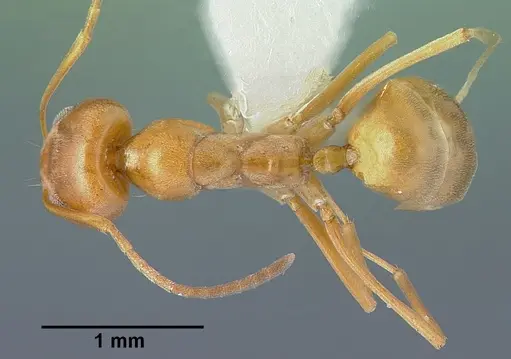
CASENT0104736
View on AntWeb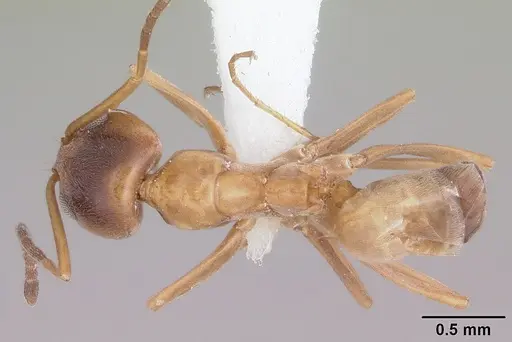
CASENT0249674
View on AntWeb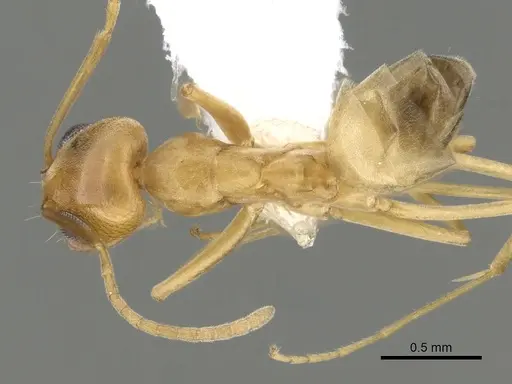
CASENT0249679
View on AntWeb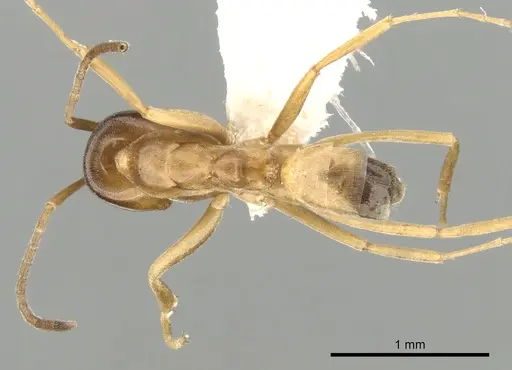
CASENT0841357
View on AntWeb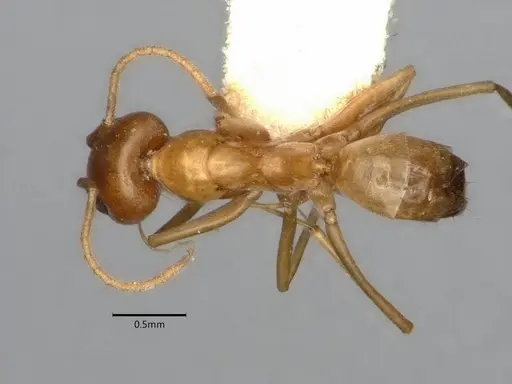
CASENT0902983
View on AntWeb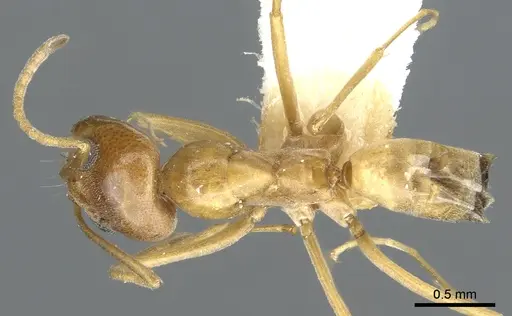
CASENT4031325
View on AntWeb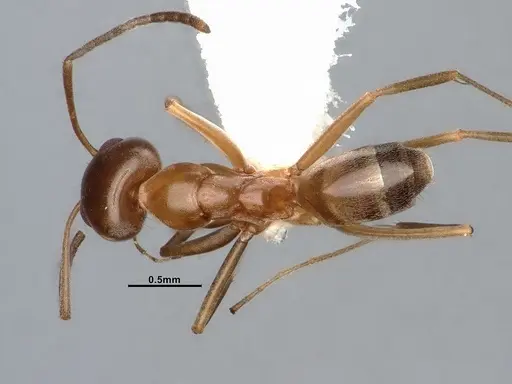
CASENT4031328
View on AntWeb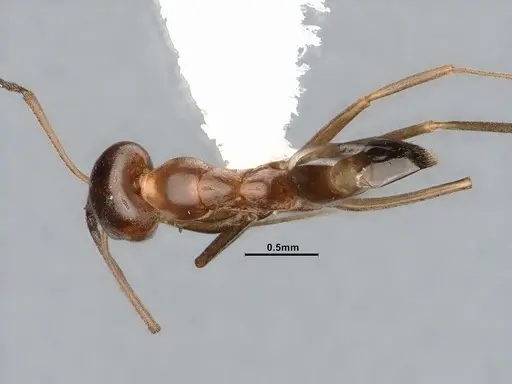
CASENT4031330
View on AntWeb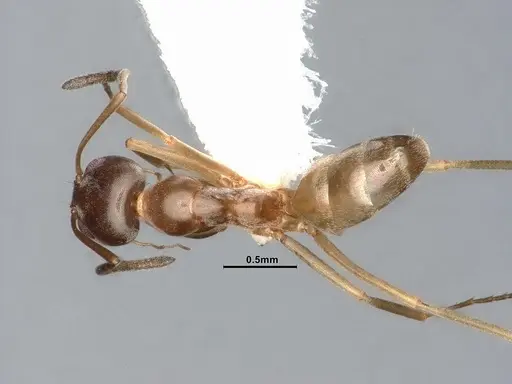
CASTYPE00614
View on AntWeb


FMNHINS0000045102
View on AntWeb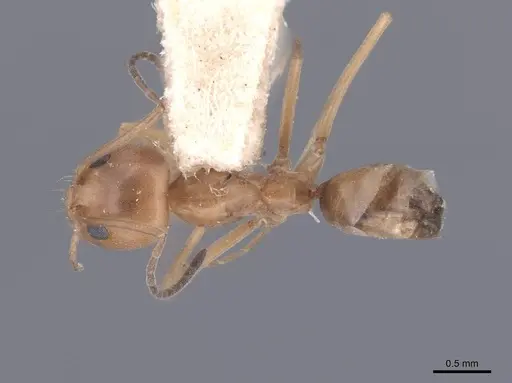
Literature
Loading...Loading products...