

Dorymyrmex ensifer
- Scientific Name
- Dorymyrmex ensifer
- Tribe
- Leptomyrmecini
- Subfamily
- Dolichoderinae
- Author
- Forel, 1912
- Distribution
- Found in 1 countries
Dorymyrmex ensifer Overview
Dorymyrmex ensifer is an ant species of the genus Dorymyrmex. It is primarily documented in 1 countries , including Argentina. Detailed taxonomic data and occurrence records can be further explored via authoritative databases such as AntWeb or the Global Biodiversity Information Facility (GBIF).
Dorymyrmex ensifer
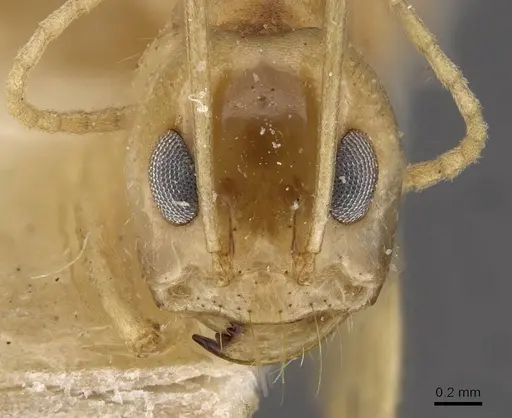
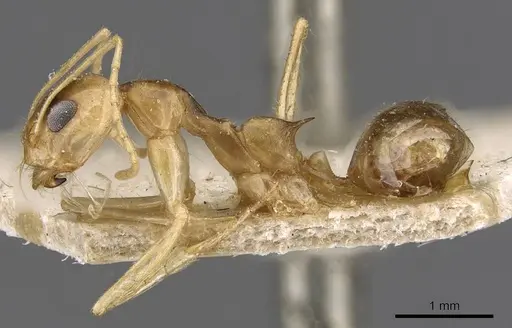
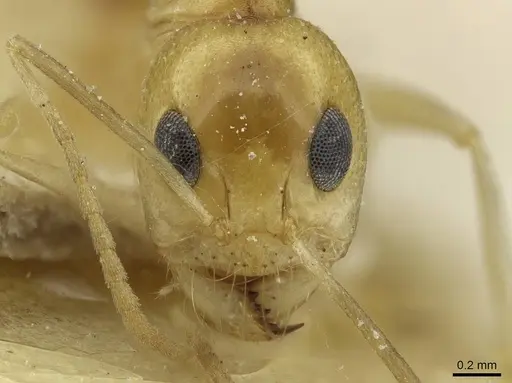
Dorymyrmex ensifer is a small to medium-sized ant belonging to the Dolichoderinae subfamily, native to Argentina. Workers are pale in coloration, a brightness value of 72.5 places them among the lighter-colored Dorymyrmex species. They have relatively large eyes compared to their darker relatives, which is an adaptation for daytime activity. This species has been collected across central Argentina, with records from the Caldenal district and Neuquén province. They are often found in association with Dorymyrmex exsanguis, with which they may form symbiotic or parabiotic relationships. This ant is part of the Dorymyrmex s. str. clade (Clade I), a group of pyramid ants known for their distinctive mound-nesting habits in arid regions.
Quick Summary
- Difficulty: Medium
- Origin & Habitat: Native to central Argentina, specifically the Monte Desert and Caldenal regions. They inhabit arid to semi-arid areas and are often found in disturbed habitats and grazing lands. [1][2]
- Colony Type: Colony structure is unconfirmed. Based on typical Dorymyrmex patterns, likely single-queen colonies (monogyne), though this has not been directly documented for this species.
- Size & Growth:
- Queen: Estimated 7-9mm based on genus-level patterns for Dorymyrmex. No direct species measurements available.
- Worker: Estimated 3-5mm based on related Dorymyrmex species. No direct measurements located.
- Colony: Unknown for this specific species. Based on genus patterns, likely several hundred workers at maturity.
- Growth: Unknown, no development data available for this species. Estimated moderate growth based on related species.
- Development: Estimated 6-8 weeks based on typical Dolichoderinae development at warm temperatures. This is an estimate only, no direct measurements exist. (Development timeline is unconfirmed for this species. Temperature-dependent development is typical for the genus.)
- Antkeeping:
- Temperature: Keep at 22-26°C. Based on their Argentine origin (temperate to warm arid regions), they prefer moderate to warm temperatures. Provide a thermal gradient so ants can self-regulate. [3]
- Humidity: Low to moderate humidity (30-50%). These are ants of arid to semi-arid environments. Allow the nest to dry between water additions. Avoid constant dampness.
- Diapause: Likely requires a winter rest period (diapause) of 2-3 months at 10-15°C, consistent with temperate Argentine species. This is inferred from geographic origin, direct observations are lacking.
- Nesting: In the wild, Dorymyrmex species typically nest in soil, often creating small mounds or nesting under stones. In captivity, a simple test tube setup works well for founding colonies. Later colonies can be kept in plaster nests or formicariums with dry to moderately moist substrate. They prefer compact chambers over expansive spaces.
- Behavior: Dorymyrmex ensifer is a diurnal species, their pale coloration and enlarged eyes are adaptations for daytime activity. They are active foragers and have been documented at bait stations, indicating they scavenge for food resources. Workers are moderately aggressive when defending the nest but not particularly territorial. They may form associations with other Dorymyrmex species like D. exsanguis. Escape risk is moderate, use standard barrier methods. Their small size means some escape prevention measures are advisable.
- Common Issues: limited documentation makes care requirements uncertain, some trial and error may be needed, winter dormancy requirements are inferred rather than confirmed, observe colony behavior, wild-caught colonies may be difficult to establish due to unknown founding requirements, pale coloration may indicate sensitivity to light during founding, provide dark founding chambers
Appearance and Identification
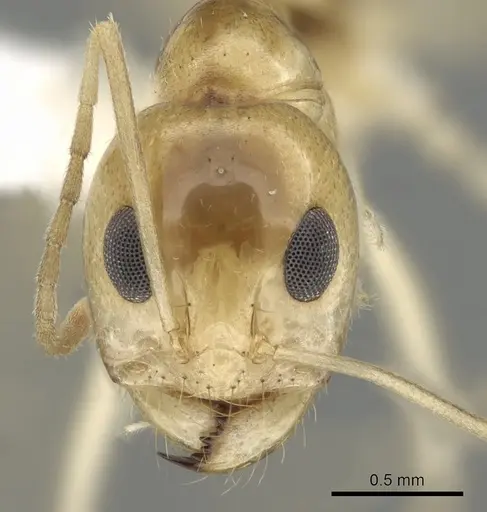
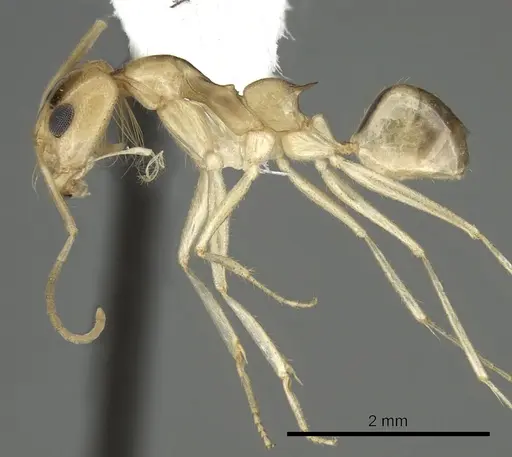
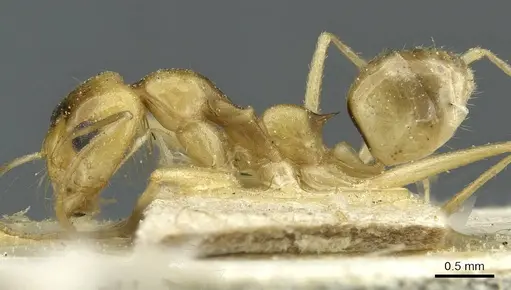
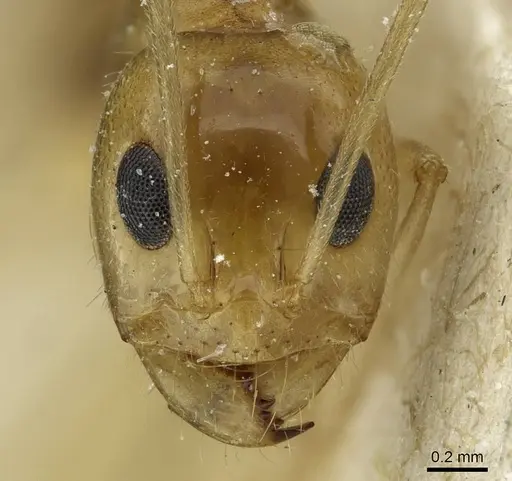
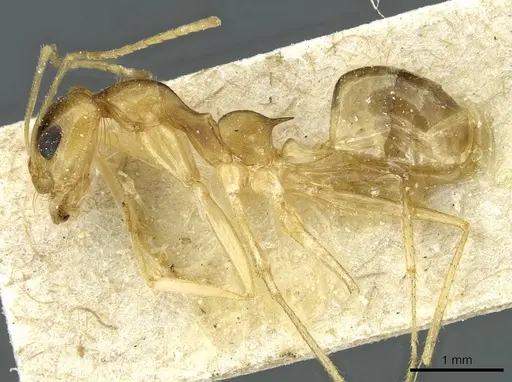
Dorymyrmex ensifer workers are pale-colored, which distinguishes them from many darker Dorymyrmex species. Their brightness value of 72.5 places them among the lighter-colored members of the genus. They have relatively large eyes compared to their darker relatives, a relative eye size of 0.0331, which is an evolutionary adaptation for diurnal (daytime) activity. The species has two recognized subspecies: D. ensifer laevigatus and D. ensifer weiseri, though these are not commonly distinguished in the hobby. Workers are estimated at 3-5mm in length, typical for the genus. Queens are larger at an estimated 7-9mm. The pale coloration is a key identifying feature in the field. [3]
Distribution and Habitat
This species is endemic to Argentina, where it is found primarily in the central regions. Records exist from the Caldenal district in central Argentina and from Neuquén province in the north. They inhabit the Monte Desert biome and surrounding arid to semi-arid areas. They have been documented in disturbed habitats including areas affected by grazing. The species has been collected alongside Dorymyrmex exsanguis, with which it may form symbiotic relationships. This association, noted by early researcher Bruch, suggests these two species may share nesting areas or foraging grounds. [1][2]
Feeding and Diet
Based on bait station observations (0.022 proportion on Jatropha excisa tuna bait), Dorymyrmex ensifer forages on carbohydrate sources and likely scavenges on sweet secretions and fallen fruits in the wild. Like other Dorymyrmex species, they likely supplement their diet with small insects and arthropods. In captivity, offer sugar water or honey as a constant carbohydrate source. For protein, provide small insects such as fruit flies, small crickets, or mealworms. They are not specialized predators, so a varied diet of sugars and protein-rich foods works well. Feed protein sources 2-3 times per week and keep sugar water available at all times.
Temperature and Seasonal Care
Keep colonies at 22-26°C, providing a temperature gradient so workers can choose their preferred zone. Their pale coloration and enlarged eyes indicate adaptation to daytime activity in well-lit environments, so they do well with normal lighting cycles. Based on their origin in temperate Argentina, they likely require a winter rest period. Reduce temperatures to 10-15°C for 2-3 months during winter (typically November-February in the Southern Hemisphere). During this period, reduce feeding but maintain some moisture in the nest. Do not feed during deep dormancy. Return to normal temperatures gradually in spring. If your colony remains active during winter, they may not need a full diapause, observe their behavior. [3]
Nest Setup and Housing
For founding colonies, a simple test tube setup works well. Use a test tube with a water reservoir sealed with a cotton plug, this provides humidity without flooding. Cover the tube with a dark sleeve for the first few weeks until workers emerge, as queens prefer dark founding chambers. Once the colony reaches 20-30 workers, you can transition to a small formicarium or plaster nest. Dorymyrmex ensifer prefers drier conditions than many tropical ants, so allow the nest to partially dry between water additions. Provide a small outworld for foraging. Use standard escape prevention, while not particularly good climbers, small ants can still escape through small gaps.
Behavior and Colony Dynamics
This is a diurnal species, they are most active during daylight hours, which aligns with their pale coloration and large eyes. Workers are active foragers and will readily explore their environment for food. They are not particularly aggressive but will defend the nest if threatened. The documented association with Dorymyrmex exsanguis suggests they may be tolerant of other ant species in their environment, this parabiosis is unusual among ants and may provide benefits such as shared foraging areas or protection. In captivity, they are manageable and not prone to excessive biting or stinging. Their small to medium size makes them suitable for observation. [2][3]
Challenges and Limitations
Dorymyrmex ensifer is a poorly documented species in both scientific literature and the antkeeping hobby. Much of the care information here is inferred from genus-level patterns and related species rather than direct observation of this specific species. This means some trial and error may be necessary to optimize their care. Key uncertainties include: exact colony structure (monogyne vs polygyne), founding behavior (claustral vs semi-claustral), precise temperature and humidity ranges, and diapause requirements. Start with moderate temperatures (22-26°C) and dry conditions, and adjust based on colony behavior. Wild-caught colonies may be challenging to locate as they are not commonly collected.
Frequently Asked Questions
How long does it take for Dorymyrmex ensifer to produce first workers?
The egg-to-worker timeline is unconfirmed for this species. Based on typical Dolichoderinae development, estimate 6-8 weeks from egg to first nanitic workers at optimal temperature (around 24°C). This is an approximation, actual timing may vary.
What do Dorymyrmex ensifer ants eat?
They are omnivorous scavengers. Offer sugar water or honey constantly for carbohydrates. For protein, provide small insects like fruit flies, small crickets, or mealworms 2-3 times per week. They have been documented foraging on bait stations in the wild, showing they readily accept carbohydrate baits.
Do Dorymyrmex ensifer ants need hibernation?
Likely yes, based on their Argentine origin. Provide a winter rest period of 2-3 months at 10-15°C during the colder months. Reduce feeding and moisture during this time. This is inferred from their temperate distribution, direct observations of diapause behavior are lacking.
Are Dorymyrmex ensifer good for beginners?
They are rated as medium difficulty. While not difficult to keep, limited documentation means some care aspects are uncertain. They are manageable once established but may require more patience during the founding phase. Their modest size and moderate temperament make them suitable for intermediate antkeepers.
What temperature should I keep Dorymyrmex ensifer at?
Maintain temperatures of 22-26°C. Provide a thermal gradient so ants can self-regulate. A heating cable on one side of the nest can create this gradient. They prefer moderate warmth consistent with their temperate to warm arid habitat in Argentina.
How big do Dorymyrmex ensifer colonies get?
Colony size is not documented for this species. Based on typical Dorymyrmex patterns, expect several hundred workers at maturity. Growth rate is estimated as moderate. Colonies likely reach full size over 1-2 years under good conditions.
Can I keep multiple Dorymyrmex ensifer queens together?
Colony structure is unconfirmed for this species. Based on typical Dorymyrmex patterns, they likely form single-queen colonies (monogyne). Combining unrelated queens is not recommended as it has not been documented and may result in aggression.
What humidity do Dorymyrmex ensifer require?
Keep humidity low to moderate (30-50%). These are ants from arid to semi-arid environments in Argentina. Allow the nest to dry partially between water additions. Avoid constant dampness which can be harmful.
When should I move Dorymyrmex ensifer to a formicarium?
Keep them in a test tube setup until the colony reaches 20-30 workers or the water reservoir is depleted. Transition to a small formicarium or plaster nest when they outgrow the test tube. They prefer compact chambers over large open spaces.
References

This caresheet is licensed under CC BY-SA 4.0 .
CASENT0249686
View on AntWeb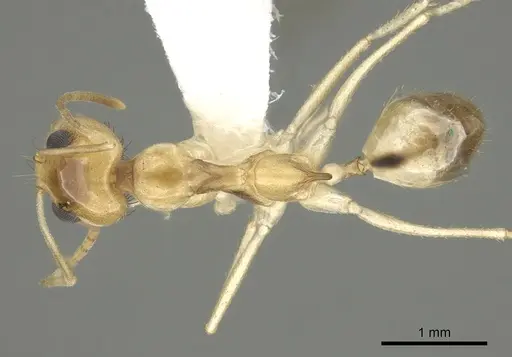
CASENT0909727
View on AntWeb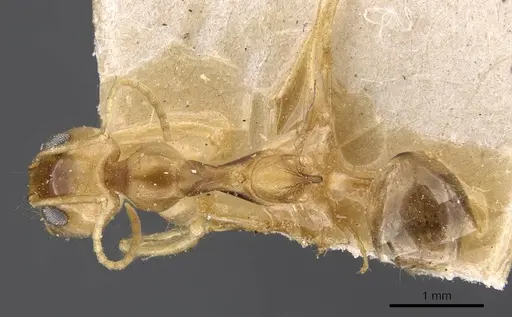
CASENT0911538
View on AntWeb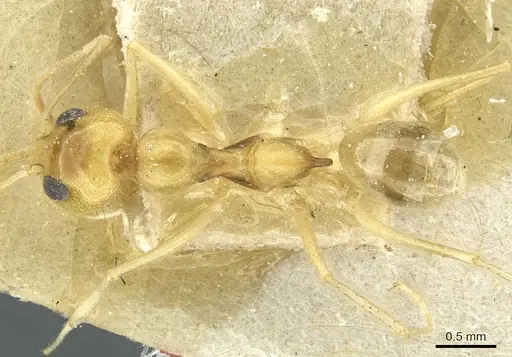
CASENT0911539
View on AntWeb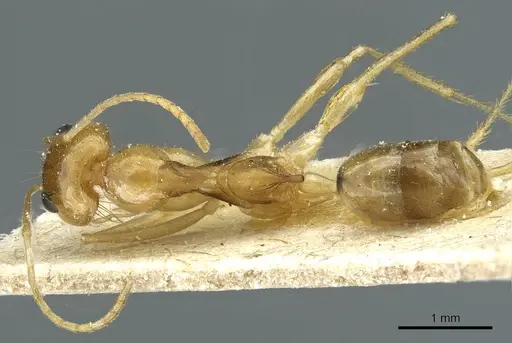
Literature
Loading...Loading products...