

Dorymyrmex exsanguis
- Scientific Name
- Dorymyrmex exsanguis
- Tribe
- Leptomyrmecini
- Subfamily
- Dolichoderinae
- Author
- Forel, 1912
- Distribution
- Found in 3 countries
Dorymyrmex exsanguis Overview
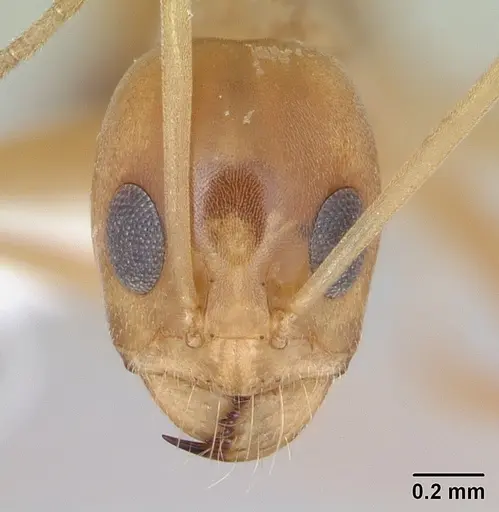
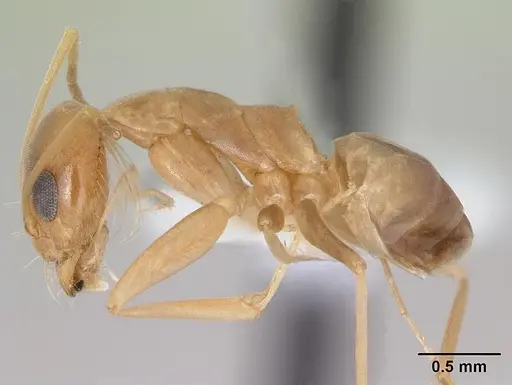
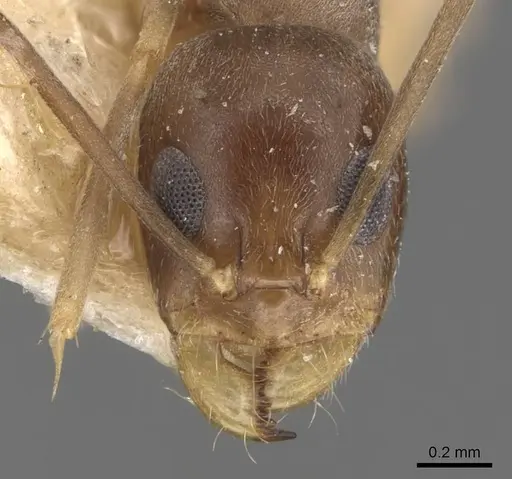
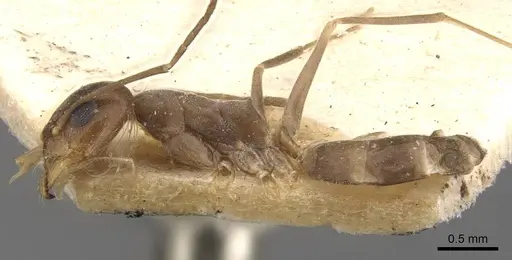
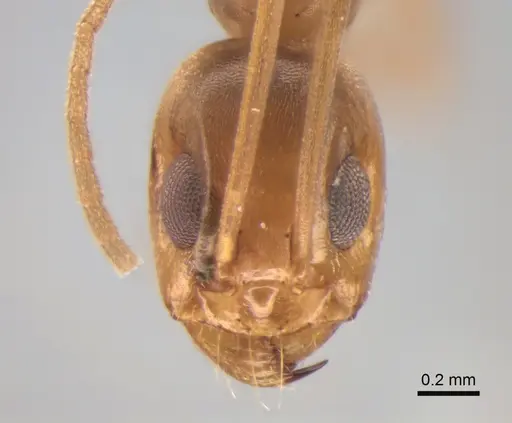
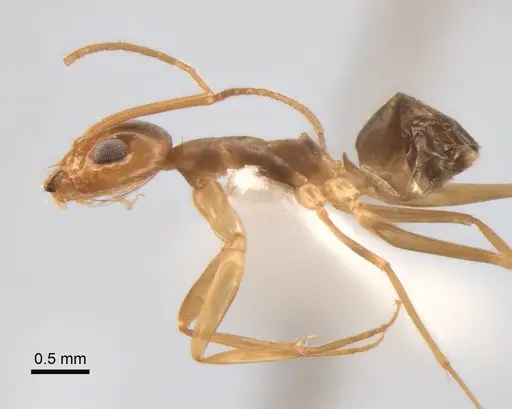
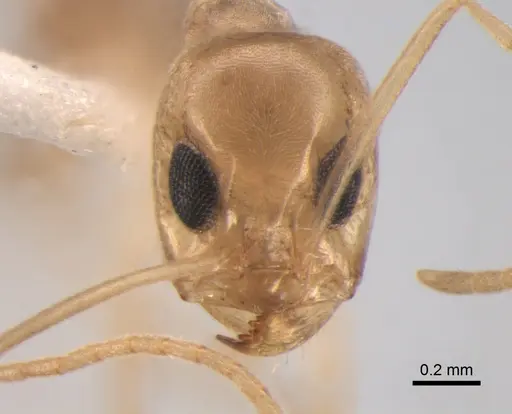
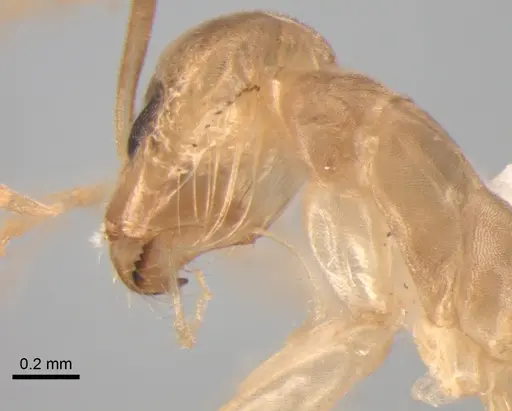
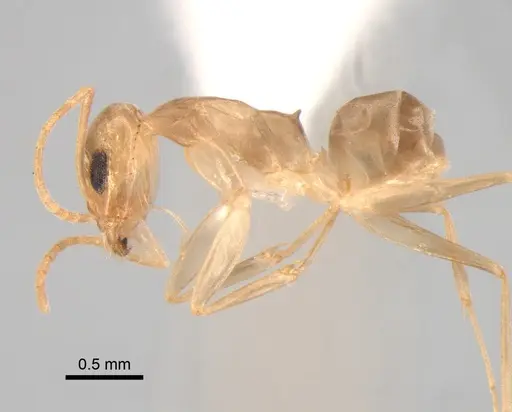
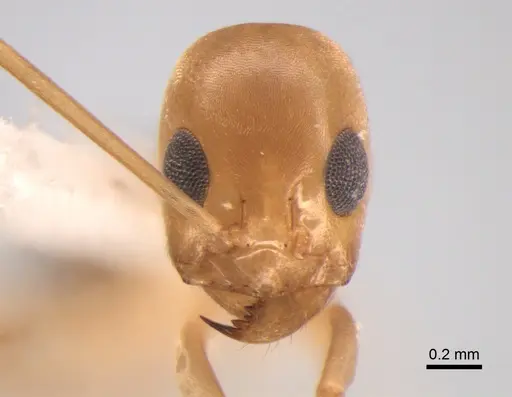
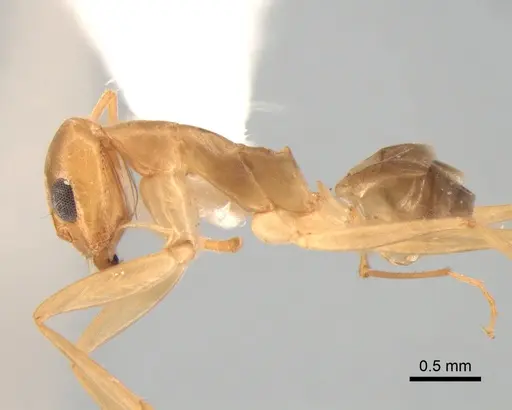
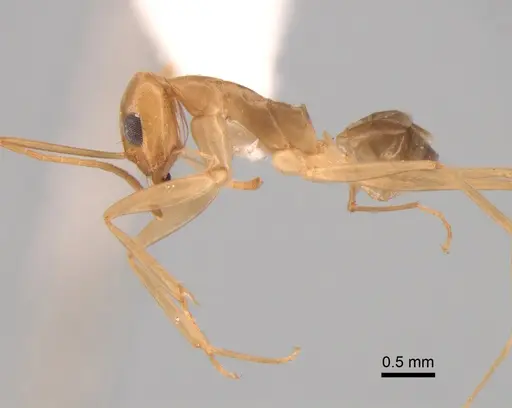
Dorymyrmex exsanguis is an ant species of the genus Dorymyrmex. It is primarily documented in 3 countries , including Argentina, Bolivia, Plurinational State of. Detailed taxonomic data and occurrence records can be further explored via authoritative databases such as AntWeb or the Global Biodiversity Information Facility (GBIF).
Dorymyrmex exsanguis
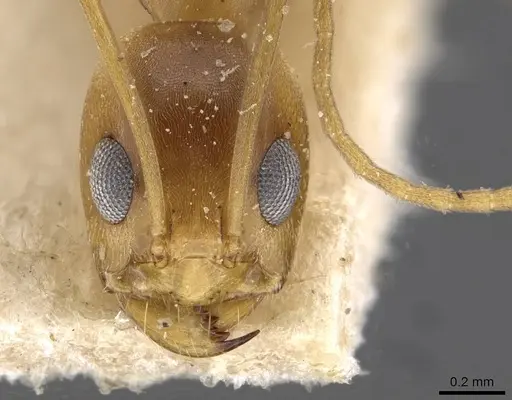
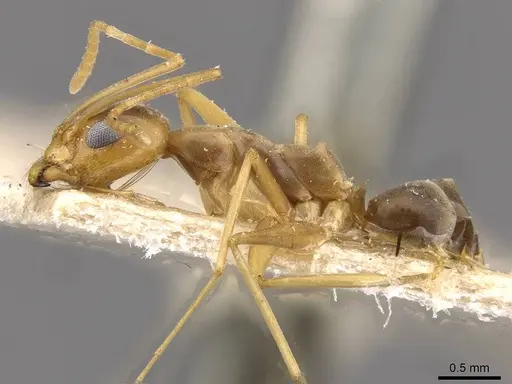
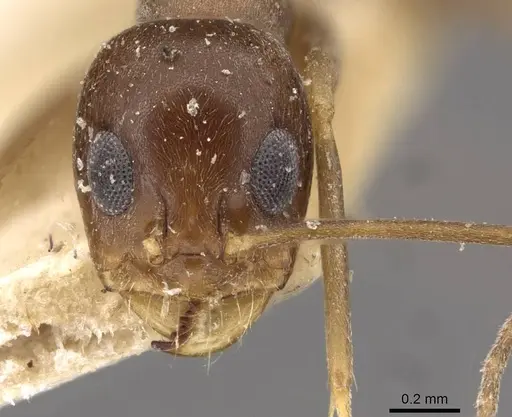
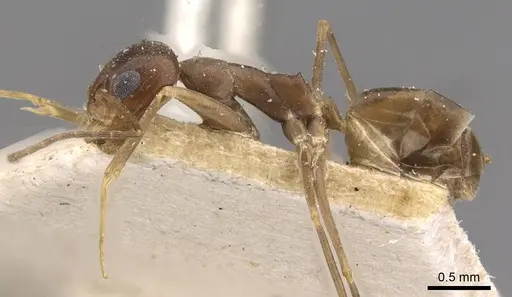
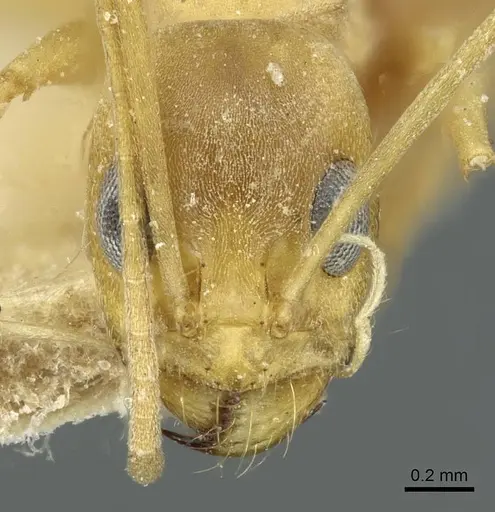
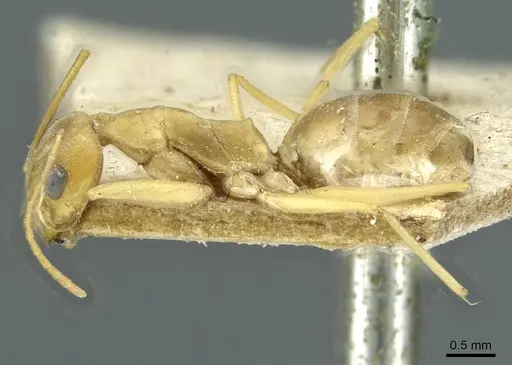
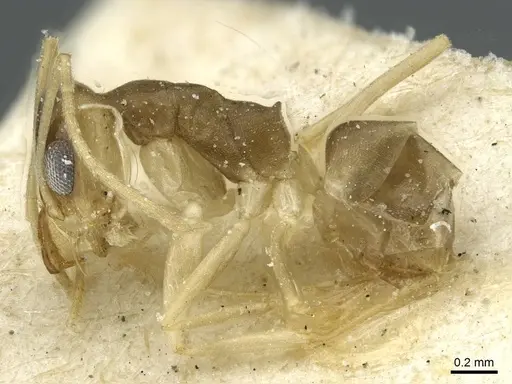
Dorymyrmex exsanguis is a small to medium-sized ant native to the southern South American region, specifically found in Argentina and Paraguay. Workers are typically around 3-4mm with a generally pale to reddish-brown coloration common in the genus. This species belongs to the Dolichoderinae subfamily and is part of the tener group, characterized by having a well-developed psammophore (a basket of hairs used for carrying sand grains). They are ground-nesting ants often found in arid and semi-arid environments across the Argentine Chaco and surrounding regions [1][2].
This species shows interesting ecological flexibility, being found in both natural habitats like the Caldenal district and disturbed areas including eucalyptus plantations and agricultural land. Like other Dorymyrmex species, they are active foragers with a preference for hunting small insects, and they maintain characteristic nest structures with chitin debris from consumed prey [3].
Quick Summary
- Difficulty: Medium
- Origin & Habitat: Native to the Neotropical region, specifically Argentina and Paraguay. Found in the Argentine Chaco, Caldenal district, and surrounding arid to semi-arid environments. They thrive in disturbed areas and are associated with ground-nesting in open habitats [1][2][4].
- Colony Type: Colony structure is not well-documented in scientific literature. Based on typical Dorymyrmex genus patterns, likely monogyne (single queen) colonies. Further research needed to confirm exact colony structure.
- Founding: Claustral
- Size & Growth:
- Queen: Estimated 5-7mm based on genus patterns [5]
- Worker: Estimated 3-4mm based on genus descriptions [5]
- Colony: Likely moderate colonies of several hundred workers based on similar Dorymyrmex species [5]
- Growth: Moderate, estimated based on related species in Dolichoderinae
- Development: Estimated 6-10 weeks at optimal temperature based on genus patterns (Development time inferred from related Dolichoderinae species, specific data for D. exsanguis is not available)
- Antkeeping:
- Temperature: Keep at 22-26°C. This species comes from temperate to subtropical Argentina so they prefer moderate warmth. A heating gradient allows them to thermoregulate [3].
- Humidity: Low to moderate. They naturally inhabit arid to semi-arid environments in the Monte Desert and Chaco regions of Argentina. Keep the nest substrate dry to slightly moist, avoiding excessive dampness [4][2].
- Diapause: Likely yes, based on temperate origin. Argentine species experience seasonal temperature changes and would benefit from a winter rest period around 10-15°C for 2-3 months.
- Nesting: Ground-nesting species. In captivity, they do well in naturalistic setups with sand-based substrate or Y-tong/plaster nests. They prefer compact chambers and narrow passages scaled to their size. Provide a digging medium that allows them to construct tunnels [3].
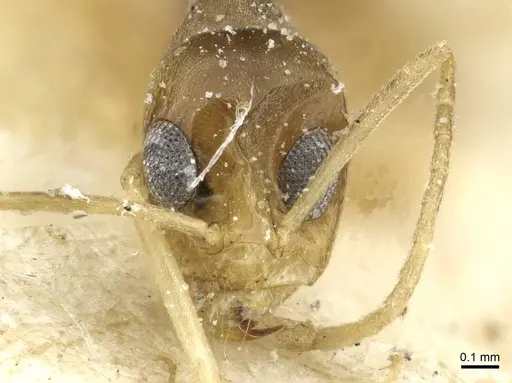
- Behavior: Dorymyrmex exsanguis are active foragers with a predatory tendency. Research indicates they are twilight animals with relatively large eyes, hunting cold-stiffened insects [3]. They build characteristic nests with chitin debris piles from consumed prey. Workers are moderately aggressive when defending the nest but not particularly territorial. They are not known escape artists but standard containment practices should still be followed. Their small size means some escape prevention is advisable.
- Common Issues: moderate humidity requirements, too much moisture can be harmful in arid-adapted species, limited availability in the antkeeping hobby due to restricted range, predatory feeding requirements may be challenging for beginners, winter diapause is likely required but specific timing and duration is unclear, ground-nesting nature requires appropriate setup, test tubes alone may not be ideal
Nest Preferences and Housing
Dorymyrmex exsanguis is a ground-nesting species that naturally constructs nests in soil, often in open arid to semi-arid areas. In captivity, they do well in naturalistic setups with a sand-based digging medium, or in Y-tong/plaster nests designed for ground-dwelling species. The nest should have compact chambers and narrow passages scaled to their small worker size of around 3-4mm. Avoid tall, open spaces that don't reflect their natural underground nesting behavior. A small outworld connected to the nest allows for foraging and waste disposal. Ensure the substrate is compactable so workers can create proper tunnel systems [3].
Feeding and Diet
Based on research indicating they are hunters of cold-stiffened insects, Dorymyrmex exsanguis is primarily predatory. They should be fed small live prey such as fruit flies, small crickets, and other tiny insects. Their natural diet consists of insects they catch while foraging, and they maintain characteristic nest structures with piles of chitin debris from consumed prey [3]. They will likely accept protein-rich foods like small mealworms or wax worms, and may occasionally take sugar sources, though protein should form the bulk of their diet. Feed them small prey items 2-3 times per week, adjusting based on colony size and consumption rate.
Temperature and Seasonal Care
Keep Dorymyrmex exsanguis at temperatures between 22-26°C, with a slight gradient allowing thermoregulation. This species originates from temperate Argentina where seasonal temperature changes are pronounced. They are described as twilight animals with large eyes, suggesting adaptation to cooler foraging times [3]. During the winter months, they likely require a diapause period at cooler temperatures around 10-15°C for 2-3 months to simulate their natural seasonal cycle. This rest period is important for colony health and reproductive success. Monitor colony activity levels, if workers become less active in winter, gradually reduce temperatures to initiate diapause.
Behavior and Temperament
This species shows typical Dorymyrmex behavior: active foraging with moderate aggression when defending the nest. Workers are small but alert and will readily investigate disturbances. They are not particularly territorial but will defend brood and food resources. Their small size means they can squeeze through small gaps, so escape prevention with fine mesh or barrier tape is recommended. Colonies are moderately active and maintain organized foraging patterns. The presence of chitin debris piles in nests indicates they systematically process their prey [3]. They are not known for major structural damage or particularly painful stings, making them manageable in captive settings.
Ecological Preferences
Dorymyrmex exsanguis shows ecological flexibility in its natural range. It is found in the Argentine Chaco, the Caldenal district, and has been recorded in both natural habitats and disturbed areas including eucalyptus plantations and agricultural land [6]. It shows high association with highly disturbed (HD) transects in ecological studies, suggesting adaptability to human-modified landscapes [4]. This adaptability may make them relatively resilient in captivity, but they still require appropriate temperature and humidity conditions matching their arid to semi-arid origins.
Frequently Asked Questions
How long does it take for Dorymyrmex exsanguis to produce first workers?
Specific development data for D. exsanguis is not available. Based on typical Dorymyrmex and Dolichoderinae patterns, expect first workers (nanitics) approximately 6-10 weeks after the queen lays eggs, assuming optimal temperature around 24-26°C. Growth rate is moderate.
What do Dorymyrmex exsanguis ants eat?
They are primarily predatory, hunting small insects. Feed them small live prey like fruit flies, pinhead crickets, and small mealworms. They also likely accept protein-rich foods and occasionally sugar sources. Their natural diet consists of insects they catch, with characteristic chitin debris piles found in their nests [3].
Are Dorymyrmex exsanguis good for beginners?
They are rated as Medium difficulty. They require specific conditions (moderate warmth, lower humidity) and need a predatory diet. Their ground-nesting nature requires appropriate housing. They may be harder to find in the hobby due to their restricted range in Argentina and Paraguay.
Do Dorymyrmex exsanguis need hibernation?
Yes, likely required. Based on their temperate origin in Argentina, they benefit from a winter rest period at 10-15°C for 2-3 months. This simulates their natural seasonal cycle and supports colony health.
What type of nest is best for Dorymyrmex exsanguis?
Ground-nesting species do well in naturalistic setups with sand-based substrate or Y-tong/plaster nests. Provide compact chambers and narrow passages scaled to their 3-4mm worker size. The substrate should be compactable for tunnel construction.
How big do Dorymyrmex exsanguis colonies get?
Specific colony size data is not documented. Based on similar Dorymyrmex species, colonies likely reach several hundred workers. They are not considered large colony species.
Can I keep multiple Dorymyrmex exsanguis queens together?
Colony structure is not well-documented for this species. Based on typical Dorymyrmex patterns, they likely form single-queen (monogyne) colonies. Combining unrelated queens is not recommended without documented evidence of polygyny in this specific species.
Why are my Dorymyrmex exsanguis dying?
Common issues include: excessive humidity (they prefer arid conditions), improper temperature (too cold or too hot), insufficient protein in diet, and stress from inappropriate housing. Ensure proper escape prevention due to their small size. Also ensure they receive their required winter diapause period.
Where is Dorymyrmex exsanguis native to?
They are native to the Neotropical region, specifically Argentina and Paraguay. Their range includes the Argentine Chaco, the Caldenal district, and surrounding areas in central-southern South America [1][2].
References

This caresheet is licensed under CC BY-SA 4.0 .
CASENT0173847
View on AntWeb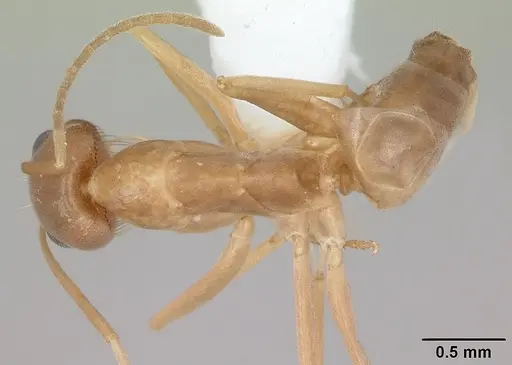
CASENT0249685
View on AntWeb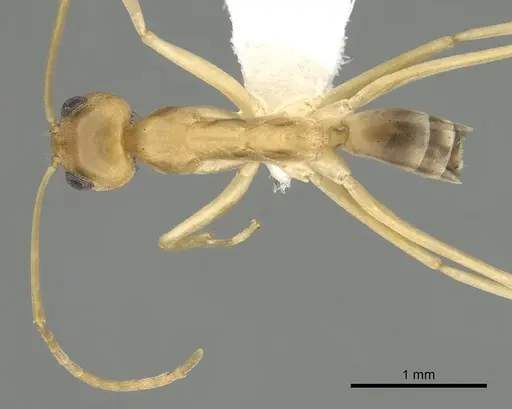
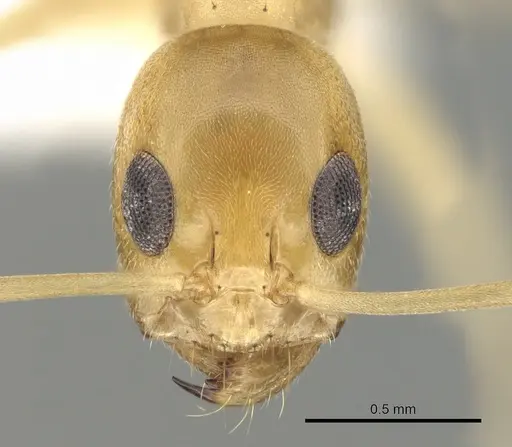
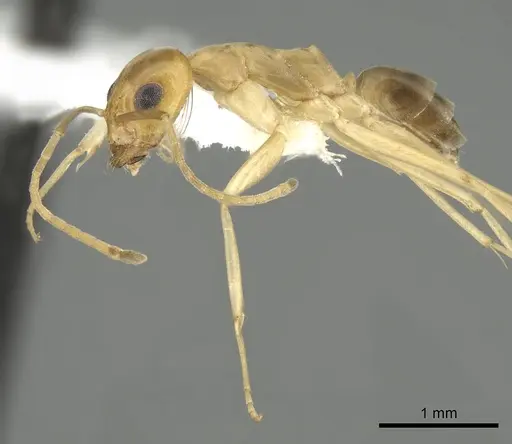
CASENT0905113
View on AntWeb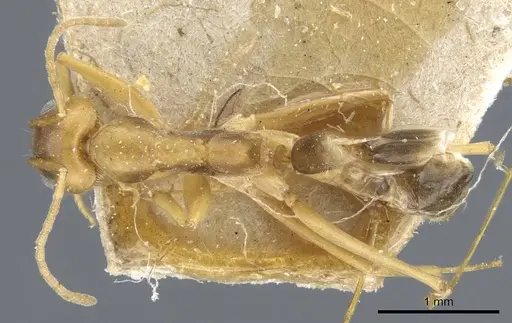
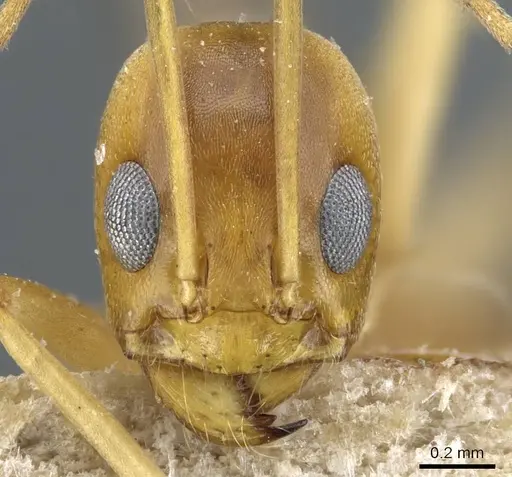
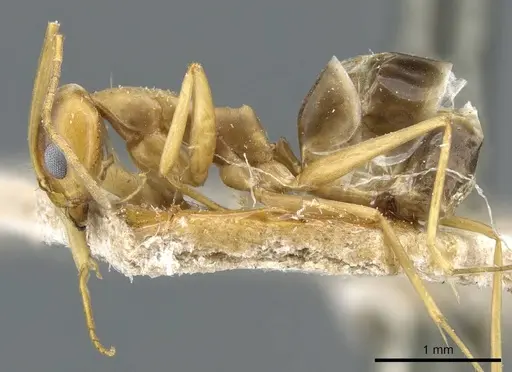
CASENT0907620
View on AntWeb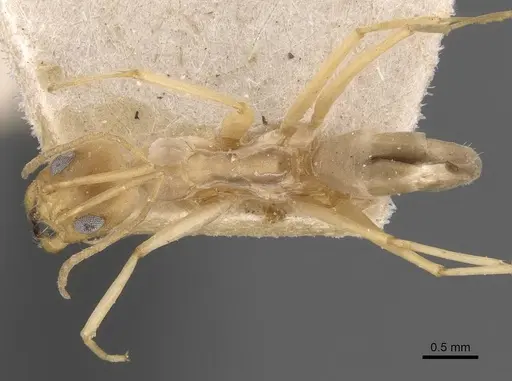
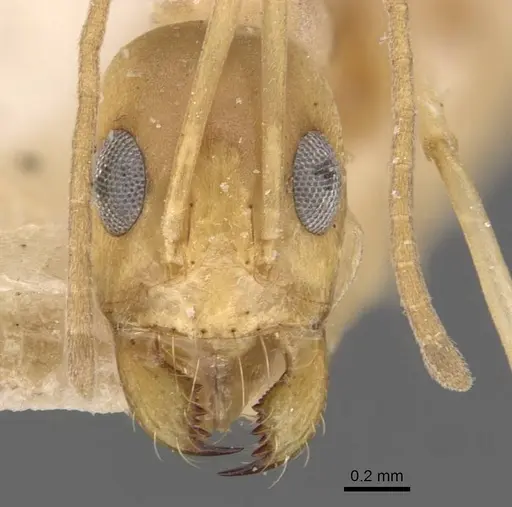
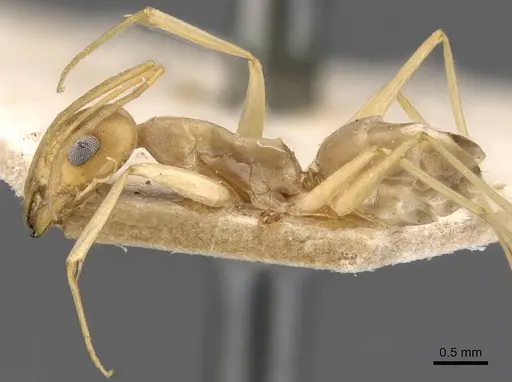
CASENT0907621
View on AntWeb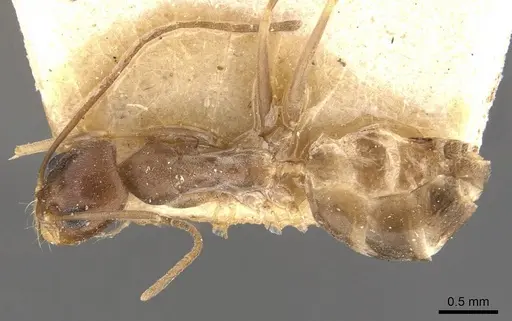
CASENT0909751
View on AntWeb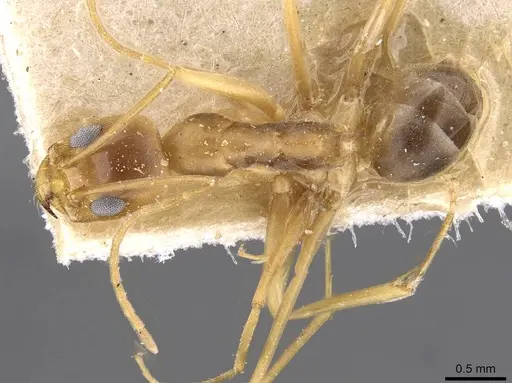
CASENT0909752
View on AntWeb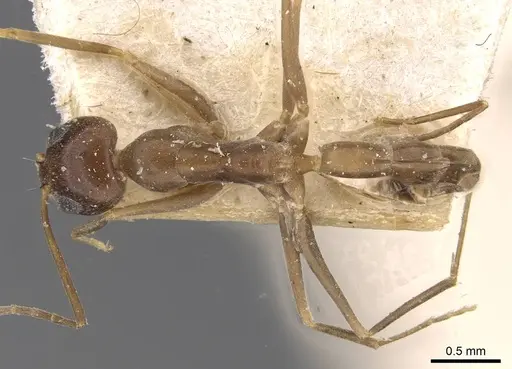
CASENT0911519
View on AntWeb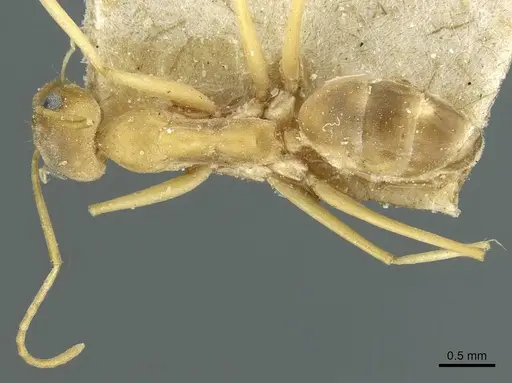
CASENT0911520
View on AntWeb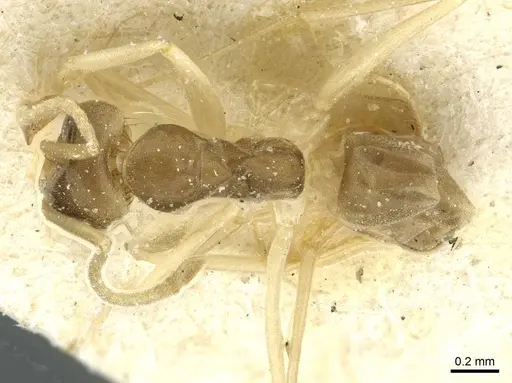
DZUP517940
View on AntWeb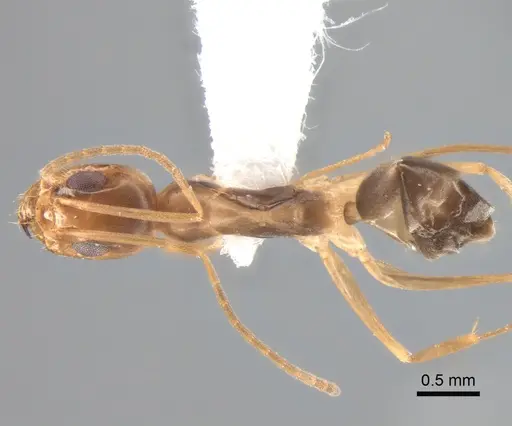
DZUP517948
View on AntWeb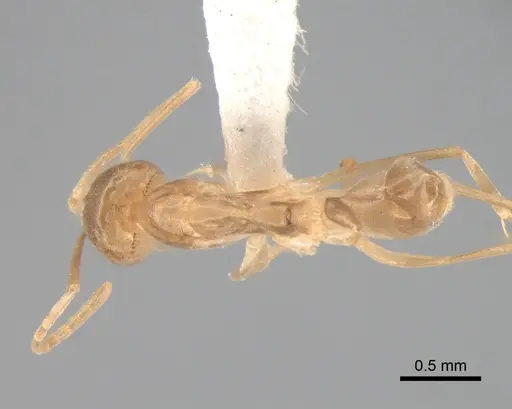
DZUP517949
View on AntWeb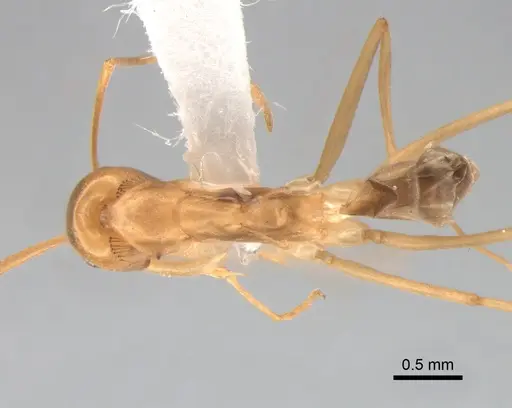
Literature
Loading...Loading products...