

Dorymyrmex bossutus
- Scientific Name
- Dorymyrmex bossutus
- Tribe
- Leptomyrmecini
- Subfamily
- Dolichoderinae
- Author
- Trager, 1988
- Common Name
- Hump-backed Pyramid Ant
- Distribution
- Found in 1 countries
Dorymyrmex bossutus Overview
Dorymyrmex bossutus (commonly known as the Hump-backed Pyramid Ant) is an ant species of the genus Dorymyrmex. It is primarily documented in 1 countries , including United States of America. Detailed taxonomic data and occurrence records can be further explored via authoritative databases such as AntWeb or the Global Biodiversity Information Facility (GBIF).
Dorymyrmex bossutus - "Hump-backed Pyramid Ant"
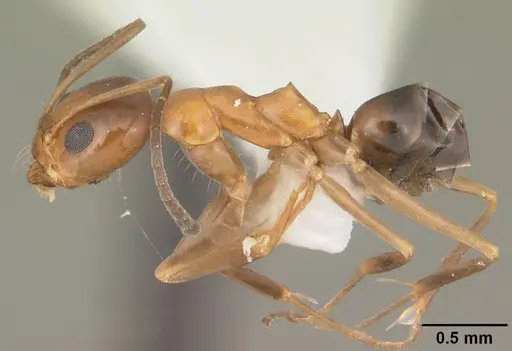
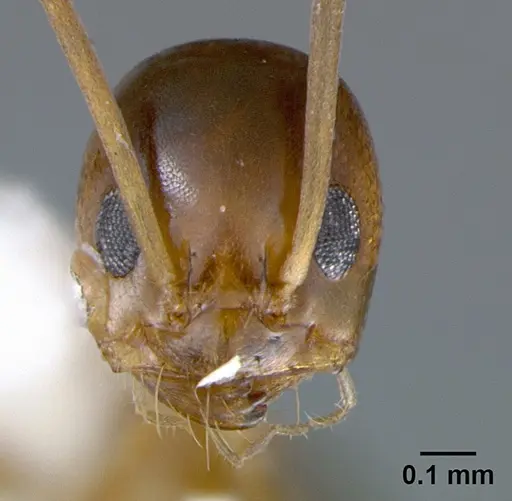
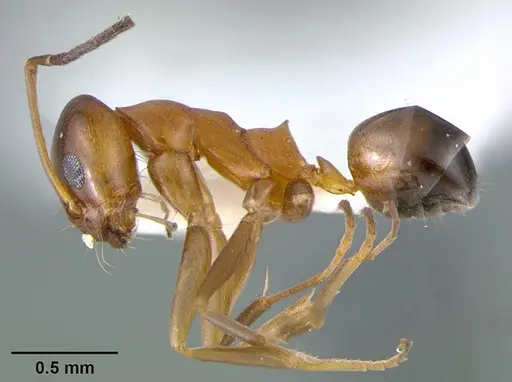
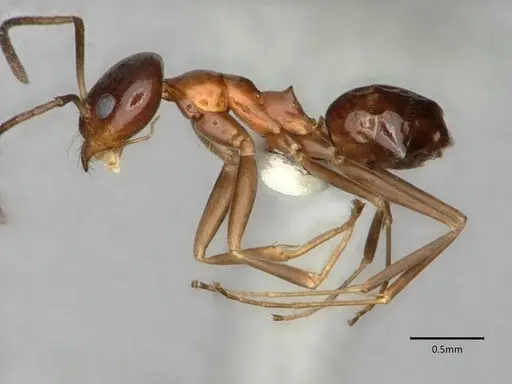
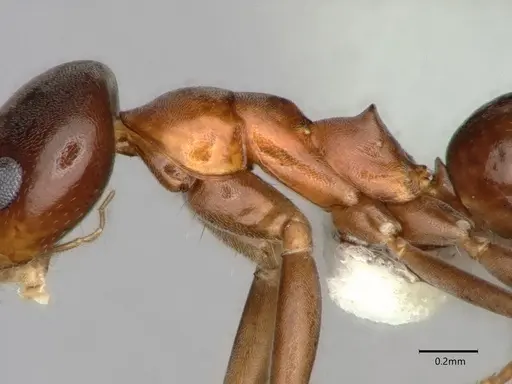
Dorymyrmex bossutus is a small, shiny ant native to the southeastern United States, specifically Florida's sandhill habitats. Workers measure 0.77-0.88mm with a distinctive hunchbacked appearance caused by their steep, nearly vertical mesonotum. The gaster is notably shiny with sparse or absent pubescence, giving them a polished look. Queens are larger at 1.03-1.05mm. Color varies from dark brown with yellowish thorax to nearly uniform yellowish-brown. This species is poorly studied and restricted to sandhill and scrub habitats, making it a unique find for antkeepers interested in North American natives.
Quick Summary
- Difficulty: Medium
- Origin & Habitat: Florida sandhills and fossil dunes in the southeastern United States, often associated with turkey oak habitats. Nests are found in small vegetation-free patches at depths of 15-25cm [1][2].
- Colony Type: Colony structure is unconfirmed. Based on typical Dorymyrmex patterns, likely single-queen colonies. Nest excavations reveal several dozen workers [1].
- Size & Growth:
- Queen: 1.03-1.05mm [3]
- Worker: 0.77-0.88mm [3]
- Colony: Several dozen workers based on nest excavations [1]. Likely remains relatively small.
- Growth: Unknown, growth rate has not been documented
- Development: Unconfirmed, no direct development data exists for this species (Based on related Dolichoderinae, expect 4-8 weeks at warm temperatures, but this is an estimate)
- Antkeeping:
- Temperature: Based on Florida habitat, keep in the warm range around 22-28°C. They tolerate Florida's subtropical conditions.
- Humidity: Sandhill species, prefers drier conditions. Keep nest substrate moderately dry, similar to their natural xeric habitat.
- Diapause: Unconfirmed, Florida species may have reduced overwintering needs. Consider a cool period around 15-18°C during winter months.
- Nesting: Natural nests are subterranean at 15-25cm depth with a circular entrance surrounded by a small soil crater. In captivity, a dry, sandy substrate in a formicarium or test tube setup works well. They prefer digging into dry, loose soil.
- Behavior: Workers forage singly, usually in shaded areas. They are not aggressive and are documented as stingless [4]. Foraging workers may superficially resemble Pheidole species. They tolerate some disturbance like foot traffic but cannot survive tilling. Escape risk is moderate, their small size means they can squeeze through small gaps, so use standard barrier precautions.
- Common Issues: limited availability, this is a rarely collected species with few sources in the antkeeping trade, poorly documented care requirements, much of captive care is based on inference from related species, small colony sizes in the wild mean captive colonies may remain modest, difficulty establishing foundress queens, founding behavior is unconfirmed
Natural History and Distribution
Dorymyrmex bossutus is endemic to Florida's sandhill ecosystems, particularly areas with turkey oak. It is widely distributed across peninsular Florida, extending west into Leon County. This species is strongly associated with fire-maintained longleaf pine sandhills, a habitat that requires periodic burning to maintain its open character. Nests are found in small, vegetation-free patches typical of sparse sandhill understory. The nest entrance is circular, surrounded by a 5-10mm wide crater of excavated soil. excavations reveal colonies typically contain several dozen workers with numerous larvae and pupae located between 15-25cm deep. This species tolerates cutting of trees and foot traffic but cannot survive agricultural tilling. [1][2][3]
Identification and Appearance
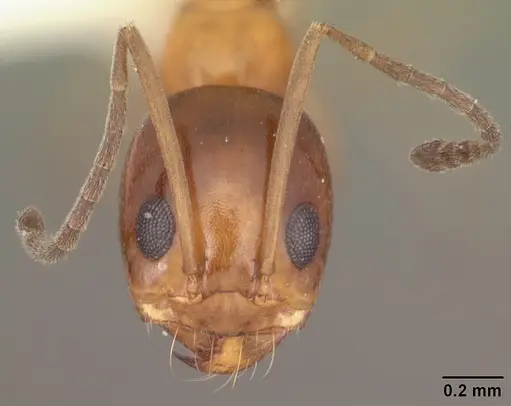
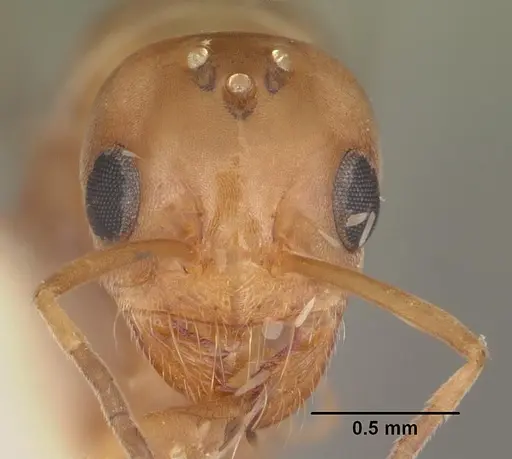
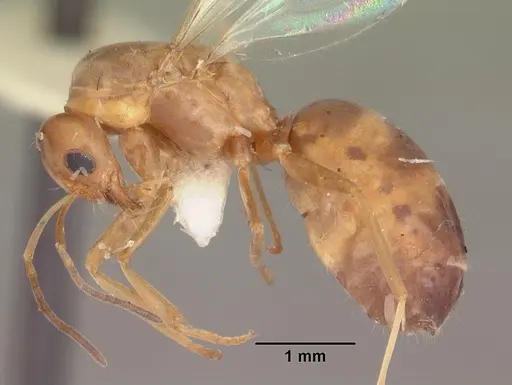
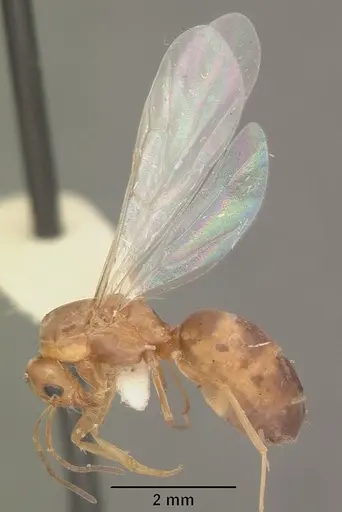
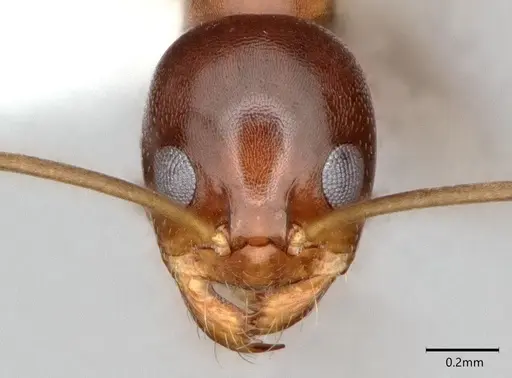
Workers are small at 0.77-0.88mm and notably shiny, especially on the gaster which lacks or has very sparse pubescence. The most distinctive feature is the steep, often nearly vertical declivous face of the mesonotum, giving a hunchbacked or strongly saddle-backed appearance, this is how the species got its name 'bossuta' (hunchbacked in Latin). The head is broadest across the eyes with convex sides. Color ranges from dark brown head with yellowish or reddish-brown thorax and dark gaster (most common) to nearly uniform yellowish-brown (least common, known only from Highlands County). Queens are larger at 1.03-1.05mm and similarly shiny, with a slender thorax narrower than the head. [3]
Feeding and Diet
This species is documented as a seed remover, one of eight ant species newly documented as seed removers in a 2022 study of longleaf sandhill ecosystems [1]. This means they collect and potentially consume seeds, similar to other Dorymyrmex species. In captivity, they likely accept typical ant foods including sugar sources (honey, sugar water), protein (small insects like fruit flies or pinhead crickets), and possibly seed matter. Their small size means prey items should be appropriately sized. Offer a varied diet and monitor acceptance.
Nesting in Captivity
In the wild, Dorymyrmex bossutus nests in sandy soil at 15-25cm depth. For captive care, provide a naturalistic setup with a sandy substrate they can dig into. A formicarium with loose, dry sandy soil works well, or a test tube setup with a sand-filled chamber. The nest should be relatively dry, these are xeric habitat ants. Provide a water tube but avoid excessive moisture in the nesting area. They do not require high humidity. A small outworld for foraging completes the setup. [1][3]
Behavior and Temperament
Workers forage singly, typically in shaded areas rather than open sunlight. They are not aggressive and are confirmed stingless [4]. When disturbed, they may retreat rather than attack. In the field, foragers may resemble Pheidole dentata or Pheidole morrisiii due to their small size and foraging style. They are tolerant of some environmental disturbance like foot traffic but cannot survive habitat destruction through tilling. In captivity, they are likely calm and easy to observe.
Frequently Asked Questions
Is Dorymyrmex bossutus a good beginner ant?
This species is not ideal for complete beginners due to its limited availability and poorly documented care requirements. It falls in the medium difficulty range. If you're experienced with North American native ants and can find a colony, it should be manageable.
What do Dorymyrmex bossutus ants eat?
They are documented seed removers, so they likely accept seeds in addition to typical ant foods. Offer sugar water or honey, small protein sources like fruit flies or tiny crickets, and experiment with small seeds. Their small size means all food items should be appropriately sized.
How big do Dorymyrmex bossutus colonies get?
Based on nest excavations showing several dozen workers, colonies remain relatively small, likely under 500 workers at maturity. This is a modest-sized species compared to many common ant kept in captivity.
What temperature do they need?
Based on their Florida sandhill habitat, keep them warm around 22-28°C. They can tolerate subtropical temperatures. A heating cable on one side of the nest can provide a gradient if your room temperature is cooler.
Do they need hibernation?
Diapause requirements are unconfirmed for this species. As a Florida native, they may have reduced overwintering needs compared to temperate species. A cool period around 15-18°C during winter months is a reasonable approach, but they may remain active year-round in warm captivity.
Where can I find Dorymyrmex bossutus?
This is a rarely collected species restricted to Florida's sandhill habitats. They are associated with turkey oak in longleaf pine sandhills. They are not common in the antkeeping trade. Your best option would be to search for breeders specializing in North American native ants.
References

This caresheet is licensed under CC BY-SA 4.0 .
CASENT0103858
View on AntWeb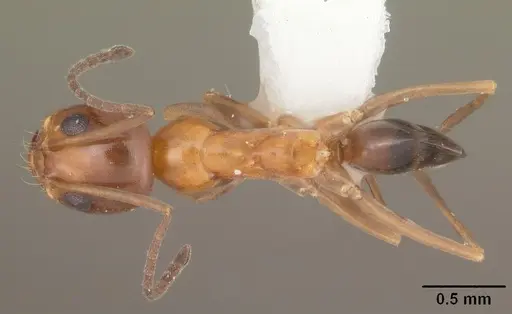
CASENT0103861
View on AntWeb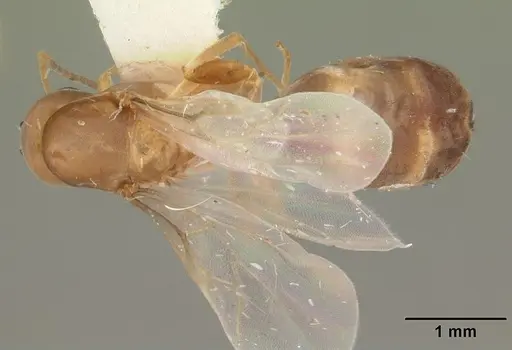
CASENT0105876
View on AntWeb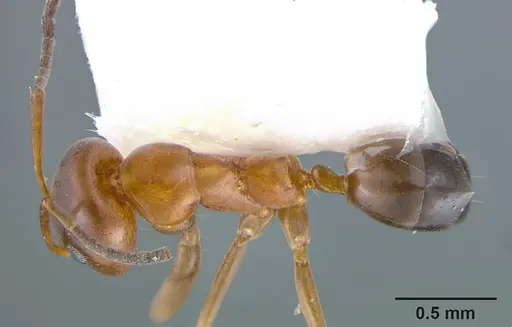
CASENT0349067
View on AntWeb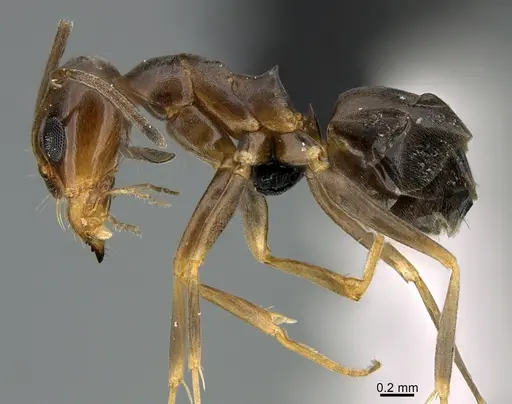
CASENT0841371
View on AntWeb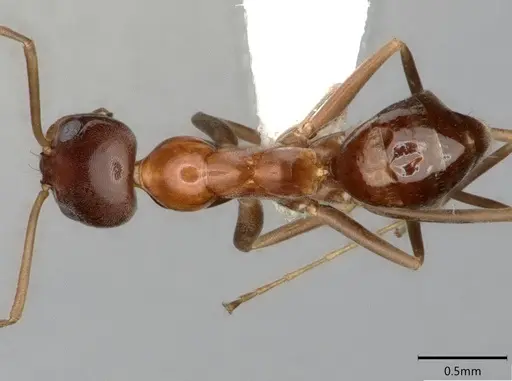
Literature
Loading...Loading products...