

Dorymyrmex agallardoi
- Scientific Name
- Dorymyrmex agallardoi
- Tribe
- Leptomyrmecini
- Subfamily
- Dolichoderinae
- Author
- Snelling, 1975
- Distribution
- Found in 1 countries
Dorymyrmex agallardoi Overview
Dorymyrmex agallardoi is an ant species of the genus Dorymyrmex. It is primarily documented in 1 countries , including Chile. Detailed taxonomic data and occurrence records can be further explored via authoritative databases such as AntWeb or the Global Biodiversity Information Facility (GBIF).
Dorymyrmex agallardoi
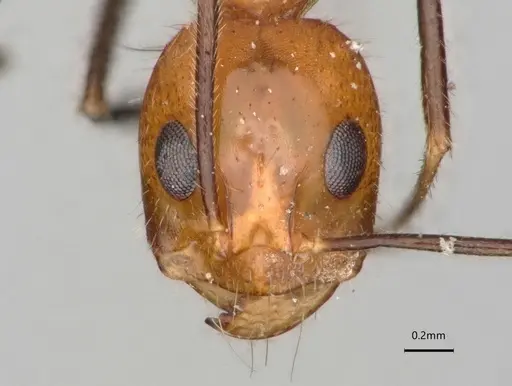
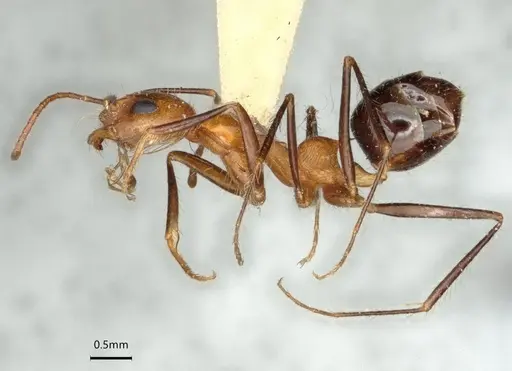
Dorymyrmex agallardoi is a small to medium-sized ant endemic to central Chile, specifically found in the Metropolitan Region from Santa Rosa de los Andes to San José de Maipo [1]. Workers measure 1.05-1.22mm in head length and are characterized by their prominent, posteriorly-directed propodeal spine, a distinctive feature that gives them the common name 'cone ants'. The head and thorax are a dull reddish color, while the antennae and legs are medium brown and the gaster is blackish.
This species is endemic to Chile, meaning it's found nowhere else on Earth [2]. The biology of D. agallardoi remains poorly studied, but as a Dorymyrmex species, it likely shares traits with other members of this genus, typically ground-nesting ants that prefer open, sunny habitats and are known for their aggressive defense of the nest when disturbed.
Quick Summary
- Difficulty: Unknown, limited data available
- Origin & Habitat: Central Chile (Metropolitan Region), endemic species found from Santa Rosa de los Andes to San José de Maipo in open, sunny areas [1][2]
- Colony Type: Unconfirmed, colony structure has not been documented for this species
- Size & Growth:
- Queen: Undescribed, no documented queen measurements
- Worker: 1.05-1.22mm head length
- Colony: Unknown, no colony size data available
- Growth: Unknown
- Development: Unknown, no development data available for this species (Development timeline has not been studied. Related Dorymyrmex species typically develop from egg to worker in 6-10 weeks at warm temperatures, but this is an estimate based on genus patterns rather than specific data.)
- Antkeeping:
- Temperature: Likely 20-28°C based on central Chilean climate and related species, no specific data available. Start with room temperature (around 22°C) and observe colony activity.
- Humidity: Likely prefers dry to moderate conditions typical of Dorymyrmex, avoid overly damp nests. Provide a shallow water source.
- Diapause: Likely requires winter dormancy given central Chile's seasonal climate, no specific documentation for this species
- Nesting: Likely ground-nesting based on genus patterns. A naturalistic setup with dry substrate or a Y-tong/plaster nest with some dry areas would likely suit them.
- Behavior: Not specifically documented, but Dorymyrmex ants are generally known to be aggressive defenders with a painful bite. Workers are active foragers that likely search for nectar and small insects. Escape risk is moderate given their 1mm+ size, standard barrier methods should suffice.
- Common Issues: limited biological data means care requirements are largely estimated from genus patterns, no documented founding behavior, unknown if claustral or semi-claustral, no information on colony size limits or growth rates, winter dormancy requirements are unconfirmed for this specific species, as an endemic Chilean species, acquisition may be difficult for keepers outside South America
Identification and Appearance
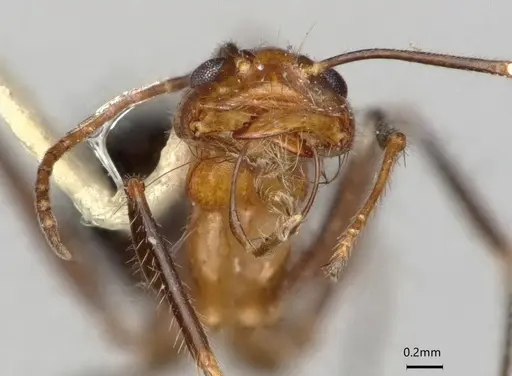
Dorymyrmex agallardoi workers are distinctive among Chilean ants due to their prominent propodeal spine, a sharp, cone-shaped projection pointing backward from the rear of the thorax. The species was described by R.R. Snelling in 1975,with workers measuring 1.05-1.22mm in head length. The head and thorax are a dull reddish color, while the legs and antennae are medium brown and the abdomen (gaster) is blackish. A key identification feature is the coarsely rugulose (wrinkled) sides of the propodeum, which helps distinguish it from the similar Dorymyrmex planidens. The species was named in honor of Angel Gallardo, a pioneer in the study of South American ants.
Distribution and Habitat
This is an endemic species found only in central Chile, specifically in the Metropolitan Region [2]. The known distribution range stretches from Santa Rosa de los Andes to San José de Maipo [1]. This region experiences a Mediterranean climate with dry summers and wet winters, meaning the ants likely experience seasonal temperature variations. They are probably found in open, sunny areas with well-drained soil, typical habitat for Dorymyrmex species. The original description notes specimens were collected in January and November, suggesting the ants are active during the warmer months in the Southern Hemisphere.
Known Biology
Unfortunately, the specific biology of Dorymyrmex agallardoi remains unstudied. No research has documented their colony structure, founding behavior, development timeline, diet preferences, or overwintering requirements. This is one of the least-studied ant species in Chile. What we know about their likely care comes from general Dorymyrmex genus patterns and the climate of their native range. Dorymyrmex ants are typically ground-nesting, aggressive defenders that feed on nectar and small invertebrates. They are known for their painful bite and will readily attack threats to the nest.
Keeping Considerations
Since specific care requirements are unknown for this species, keepers should approach husbandry cautiously. Based on the central Chilean climate and related Dorymyrmex species, these ants likely prefer warm temperatures (roughly 20-28°C), dry to moderate humidity, and likely benefit from a winter rest period. They are probably aggressive defenders, so escape prevention is important, though their moderate size (around 1mm workers) means they cannot escape through the smallest gaps like some tiny ants can. A naturalistic setup with a dry nesting area and access to a shallow water source would be a reasonable starting point. Given the complete lack of documented captive care, keepers should be prepared to experiment and document their observations carefully to build husbandry knowledge for this species.
Frequently Asked Questions
How do I keep Dorymyrmex agallardoi ants?
Specific care requirements are unknown for this species. Based on related Dorymyrmex species and the Chilean climate, provide a warm nest (around 22°C), dry to moderate humidity, and likely a winter rest period. Start with standard antkeeping methods and adjust based on colony behavior.
What do Dorymyrmex agallardoi ants eat?
Diet has not been documented for this species. Related Dorymyrmex ants typically feed on nectar, honeydew, and small insects. Offer sugar water or honey as an energy source and small protein sources like fruit flies or pinhead crickets.
How big do Dorymyrmex agallardoi colonies get?
Colony size is unknown, no research has documented maximum colony sizes for this species.
How long does it take for Dorymyrmex agallardoi to develop from egg to worker?
The development timeline has not been studied for this species. Based on related Dorymyrmex species, expect roughly 6-10 weeks from egg to worker at warm temperatures, but this is an estimate.
Do Dorymyrmex agallardoi need hibernation?
Winter dormancy requirements are unconfirmed, but likely yes given the seasonal climate of central Chile. Provide a cool period (around 10-15°C) during winter months.
Is Dorymyrmex agallardoi a good species for beginners?
Unknown, the lack of documented care information makes this species challenging. Until more is known about their requirements, this species is best suited for experienced keepers who can experiment with husbandry.
Where is Dorymyrmex agallardoi found?
This is an endemic species found only in central Chile, specifically in the Metropolitan Region from Santa Rosa de los Andes to San José de Maipo.
Can I keep multiple Dorymyrmex agallardoi queens together?
Colony structure (monogyne vs polygyne) has not been documented for this species. Do not attempt combining unrelated queens until more is known.
What type of nest should I use for Dorymyrmex agallardoi?
Nesting preferences are unconfirmed, but Dorymyrmex species are typically ground-nesters. A naturalistic setup with dry substrate or a Y-tong/plaster nest with some dry areas would likely work.
References

This caresheet is licensed under CC BY-SA 4.0 .
LACMENT164274
View on AntWeb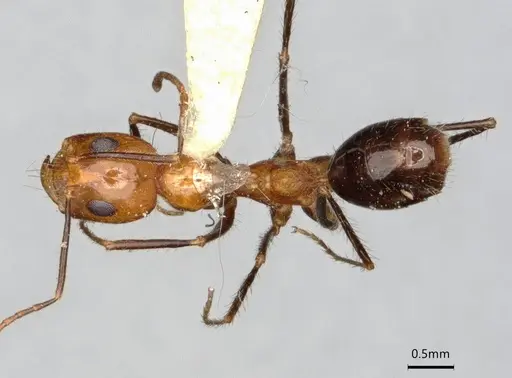
Literature
Loading...Loading products...