

Dorymyrmex planidens
- Scientific Name
- Dorymyrmex planidens
- Tribe
- Leptomyrmecini
- Subfamily
- Dolichoderinae
- Author
- Mayr, 1868
- Distribution
- Found in 1 countries
Dorymyrmex planidens Overview
Dorymyrmex planidens is an ant species of the genus Dorymyrmex. It is primarily documented in 1 countries , including Argentina. Detailed taxonomic data and occurrence records can be further explored via authoritative databases such as AntWeb or the Global Biodiversity Information Facility (GBIF).
Dorymyrmex planidens
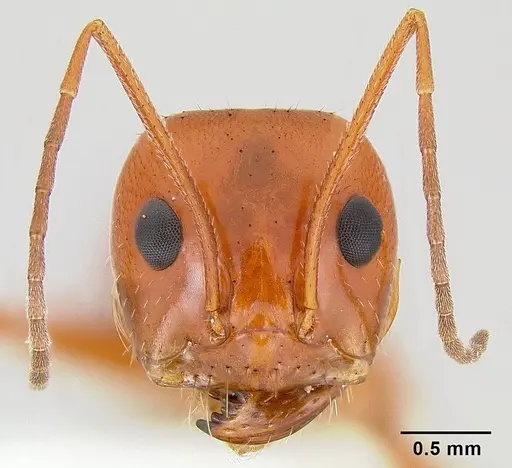
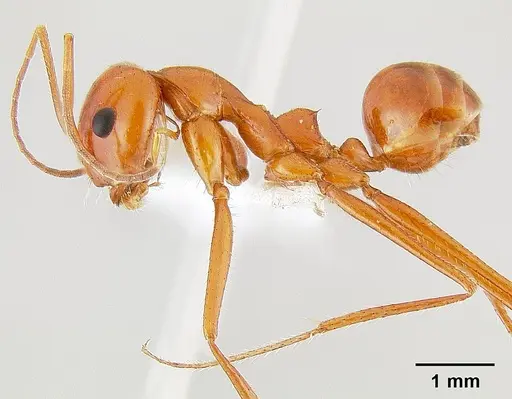
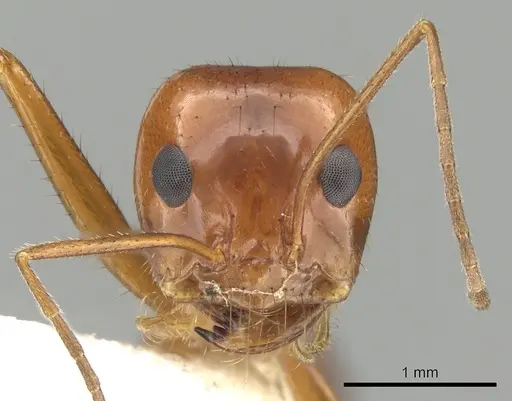
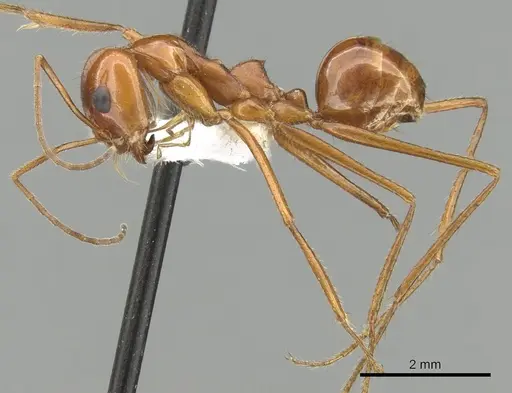
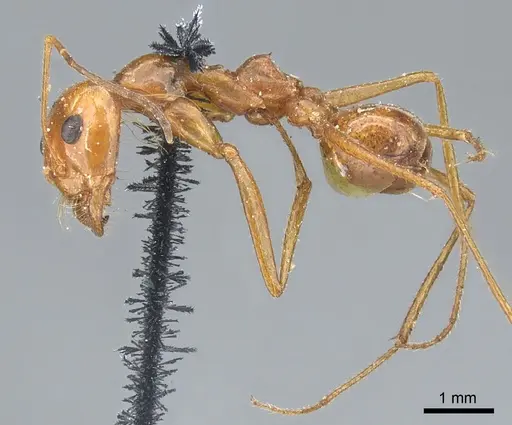
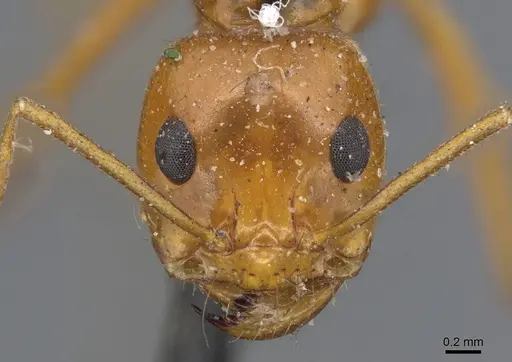
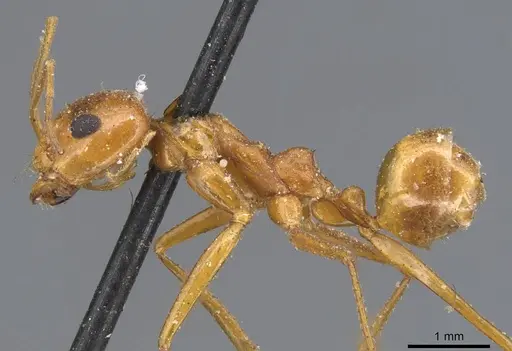
Dorymyrmex planidens is a small dolichoderine ant native to Argentina and Chile, part of the genus commonly called 'pyramid ants' due to their distinctive conical mound nests [1]. Workers are slender and fast-moving, typically measuring 3-5mm, with the characteristic psammophore, a brush of hairs on the underside of the head used for excavating and moving sand particles [1]. This species was historically classified under the genus Psammomyrma before being reclassified back into Dorymyrmex, reflecting its sand-nesting habits [2][3]. As a member of the tribe Leptomyrmecini, these ants are part of a lineage that colonized North America from Neotropical origins [4]. The species represents the classic Dorymyrmex s. str. (strict sense) clade, phylogenetically distinct with maximal support [5].
What makes Dorymyrmex planidens particularly interesting is its adaptation to arid and semi-arid environments across the Southern Cone of South America. Like other pyramid ants, they construct characteristic conical mounds that serve as nest ventilation structures. They are active foragers with a diverse diet that includes nectar, honeydew, and small insects. Their fast movement and alert behavior make them engaging observe in captivity.
Quick Summary
- Difficulty: Easy
- Origin & Habitat: Argentina and Chile in the Neotropical Region. These ants inhabit open, sunny areas with sandy or well-drained soils, typically in arid to semi-arid environments [6]. They construct nests in open ground, often creating the distinctive conical mounds that give pyramid ants their common name.
- Colony Type: Likely monogyne (single queen colonies) based on typical Dorymyrmex patterns, though colony structure is not specifically documented for this species. Workers are medium-sized at 3-5mm, and colonies likely reach several hundred workers over time.
- Colony: Monogyne
- Founding: Claustral
- Size & Growth:
- Queen: Estimated 6-8mm based on genus typical size for Dorymyrmex queens
- Worker: 3-5mm [1]
- Colony: Estimated several hundred workers based on genus patterns
- Growth: Moderate, typical for dolichoderine ants
- Development: Estimated 6-8 weeks at optimal temperature based on related Dolichoderinae species (Development time inferred from genus-level data, actual timing may vary based on temperature conditions)
- Antkeeping:
- Temperature: Keep at 24-28°C (warm room temperature). They tolerate higher temperatures well given their arid natural habitat. A heating cable on one side of the nest can create a gradient if needed.
- Humidity: Low to moderate. These are desert-adapted ants that prefer drier conditions. Keep nest substrate moderately dry with just slight moisture. Avoid damp, stagnant conditions.
- Diapause: Likely required during winter months given their temperate/southern hemisphere distribution. Reduce temperature to 10-15°C for 2-3 months during Southern Hemisphere winter (or simulate Northern Hemisphere winter if in opposite hemisphere).
- Nesting: Best kept in naturalistic setups with sandy substrate or in Y-tong/plaster nests with dry to moderately moist conditions. They prefer nesting in material they can excavate and move, a sand-soil mix works well.
- Behavior: Dorymyrmex planidens are active, fast-moving ants with alert foraging behavior. They are not particularly aggressive toward humans but will defend their nest vigorously. Workers are diligent foragers, actively searching for nectar, honeydew, and small prey. Their small size means escape prevention is important, use fine mesh barriers and tight-fitting lids. They are diurnal, most active during warmer parts of the day.
- Common Issues: escape prevention is critical due to small worker size, they squeeze through tiny gaps, colonies may struggle if humidity is too high, these are arid-adapted ants, winter diapause is likely required but timing depends on your hemisphere, limited availability in the antkeeping hobby since they're not commonly traded, slow colony growth in the first year may frustrate beginners
Nest Preferences and Setup
Dorymyrmex planidens naturally nests in open, sandy areas where they can construct their characteristic conical mounds. In captivity, they do well in naturalistic setups with a sandy soil substrate that allows them to excavate and move particles, this connects to their psammophore, the hair brush under their head used for sand transport [1]. A mix of play sand and fine soil works well as a substrate. Alternatively, Y-tong (acrylic) nests with narrow chambers can work, though these desert-adapted ants prefer drier conditions than many other ants. Whatever nest type you choose, ensure excellent escape prevention since their small size allows them to squeeze through standard gaps. Provide a water tube as a hydration source, but don't over-moisten the nest area.
Feeding and Diet
Like other Dorymyrmex species, these ants are omnivorous with a preference for sweet liquids. Offer sugar water, honey, or diluted maple syrup as a constant carbohydrate source. For protein, provide small insects like fruit flies, small mealworms, or cricket pieces. They are active foragers, so place food in the outworld where they can find it easily. In the wild, they likely consume nectar from flowers and honeydew from aphids or scale insects, so occasional offering of sweet treats mimics their natural diet. Feed protein prey 2-3 times per week, and keep sugar water available at all times. Remove uneaten prey after 24 hours to prevent mold.
Temperature and Seasonal Care
Dorymyrmex planidens comes from Argentina and Chile, regions with distinct seasons. Keep the nest at 24-28°C for optimal brood development, they are warm-adapted ants that tolerate heat well given their arid habitat. Room temperature in most homes should suffice, but you can use a heating cable on one side of the nest to create a gentle gradient if needed. During winter (roughly November-February in the Southern Hemisphere), reduce temperatures to 10-15°C to allow for diapause. If you're in the Northern Hemisphere, simulate winter during your local winter months. This rest period is important for colony health and triggering reproductive behavior the following spring. Do not feed during diapause, simply provide water and keep them in a cool, dark location.
Behavior and Colony Dynamics
These ants are characterized by their fast, alert movement and active foraging behavior. Workers search individually for food rather than using mass recruitment, though they will alert others when a good food source is found. They are not particularly aggressive but will readily defend their nest if threatened. The colony will grow gradually, expect the first year to focus on establishing the founding queen and producing nanitic (first) workers. Once established, colonies can grow to several hundred workers over 2-3 years. Queens are relatively long-lived for ants, and colonies can persist for several years with proper care. The small worker size means you should observe them closely for escape attempts, especially when the colony is small.
Frequently Asked Questions
How long does it take for Dorymyrmex planidens to produce first workers?
Expect first workers (nanitics) to emerge 6-8 weeks after the queen lays eggs, assuming temperatures around 24-28°C. This is estimated based on related Dolichoderinae species since specific development data for D. planidens is not available.
What temperature do Dorymyrmex planidens need?
Keep them warm at 24-28°C. They tolerate higher temperatures well due to their arid natural habitat. A simple room temperature setup often works, or use a heating cable for precise control.
Can I keep multiple queens together?
Not recommended. Dorymyrmex planidens is likely monogyne (single queen), and combining unrelated queens typically results in fighting. Start with one queen per colony.
Do Dorymyrmex planidens need hibernation?
Yes, a diapause period is likely required given their temperate distribution in Argentina and Chile. Reduce temperatures to 10-15°C for 2-3 months during winter.
What do Dorymyrmex planidens eat?
They are omnivorous. Offer sugar water, honey, or maple syrup constantly for carbohydrates. Feed small insects like fruit flies or mealworms 2-3 times per week for protein.
Are Dorymyrmex planidens good for beginners?
Yes, they are considered easy to keep. They are forgiving of minor care mistakes, don't require high humidity, and are not aggressive. Their small size does require good escape prevention.
When should I move my colony to a formicarium?
Keep founding colonies in a test tube setup until they have 20-30 workers. At that point, you can transition to a naturalistic setup or Y-tong nest with appropriate escape prevention.
How big do Dorymyrmex planidens colonies get?
Based on genus patterns, expect colonies to reach several hundred workers over 2-3 years. They are not among the largest ant species but can form substantial colonies.
Why are my Dorymyrmex planidens escaping?
Their small worker size (3-5mm) means they can squeeze through tiny gaps. Use fine mesh barriers, seal all joints with fluon or silicone, and check lid fit regularly. Escape prevention is critical with this species.
References

This caresheet is licensed under CC BY-SA 4.0 .
CASENT0106156
View on AntWeb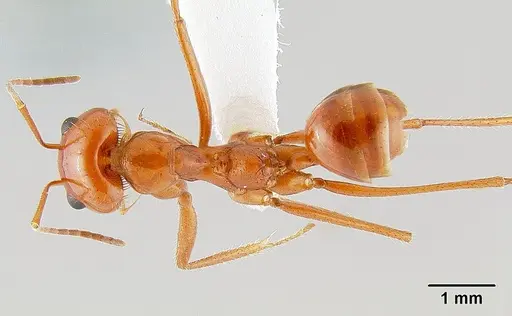
CASENT0249684
View on AntWeb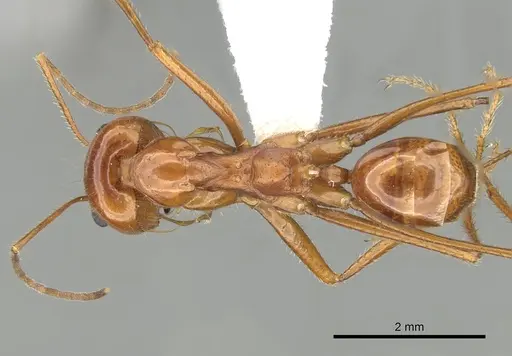
CASENT0902986
View on AntWeb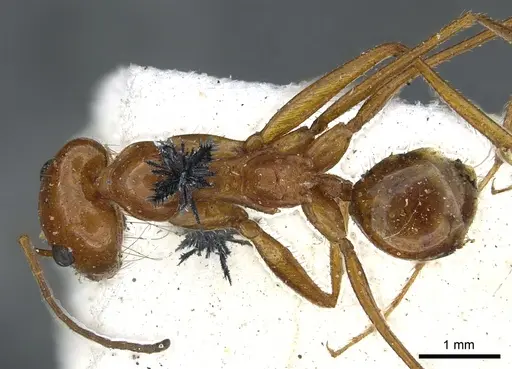
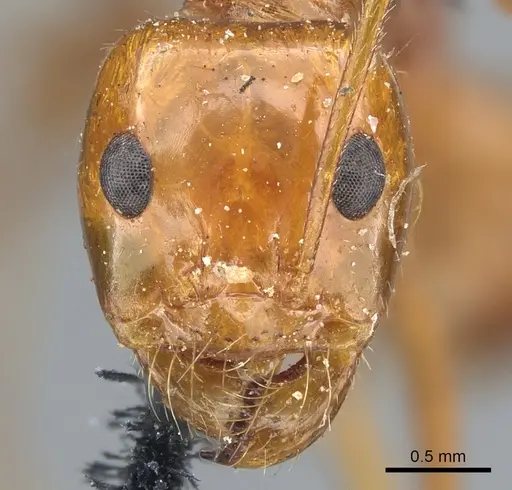
CASENT0915585
View on AntWeb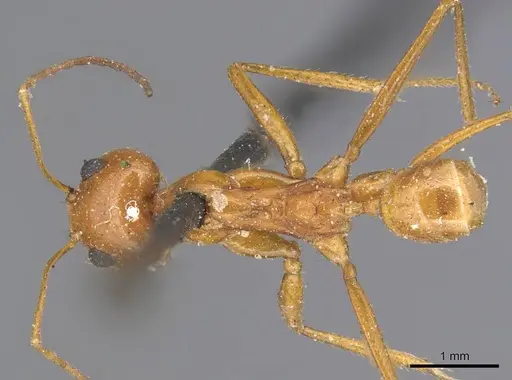
Literature
Loading...Loading products...