

Dorylus wilverthi
- Scientific Name
- Dorylus wilverthi
- Subfamily
- Dorylinae
- Author
- Emery, 1899
- Distribution
- Found in 6 countries
Dorylus wilverthi Overview
Dorylus wilverthi is an ant species of the genus Dorylus. It is primarily documented in 6 countries , including Congo, Democratic Republic of the, Central African Republic. Detailed taxonomic data and occurrence records can be further explored via authoritative databases such as AntWeb or the Global Biodiversity Information Facility (GBIF).
Dorylus wilverthi
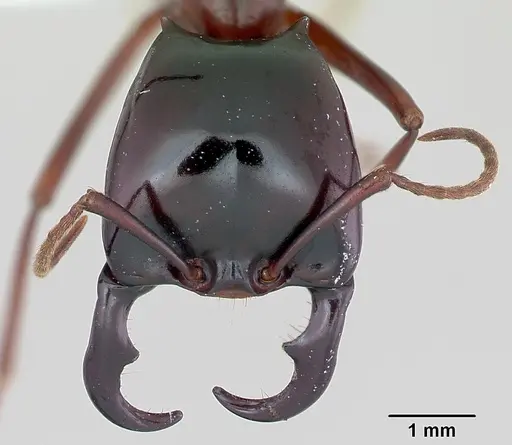
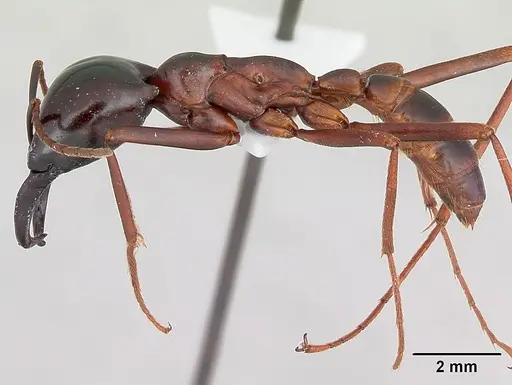
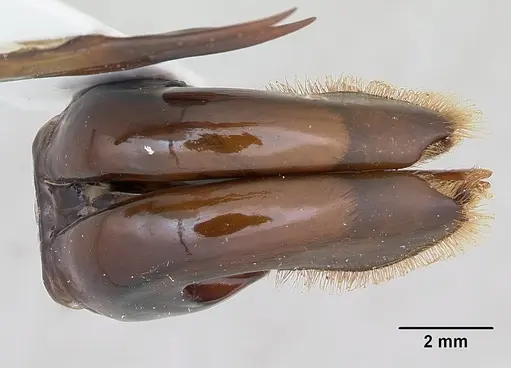
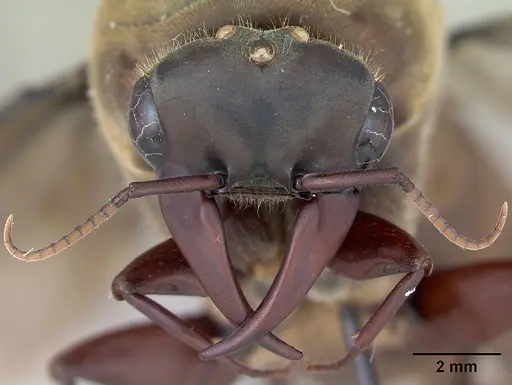
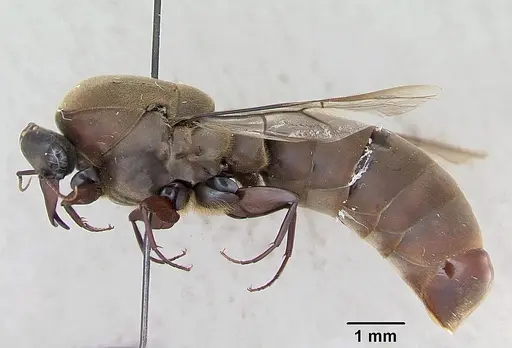
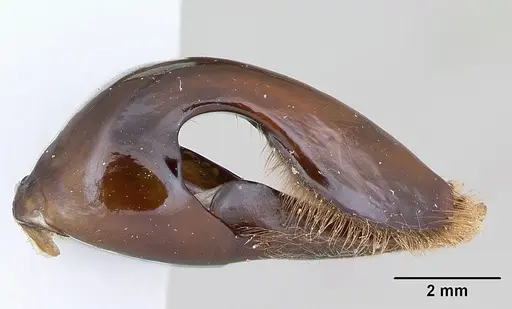
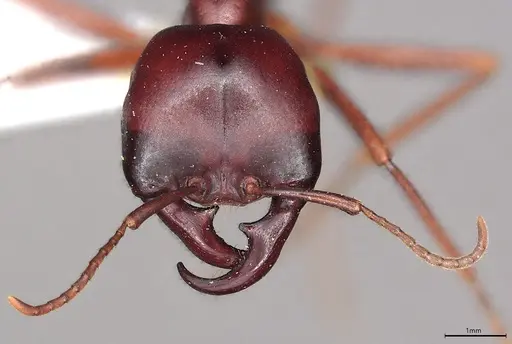
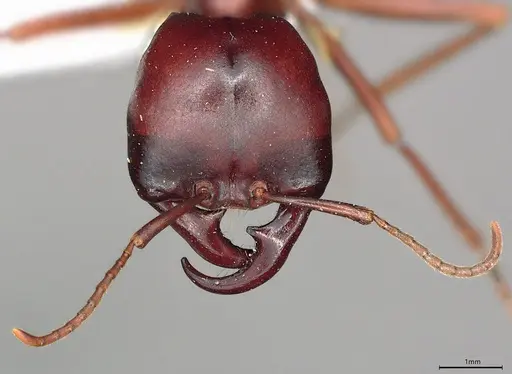
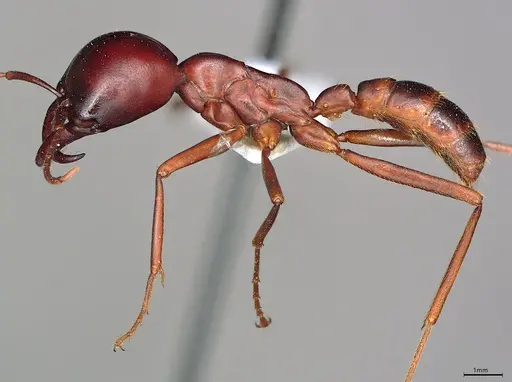
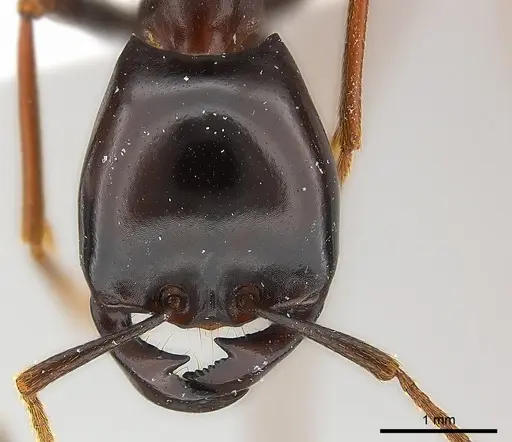
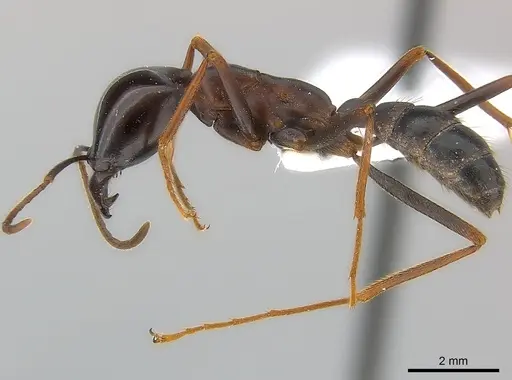
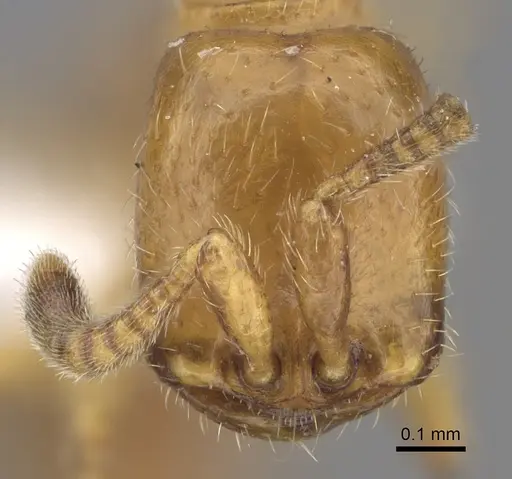
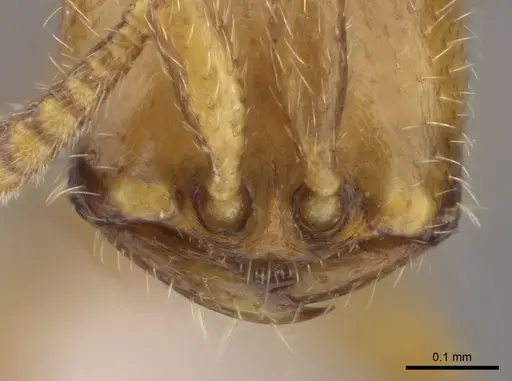
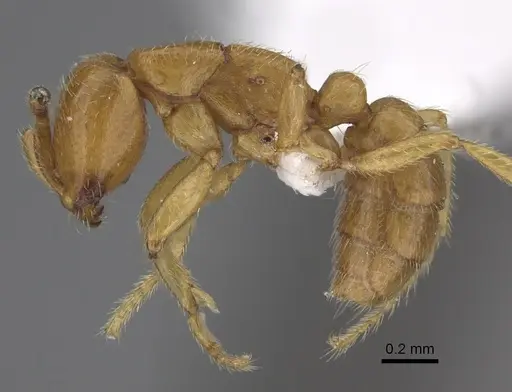
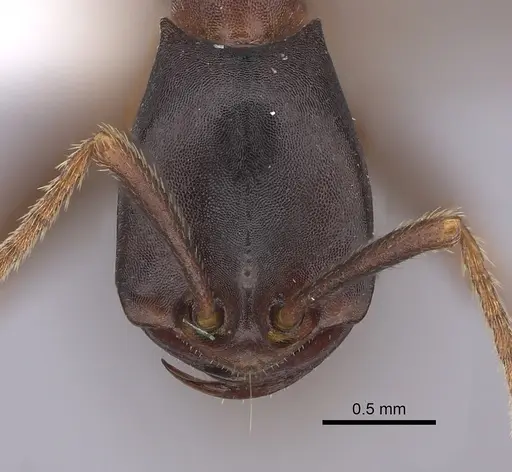
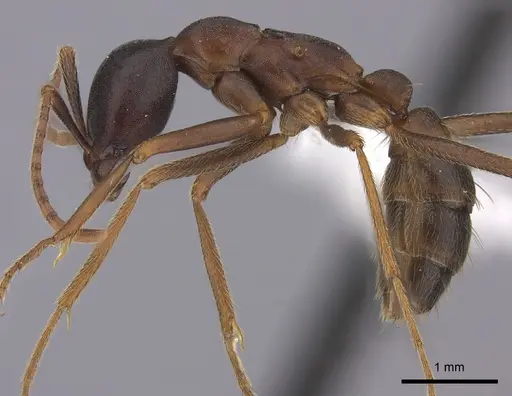
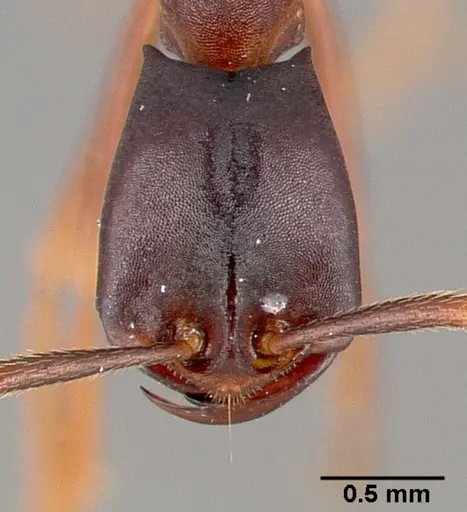
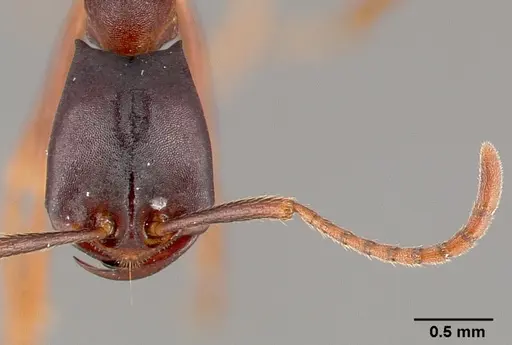
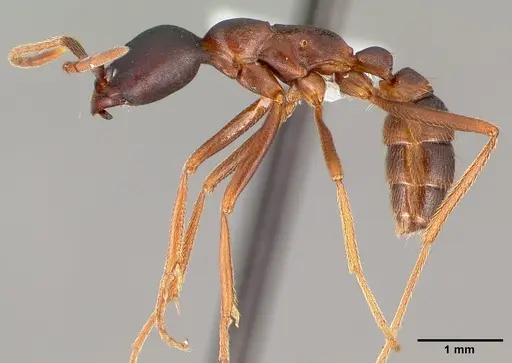
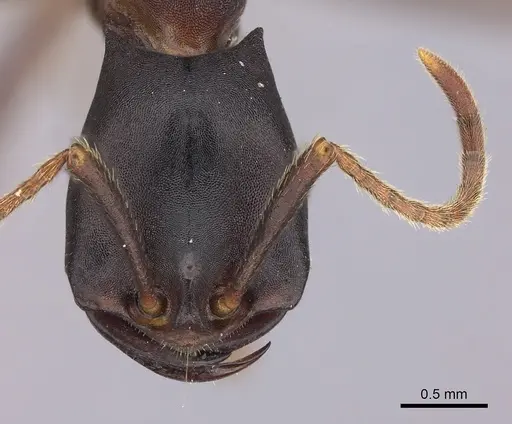
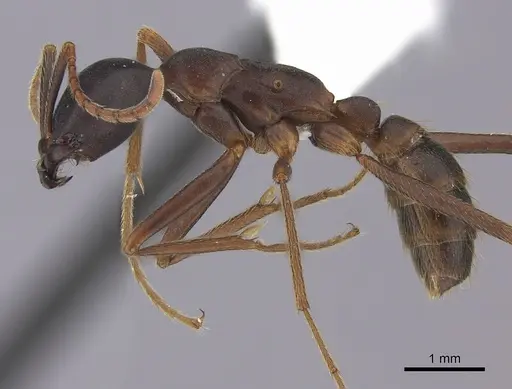
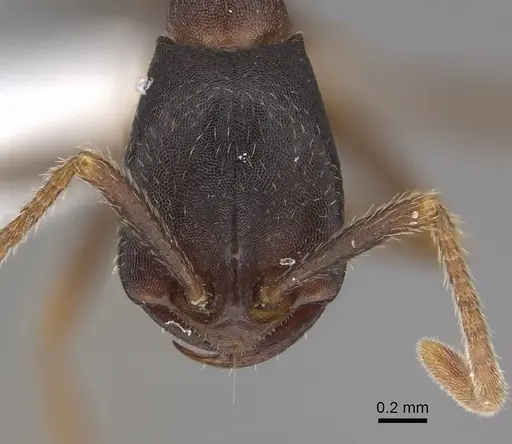
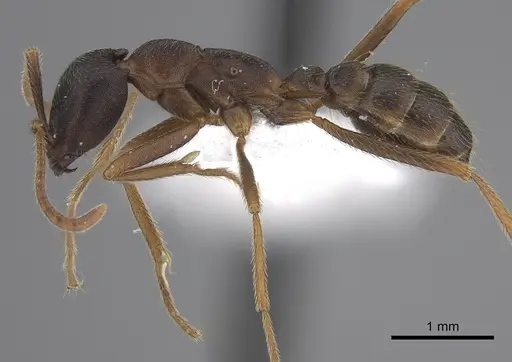
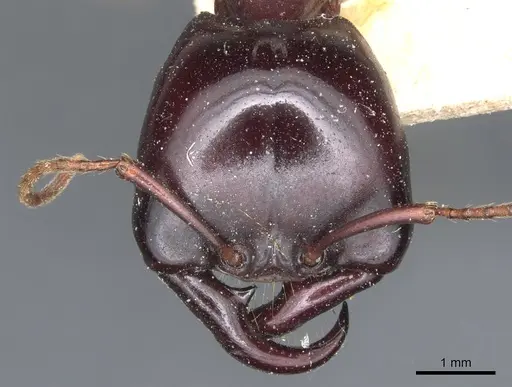
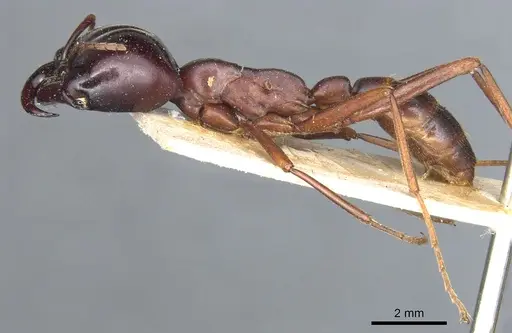
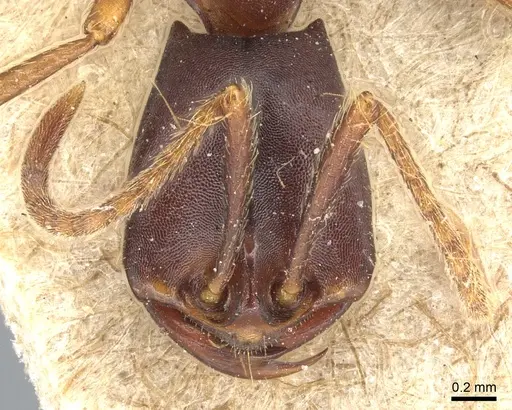
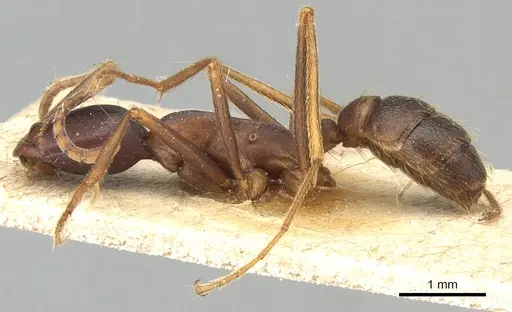
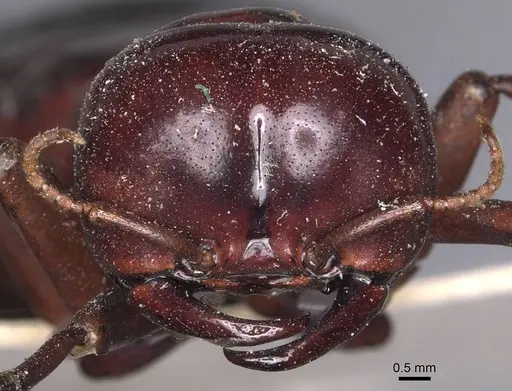
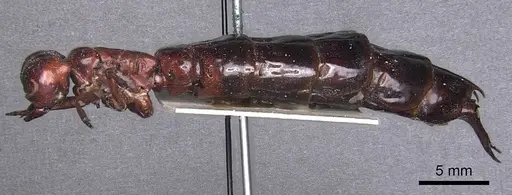
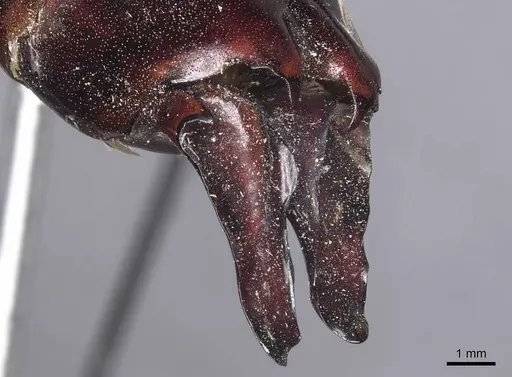
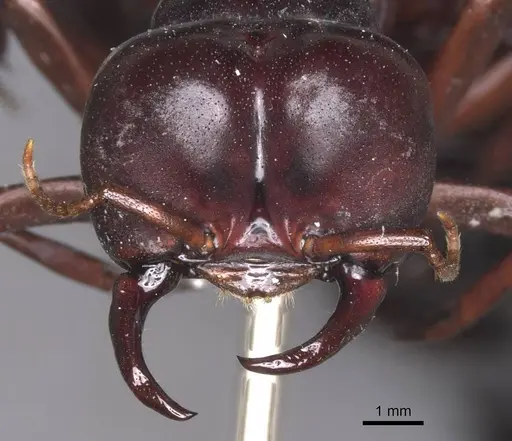
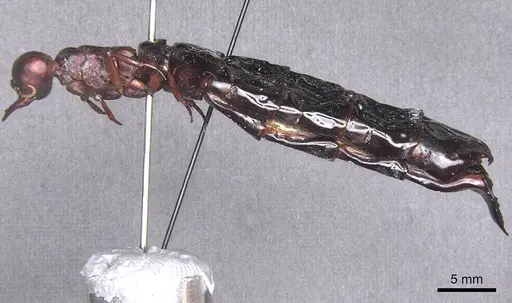
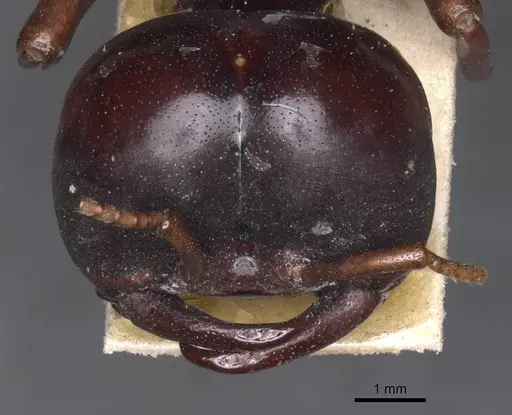
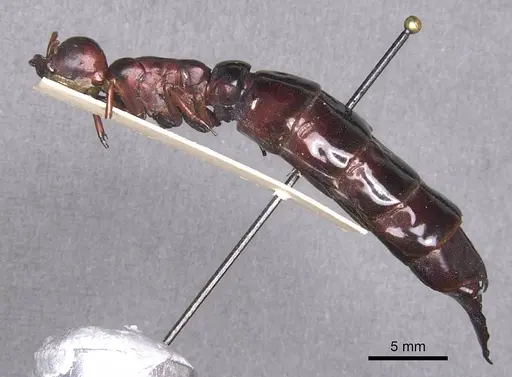
Dorylus wilverthi is a massive driver ant species from the rainforests of sub-Saharan Africa. Workers are relatively large with distinctive horn-like protrusions on the back of their head, and the queen is the largest living ant in the world, reaching up to 52mm in length [1][2]. This species lives in extremely large colonies that can contain over 10 million workers, making them one of the most impressive social insect colonies on Earth [3]. They are epigaeic foragers, meaning they hunt on the ground surface and in vegetation using coordinated swarm raids that can attract ant-following birds [4]. In the wild, they inhabit intact rainforest in central and eastern Africa, from the Congo to Kenya and Rwanda [5].
Quick Summary
- Difficulty: Expert
- Origin & Habitat: Sub-Saharan African rainforests, specifically found in Cameroon, Central African Republic, Democratic Republic of Congo, Ivory Coast, Kenya, Rwanda, and Uganda. They inhabit intact rainforest habitat and require mesic to wet climates with a median annual temperature of around 24.7°C [6][7].
- Colony Type: Monogyne colonies with a single queen. Queens are permanently wingless and mate within the nest with approximately 10-30 unrelated males. The queen can store over 800 million spermatozoa and lays an estimated 250 million eggs during her lifetime [3].
- Colony: Monogyne
- Size & Growth:
- Antkeeping:
- Temperature: Keep at 24-26°C, mimicking their tropical rainforest origin. They are adapted to warm, humid conditions with a median annual temperature of 24.7°C [6].
- Humidity: High humidity required, they inhabit mesic to wet rainforest environments. Keep the nest substrate consistently moist.
- Diapause: No, being a tropical species, they do not require hibernation. However, seasonal activity changes may occur during dry seasons.
- Nesting: Army ants are nomadic and do not establish permanent nests. In captivity, they require large spaces and frequent relocation opportunities. They build temporary bivouacs from their own bodies. This species is NOT suitable for typical ant keeping setups.
- Behavior: Extremely aggressive swarm raiders. Workers forage in coordinated swarms on the ground surface and in vegetation, overwhelming prey items [4]. They have powerful bites from their large mandibles. This species is NOT suitable for typical ant keeping, their massive colony size requirements, nomadic lifestyle, and aggressive foraging behavior make them essentially impossible to keep in captivity in any standard formicarium setup. Even experienced antkeepers should not attempt this species.
Why This Species Is Not Recommended for Captivity
Dorylus wilverthi is one of the most challenging ant species to keep in captivity, if not impossible for standard antkeeping. Their colonies can contain 10-22 million workers, imagine a colony the size of a large dog that needs to move around your room [3]. They are nomadic army ants that do not build permanent nests but instead create temporary bivouacs and migrate every few weeks. Their swarm raids require vast foraging territories. Even the largest commercial formicariums cannot begin to accommodate their needs. Additionally, they require constant access to massive quantities of live prey to sustain their colony. For these reasons, this species should be observed only in the wild or in professional research facilities [5].
Colony Structure and Reproduction
Dorylus wilverthi colonies are strictly monogyne, containing a single queen that is permanently wingless [3]. Unlike most ants, new queens do not take mating flights. Instead, they mate within their natal nest with approximately 10-30 unrelated males during a 2-3 week period [9]. The queen can store over 800 million spermatozoa and is highly multiply mated, studies show effective mating frequencies of around 35 males per queen [9]. A mature queen can lay an estimated 250 million eggs during her lifetime, with an estimated capacity of 3-4 million eggs per month [10]. When the colony needs to found a new colony, the queen leaves on foot taking a portion of the workers with her [5].
Foraging Behavior
This is an epigaeic species, meaning it forages primarily on the ground surface and in low vegetation [4]. Workers conduct coordinated swarm raids that can be massive and conspicuous. These raids are so dramatic that they attract ant-following birds, which is why they are called 'driver ants', they drive insects and other prey out of hiding [4]. Studies in Uganda and DRC show army ant trail densities of 0.50-0.80 trails per kilometer of forest [11]. Workers have distinctive horn-like protrusions on the posterior corners of their head, larger mandibles, and longer legs compared to other life-styles, which help them in locomotion, food transport, and colony defense [4].
Distribution and Habitat
Dorylus wilverthi is found across central and eastern Africa, including Cameroon, Central African Republic, Democratic Republic of Congo, Ivory Coast, Kenya, Rwanda, and Uganda [5]. They are essentially restricted to intact rainforest habitat [7]. Studies in Kakamega Forest, Kenya show they prefer large forest fragments and occur less frequently in small, fragmented areas [12]. Their distribution is tied to mesic to wet climates with a median annual temperature of about 24.7°C and coldest quarter mean of 23.4°C [6]. This species has been recorded at multiple sites in the Democratic Republic of Congo, Rwanda's Nyungwe Forest, and Kenya's Kakamega Forest [13][14].
Hybridization
In areas where Dorylus wilverthi overlaps with Dorylus nigricans molestus (particularly in Kakamega Forest, Kenya), the two species hybridize [9]. Studies show approximately 18% of workers in Kakamega Forest are hybrids, though hybrid workers make up only 1-2% of the total population [9]. Hybridization is bidirectional and occurs at equal rates in both directions. Successful interspecific matings represent approximately 2% of all matings. Interestingly, there is no evidence of genetic caste determination associated with this hybridization, hybrid workers develop normally [9]. Workers can be identified by their distinctive horn-like head projections, though these are reduced in the Kakamega population [9].
Frequently Asked Questions
Can I keep Dorylus wilverthi in a formicarium?
No. This species is not suitable for captive keeping. Their colonies can reach 10-22 million workers and they are nomadic, requiring constant movement and vast foraging space. Even the largest formicariums cannot accommodate them. They should only be observed in the wild.
How big do Dorylus wilverthi colonies get?
Colonies can contain 10-22 million workers, making them among the largest ant colonies in the world [3]. The queen alone can reach 52mm in length, the largest living ant [1].
What do Dorylus wilverthi eat?
They are predators that conduct swarm raids to capture invertebrates. They collect small prey items and are top invertebrate predators in their ecosystem [15]. In captivity, they would require constant access to massive quantities of live prey.
Are Dorylus wilverthi good for beginners?
Absolutely not. This species is expert-level only in theory, in practice, no hobbyist can provide the millions of workers, nomadic housing, and constant prey supply they require. They are among the most difficult ants to keep, if keeping them is possible at all.
Do Dorylus wilverthi need hibernation?
No. Being a tropical rainforest species from central and eastern Africa, they do not require hibernation. They are active year-round in their natural habitat [6].
How long does it take for Dorylus wilverthi workers to develop?
Worker development takes approximately 38 days from egg to adult worker at optimal temperature [8]. This is faster than male development, which takes about 56 days [8].
Can I keep multiple Dorylus wilverthi queens together?
No. Colonies are strictly monogyne, meaning they have only one queen per colony [3]. The queen is permanently wingless and mates within the nest.
Where is Dorylus wilverthi found?
They inhabit intact rainforests across sub-Saharan Africa, including Cameroon, Central African Republic, Democratic Republic of Congo, Ivory Coast, Kenya, Rwanda, and Uganda [5].
How do Dorylus wilverthi queens reproduce?
Unlike most ants, queen ants are permanently wingless and never take mating flights. New queens mate within their natal nest with 10-30 unrelated males, then disperse on foot with a portion of workers to found new colonies [5][9].
References

This caresheet is licensed under CC BY-SA 4.0 .
CASENT0172657
View on AntWeb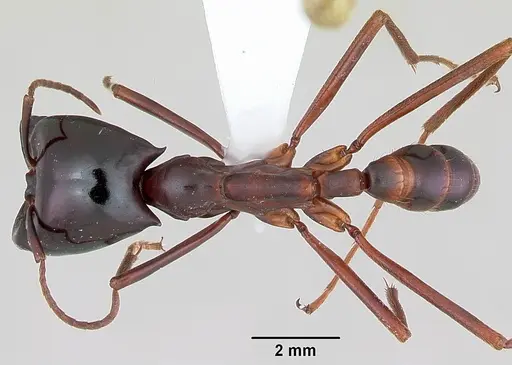
CASENT0172860
View on AntWeb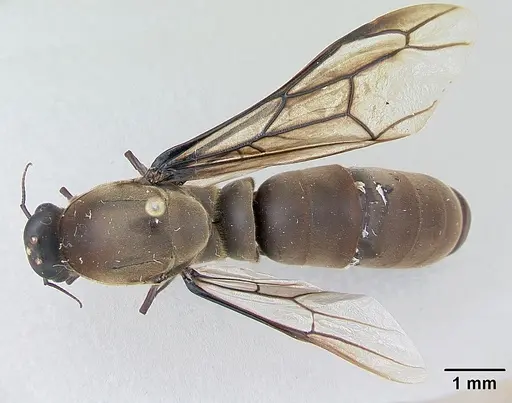
CASENT0217161
View on AntWeb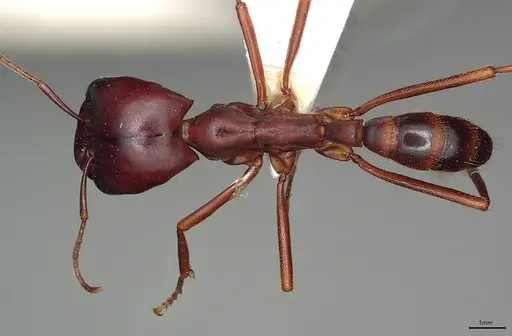
CASENT0217162
View on AntWeb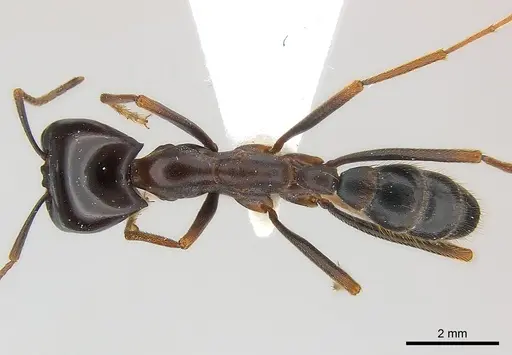
CASENT0401744
View on AntWeb
CASENT0401749
View on AntWeb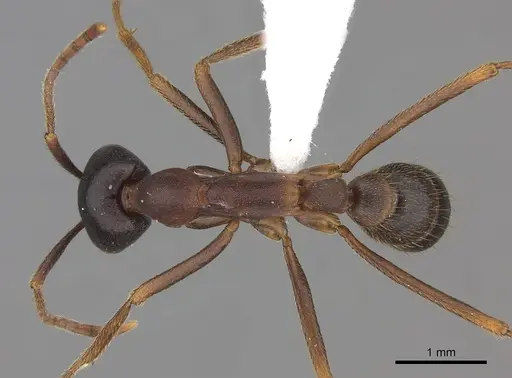
CASENT0401751
View on AntWeb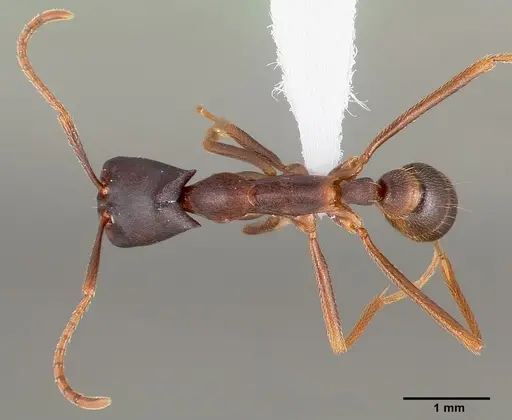
CASENT0401752
View on AntWeb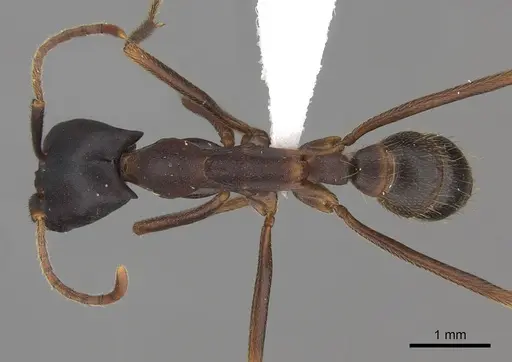
CASENT0401756
View on AntWeb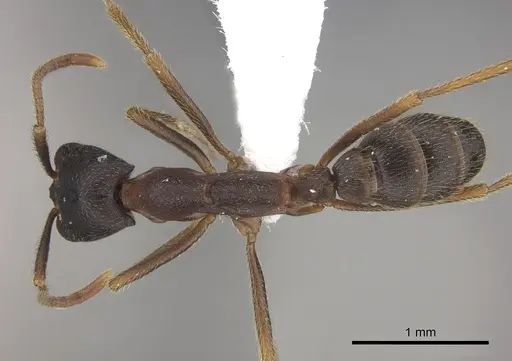
CASENT0903692
View on AntWeb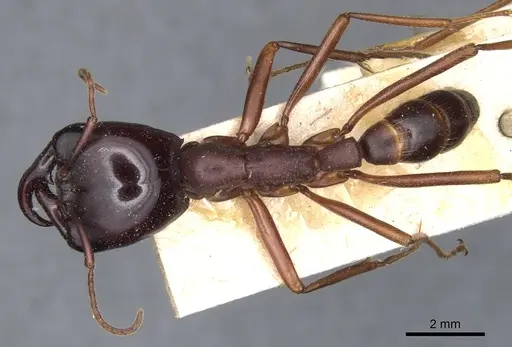
CASENT0903693
View on AntWeb
CASENT0905927
View on AntWeb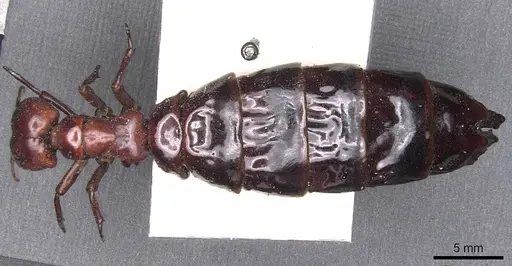
RMCAENT000017710
View on AntWeb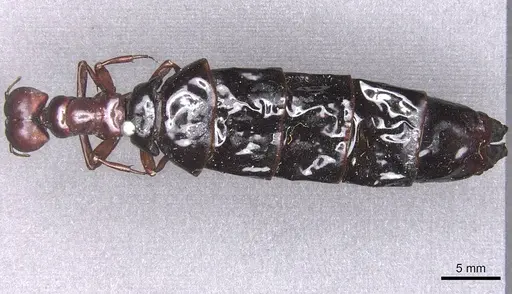
RMCAENT000017713
View on AntWeb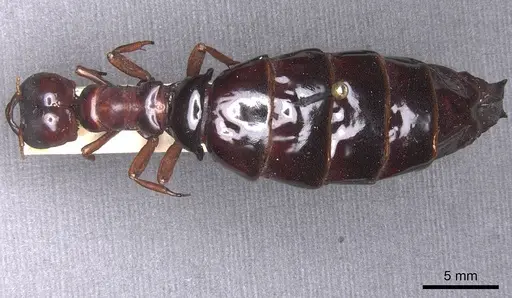
Literature
Loading...Loading products...